Are Grass Carp Legal to Keep in Ohio?
It's completely understandable to wonder about the legality of grass carp in Ohio, especially if you're dealing with an explosion of aquatic vegetation in your pond. Many pond owners look for natural solutions to control stubborn weeds, and the idea of a fish that eats plants sounds like a dream come true. However, the situation with grass carp in Ohio is a bit nuanced, and making a mistake can lead to significant problems. This comprehensive guide will clear up the confusion, explain the rules, and help you understand how to approach aquatic vegetation management responsibly in the Buckeye State.
Understanding Grass Carp in Ohio's Waters
Before we dive into the specific rules, it's crucial to understand what grass carp are and why they've become such a focal point in aquatic management discussions, especially here in Ohio. They're not just any fish; they have a very distinct role in the ecosystem.
What are Grass Carp and Why Are They Different?
Grass carp, scientifically known as Ctenopharyngodon idella, are fascinating fish native to eastern Asia. They are part of the minnow family, but they grow quite large, often reaching several feet in length and weighing many pounds. What truly sets them apart, and why they're so appealing to pond owners, is their diet. They are voracious herbivores, meaning they primarily consume aquatic vegetation. When introduced into a pond or lake, they can literally eat their way through an overgrowth of weeds, clearing up choked waterways and making fishing and boating much easier.
However, this incredible appetite is also precisely why they are so heavily regulated. If introduced indiscriminately, especially the fertile variety, they can devastate native plant populations, which are vital for other fish species and wildlife. Imagine a pond where all the hiding spots for young bass or crappie are suddenly gone – it can throw the entire ecosystem out of whack. That's why the distinction between different types of grass carp is so important.
The Critical Distinction: Sterile vs. Fertile Grass Carp
This is the absolute most important point when discussing grass carp legality in Ohio. Not all grass carp are treated equally under the law, and for very good reason.
- Fertile Grass Carp: These are the "original" grass carp, capable of reproducing. If these fish establish breeding populations in natural waterways, they can spread rapidly and cause widespread environmental damage by consuming critical native vegetation. This can impact waterfowl, invertebrates, and other fish species that rely on those plants for food, cover, and spawning grounds. Because of their potential to become an invasive species, fertile grass carp are strictly prohibited in Ohio. Possession or introduction of these fish is illegal and carries severe penalties.
- Triploid (Sterile) Grass Carp: Recognizing the benefits of grass carp for vegetation control but also understanding the risks, scientists developed triploid grass carp. These fish have an extra set of chromosomes, rendering them sterile and unable to reproduce. This means they can eat aquatic vegetation without the risk of establishing self-sustaining populations that could devastate Ohio's delicate aquatic ecosystems. Because they cannot reproduce, they are a much safer option for weed control, but still require strict oversight.
The ability to distinguish between these two types is critical for regulators, and it's why pond owners cannot simply buy "grass carp" from any vendor and release them into their water. The Ohio Fishing Regulations Every Angler Should Know clearly outline the dangers of invasive species.
The Legality of Keeping Grass Carp in Ohio
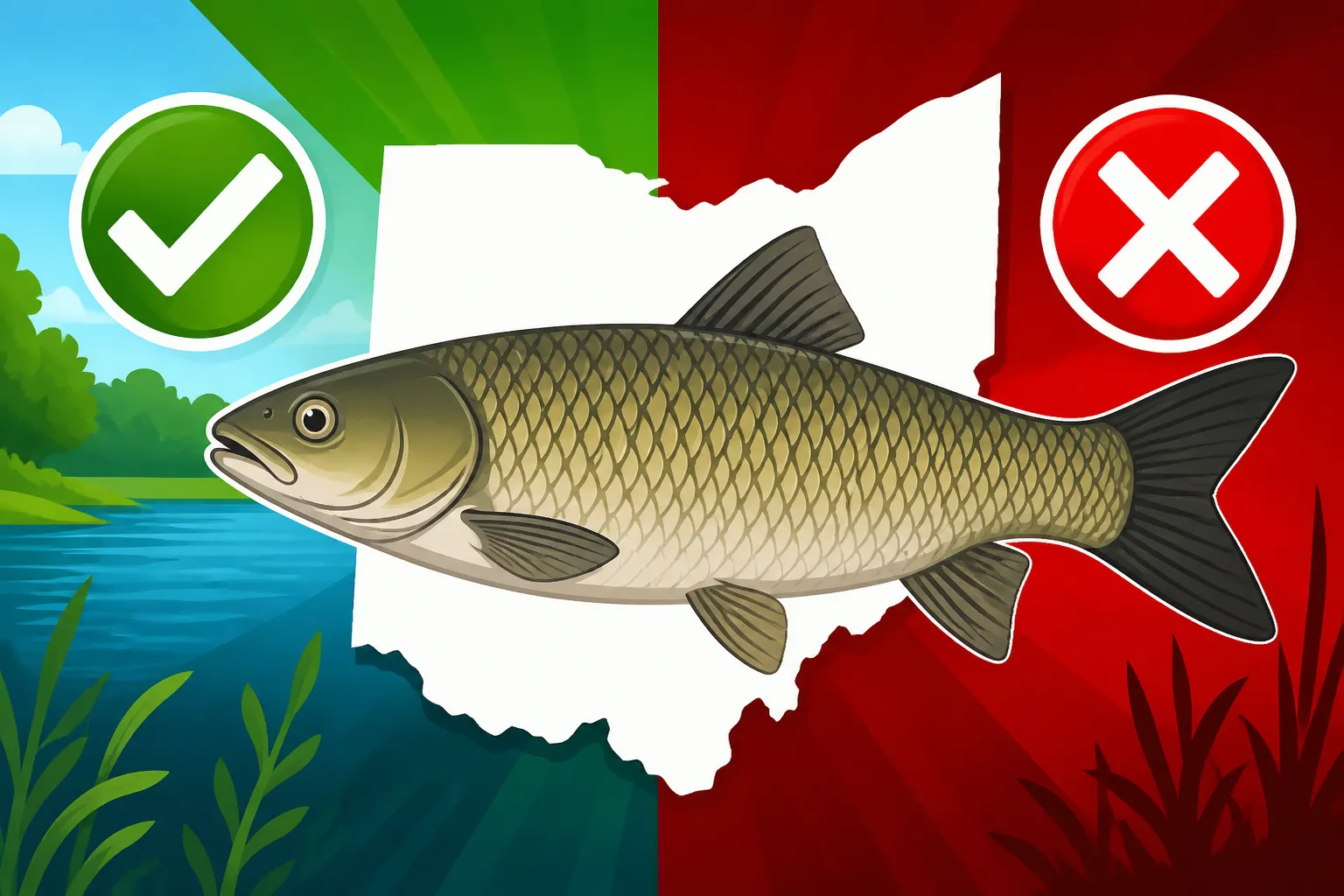
So, to answer the burning question: are grass carp legal to keep in Ohio? The short answer is yes, but only sterile, triploid grass carp, and only with a specific permit from the Ohio Department of Natural Resources (ODNR). There are no exceptions for fertile grass carp.
The Ohio Department of Natural Resources (ODNR) Stance
The ODNR is the governing body for wildlife and natural resources in Ohio, and they take the management of aquatic ecosystems very seriously. Their stance on grass carp is clear: fertile grass carp are considered an invasive species and are illegal to possess, transport, or release anywhere in the state. This strict prohibition is in place to protect Ohio's native flora and fauna from irreversible ecological damage.
However, the ODNR does permit the stocking of certified triploid (sterile) grass carp for aquatic vegetation control in private ponds and lakes, under a strict permitting system. This system allows pond owners to benefit from the grass carp's herbivorous diet while mitigating the environmental risks associated with fertile, reproductive fish. It's a pragmatic approach that balances ecological protection with a practical solution for pond management. Without this oversight, even sterile fish could potentially escape into public waters if not handled properly. This is just one example of the detailed Ohio Fishing Regulations Every Angler Should Know.
Obtaining a Permit for Sterile Grass Carp
You can't just go to your local pet store (though you wouldn't find them there legally anyway) and pick up grass carp for your pond. The process is regulated to ensure that only sterile fish are introduced and that they are placed in appropriate, contained environments.
- Application: You'll need to apply for a Private Pond Triploid Grass Carp Stocking Permit through the ODNR Division of Wildlife. This application typically requires information about your pond, its size, the type of vegetation you're trying to control, and measures you have in place to prevent the fish from escaping into public waters.
- Certification: The fish themselves must be certified triploid grass carp. This means they've undergone a laboratory test to confirm their sterility. You can only purchase these fish from state-approved, licensed aquatic fish dealers. These dealers work closely with the ODNR to ensure compliance. You might find resources or general pond management books on platforms like Amazon that can help you understand your pond's ecosystem better, but you won't find legal grass carp there.
- Containment: The ODNR will assess your pond's characteristics to ensure that the grass carp cannot escape into public waterways. This often means ensuring there are no uncontrolled outlets that lead to streams, rivers, or other public lakes. If your pond is prone to overflowing into a public water body during heavy rains, it might not be approved for grass carp stocking. Preventing escape is paramount to the entire program's success.
- Stocking Rates: The permit will also specify the number of fish you're allowed to stock based on the size of your pond and the density of the vegetation. Overstocking can lead to over-grazing, which can be detrimental to the pond's ecosystem even with sterile fish.
It’s important to remember that these permits are specific to your pond and your situation. You can't transfer a permit, nor can you use it to stock fish in a different location. The ODNR provides detailed instructions on their website, and it's always best to consult the most current regulations. For more general guidelines on pond fishing, you might find our article on Fishing a Private Pond in Ohio helpful, though it doesn't specifically cover grass carp permits.
Consequences of Illegally Possessing or Releasing Grass Carp
Let's be very clear: the penalties for violating Ohio's grass carp regulations are not trivial. Trying to bypass the permit system or, worse, knowingly stocking fertile grass carp, can result in significant legal repercussions and hefty fines. The ODNR takes these violations seriously because the potential ecological damage is so great.
If you are caught possessing or releasing fertile grass carp, or even sterile grass carp without the proper permit, you could face substantial fines. Wildlife officers are trained to identify different fish species and enforce these laws. The exact amount can vary depending on the severity of the offense and whether it's a first-time violation or a repeat offense, but expect it to be a costly mistake. Beyond fines, there could be requirements for restitution for any environmental damage caused, and in some cases, even jail time, particularly for repeat or severe violations. Our guide on Ohio Wildlife Officer Violation Fines in Ohio provides more context on the types of penalties anglers can face for various infractions.
Beyond the legal and financial penalties, consider the environmental impact. Illegally introduced fertile grass carp can rapidly alter aquatic habitats, leading to a decline in native plant species, which in turn affects insects, amphibians, and other fish that depend on those plants. This can disrupt the food web and severely impact the biodiversity of Ohio's precious waterways. It's a risk simply not worth taking.
Alternative Methods for Aquatic Vegetation Management
While sterile grass carp can be an effective tool, they are not the only solution for managing aquatic vegetation in your pond. There are many other legal and often more accessible options available, depending on the type of vegetation and the scale of your problem.
Manual and Mechanical Vegetation Removal
Sometimes, the simplest approach is the most effective, especially for smaller ponds or localized weed problems.
- Manual Removal: This involves physically pulling weeds from your pond. It's labor-intensive but highly effective for certain types of plants like cattails or emergent weeds along the shoreline. It also avoids introducing anything new to your ecosystem. You can use specialized aquatic rakes and cutters, some of which you can find on Amazon, to make the job easier. It's best done in cooler weather or in sections to avoid over-exertion.
- Mechanical Removal: For larger areas, mechanical removal involves using specialized tools or even small machinery (like weed cutters or aquatic harvesters) to cut, dredge, or pull out vegetation. This can provide immediate relief from dense weed beds and is often used in combination with other methods. The downside is that it can be expensive for larger operations, and unless the root systems are removed, the vegetation will likely grow back. However, it's a great option for opening up fishing lanes or swimming areas quickly.
Both methods provide the benefit of immediately removing biomass, which also helps reduce nutrient loads in the pond over time. The key is consistency; aquatic vegetation is persistent!
Chemical Treatment Options
Chemical herbicides specifically designed for aquatic use can be a very effective way to control weeds, but they require careful application and adherence to strict guidelines.
- Types of Herbicides: There are various aquatic herbicides available, targeting different types of weeds (submerged, emergent, algae). Some are systemic, meaning they're absorbed by the plant and kill it from within, while others are contact herbicides, killing only the parts of the plant they touch. It's crucial to correctly identify your weed species before choosing a chemical treatment.
- Permitting and Application: Just like with grass carp, applying aquatic herbicides in Ohio often requires permits from the ODNR, especially if the treated water could flow into other waterways. Improper application can be harmful to fish, wildlife, and even humans who might use the water for recreation or irrigation. Always read product labels carefully and follow all instructions regarding application rates, water use restrictions, and safety precautions. You can find general-purpose pond treatment supplies on marketplaces like Amazon, but always ensure they are approved for aquatic use and check with the ODNR if a permit is required for your specific situation.
- Benefits and Drawbacks: Chemical treatments offer a relatively quick and efficient way to clear large areas of vegetation. However, they can be costly, and repeated applications may be necessary. There's also the concern about introducing chemicals into the environment, which is why proper research and permitting are essential. Dead vegetation can also decompose, temporarily reducing oxygen levels in the water, which can stress fish.
Other Biocontrols and Native Fish Species
Beyond grass carp, some other biological controls can help, and promoting a healthy native fish population is always a good strategy.
- Dye Treatments: Pond dyes can be used to limit sunlight penetration, which in turn inhibits the growth of submerged aquatic vegetation and algae. This is a preventative measure, best applied early in the season before weed growth gets out of hand. It's generally safe for fish and wildlife when used according to directions.
- Aeration: Improving aeration in your pond can help circulate water, increase oxygen levels, and reduce nutrient stratification, all of which can discourage excessive weed and algae growth. Aeration systems range from simple fountains to more complex diffused air systems.
- Native Fish: A healthy population of native fish can contribute to a balanced ecosystem. Species like Ohio Crappie Fishing Guide or Ohio Largemouth Bass Fishing Guide indirectly help by preying on insects and smaller fish that might otherwise feed on young aquatic plants, or by keeping the food chain in balance. While they won't "eat" your weeds like a grass carp, they are part of a thriving, resilient pond environment. Understanding the Ohio Fishing Season Calendar can help you plan for a healthy stocking of native fish.
Ultimately, integrated pest management, combining several of these methods, often provides the best long-term results for keeping your pond healthy and weed-free.
The Process for Legally Stocking Sterile Grass Carp
If, after considering all your options, you determine that sterile grass carp are the best solution for your pond's vegetation issues, here's a closer look at the steps you'll need to follow to do it legally and responsibly in Ohio.
Finding Reputable Suppliers of Triploid Grass Carp
This step is absolutely critical. You cannot simply buy "grass carp" from anyone. You must purchase them from a supplier that is licensed by the state of Ohio and is certified to sell only triploid (sterile) grass carp.
- Check the ODNR List: The Ohio Department of Natural Resources, Division of Wildlife, maintains a list of approved dealers who are authorized to sell and transport triploid grass carp in the state. This list is usually available on their official website or by contacting your local ODNR office. This ensures the fish you receive have been properly tested and certified as sterile.
- Ask for Certification: When you contact a supplier, always ask for proof of their ODNR licensing and the triploid certification for the fish. A reputable dealer will be happy to provide this documentation. They will also be knowledgeable about stocking rates and permit requirements, often helping you understand the process.
- Local vs. Online: While you can find many pond supply businesses online (some with products on Amazon), for live fish, especially regulated species like grass carp, you should always work with a local, state-approved supplier. Shipping live fish across state lines, particularly those with specific regulations, can be complicated and often illegal if not handled by specialized, licensed transporters.
The Permit Application Process with ODNR
Once you've identified a reputable supplier, the next step is to secure your permit from the ODNR. This isn't a rubber stamp; it's a careful review process designed to protect Ohio's waters.
- Gather Information: Before you start the application, you'll need details about your pond: its acreage, depth, water source, and any outlets. You'll also need to describe the type and extent of the aquatic vegetation problem you're trying to solve. The ODNR also often requires a site map indicating the pond's location relative to public waterways.
- Submit the Application: The application form is typically available on the ODNR Division of Wildlife website. Fill it out completely and accurately. Incomplete applications can cause significant delays.
- Site Inspection (Potentially): Depending on your pond's characteristics and proximity to public waters, an ODNR representative might conduct a site inspection. They'll want to ensure that your pond is adequately contained and that there's minimal risk of the grass carp escaping. This is a crucial step to prevent unintended ecological impacts.
- Receive Your Permit: Once your application is reviewed and approved, the ODNR will issue your Private Pond Triploid Grass Carp Stocking Permit. This permit will specify the number of fish you are authorized to stock. Do NOT purchase or stock fish until you have this permit in hand.
Transport and Stocking Best Practices
With your permit and a reputable supplier, you're almost ready to introduce your new aquatic weed control specialists. Proper transport and stocking are essential for the health of the fish and to maintain compliance.
- Coordinate with the Supplier: Work closely with your chosen supplier to schedule delivery or pickup of the fish. They will transport the fish in aerated containers to minimize stress.
- Acclimation: When the fish arrive, they need to be carefully acclimated to your pond's water temperature and chemistry. This usually involves floating the fish bags in your pond for a period (often 15-30 minutes) to allow the temperatures to equalize before gently releasing them. This reduces shock and improves their survival rate.
- Prevention of Escape: Once stocked, continue to monitor your pond, especially after heavy rains or during periods of high water. Ensure any overflow structures have appropriate screens or barriers to prevent the grass carp from escaping into ditches, streams, or other public waterways. The permit is granted based on the premise that your pond is a closed system.
- Monitor Vegetation: Give the grass carp time to do their work. It can take several weeks or even months for them to significantly reduce vegetation, depending on the stocking rate and the density of the plants. Don't expect immediate results. Monitor the vegetation annually, and if necessary, consult with the ODNR about potential re-stocking in future years, always remembering that a new permit will be required each time.
By following these steps, you can effectively and legally use sterile grass carp to manage aquatic vegetation in your private pond, contributing to a healthy pond ecosystem without endangering Ohio's natural waters.
| Feature | Sterile (Triploid) Grass Carp | Fertile (Diploid) Grass Carp |
|---|---|---|
| Reproduction | Cannot reproduce (extra chromosome set) | Can reproduce naturally |
| Legality in Ohio | Permitted with ODNR permit for private ponds | Illegal to possess, transport, or stock |
| Environmental Risk | Low risk of establishing wild populations | High risk of invasive spread and ecological damage |
| Source | Must be purchased from state-approved, certified dealers | Not legally available in Ohio for stocking purposes |
| Use | Targeted aquatic vegetation control in contained systems | Prohibited due to invasive potential |
| Identification | Requires laboratory testing for certification | Standard genetic makeup |
Disclaimer
This article is for general informational purposes only and does not constitute professional advice. Laws, prices and regulations vary by location and change over time. Consult a qualified professional for guidance on your specific situation.