Ohio Invasive Fish Species to Know
There's nothing quite like a peaceful day out on Ohio's beautiful lakes and rivers, enjoying the tranquility and the thrill of a bite. But lurking beneath the surface, there's an ongoing challenge many anglers face without even realizing it: invasive fish species. These unwelcome guests can throw a real wrench into our native ecosystems, impacting everything from the forage base for your favorite walleye to the overall health of our treasured waterways. This comprehensive guide is here to shed light on Ohio's most problematic invasive fish, helping you understand their impact, how to identify them, and what you can do as a responsible angler to protect our fisheries.
Why Invasive Species Matter to Ohio Anglers
When we talk about invasive species, it’s not just some abstract scientific concept. These fish directly affect your fishing experience, the health of the fish you love to catch, and the future of Ohio’s angling opportunities. It's a complex issue, and frankly, it's frustrating to see these species take hold when all we want is to enjoy our natural resources.
Ecological and Economic Impact
The introduction of non-native fish species can have devastating consequences for the delicate balance of an aquatic ecosystem. Imagine a newcomer arriving in town who doesn't play by the rules, outcompetes the locals for food and housing, and even alters the very structure of the community. That's essentially what invasive fish do. They often reproduce rapidly, have no natural predators in their new environment, and can quickly dominate a fishery. This competition for resources—food, spawning grounds, and habitat—puts immense pressure on our native species, which simply aren't equipped to deal with these aggressive invaders. Think about Lake Erie, for example, which is a prime example of an ecosystem constantly battling new arrivals. Lake Erie Fishing Regulations in Ohio are often adjusted to account for changes in fish populations, some of which are influenced by invasives.
Beyond the ecological damage, there's a significant economic cost. Commercial fishing operations, recreational angling, and tourism can all suffer. If populations of prized native fish like walleye or perch decline due to invasive species, it hits our local economies hard. Less fishing means fewer bait sales, fewer charter bookings, and less business for tackle shops and lakeside restaurants. Plus, managing these invasive populations, from monitoring their spread to attempting removal, costs taxpayers millions of dollars each year. It's a drain on resources that could otherwise be used to enhance fishing opportunities or conserve native species.
Direct Threats to Native Fish Populations
The most immediate and concerning impact for us anglers is the direct threat invasive species pose to the fish we cherish. They compete for food, prey on eggs and juvenile fish, and sometimes even introduce diseases that native fish have no immunity to. Take the round goby, for instance, which we'll discuss in more detail later. They are voracious eaters of native fish eggs and young, and also compete directly with smallmouth bass and perch for food. This can lead to a noticeable decline in the health and numbers of our beloved game fish.
Another major threat comes from species like the Asian carp, particularly Bighead and Silver Carp, which filter-feed vast quantities of plankton. Plankton forms the base of the aquatic food web, and when these carp consume it in massive amounts, there's less left for native species like gizzard shad, which are crucial forage for walleye, bass, and saugeye. This disruption at the foundational level reverberates throughout the entire food chain, weakening native fish populations from the bottom up. It's a cruel trick of nature that a fish from halfway around the world can come to Ohio and undermine the very survival of our local fish.
Common Invasive Fish Species in Ohio Waters
Ohio's waterways are unfortunately home to a number of invasive fish species that have established populations, some more widespread and detrimental than others. Understanding who these invaders are is the first step in being a proactive and responsible angler.
Asian Carp (Bighead, Silver, Grass, Black)
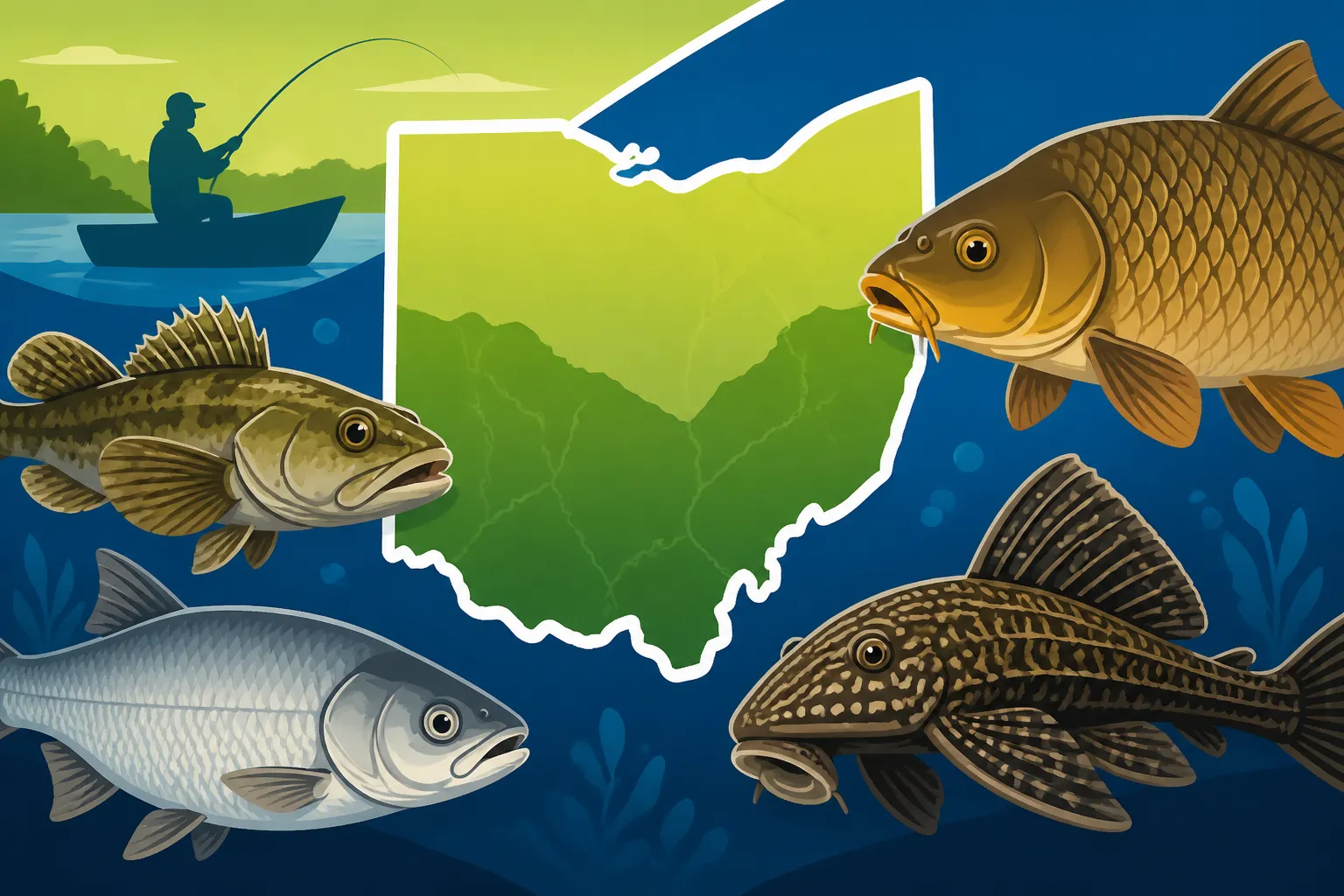
When most people talk about "Asian Carp" in Ohio, they're typically referring to Bighead and Silver Carp, which pose the most significant ecological threat due to their widespread presence in the Mississippi River basin and their potential to enter Lake Erie. These fish are big, they reproduce quickly, and they consume enormous amounts of plankton, which is the food source for many native species, including larval fish and baitfish. Are Asian Carp Established in Ohio Waters? is a question often asked, and while ongoing efforts are made to prevent their entry into Lake Erie, they are present in the Ohio River and its tributaries.
- Bighead Carp: These giants can grow to over 100 pounds! They are easily identified by their unusually large head, which makes up about a third of their body length, and eyes that are set low on their head. They have a dark, mottled pattern on their bodies. Their primary diet consists of zooplankton, the tiny animals that are a vital food source for many native fish in their larval stages, as well as for adult gizzard shad and even young walleye. When Bighead Carp are present in high numbers, they effectively vacuum up the food supply, leaving little for native species to grow and thrive. This competition can devastate native fish populations by starving them out, leading to smaller, less healthy fish, and reduced fishing opportunities for anglers.
- Silver Carp: These are the infamous "jumping carp" you might have seen videos of, leaping out of the water when startled by boat engines. They can reach up to 60 pounds and possess silvery scales and a pointed keel that extends from their anal fin to their gills. Like Bighead Carp, Silver Carp are filter feeders, but they primarily consume phytoplankton—the microscopic plants at the very bottom of the food chain. Their sheer numbers and voracious appetites can strip the water column of this essential food source, leading to clearer waters but impoverished ecosystems. The impact on native species that rely on phytoplankton indirectly, or directly through zooplankton, is immense. Anglers have reported being injured by jumping Silver Carp, adding a safety concern to their ecological damage.
While Bighead and Silver Carp are the main concerns, there are others:
- Grass Carp: These torpedo-shaped fish are herbivores, primarily feeding on aquatic vegetation. They can grow very large, sometimes exceeding 80 pounds. While their diet seems less directly competitive with many game fish, their presence can still be problematic. By consuming large amounts of submerged vegetation, they destroy crucial habitat for native fish, spawning grounds, and cover for juvenile fish and baitfish. This habitat destruction can lead to a decline in biodiversity and overall ecosystem health. In Ohio, only sterile, triploid Grass Carp are legal for stocking, and a permit is required to prevent them from reproducing uncontrollably. Are Grass Carp Legal to Keep in Ohio? is a common question, and the answer involves understanding these specific regulations.
- Black Carp: The least common of the four in Ohio, Black Carp are molluscivores, meaning they primarily eat snails and mussels. This might sound benign, but many native mussel species are endangered, and Black Carp pose a direct threat to their survival. They can also grow quite large, making them a significant predator in their adopted habitat. While their presence is less established than the other carp species, the potential for harm to our fragile mollusk populations is very real.
Round Goby
Originating from the Black and Caspian Seas, the Round Goby found its way into the Great Lakes via ballast water from oceangoing ships. These small but mighty invaders have been a game-changer, especially in Lake Erie. They're typically mottled brown and gray, with a large head, prominent eyes, and a distinctive single pelvic fin that resembles a suction cup on their underside. You’ll often find them lurking on the bottom, under rocks or logs. Do Round Gobies Hurt Ohio Fishing? Absolutely, and here's why.
Round Gobies are incredibly resilient and adaptable. They have a high reproductive rate, spawn multiple times a season, and can survive in a wide range of water conditions. Their diet is diverse, including insect larvae, small crustaceans, and—critically—the eggs and fry of native fish like walleye, smallmouth bass, and even yellow perch. This predation on vulnerable life stages of our prized game fish can significantly impact recruitment, meaning fewer young fish survive to grow into catchable adults.
What's particularly frustrating is that they also compete directly with native bottom-dwelling fish for food and prime habitat, such as rocky shoals and crevices. This competition can displace native species, forcing them into less ideal areas or simply outcompeting them for survival. On the flip side, some native predators, like smallmouth bass and walleye, have learned to prey on gobies, leading to a "super-sized" effect in some areas where they've become a readily available, high-protein food source. However, this is a double-edged sword: while it can lead to larger individual game fish, the overall impact on the ecosystem is still largely negative, as the gobies continue to consume native eggs and outcompete other forage.
Goldfish and Common Carp
While less "exotic" than Asian carp or gobies, the common carp and its domesticated cousin, the goldfish, are still considered invasive and can have significant negative impacts on Ohio's aquatic environments. These fish have been around for a long time, leading some to forget their non-native status.
-
Common Carp: Introduced from Europe and Asia, common carp are incredibly hardy and adaptable. They are easily identified by their large, golden-brown scales, two barbels on each side of their mouth, and a deep, thick body. They are bottom feeders, constantly rooting around in the substrate in search of insects, crustaceans, and plant matter. This feeding behavior, known as "turbidity," stirs up bottom sediments, increasing water cloudiness and releasing nutrients that can fuel harmful algal blooms. This turbidity makes it difficult for aquatic plants to grow, destroying crucial habitat for native fish and reducing water quality. For anglers, this means fewer sight-fishing opportunities and less healthy environments for species that rely on clear water and healthy vegetation. Many Ohio anglers still enjoy Ohio Carp Fishing and Identification as a sport, but their ecological impact is undeniable.
-
Goldfish: Yes, your childhood pet can become an ecological problem! Often released by irresponsible aquarium owners, goldfish can grow surprisingly large in the wild, sometimes exceeding a foot in length. They are essentially a domesticated variety of common carp and share many of the same traits. Their bright orange or red coloration can fade to an olive-brown in the wild, making them harder to distinguish from common carp, though they generally lack the prominent barbels. Like common carp, they are bottom feeders that stir up sediments and can contribute to poor water quality. They also compete with native species for food and can introduce diseases. It's a stark reminder that even a small act of releasing a pet can have ripple effects throughout an ecosystem.
Ruffe
The Ruffe, a small, perch-like fish native to Eurasia, is another invader that found its way to the Great Lakes. While not as widespread or numerous in Ohio waters as the Round Goby or Asian Carp, it’s still a species of concern, particularly in the Lake Erie basin. They are typically olive-brown with dark spots, have large, spiny dorsal fins that are fused together, and lack scales on their head. They usually grow no longer than 6-8 inches.
Ruffe are highly competitive and prolific spawners. They thrive in degraded habitats and can tolerate a wide range of conditions, outcompeting native perch and other small bottom-dwelling fish for food and space. Their spiny dorsal fins also make them unappealing to many predators, giving them a survival advantage. They feed on insect larvae, zooplankton, and the eggs of other fish, putting them in direct competition with juvenile walleye, yellow perch, and whitefish. While their populations haven't exploded in Ohio to the same degree as in some other Great Lakes areas, their presence warrants vigilance, as they can still contribute to declines in native fish populations where they become established.
Identifying Invasive Fish: What to Look For
Being able to properly identify an invasive fish is perhaps the most crucial skill an Ohio angler can possess. It’s not always easy, especially for similar-looking species, but a few key characteristics can help you make a positive identification. There are numerous resources available, from online guides to dedicated field books, that can aid you in this important task.
Key Distinguishing Features for Each Species
Let’s break down the critical features to help you differentiate these invaders from our native fish:
-
Asian Carp (Bighead & Silver Carp):
- Bighead Carp: Look for the huge head relative to its body size, and eyes set very low on the head, almost below the midline of the body. Their bodies are typically silver with darker, mottled blotches. They have a continuous, sharp keel along their belly extending forward past the pelvic fins.
- Silver Carp: Similar silvery body, but with a more streamlined head and eyes that are still low but not as disproportionate as the Bighead. The most telling feature is the sharp keel along their belly that extends from the anal fin all the way to their throat. Remember, these are the jumpers.
- Grass Carp: Long, torpedo-shaped body, dark olive to brownish back fading to a silvery belly. They have large, distinct scales and lack the barbels of common carp. Their mouth is terminal (at the very front of the head).
- Black Carp: Very similar in body shape to Grass Carp, but typically darker, almost blackish, with a slightly more pointed head. Their pharyngeal teeth (in their throat) are large and molar-like, adapted for crushing shells, though you won't see these without dissection. If you catch a large, dark, carp-like fish without barbels, consider it potentially a Black Carp.
-
Round Goby:
- Single, fused pelvic fin: This is the absolute giveaway. Unlike native sculpins or darters that have two separate pelvic fins, the Round Goby's pelvic fins are fused into a single, suction-cup-like disc.
- Prominent eyes: Their eyes tend to bulge out from their head.
- Large dorsal fin: They have two dorsal fins, the first of which is often spiny.
- Black spot on the anterior dorsal fin: Many gobies will have a distinct black spot on the front part of their first dorsal fin.
- Thick lips: Often noticeable.
- Mottled brown/gray coloration: Excellent camouflage for blending with rocky bottoms.
-
Goldfish / Common Carp:
- Common Carp: Large, distinctive scales (often more pronounced than native suckers). Two pairs of long barbels around their mouth. A deeply notched dorsal fin. Coloration typically brassy green or golden-brown.
- Goldfish: Can vary wildly in color (orange, red, white, calico) but in the wild, often revert to an olive-brown. Typically lack barbels or have very small ones. Body shape can be stout or elongated depending on their lineage.
-
Ruffe:
- Large, spiny dorsal fin: The most notable feature, often fused into one continuous fin that makes up a significant portion of its back.
- No scales on head: Their heads are noticeably smooth.
- Small size: Typically under 8 inches.
- Mottled brown/olive coloration: Similar to gobies in camouflage.
Here's a quick comparison table to help:
| Species | Key ID Feature 1 | Key ID Feature 2 | Key ID Feature 3 |
|---|---|---|---|
| Bighead Carp | Huge head, eyes low on head | Mottled body, sharp keel to pelvic fin | No barbels |
| Silver Carp | Eyes low, no huge head | Sharp keel extending to throat | Known for jumping, no barbels |
| Grass Carp | Torpedo-shaped body | Large scales, terminal mouth | No barbels, eats aquatic plants |
| Black Carp | Dark body, pointed head | Large scales, eats snails/mussels | No barbels, similar to grass carp |
| Round Goby | Single, fused pelvic fin | Large head, prominent eyes | Black spot on first dorsal fin |
| Common Carp | Two pairs of barbels | Large, distinct scales | Deep, thick body, bottom disturbance |
| Goldfish | Often lacks barbels | Can be brightly colored (wild ones dull) | Similar to common carp, released pets |
| Ruffe | Fused, spiny dorsal fin | Head lacks scales | Small size, often mottled |
Photo Resources and Field Guides
Nobody expects you to become an instant expert, especially when you're out on the water. That's why having reliable resources at your fingertips is so important. A good waterproof field guide is invaluable for quick reference. You can find excellent Best Ohio Fishing Gear and Tackle Guide on sites like Amazon that specifically cover fish identification in the Great Lakes region and Ohio. These guides often include detailed illustrations or photos, along with descriptions of habitat and distinguishing characteristics. Having one tucked into your tackle box can save you a lot of guesswork and ensure you're making the right call when you suspect an invasive species.
Beyond physical guides, the Ohio Department of Natural Resources (ODNR) website is a fantastic resource, often providing up-to-date fact sheets and identification guides for invasive species. Many fishing apps also have identification features or links to relevant information. Before your next trip, take a few minutes to familiarize yourself with these resources. A quick search for "Ohio invasive fish identification guide" will yield a wealth of information. Being prepared means you can react appropriately if you encounter one of these problematic fish, helping to protect the waters you love.
What to Do If You Catch an Invasive Fish
Catching an invasive fish isn't just a curiosity; it's a call to action. Your response is crucial in preventing further spread and helping wildlife managers understand where these species are establishing themselves. It can feel a bit overwhelming, especially if you're unsure, but knowing the proper steps makes a huge difference.
Reporting and Handling Procedures
First and foremost, if you are certain you have caught an invasive fish, do not release it alive back into the water. This is a critical rule to remember. While catch and release is generally encouraged for native game species, with invasives, the goal is always removal. This often feels counterintuitive to dedicated anglers, but it’s a necessary step to protect our fisheries.
Once you've positively identified an invasive fish, particularly species like Asian carp, Round Goby, or Ruffe, here's what to do:
- Do Not Release: As mentioned, keep the fish.
- Document: Take clear photos of the fish, especially focusing on its distinguishing features. If possible, note the exact location (GPS coordinates are best) and the date and time of the catch. This information is vital for wildlife biologists tracking the spread of these species.
- Report: Immediately report your catch to the Ohio Department of Natural Resources (ODNR). They typically have dedicated hotlines or online reporting forms for invasive species. Providing them with your photos and location data is extremely helpful. This reporting helps them monitor populations, assess risks, and deploy management strategies. For example, if a new population of Black Carp is discovered in a certain river, early reporting can lead to rapid response efforts.
- Dispose: If the species is clearly invasive and poses no risk to human health (e.g., it’s not something like a poisonous lionfish, which isn't an issue in Ohio), you can dispatch it and either take it home for consumption (if it’s edible, like most carp or gobies, though smaller gobies are rarely eaten) or dispose of it properly in the trash. Never transport live invasive fish to another water body, even if you intend to eat them or use them as bait. This is a primary pathway for their spread.
Legal Requirements and Best Practices
It’s important to understand that handling invasive species isn't just about good stewardship; there are often legal ramifications. Ohio Fishing Regulations Every Angler Should Know includes specific rules regarding invasive species. For example, it is illegal to possess, import, or sell live Asian carp in Ohio. Likewise, transporting live Round Gobies is prohibited. Ignorance of the law is generally not an excuse, so it's always wise to stay informed.
Best practices extend beyond just reporting and not releasing. They also involve common sense steps that prevent accidental spread:
- Educate Others: Share what you've learned with fellow anglers. Many people simply aren't aware of the threats or the proper protocols. A friendly chat at the boat ramp about identifying a Round Goby could prevent someone from inadvertently spreading them.
- Be Prepared: Carry a camera or smartphone for photos, and consider having a small cooler or bag dedicated to holding any invasive species you might catch until you can properly dispose of them.
- Check Before You Go: Before heading out to fish, especially in a new area, quickly review the ODNR's most current information on invasive species. Sometimes new threats emerge, or established species spread to new waters. Staying current ensures you're always acting responsibly. This proactive approach shows you truly care about the long-term health of Ohio's fishing future.
How Anglers Can Help Prevent the Spread
As anglers, we're often the first line of defense when it comes to invasive species. We spend more time on the water than almost anyone else, and our actions, both individually and collectively, have a tremendous impact. It's not just about identifying and reporting; it's about adopting habits that prevent the problem from even starting.
"Clean, Drain, Dry" Protocol
The "Clean, Drain, Dry" protocol is probably the single most important habit every boater and angler should adopt after every single trip to any body of water. Invasive species, whether fish eggs, larval fish, plant fragments, or microscopic organisms, can hitchhike on your equipment from one lake or river to another. It's easy to dismiss these tiny invaders, but it's often the small, unseen things that cause the biggest problems. This process isn't just for big boats; it applies to kayaks, canoes, waders, tackle boxes, and even your fishing line.
- Clean: Before leaving the boat ramp or shoreline, thoroughly inspect your boat, trailer, waders, fishing gear, and any other equipment that came into contact with the water. Remove all visible mud, plants, fish, or other aquatic organisms. Pay close attention to propeller guards, anchor lines, trailer bunks, and fishing nets. A stiff brush and even a hose can be your best friends here. You might even find some sturdy brushes or cleaning kits on Amazon designed specifically for marine use.
- Drain: Pull the drain plug(s) from your boat hull and livewells. Drain all water from your motor, bilge, bait buckets, and any other water-holding compartments. Make sure your livewell is completely empty and dry. This step is crucial because many invasive species, like larval zebra mussels or microscopic organisms, can survive in even small amounts of residual water. Some species can even survive for days in damp conditions, waiting for their next unwitting ride.
- Dry: Allow all equipment to thoroughly air dry for at least 5 days, if possible, before using it in another water body. If you can't allow for a full dry time (which, let's be real, is often the case for avid anglers!), consider rinsing your equipment with high-pressure hot water (140°F/60°C) or a bleach solution (1/2 cup bleach per gallon of water) before rinsing with clean water. Remember, heat and complete dehydration are extremely effective at killing most aquatic hitchhikers. This step applies particularly to anything porous, like fishing nets or waders, which can retain moisture for extended periods.
By diligently following "Clean, Drain, Dry," you drastically reduce the risk of becoming an unintentional vector for invasive species. It's a small investment of time that pays huge dividends for the health of Ohio's aquatic ecosystems.
Responsible Bait Usage
What you use for bait, and how you handle it, is another critical area where anglers can either prevent or contribute to the spread of invasive species. It's an issue often overlooked, but the consequences can be significant. After all, bait is often live and comes from one body of water, only to be used in another.
- Don't "Bucket Stock" Bait: Never release unused live bait into the water body you are fishing, or any other water body. This is a common and dangerous practice. That leftover minnow from the bait shop, or the crayfish you caught upstream, could be carrying diseases or be an invasive species itself. Even native bait can introduce disease or genetic issues if it's moved from one watershed to another. Always dispose of unused bait by putting it in the trash.
- Know Your Bait Sources: When buying live bait, try to purchase it from reputable bait shops that source their bait from certified disease-free hatcheries or local waters. Ask where their bait comes from. Be wary of bait that looks unusual or unhealthy.
- Identify Your Bait: Be aware of what you're using. For example, if you're trapping your own minnows, make sure you know how to identify native species versus anything that might be invasive. Young Round Gobies, for instance, could easily be mistaken for native darters if you’re not careful. If you're unsure, it's always best to err on the side of caution and not use it as bait. This is where a good field guide, perhaps a compact one you picked up from Amazon, can really come in handy, allowing you to quickly verify bait species.
- Avoid Illegal Bait: Some species are illegal to use as bait in Ohio, precisely because of their invasive potential. Always check current Ohio Fishing Regulations Every Angler Should Know to ensure your bait choice is legal and responsible. This also extends to using parts of illegally harvested fish as bait, which should never be done.
By taking these precautions with your bait, you contribute significantly to stopping the spread of unwanted species and diseases, ensuring that our Ohio waters remain healthy and vibrant for future generations of anglers. It's a testament to the fact that every angler, no matter how casual, plays a vital role in conservation.
Disclaimer
This article is for general informational purposes only and does not constitute professional advice. Laws, prices and regulations vary by location and change over time. Consult a qualified professional for guidance on your specific situation.