How Big Walleye Get on Lake Erie
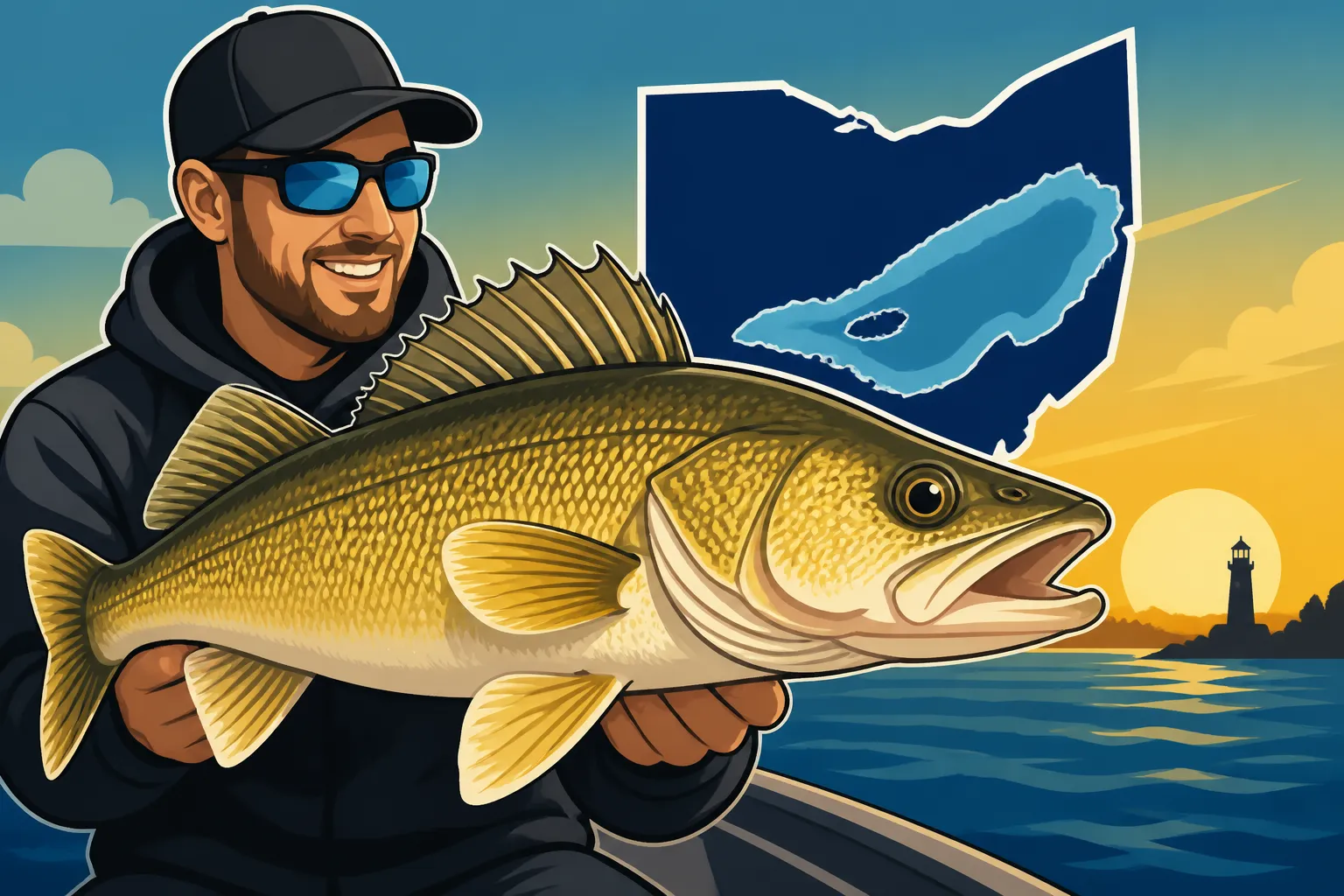
If you've ever dreamt of battling a colossal walleye, there's a good chance that dream involves Lake Erie. Anglers from all over Ohio and beyond flock to its waters, drawn by whispers and tales of monster fish. But what exactly is the reality? How big do walleye actually get in Lake Erie, the self-proclaimed "Walleye Capital of the World"? It's a question every passionate angler asks, and the answer is a big part of what makes fishing here so incredibly exciting. This guide will dive deep into the typical sizes you can expect, what influences those impressive growth rates, and what it takes to hook into a true Lake Erie giant.
The Average Lake Erie Walleye: What to Realistically Expect
When we talk about the average walleye caught on Lake Erie, we're not talking about those little guys you might pull out of a small inland pond. Lake Erie walleye are known for their robust size and healthy populations, thanks to abundant forage and ideal habitat. Most anglers heading out for a day on the lake can reasonably expect to encounter fish that make for a fantastic fight and a delicious dinner.
Typically, the average walleye you'll put in your cooler or release back into the water will fall somewhere in the 18 to 24-inch range. These fish usually weigh in between 2 and 5 pounds. Now, that might sound like a pretty broad range, but it truly represents the bulk of what charter boats and recreational anglers bring in on a consistent basis. Think about it: a 20-inch walleye is a solid, respectable fish. It has a good shoulder to it, and when it hits your line, you know you've got something worthwhile. They’re perfect for filling a cooler for a family fish fry.
What makes Lake Erie walleye so consistently large, even for their "average" size? A huge part of it comes down to the sheer volume of baitfish available. Lake Erie is incredibly fertile, a veritable smorgasbord for predatory fish. From emerald shiners to gizzard shad, and even invasive round gobies, there's no shortage of high-protein meals for walleye. This rich diet means they grow faster and larger than their counterparts in many other, less fertile, waters. So, while an 18-inch walleye might be considered a trophy in some smaller lakes, on Lake Erie, it's just a healthy, common catch.
Factors Influencing Walleye Size and Growth Rates
It's not just a lucky roll of the dice when it comes to walleye size; several key factors play a significant role in how big these fish get. Understanding these elements can even help you target areas or times when you're more likely to encounter larger specimens.
Forage Abundance and Diversity
We touched on this, but it bears repeating: food, glorious food! The sheer abundance and diversity of forage in Lake Erie are paramount to the growth of its walleye. Unlike many smaller, less diverse ecosystems, Lake Erie offers a buffet of high-energy foods. Imagine a walleye being able to gorge itself on endless schools of baitfish. They don't have to expend excessive energy hunting; the food is plentiful.
Specifically, species like emerald shiners, gizzard shad, and rainbow smelt are critical. Even the once-maligned round gobies, while invasive, have become a significant food source for larger walleye. This consistent, high-calorie diet allows walleye to pack on pounds and length at an impressive rate, particularly in their younger years. If you're wondering how a walleye could go from a fingerling to a 20-inch fish in just a few years, look no further than its pantry. This robust food chain is a primary reason for the rapid Walleye Size and Age Growth Rates on Lake Erie.
Water Temperature and Lake Conditions
Like all cold-blooded creatures, a walleye's metabolism is heavily influenced by water temperature. Lake Erie's vastness and depth mean it maintains cooler, oxygen-rich water throughout the summer, providing an ideal environment for walleye to thrive without becoming overly stressed. During the warmer months, their metabolism speeds up, and they feed aggressively, converting those abundant calories into growth.
However, it's not just about warmth. Lake Erie experiences distinct seasons, which also play a part. The productive spring and fall seasons, when water temperatures are prime for feeding, are critical growth periods. The lake's overall health, including oxygen levels and water clarity, also impacts the entire food web, from microscopic organisms up to the largest walleye. A healthy ecosystem equals healthy, big fish. You can learn more about how different conditions affect fishing in our Ohio Walleye Fishing Guide.
Genetics and Spawning Success
While environmental factors are huge, we can't completely ignore genetics. Just like in any species, some walleye are simply predisposed to grow larger and live longer due to their genetic makeup. Lake Erie's walleye population is enormous and genetically diverse, ensuring a healthy stock that includes individuals with the potential for exceptional growth.
The success of the annual walleye spawn is another critical factor. Years with strong spawns lead to massive year classes of young walleye. As these fish mature, they contribute to the overall population size and, eventually, the number of larger fish available to anglers. The continuous cycle of successful reproduction and growth is what allows Lake Erie to sustain its reputation for producing large walleye year after year. For anglers keen on understanding these cycles, exploring resources on Walleye Spawning Behavior in Ohio can offer fascinating insights.
The Trophy Walleye: Chasing a True Lake Erie Giant
Now, for the really exciting part: what about those true giants, the fish that make your heart pound and your arms ache? While the average walleye is a fantastic catch, Lake Erie is also famous for producing trophy-sized fish that push the limits of what a walleye can be.
What Qualifies as a "Trophy" Walleye?
Defining a "trophy" walleye can be subjective, but on Lake Erie, most seasoned anglers would agree that a fish measuring over 28 inches is definitely getting into trophy territory. Anything over 30 inches is considered an absolute giant, a once-in-a-season or even once-in-a-lifetime fish for many. These are the walleye that command respect, often displaying incredible power and resilience on the end of your line.
These exceptional fish often weigh upwards of 8 to 12 pounds, with some truly massive specimens cracking the 15-pound mark. Imagine pulling in a fish that's longer than your arm and heavier than a bowling ball – that's the kind of thrill a Lake Erie trophy walleye offers! To even be in the running for a state record, you're looking at fish well into the double digits in weight, pushing the limits of current records. Checking the Ohio State Record Walleye will give you an idea of the top contenders.
The Realm of the State Record
The Ohio state record walleye caught from Lake Erie is an absolute beast, weighing in at over 16 pounds and stretching over 33 inches. This particular fish stands as a testament to the incredible potential of Lake Erie's ecosystem. While breaking a state record is an incredibly rare feat, these records highlight that the genetic potential and environmental conditions exist to produce truly colossal walleye in these waters.
Catching a fish of this caliber requires a combination of skill, persistence, the right conditions, and often, a good dose of luck. Anglers who consistently target these larger fish often employ specific techniques, such as trolling with larger baits in deeper waters or focusing on specific structure where these older, more cautious fish tend to reside. Having the right gear is also crucial; you wouldn't want to lose a potential record-breaker because of a flimsy net! Many anglers invest in heavy-duty landing nets and reliable digital scales, which are readily available on Amazon, to ensure they're prepared for whatever bites.
Walleye Lifespan and Age-to-Size Relationships on Lake Erie
Understanding how long walleye live and how their size relates to their age can give you a deeper appreciation for the fish you're catching and the incredible journey they've undertaken in Lake Erie's vast waters.
Typical Walleye Lifespan
Walleye in Lake Erie can live a surprisingly long time, especially the females. While many fish are harvested before they reach their maximum age, it's not uncommon for walleye to live 10 to 15 years. Some truly ancient specimens have been aged at 20 years or even older. These older fish are almost exclusively the females, which tend to grow larger and live longer than the males.
The oldest fish in the lake are the ones that have successfully navigated years of predation, angling pressure, and environmental changes. They are survivors, wise and often more difficult to catch, which only adds to the challenge and reward of targeting them. Their long lives contribute directly to their potential for massive size, as continuous feeding over many seasons allows them to accumulate significant length and weight.
Age-to-Size Chart for Lake Erie Walleye
While growth rates can vary based on individual fish, forage availability in a given year, and specific lake conditions, we can provide a general idea of how walleye size correlates with age in Lake Erie. This table illustrates typical measurements, but remember, every fish is an individual!
| Age (Years) | Average Length (Inches) | Average Weight (Pounds) |
|---|---|---|
| 1 | 8 – 12 | 0.5 – 1 |
| 2 | 14 – 18 | 1 – 2 |
| 3 | 18 – 22 | 2 – 3.5 |
| 4 | 20 – 24 | 3 – 5 |
| 5 | 22 – 26 | 4 – 7 |
| 6-8 | 24 – 28 | 6 – 9 |
| 9+ | 28 – 30+ | 8 – 12+ |
Note: These are average estimates. Individual fish growth can vary significantly.
As you can see, walleye experience rapid growth in their first few years. They quickly reach that "average" catchable size by age 3 or 4. Beyond that, growth in length slows down, but they continue to gain weight, becoming thicker and more robust. The truly trophy-sized walleye are usually older, seasoned fish that have had many years to bulk up on Lake Erie's abundant forage. Many of the techniques to target these larger, older fish are covered in guides like Best Ohio Walleye Fishing Techniques.
Tips for Catching Larger Walleye on Lake Erie
While sheer luck always plays a role in fishing, there are strategies and considerations that can significantly increase your chances of hooking into a bigger walleye on Lake Erie. It's not just about tossing a line in; it's about understanding the fish, their habits, and their environment.
Targeting Specific Depths and Structure
Larger walleye, especially the older, more cautious ones, often relate to specific depths and underwater structures. They aren't typically found schooling with the younger, smaller fish in open water as much. Instead, they might hold on drop-offs, humps, reefs, or near the mouths of tributaries. These areas provide ambush points and offer cover from light and predators.
For instance, during mid-summer, while the smaller walleye might be suspended over deep water, the true giants might be hugging the bottom near deep structure, waiting for an easy meal. Using good electronics, such as a fish finder that can differentiate between baitfish schools and larger individual marks, becomes invaluable. You'll want to focus on areas where baitfish are concentrated, as big walleye will never be far from their food source.
Employing Larger Baits and Lures
It makes sense, right? Big fish often eat big meals. If you're consistently using smaller jigs or tiny crankbaits, you might be catching plenty of fish, but you could be missing out on enticing those true giants. Larger walleye have bigger mouths and aren't afraid to inhale a substantial meal.
Consider using larger crankbaits, bigger spoons, or even bigger soft plastic presentations. For example, a 6-inch stickbait might be a great option for trophy walleye, or a substantial crawler harness with a larger blade. The trick is to match the hatch in terms of general bait size, but lean towards the upper end of that scale. Don't be afraid to experiment with different sizes and colors, even if they seem a bit oversized for a typical walleye. Sometimes, that slightly larger profile is exactly what a dominant, older walleye is looking for. You can find a wide array of specialized walleye lures and baits on Amazon to experiment with.
Timing is Everything: Seasons and Conditions
While Lake Erie offers fantastic walleye fishing year-round (minus the ice, of course), certain seasons and conditions tend to favor the pursuit of larger fish. The early spring, just after ice-out, can be prime for big walleye as they move into shallower areas to spawn or recover from spawning. They are often aggressive feeders during this time.
The fall bite is another exceptional period. As water temperatures drop, walleye feed heavily to put on weight for the colder months ahead. This can lead to incredible catches of robust, heavy fish. Even during the peak summer, focusing on low-light conditions (dawn, dusk, or even night fishing) can be highly effective for larger walleye, as they are often more active and less wary during these times. Understanding Best Time of Year to Fish Lake Erie for Walleye can really give you an edge.
It's also worth paying attention to weather patterns. Stable weather conditions often lead to more predictable fishing, but sometimes a slight change, like a front moving in, can trigger a feeding frenzy among larger fish. Keeping an eye on the wind direction and wave action is also crucial, as these can affect where baitfish and, consequently, walleye are holding.
Precision Trolling and Boat Control
For many serious Lake Erie walleye anglers, especially those targeting larger fish, trolling is the name of the game. It allows you to cover vast amounts of water, present multiple lures at varying depths, and meticulously follow contour lines or structure. However, it's not just about dragging lures behind the boat.
Precision trolling involves careful boat control, maintaining specific speeds, and adjusting your lure depths constantly based on what your electronics are telling you. Using planer boards to spread out your lines and target a wider swath of water can also be incredibly effective. Experimenting with different trolling speeds and depths until you find that magic combination that triggers bites from larger fish is key. Consider diving into guides like Ohio Trolling Techniques for Lake Erie to refine your approach and dial in your presentation for those trophy walleye.
Disclaimer
This article is for general informational purposes only and does not constitute professional advice. Laws, prices and regulations vary by location and change over time. Consult a qualified professional for guidance on your specific situation.