How Many Steelhead Ohio Stocks Each Year
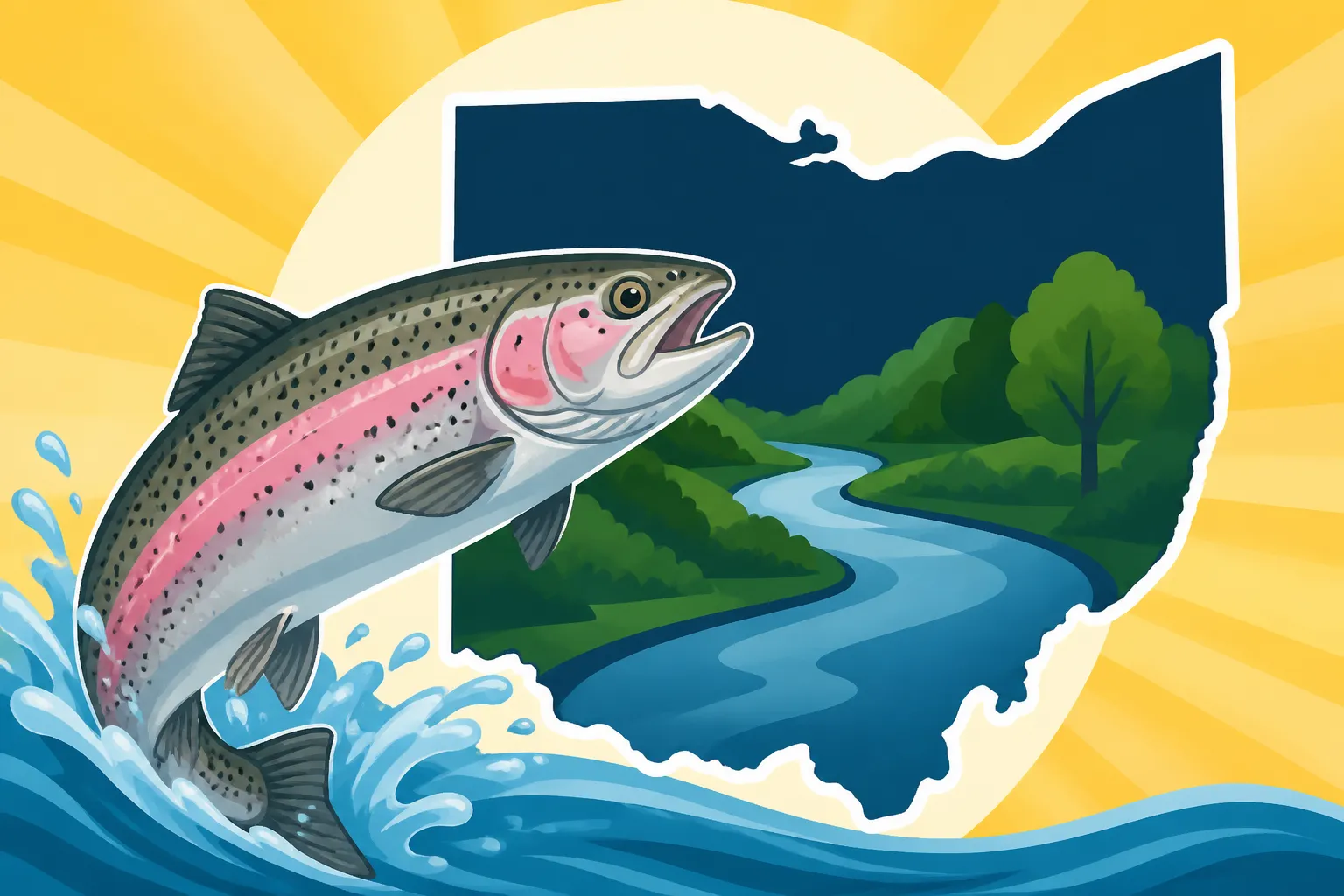
If you've ever dreamt of battling a chrome-bright steelhead in one of Ohio's famed "Steelhead Alley" tributaries, you've probably wondered how this incredible fishery is sustained. It's no secret that these magnificent fish don't naturally reproduce in our state's rivers in numbers sufficient to support the angling pressure they receive, which is why stocking is so crucial. This comprehensive guide will pull back the curtain on Ohio's steelhead stocking program, revealing the numbers, locations, and strategy behind ensuring these fantastic fish keep returning to our waters year after year.
Understanding Ohio's Steelhead Stocking Program
Ohio’s steelhead fishery is a true testament to dedicated conservation efforts and smart resource management. For many anglers, the thought of these powerful, ocean-run rainbow trout navigating our rivers ignites a passion, but few truly understand the intricate planning and hard work that goes into making it happen. It's not just a matter of dumping fish into a stream; it's a finely tuned program with specific goals and methods.
The Goal Behind Stocking Steelhead in Ohio
The primary objective behind the Ohio Department of Natural Resources (ODNR) Division of Wildlife's steelhead stocking program isn't to create a self-sustaining wild population within our rivers. Instead, it's designed to establish and maintain a robust "put-grow-and-take" fishery in Lake Erie and its tributaries. These stocked fish are released into the tributaries, quickly migrate to the vast feeding grounds of Lake Erie, where they grow rapidly into powerful adults, and then return to those same rivers, or nearby ones, to spawn, creating an exciting and accessible angling opportunity.
This strategy acknowledges the unique challenges Ohio's rivers present for natural steelhead reproduction. Our rivers typically lack the consistent cold-water temperatures, gravel substrate, and minimal siltation necessary for wild steelhead eggs and fry to thrive. By stocking, the ODNR ensures a consistent supply of fish for anglers, which in turn supports local economies in towns along Lake Erie's shoreline and its tributaries. It brings people to the region, buying bait, tackle, food, and staying in lodging, all centered around the thrill of chasing these elusive trout.
Where Ohio's Steelhead Come From
The steelhead that power Ohio's fishery aren't just any rainbow trout. The vast majority of the steelhead stocked in Ohio waters are of the Ganaraska strain, a robust and fast-growing strain known for its strong migratory instincts and impressive fight. This particular strain originated from a Lake Ontario tributary in Canada and has proven highly successful in the Great Lakes environment, including Lake Erie. Understanding Where Ohio's Steelhead Come From gives you a better appreciation for the specific characteristics of the fish you're targeting.
The journey of these fish begins long before they hit the cold waters of an Ohio river. It starts with fertilized eggs, often sourced from broodstock programs or obtained through cooperative agreements with other state or federal hatcheries. These eggs are then brought to a specialized facility where they hatch and the young fish, known as fingerlings or smolts, are carefully raised. This meticulous process ensures that the fish are healthy and strong enough to survive their transition into the wild and the challenges of Lake Erie.
The Role of State Fish Hatcheries
The backbone of Ohio's steelhead stocking program lies squarely with facilities like the Castalia State Fish Hatchery in Erie County. This state-of-the-art facility is dedicated to producing millions of fish annually, including a significant portion of the steelhead smolts that eventually contribute to the Lake Erie fishery. Without the expertise and infrastructure of these hatcheries, the incredible steelhead fishing we enjoy in Ohio would simply not exist.
At the hatchery, the young steelhead are nurtured through various stages of their development. They are fed specialized diets, kept in carefully monitored tanks or raceways with optimal water quality and temperature, and protected from disease. The goal is to grow them to a size where their survival rate upon release is maximized. This controlled environment ensures that when it's time for them to be released, they are robust, energetic, and ready to embark on their migratory journey into Lake Erie. It's a huge undertaking that requires constant care and precise management from dedicated fisheries biologists and technicians.
The Numbers: How Many Steelhead Are Stocked Annually?
Now, let's get to the question that brings most anglers here: just how many steelhead are released into Ohio's rivers each year? The scale of this operation is truly impressive, and it's what makes Ohio's "Steelhead Alley" a premier destination for trout anglers across the Midwest.
Annual Stocking Targets and Fluctuations
Ohio generally aims to stock several hundred thousand steelhead smolts into its Lake Erie tributaries each spring. While the precise number can fluctuate from year to year, the target is usually around 400,000 to 500,000 fish. These aren't just tiny fry; these are fish that have been reared to a size (typically 6-8 inches) where they have a much better chance of surviving in the wild and making their way to the lake.
Several factors can influence the exact number of fish stocked in any given year. Sometimes, there might be variations in egg availability, hatchery production capacity, unforeseen disease outbreaks, or even budget constraints that cause a slight adjustment in the final numbers. For instance, if a particular batch of eggs has a lower-than-expected hatch rate, or if there's higher-than-average mortality during the rearing process, the final count might be a bit lower than the ideal target. Conversely, a particularly successful year in the hatchery might allow for a slightly higher release. The ODNR provides annual stocking reports that offer the most accurate, up-to-date figures for those who want to dig into the specifics.
Key Stocking Locations in Ohio
The steelhead aren't just randomly distributed; they are strategically stocked into specific rivers along Ohio's Lake Erie coastline, which have been identified as having the best conditions for their survival and return. These rivers form what is famously known as "Steelhead Alley." The vast majority of the steelhead stocking efforts focus on these major tributaries because they offer the necessary cool water, sufficient flow, and access for anglers.
The primary rivers that receive these annual stockings include:
- Conneaut Creek: Known for its wild feel and excellent runs, especially further upstream.
- Ashtabula River: Offers good access and consistent runs.
- Grand River: One of Ohio's largest tributaries, providing diverse fishing opportunities.
- Chagrin River: A popular river, especially closer to Cleveland, with strong steelhead returns.
- Rocky River: Another highly accessible and heavily fished river near Cleveland.
- Vermilion River: Offers beautiful scenery and excellent steelhead opportunities.
- Huron River: The westernmost of the major steelhead tributaries, providing good runs.
Each of these rivers receives a substantial allocation of smolts each spring, ensuring that a broad area of the Lake Erie shoreline is covered and that anglers have numerous options for chasing these incredible fish. These locations are chosen not only for their habitat but also for public access points, making it easier for anglers to get out and enjoy the fishery. For instance, the Rocky River Steelhead Fishing Access Points are a prime example of areas managed for angler convenience.
| River Name | Typical Annual Stocking Target (Smolts) | Key Characteristics for Anglers |
|---|---|---|
| Conneaut Creek | ~70,000 – 80,000 | Often holds fish earlier, can be clearer, more wading |
| Ashtabula River | ~50,000 – 60,000 | Good flow, moderate size, accessible sections |
| Grand River | ~100,000 – 120,000 | Largest tributary, diverse habitat, many access points |
| Chagrin River | ~70,000 – 80,000 | Popular, strong runs, can get crowded, clear water often |
| Rocky River | ~80,000 – 90,000 | Urban fishing, excellent access, consistent runs, large watershed |
| Vermilion River | ~40,000 – 50,000 | Scenic, good fall and spring runs, varied structure |
| Huron River | ~30,000 – 40,000 | Westernmost, often first to clear after rain, good early season |
Note: These numbers are typical targets and can vary based on annual production and environmental factors. Always check the latest ODNR stocking reports for exact figures.
When Steelhead Are Stocked
The timing of these massive stocking events is crucial for the survival and success of the program. Ohio's steelhead smolts are typically released in the spring, usually between March and May. This timing coincides with rising water temperatures and increased flows in the tributaries, which are ideal conditions for the young fish to acclimate to their new environment and begin their migration out to Lake Erie.
Releasing them in the spring allows the smolts to make their way to Lake Erie when baitfish populations are abundant and predators may be less concentrated near the river mouths. It also gives them ample time to feed and grow in the nutrient-rich waters of the lake before they reach maturity and begin their own spawning runs back to the rivers in the fall. This carefully planned cycle ensures that the maximum number of stocked fish survive to become the trophy-sized steelhead that anglers eagerly pursue. Knowing When Ohio Steelhead Runs Start can help you plan your trips around these crucial times.
The Impact of Stocking on Ohio's Steelhead Fishery
The extensive stocking efforts by the ODNR have a profound and undeniable impact on Ohio's steelhead fishery. It's not an exaggeration to say that without this consistent annual infusion of fish, the vibrant and world-renowned angling opportunities for steelhead in Ohio would simply not exist.
Creating a World-Class Fishery
Thanks to the dedicated stocking program, Ohio boasts a truly world-class steelhead fishery right in our backyard. Anglers from all over the country, and even internationally, flock to "Steelhead Alley" each fall, winter, and spring to experience the thrill of hooking into these powerful fish. The sheer numbers of fish that return to our rivers, fueled by Lake Erie's abundant food sources, create an unparalleled experience. It's a fishery that provides incredible opportunities for both seasoned veterans and those just learning the ropes. For more in-depth information on targeting these fish, check out our Ohio Steelhead Trout Fishing Guide.
These stocking efforts provide consistent returns, which means that while some years might be better than others due to environmental factors, there's always a solid population of steelhead to pursue. This consistency is a major draw, allowing anglers to plan trips with confidence, knowing that their chances of success are high. It transforms what would otherwise be marginal trout streams into dynamic and exciting migratory fish habitats for a significant portion of the year.
Angler Expectations and Realities
While hundreds of thousands of steelhead smolts are stocked, it's important for anglers to have realistic expectations. Not every stocked fish survives to maturity, and not every mature fish returns to the rivers. Nature is a harsh environment, and these young steelhead face numerous challenges, including predation from larger fish and birds, fluctuating water conditions, and the vastness of Lake Erie itself. Only a fraction of the stocked smolts will complete their life cycle and return to the rivers as adult steelhead.
However, the sheer volume of fish stocked means that even with natural attrition, enough fish return to sustain a phenomenal fishery. Anglers can expect to encounter steelhead throughout the prime seasons, but success still hinges on understanding Ohio Steelhead Fishing Techniques, reading the water, and adapting to conditions. It's not a guarantee, but the stocking program significantly tips the odds in the angler's favor compared to rivers relying solely on natural reproduction. The thrill is still in the hunt, but the consistent supply of fish keeps that excitement alive.
The Importance of Conservation and Regulation
Even with a robust stocking program, conservation and responsible angling practices are paramount. The steelhead fishery, while supported by human intervention, is still a delicate ecosystem that requires respect and adherence to regulations. The ODNR implements specific Ohio Fishing Regulations Every Angler Should Know, including bag limits, size limits, and gear restrictions, all designed to ensure the sustainability of the fishery and provide quality angling experiences for everyone.
It's crucial that anglers understand and follow these rules. Taking only what you need, practicing catch-and-release with care, and knowing how to properly handle a fish before releasing it are all vital aspects of keeping this fishery healthy. The stockings provide the foundation, but responsible angling ensures that the investment in these fish pays off for years to come, allowing future generations to enjoy the same incredible opportunities we have today.
Finding Stocking Information and Planning Your Trip
Knowing when and where the steelhead are stocked can give you a significant advantage when planning your fishing excursions. While the fish disperse quickly into Lake Erie, understanding the stocking schedule can inform your strategy for the subsequent fall and spring runs.
Where to Find Official Stocking Reports
The most accurate and up-to-date information regarding Ohio's steelhead stocking numbers and locations comes directly from the source: the Ohio Department of Natural Resources (ODNR) Division of Wildlife. They typically publish annual stocking reports that detail the species, numbers, and locations of fish released across the state, including steelhead. These reports are usually available on their official website.
Checking these reports can provide fascinating insights into the health and trends of the stocking program. While stocking times are relatively consistent year-to-year, specific dates and exact numbers can vary. Familiarizing yourself with these resources is a smart move for any dedicated Ohio angler. You can also often find these details, along with other critical information, in the official Where to Find the Ohio Fishing Regulations Booklet.
Gear Up for Steelhead Success
Once you have a handle on the stocking program and have identified your target rivers, the next step is to ensure you have the right gear. Steelhead fishing can be demanding on your equipment, with powerful fish, cold temperatures, and often slippery conditions. You'll want a reliable setup that can handle the fight and the environment. Many anglers opt for longer, medium-heavy spinning rods for versatility, or specialized fly rods for nymphing and swinging flies. Waders are almost a necessity for accessing prime river spots, and a good net is invaluable for landing these energetic fish.
You can find a wide array of high-quality steelhead fishing gear, from durable waders to the perfect rod and reel combinations, on platforms like Amazon. It’s a convenient way to browse different brands and read reviews to ensure you’re getting equipment that stands up to the challenge. Don't forget your tackle bag, filled with appropriate lures, baits, and terminal tackle. For a deeper dive into what to tie on, consider our guide on Best Lures for Ohio Fishing. Having the right gear, acquired from trusted sources like your local tackle shop or even online through retailers like Amazon, significantly boosts your confidence and success rate on the water.
The Best Times to Fish After Stocking
While smolts are stocked in the spring, the adult steelhead don't typically return to the rivers until the fall, once Lake Erie's water temperatures begin to drop. The initial fall runs usually kick off around October and can continue through late fall and early winter, often peaking when water conditions are favorable. These fish will then hold over in the rivers through the colder months, becoming prime targets for intrepid winter anglers.
The spring also offers fantastic steelhead fishing, as the fish that have overwintered in the rivers become more active with rising temperatures, and fresh waves of steelhead often push in from Lake Erie for their spawning rituals. This spring push typically runs from March through May. Understanding these seasonal patterns is key to planning a successful trip. For a detailed breakdown, explore When Ohio Steelhead Runs Start and specifically for one of Ohio's most popular rivers, When the Rocky River Steelhead Run Peaks. Keep an eye on weather patterns and river conditions, as water temperature and flow significantly influence when and where steelhead will be most active.
Disclaimer
This article is for general informational purposes only and does not constitute professional advice. Laws, prices and regulations vary by location and change over time. Consult a qualified professional for guidance on your specific situation.