Average Size of a Lake Erie Walleye
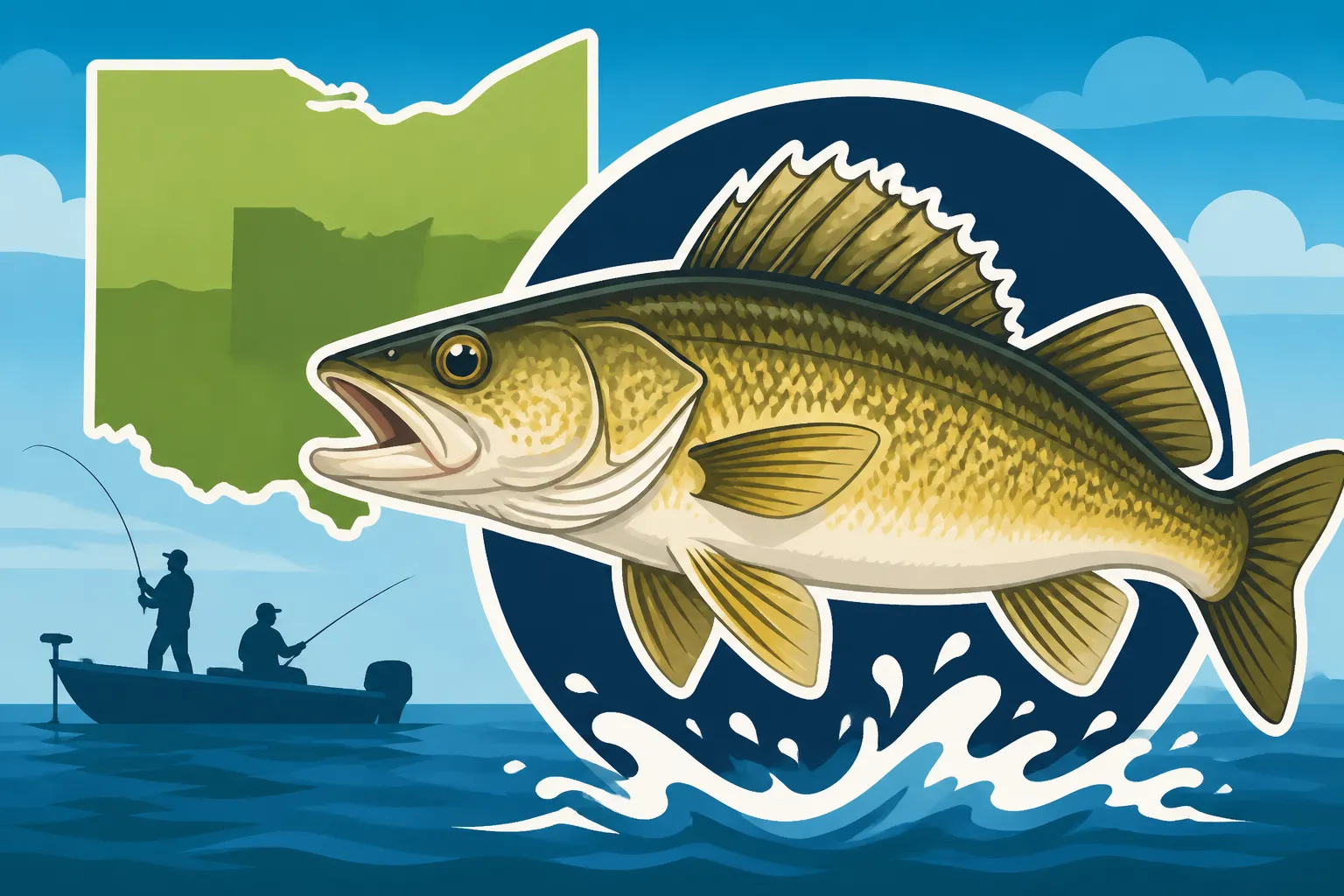
If you've ever dreamt of battling a hard-fighting walleye on the vast waters of Lake Erie, you're not alone. There's a certain magic to targeting this esteemed species, but often, anglers wonder, "What's the average size I can expect?" It's a fair question, as knowing what you're likely to encounter helps set expectations, informs your gear choices, and honestly, just gets the excitement going. This guide is here to pull back the curtain on the typical dimensions of Lake Erie walleye, giving you a realistic picture of what makes this fishery truly legendary.
Understanding the "Average" Walleye: It's Not a Single Number
When we talk about the "average size" of a Lake Erie walleye, it's not as simple as pointing to one single number on a ruler or scale. Lake Erie is an incredibly dynamic ecosystem, and the walleye population within it is vast and diverse. What might be considered average in the productive Western Basin could be a bit different from the Central or Eastern Basins, simply due to habitat, food availability, and even fishing pressure.
The Dynamic Range of Lake Erie Walleye
Think of "average" more as a range rather than a fixed point. An average keeper-sized walleye is usually what most anglers are hoping for – a fish that's substantial enough to make for a great meal and a fun fight. These fish are typically well past their first few years of life, having had time to grow and pack on some weight.
For many, a "good" walleye on Lake Erie starts around 18-20 inches, and anything above that is generally welcomed with enthusiasm. However, the sheer abundance of walleye means you'll also encounter plenty of younger, smaller fish that haven't quite reached that desirable plate size yet. These smaller fish are crucial to the future of the fishery, and their presence indicates a healthy, reproducing population. Ohio Walleye Fishing Guide delves deeper into the overall strategies for targeting these magnificent fish.
Why "Average" Varies by Year
The walleye population in Lake Erie experiences natural cycles, much like any other wild fishery. Some years see a booming hatch, leading to an abundance of smaller fish a few years down the line. Other years might have less successful hatches, meaning the average size of available fish could skew older and larger. This is a testament to the resilience and dynamic nature of Lake Erie itself.
Anglers often discuss year classes, referring to fish hatched in a particular year. A strong year class will move through the system, influencing the average size of fish caught for several years as they grow. This natural variability keeps things interesting and ensures that no two seasons are exactly alike. It's also why staying informed about the latest fishing reports is so valuable.
Factors Influencing Walleye Size in Lake Erie
Lake Erie truly is a walleye factory, producing more of these highly sought-after fish than any other body of water in the world. This incredible productivity isn't by accident; it's the result of a perfect storm of environmental factors that allow walleye to thrive and grow to impressive sizes.
Abundant Forage Base
The primary driver behind the robust size of Lake Erie walleye is the incredible abundance of their preferred food sources. Lake Erie, particularly its Western Basin, is rich in nutrient-dense waters that support massive populations of baitfish. The most critical of these are emerald shiners and gizzard shad, which provide a consistent, high-calorie diet for walleye.
Imagine a pantry that's always full – that's what Lake Erie is for walleye. With a never-ending supply of easy-to-catch prey, walleye expend less energy hunting and can dedicate more resources to growth. This rapid growth means that Lake Erie walleye often reach lengths and weights quicker than their counterparts in less fertile lakes. The quantity and quality of this forage directly correlate to how quickly walleye can bulk up and become those impressive fish we all dream of catching. What Walleye Eat in Ohio Lakes provides a detailed look at their diet.
Water Temperature and Oxygen Levels
Walleye are cold-water fish, and Lake Erie provides ideal thermal conditions for them, especially during the crucial spring and fall months. The lake's relatively shallow Western Basin warms up quickly in spring, accelerating the walleye's metabolism and encouraging aggressive feeding after the long winter. As summer progresses, walleye can move into the deeper, cooler waters of the Central and Eastern Basins, finding comfortable temperatures and well-oxygenated environments.
The combination of warm surface waters for feeding and cooler depths for refuge helps optimize their growth throughout the year. Poor oxygen levels (hypoxia) in the central basin's deeper waters during late summer can sometimes concentrate fish in specific areas, but generally, the lake's vastness and depth variations offer plenty of suitable habitat.
Genetics and Spawning Success
The genetics of Lake Erie walleye also play a role in their impressive size. The strain of walleye found here is well-adapted to the lake's unique conditions, possessing genetic traits that favor fast growth and high reproductive rates. Furthermore, the lake provides vast areas of suitable spawning habitat, particularly rocky shoals and river mouths in the Western Basin.
Successful spawning events, often driven by optimal water temperatures and flows in tributary rivers like the Maumee, ensure a continuous supply of new fish entering the system. Strong year classes contribute significantly to the overall average size and abundance of fish available to anglers. It's a testament to the lake's health and the management efforts that protect these vital spawning grounds. Walleye Spawning Behavior in Ohio offers more insight into this critical part of their life cycle.
Fishing Pressure and Management Practices
While Lake Erie is incredibly productive, fishing pressure is also a significant factor. With so many anglers targeting walleye, constant monitoring and adaptive management practices by the Ohio Department of Natural Resources (ODNR) are crucial. Bag and size limits are carefully established to ensure that enough fish survive to reproduce and that the population remains healthy and sustainable.
These regulations aim to strike a balance: allowing anglers to enjoy a productive fishery while protecting the long-term health of the walleye population. Without these measures, overfishing could lead to a decline in average size and overall numbers. Therefore, responsible angling, including adhering to all Ohio Statewide Bag and Size Limits, contributes directly to the impressive average size of Lake Erie walleye we enjoy today.
Typical Size Ranges Across Lake Erie's Basins
Lake Erie is often divided into three distinct basins: the Western, Central, and Eastern. While they are all part of the same lake, they possess different characteristics that can influence the average size of walleye found within them. Understanding these nuances can help you anticipate what to expect on your next fishing trip.
Western Basin: The Walleye Nursery
The Western Basin, often hailed as the "Walleye Capital of the World," is the shallowest and warmest part of Lake Erie. Its fertile waters and abundant food supply make it an ideal spawning ground and nursery for walleye. Consequently, this basin often sees the highest concentration of walleye, especially during the spring and early summer.
Anglers here typically encounter a mix of fish. While trophy walleye are certainly present, the sheer number of younger, rapidly growing fish means the average size might lean slightly smaller compared to what you might find further east later in the season. You'll catch a lot of fish in the 15-22 inch range here, with plenty of opportunities for fish over 25 inches. Many anglers appreciate the consistent action the Western Basin provides. Ohio's Western Basin of Lake Erie explains more about this productive region.
Central Basin: The Transition Zone
Moving eastward, the Central Basin deepens considerably, offering cooler temperatures and different habitat structures. Walleye from the Western Basin often migrate into the Central Basin as the summer progresses, seeking out cooler water and continuing to feed on the abundant forage available.
In the Central Basin, the average size can sometimes tick up slightly. While you'll still find fish in the 18-24 inch range, it's not uncommon to consistently pull in walleye in the 25-28 inch bracket. These are often older, more mature fish that have spent more time growing. The sheer volume might not always match the Western Basin, but the potential for larger individual fish often increases as you move into these deeper, cooler waters. Ohio's Central Basin of Lake Erie dives into more detail about this area.
Eastern Basin: Deeper Water, Bigger Fish Potential
The Eastern Basin is the deepest and coldest part of Lake Erie, bordering New York. While Ohio anglers typically focus on the Western and Central Basins, the Eastern Basin is known for holding some truly massive, older walleye. These fish have often had years to mature in the nutrient-rich environment.
Catching walleye in the Eastern Basin requires different tactics and can be more challenging due to the vast depths. However, the reward can be substantial, with the average size often skewing towards the larger end of the spectrum, with many fish exceeding 28 inches and often pushing the 30-inch mark. While not as heavily fished by Ohio anglers specifically for walleye as the other two basins, it represents the upper size potential for Lake Erie's truly monster walleye.
Comparing Average Walleye Lengths by Basin (General Expectation)
It's important to remember these are general observations. A large walleye can be caught anywhere in the lake on any given day!
| Basin | Typical Length Range (inches) | Comments |
|---|---|---|
| Western Basin | 15-22 (with many larger) | High volume, younger fish, fast growth. |
| Central Basin | 18-28 | Good numbers, often larger average size as fish migrate eastward. |
| Eastern Basin | 20-30+ | Fewer numbers from Ohio's perspective, but potential for true giants. |
When you're packing your gear, having a good, clear measuring board or even a flexible measuring tape (readily available on Amazon, often with fish care features) is a great idea to ensure you're accurately gauging your catches and staying within regulations.
Beyond the Average: Hunting for Trophy Walleye
While the average Lake Erie walleye is an impressive fish in its own right, many anglers dream of landing a true "trophy" — a fish that stands out not just for its fight, but for its sheer size. Lake Erie consistently produces some of the biggest walleye in the world, making it a prime destination for those chasing a personal best.
Defining a "Trophy" Walleye
What constitutes a trophy walleye can be subjective, but generally, anglers on Lake Erie consider a walleye over 28 inches a significant achievement. Fish that break the 30-inch mark are truly exceptional, often pushing weights of 10 pounds or more. These aren't just big fish; they're often older, smarter, and require a combination of skill, patience, and a bit of luck to bring to the net.
These larger fish have survived multiple seasons, evading predators and countless hooks. They represent the pinnacle of the Lake Erie walleye fishery and are what make the lake truly famous. When you're out there on the water, you're not just fishing for dinner; you're hunting for a legend. How Big Walleye Get on Lake Erie can give you even more perspective.
Best Times and Tactics for Larger Fish
Targeting trophy walleye often means adjusting your approach. While general walleye techniques work, finding the biggest fish sometimes requires specific strategies.
- Seasonality: While big walleye can be caught year-round, late spring into early summer, and then again in the fall, are often prime times. In spring, large females are still recuperating from the spawn and feeding aggressively. In the fall, they are packing on weight for the winter, often shallower than you'd expect. Best Time of Year to Fish Lake Erie for Walleye explains these seasonal patterns.
- Location, Location, Location: Trophy walleye often prefer deeper, cooler water during the summer months, or will be found near substantial structure like reefs, wrecks, or pronounced depth changes. They might not be in the same schools as the smaller, more abundant fish. Studying lake maps and using your electronics to find isolated structure or significant bait concentrations away from the main fleet can pay off.
- Bait and Lure Selection: Sometimes, bigger baits attract bigger fish. Large crankbaits, spoons, or even bigger crawler harnesses can entice a monster walleye that might ignore smaller offerings. Experimentation is key, and don't be afraid to try something a little different than the rest of the boats. Make sure your tackle box is well-stocked with a variety, perhaps picked up from Amazon, to ensure you have options.
- Patience and Persistence: Trophy walleye don't come easy. It often means long hours on the water, sometimes without a single bite from a truly big fish. But that moment when your rod doubles over, and you feel that heavy, determined pull, makes all the waiting worthwhile.
The Thrill of the Hunt
The hunt for a trophy walleye isn't just about the fish itself; it's about the entire experience. It's the meticulous planning, the early mornings, the camaraderie with fishing buddies, and the quiet contemplation on the water. When that massive walleye finally hits the net, it's a culmination of effort and dreams, creating a memory that lasts a lifetime.
And whether you're targeting average keepers for a delicious fish fry or chasing that once-in-a-lifetime monster, Lake Erie delivers. Just remember to handle these big fish with care, especially if you plan to release them. Their continued presence is what makes Lake Erie the incredible fishery it is.
Disclaimer
This article is for general informational purposes only and does not constitute professional advice. Laws, prices and regulations vary by location and change over time. Consult a qualified professional for guidance on your specific situation.