Ohio Inland Trout Stocking Schedule
There's nothing quite like the excitement of a fresh trout stocking in Ohio. Many of us grew up with the thrill of chasing these vibrant fish, but sometimes it feels like a secret club to know when and where they're being released. It can be frustrating to plan a fishing trip only to find out you missed the boat – or rather, the stocking truck! This comprehensive guide is here to demystify the Ohio inland trout stocking schedule, helping you pinpoint the best times and locations to enjoy this fantastic angling opportunity.
Understanding Ohio's Trout Stocking Program
Ohio isn't exactly famous for its naturally reproducing trout streams, especially in its inland waters. That's why the Ohio Department of Natural Resources (ODNR) steps in with a robust stocking program to provide anglers with opportunities they wouldn't otherwise have. It's a fantastic initiative that benefits families, seasoned anglers, and newcomers alike.
Why Ohio Stocks Trout and Where They Come From
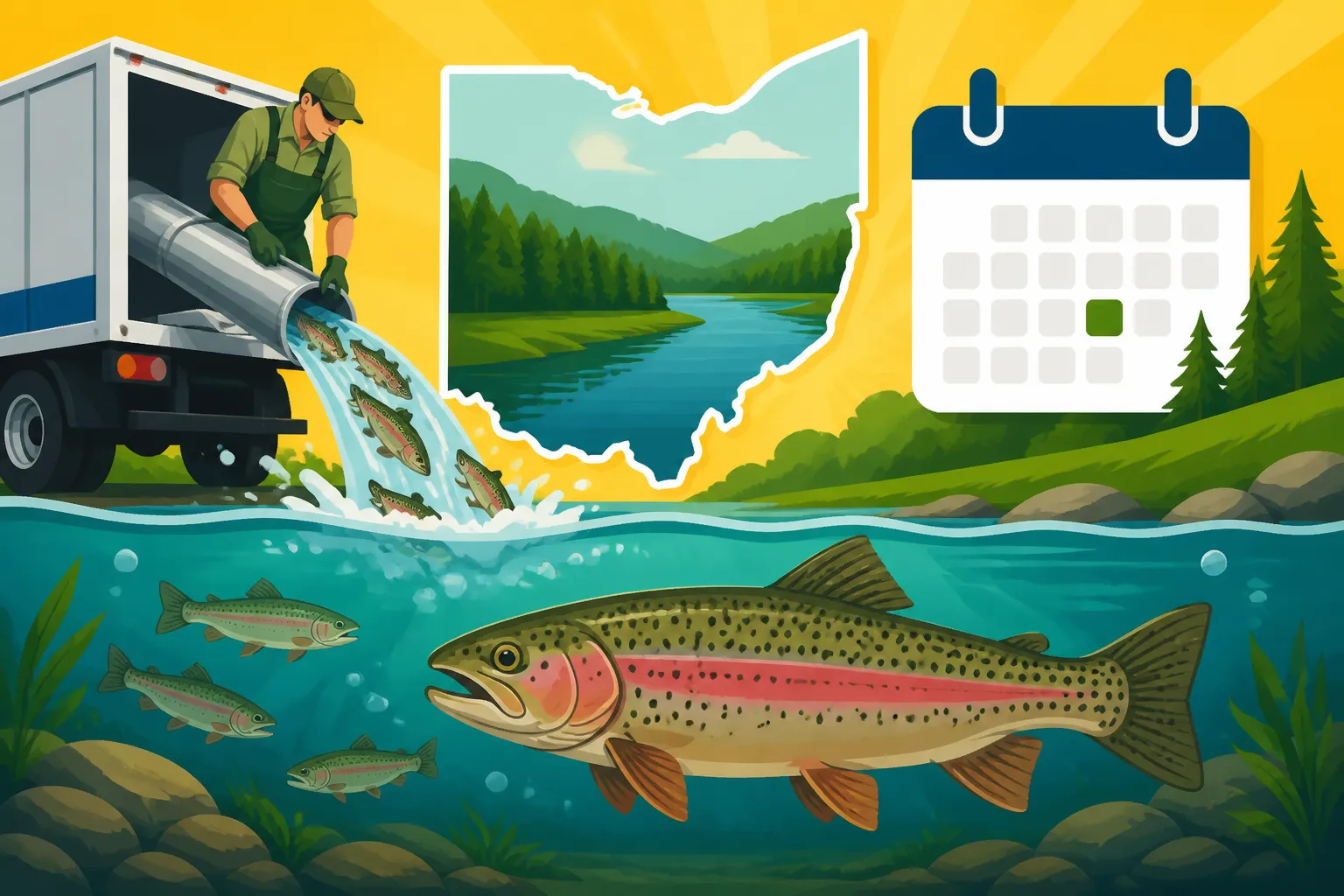
The primary reason for Ohio's inland trout stocking program is to create what's often called a "put-and-take" fishery. Simply put, these trout are stocked for anglers to catch and keep, as most Ohio inland waters don't have the consistent cold, oxygen-rich conditions necessary for trout to survive year-round and reproduce naturally. The vast majority of the trout you'll be chasing are Rainbow Trout, known for their beautiful colors and spirited fights.
These fish don't just magically appear; they're raised with care at the ODNR's state fish hatcheries. The London Fish Hatchery and the Castalia Fish Hatchery are two of the key facilities responsible for rearing millions of fish each year, including the trout destined for your local ponds and lakes. These hatcheries ensure a healthy, vibrant population of fish is ready to be released, giving you the best chance for a successful day on the water. It’s quite an operation, and knowing the effort involved makes you appreciate each catch even more.
The Purpose of Stocking for Anglers
For many, trout stocking events are a highly anticipated part of the fishing calendar. The purpose extends beyond just providing fish to catch; it's about fostering a love for angling, encouraging outdoor recreation, and creating accessible opportunities for everyone. For families, especially those with young kids, stocked trout ponds offer a fantastic entry point into fishing. The chances of catching a fish are significantly higher right after a stocking, which builds confidence and excitement.
Beyond the novice angler, stocking also provides a diverse cold-water fishing option in areas where native populations aren't feasible. It means you can often find decent fishing even during cooler months when other species might be less active. The ODNR's efforts ensure that whether you're looking for a quick afternoon outing or a full day of fun, there's likely a stocked trout location within a reasonable drive. This program is a cornerstone of Ohio's angling experience, bringing a little bit of mountain stream magic to our Midwestern lakes and ponds.
Deciphering the Annual Stocking Schedule
Knowing when the fish are going into the water is half the battle. The ODNR does a great job of publishing their schedules, but you have to know where to look and what to expect. It's not always the same exact day year after year, as many factors can influence the timing.
Seasonal Stocking Patterns
Ohio's trout stocking generally follows distinct seasonal patterns, though the bulk of the activity happens in the cooler months.
- Spring Stocking: This is the big one, the main event most anglers eagerly anticipate. Starting in late winter or early spring, typically from March through May, the ODNR ramps up its stocking efforts. This timing capitalizes on the cooler water temperatures that trout prefer, and it coincides perfectly with renewed angler interest as the weather warms. You'll find the highest number of locations receiving trout during this period, with some spots getting multiple stockings throughout the spring. It’s like a mini-festival at many parks, with anglers lining the banks, rods at the ready. This burst of activity is detailed in the broader Ohio Fishing Season Calendar, offering prime opportunities.
- Fall Stocking: While less extensive than the spring effort, fall stocking provides a fantastic opportunity for anglers to extend their trout season. Usually occurring from September through November, these stockings again leverage cooler water temperatures, which improve trout survival and activity. Fall stockings can be particularly enjoyable because the weather is often crisp and pleasant, and there's less competition at many locations compared to the spring rush. These fish can be quite aggressive as they acclimate to their new homes, offering some excellent action.
- Winter Stocking/Ice Fishing: In some select lakes and quarries, if ice conditions permit, a late-season stocking might occur, often targeting those hardy ice anglers. This isn't as widespread as spring or fall stocking but provides a unique opportunity. When the ice is thick enough, hitting a recently stocked lake can lead to some fast-paced action through the ice. Always check local conditions and the ODNR schedule closely for these specific opportunities and prioritize safety when Ohio Ice Fishing Guide.
How to Access the Official Schedule
The good news is you don't need a secret handshake to get the stocking schedule. The ODNR is very transparent about their plans.
The most reliable place to find the official Ohio inland trout stocking schedule is directly on the Ohio Department of Natural Resources (ODNR) Division of Wildlife website. They usually publish a detailed list outlining the specific lakes, the dates (or week ranges), and the number of trout being released. It's often broken down by county or region, making it easy to find locations near you.
Beyond the main website, staying informed is key. The ODNR often releases press statements and updates their social media channels (Facebook, X, formerly Twitter) as stocking events occur or are planned. You can also sign up for email newsletters or alerts from the ODNR Division of Wildlife, which will send notifications directly to your inbox. This is a game-changer, especially for those who don't want to constantly check the website. Imagine getting an email alert the day before trout are dropped into your favorite local pond – it’s like having a personal assistant for your fishing trips! Keeping an eye on the official Ohio Inland Trout Stocking Months will give you a general idea, but the exact schedule is crucial for planning.
Key Factors Influencing Stocking Decisions
It might seem like a simple process – just dump some fish in the lake, right? But there’s a lot of science and strategy that goes into the ODNR’s stocking decisions. These aren't arbitrary choices; they're based on environmental conditions and careful planning to ensure the best possible outcome for the trout and the anglers.
Water Temperature and Oxygen Levels
Trout are cold-water fish, and their survival is highly dependent on specific environmental conditions. This is arguably the most critical factor influencing when and where they can be stocked.
- Temperature Sensitivity: Rainbow Trout thrive in water temperatures generally below 70°F (21°C). Once water temperatures climb consistently above this threshold, trout become stressed, making them more susceptible to disease and significantly impacting their survival rates. This is why you rarely see stockings in the peak of summer in many Ohio lakes. The ODNR meticulously monitors water temperatures in potential stocking locations. A late spring with prolonged cold weather might mean earlier stocking dates, while an unseasonably warm spell could push them back. This careful monitoring ensures that the trout have the best chance of survival and activity post-release. It also explains why in many lakes, the question "Do Ohio Trout Survive the Summer in Stocked Lakes?" often gets a "no."
- Oxygen Requirements: Beyond just temperature, trout also need high levels of dissolved oxygen in the water. Warmer water holds less oxygen than colder water, which further limits where trout can survive. Lakes and ponds with good circulation, fresh inflows, or natural springs tend to be better candidates for stocking because they can maintain adequate oxygen levels, even if temperatures fluctuate slightly. Stagnant, shallow ponds, especially during warmer months, are usually avoided for trout stocking due to low oxygen concerns.
Public Access and Management Goals
The ODNR isn't just stocking fish; they're managing a recreational resource. This means considering how anglers will access these fish and what benefits the program will bring to the broader community.
- Ease of Access for Anglers: A key consideration for stocking locations is public accessibility. The ODNR prioritizes lakes, ponds, and quarries that offer easy shore access, ample parking, and often amenities like restrooms or picnic areas. Many stocked locations are within state parks, metropolitan parks, or city-managed ponds, making them convenient for families and anglers of all ages. The goal is to make trout fishing as user-friendly as possible, ensuring that everyone has a chance to participate. Sometimes, you'll find great success fishing Ohio's Best Shore Fishing Spots for trout.
- Maximizing Angler Success and Participation: The ODNR's management goals include spreading fishing pressure across the state and providing high-quality angling experiences. By stocking multiple locations, they aim to prevent overcrowding at any single spot and offer diverse options. They also consider the size of the trout stocked. The Size of Rainbow Trout Stocked in Ohio Lakes often varies, but they're typically catchable size, from 10-13 inches, sometimes larger, to ensure an immediate reward for anglers. This strategy drives participation and ensures that the program meets its "put-and-take" objective.
- Special Events and Initiatives: Sometimes, stocking events are timed to coincide with community fishing derbies, youth fishing programs, or Ohio's free fishing days. These events are fantastic for introducing new anglers to the sport and fostering a sense of community. The ODNR uses these opportunities to educate the public on fishing regulations, conservation, and ethical angling practices. It’s all part of a larger picture to keep Ohio’s fishing heritage strong and vibrant.
Popular Stocked Trout Locations in Ohio
While the exact list changes annually, certain locations are perennial favorites and reliably appear on the ODNR's stocking schedule. These spots are chosen for their suitability for trout and their accessibility to anglers.
Northern Ohio Trout Hotspots
Northern Ohio, with its proximity to Lake Erie and varied topography, offers several popular trout stocking locations that draw anglers from all over the region.
- Rowland Nature Preserve, Columbus: While technically Central Ohio, this spot often behaves like a Northern Ohio location in terms of stocking interest. It’s a popular urban pond known for its accessibility and consistent stockings, making it a go-to for many Columbus-area anglers.
- Veterans Memorial Park Pond, Springfield: Another excellent park pond that receives regular trout stockings. These smaller, managed ponds are ideal for family outings and offer great opportunities for shore fishing.
- White Star Quarry, Gibsonburg: This former limestone quarry offers deep, cold water, making it an excellent habitat for trout. It's a favorite among divers and anglers alike, and the trout here tend to stick around longer than in shallower ponds due to the stable, cool conditions.
- Metroparks of the Toledo Area: Several ponds within the Toledo Metroparks system, such as Pearson Metropark or Olander Park, often receive trout stockings. These are fantastic resources for urban anglers, providing convenient and enjoyable fishing opportunities close to home. Always check the specific park rules, as some may have their own regulations in addition to state rules.
Central and Southern Ohio Trout Destinations
Further south, while large, natural cold-water streams are scarce, the ODNR still provides excellent trout fishing through its stocking program in various reservoirs and park ponds.
- Antrim Lake, Columbus: A very popular spot right in the heart of Columbus, Antrim Lake is regularly stocked with trout, especially in the spring. Its easy access and urban location make it a favorite for many. It's common to see anglers trying their luck here, often right after a fresh stocking, using tried-and-true methods.
- Caesar Creek State Park, Waynesville: Located in southwest Ohio, Caesar Creek Lake is a much larger reservoir, but some of its deeper areas or associated ponds might receive trout. Always consult the specific schedule for Caesar Creek, as it’s a diverse fishery.
- Dillon Lake, Zanesville: This large reservoir in eastern-central Ohio often gets its share of trout. While the main lake offers various species, specific accessible areas are targeted for trout stockings, providing good action.
- Rush Creek Lake, Fairfield County: A smaller, more intimate lake, Rush Creek is a reliable stocking location, offering a tranquil setting for trout fishing. It’s another great spot for those looking for a quieter experience.
- Hocking Hills State Park: While known for its stunning scenery, some of the smaller ponds or stream sections around the Hocking Hills area occasionally receive trout stockings, particularly for special events or early spring opportunities. Always check the most current ODNR stocking schedule for precise locations and dates.
This table provides a snapshot of some common stocking locations and their general timing, but always refer to the official ODNR schedule for the most up-to-date information.
| Location Example | General Region | Primary Stocking Season | Approximate Number of Trout | Notes |
|---|---|---|---|---|
| Antrim Lake | Central Ohio | Spring, Fall | 2,000 – 5,000 | Popular urban lake, easy access |
| White Star Quarry | Northern Ohio | Spring, Fall | 1,000 – 3,000 | Deep, cold water, good for sustained fishing |
| Veterans Memorial Park Pond | Central Ohio | Spring | 500 – 1,500 | Family-friendly, often hosts youth events |
| Dillon Lake | Eastern-Central Ohio | Spring, Fall | 2,000 – 4,000 | Larger reservoir, specific accessible areas targeted |
| Rowland Nature Preserve Pond | Central Ohio | Spring | 500 – 1,000 | Convenient park pond, good for quick trips |
| Rush Creek Lake | Southern Ohio | Spring | 1,000 – 2,000 | Smaller, peaceful lake setting |
Remember, the ODNR aims to stock roughly 80,000 Rainbow Trout each spring across 50-60 different locations, so there's usually a spot near you!
Maximizing Your Trout Fishing Success Post-Stocking
Catching recently stocked trout can be incredibly fun, but there's still a knack to it. These fish are often eager to bite, but knowing what they prefer and how they behave can significantly increase your chances of success. It’s not just about being there; it’s about being prepared.
Best Baits and Lures for Stocked Trout
When it comes to stocked trout, you don't always need fancy, expensive gear. These fish are hatchery-raised and often respond well to baits they recognize or readily available, colorful presentations.
- PowerBait and Similar Dough Baits: This is almost a universal go-to for stocked trout. Brands like Berkley PowerBait come in various colors (chartreuse, rainbow, pink, white are popular) and scents. It's buoyant, so when rigged with a small hook and an egg sinker, it floats off the bottom, presenting a tempting target. Many anglers swear by a specific color, but having a few options on hand is always a good idea. You can find a huge variety of these on Amazon.
- Natural Baits: Don't underestimate the power of natural offerings. A simple nightcrawler, a piece of canned corn (yes, corn!), or even small salmon eggs can be incredibly effective. These are familiar food items, or at least visually appealing, and the trout often can't resist. Fishing these under a small bobber or on the bottom with minimal weight works wonders.
- Small Spinners and Spoons: For those who prefer artificial lures, small inline spinners like Mepps Aglia or Roostertail spinners, or tiny spoons like Thomas Buoyant, are excellent choices. Sizes from 1/16 to 1/8 ounce are usually perfect. The flash and vibration mimic small baitfish or insects, triggering a predatory response. Cast these out and retrieve them steadily, varying your speed until you find what the fish prefer. The internal link Best Bait for Stocked Rainbow Trout in Ohio offers even more specific advice.
- Small Jigs and Flies: If you're a fly angler or enjoy ultralight spinning, small jigs tipped with a grub or a tiny streamer fly can be deadly. Sizes from 1/32 to 1/8 ounce are ideal. Work these slowly, imparting subtle twitches, especially if the trout are a bit finicky. These can also be great options for targeting trout that have been in the water a bit longer and are becoming more wary.
Techniques for Targeting Recently Stocked Trout
Once you've got your bait, how do you present it to maximize your catch rate? Recently stocked trout often behave differently than wild trout, making specific techniques particularly effective.
- Bottom Fishing with a Slip Sinker: This is perhaps the most common and effective method. Use a light to medium-light spinning rod, a small hook (size 8-12 is good), a few split shot or a small egg sinker, and a leader. PowerBait, corn, or worms fished directly on the bottom or just off it with a floating bait are excellent. Since trout are often concentrated right after stocking, covering the bottom thoroughly is a great approach.
- Fishing Under a Slip Bobber: For suspended trout or when you want to keep your bait at a specific depth, a slip bobber setup is perfect. It allows you to cast a good distance and then have your bait descend to a predetermined depth. This is especially useful if you notice fish indicators or other anglers catching fish at a consistent depth. Small minnows, worms, or even PowerBait can be fished effectively this way.
- Targeting Congregation Points: After being released from the stocking truck, trout often stay somewhat congregated, especially near the release point or in the deeper, cooler parts of the lake. Look for areas with slightly deeper water, submerged structure, or any current where food might be funneled. Observing where other anglers are having success is also a great indicator. However, remember to maintain respectful distances and give everyone space.
- Experiment with Retrieval Speeds: When using spinners or spoons, don't be afraid to experiment. Sometimes a fast retrieve triggers a chase, while other times a slower, more deliberate retrieve is what they want. If you're not getting bites, change your lure, change your depth, or change your retrieve. Consistency eventually pays off, and sometimes that key item you're looking for to adjust your setup might be found with a quick search on Amazon.
Regulations and Etiquette for Stocked Trout Fisheries
Having fun catching fish is great, but it's equally important to understand and respect the rules and fellow anglers. Ohio's fishing regulations are in place to ensure sustainable angling opportunities for everyone, and adhering to them is part of being a responsible angler.
Understanding Bag and Size Limits
It's tempting to keep every trout you catch, especially when the bite is hot after a stocking, but limits are in place for a reason.
- Statewide Daily Limits: For Rainbow Trout (and Brown Trout, which are occasionally stocked but less common), the statewide daily bag limit in Ohio is usually five fish per angler. This means you can keep up to five trout in a single day. However, it’s critical to always double-check the current regulations, as these can change. There typically isn't a minimum size limit for stocked Rainbow Trout in Ohio, meaning any legal catch can be kept, but again, always verify. You can find all the specifics in the Ohio Inland Trout Daily Limit article and the comprehensive Ohio Fishing Regulations Every Angler Should Know guide.
- Special Regulations for Specific Lakes: While the general statewide limits apply to most stocked waters, some specific lakes or ponds might have unique regulations. For example, some urban park ponds might have reduced daily limits or different rules regarding bait or fishing hours. Always look for signage at the stocking location or consult the ODNR fishing regulations booklet (available online and at license vendors) for any site-specific rules before you cast your line. Ignorance of the law is never an excuse, and a quick check can save you a fine.
- The Importance of a Fishing License: Remember, unless you fall under one of the specific exemptions (like being under 16 years old, or during a Free Fishing Day), you must have a valid Ohio fishing license to fish for trout, even in stocked ponds. This applies to both residents and nonresidents. The revenue generated from license sales directly funds programs like trout stocking and fishery management, so it's a vital contribution to keeping our waters productive. You can learn more about this in our Ohio Fishing License Guide for Residents and Nonresidents and even discover options for Buying an Ohio Fishing License Online.
Practicing Responsible Angling
Beyond just following the rules, good etiquette and responsible practices ensure everyone can enjoy the fishing experience and help preserve the resource.
- Catch and Release vs. Keeping Fish: For stocked trout, the program is generally designed for "put-and-take," meaning you are encouraged to keep what you catch within your legal limit. However, if you choose to practice catch and release, handle the fish carefully with wet hands, minimize their time out of water, and use barbless hooks to reduce harm. This helps ensure released fish have the best chance of survival, though many stocked trout don't survive long-term in Ohio's warmer waters anyway.
- Respecting Other Anglers and the Environment: Stocking days can be crowded. Be mindful of casting space, avoid loud noises, and keep your fishing area tidy. Pack out everything you pack in, including discarded fishing line, bait containers, and any other trash. Leaving a clean area is not just polite; it's essential for the health of the aquatic environment and ensures the spot remains enjoyable for future generations.
- Gear and Tackle Considerations: While not a strict regulation, using appropriate gear for trout fishing is part of responsible angling. Light action rods (5-6 feet), reels spooled with 4-6 pound test line, and small hooks are generally recommended. This setup provides the best fight from the trout while minimizing harm if you intend to release them. Ensure you have a small cooler with ice if you plan to keep your catch to maintain freshness. You can find plenty of suitable rods, reels, and tackle boxes on Amazon to get started.
Following these guidelines ensures that Ohio's trout stocking program remains a cherished tradition for all anglers, allowing us to enjoy the thrill of the catch year after year.
Disclaimer
Please remember that fishing regulations and stocking schedules are subject to change. Always consult the most current Ohio Department of Natural Resources (ODNR) Division of Wildlife regulations and stocking schedule before planning your trip. This guide is for informational purposes only and should not be considered a substitute for official resources.