Best Bait for Stocked Rainbow Trout in Ohio
It’s a scenario many of us have faced: you head out to your favorite Ohio lake or stream, knowing the Division of Wildlife has recently stocked it with eager rainbow trout. You’re excited, picturing those beautiful, hard-fighting fish on your line. Yet, sometimes, despite the fresh stock, those trout can be surprisingly finicky, leaving you wondering if you're using the right stuff. Don't worry, you're not alone in that frustration. This guide is here to unravel the mystery of what truly entices stocked rainbow trout in Ohio waters, from the moment they hit the water to weeks later when they've grown a bit wiser.
Understanding Stocked Rainbow Trout Behavior
When you're trying to figure out the best bait, it's crucial to first understand who you're fishing for. Stocked rainbow trout aren't quite the same as their wild, stream-born cousins. Their upbringing profoundly influences their initial feeding habits and, consequently, what they'll readily bite once they're released into Ohio's public waters.
Fresh from the Hatchery Diet
Imagine spending your whole life in a controlled environment, eating the same nutritious pellets every single day. That's the reality for most rainbow trout raised in hatcheries across Ohio, like those from the London Fish Hatchery or Castalia State Fish Hatchery. These pellets are their primary food source, providing all the necessary nutrients for rapid growth. When these fish are gently released into a lake or stream, they aren't instinctively hunting insects or chasing minnows. Their ingrained response is to look for something that resembles or tastes like those familiar pellets. This "hatchery memory" is a golden nugget of information for us anglers. It means that baits that are brightly colored, have a distinct scent, and a soft, pliable texture often perform exceptionally well right after stocking. They recognize these characteristics, even if subconsciously, as a food source.
Acclimation and Natural Instincts Developing
Now, while those initial few days or even weeks might see them readily taking pellet-like baits, stocked trout aren't entirely devoid of natural instincts. Given time, they start to acclimate to their new environment. The scent of natural forage, the sight of insects drifting on the current, or the flash of a small minnow will begin to awaken their predatory nature. This is when they become a bit more wary, a bit more discerning. They'll still be opportunistic, but they'll start responding to different stimuli. Factors like water temperature, light conditions, and the presence of natural food sources in their new home all play a role in this transition. If you're fishing for "holdover" trout – those that have been in the water for a while – you'll often need to switch up your strategy from the basic pellet imitations to something that triggers their more developed hunting instincts. Understanding this shift is key to consistent success throughout the Ohio Fishing Season Calendar.
Top Baits for Newly Stocked Rainbow Trout
When those fresh trout hit the water, they're often disoriented but still hungry. Your best bet is to appeal directly to their hatchery roots. These baits are all about scent, color, and a familiar texture.
PowerBait and Similar Dough Baits
Without a doubt, PowerBait (and similar trout dough baits from brands like Pautzke Bait Co. or Magic Bait) is the undisputed champion for newly stocked rainbow trout. Why? Because it's designed specifically to mimic the scent, flavor, and even the appearance of fish pellets. These baits come in an incredible array of vibrant colors – chartreuse, rainbow, orange, pink, and even glitter-infused options. The bright colors are highly visible in the water, attracting the trout's attention, while the strong scent trail draws them in for a bite. Most PowerBait formulas are buoyant, which is a huge advantage. By using a small treble hook and a sinker a foot or two above it, you can float the PowerBait off the bottom, putting it right at eye level for cruising trout. This presentation is often far more effective than just having your bait lay flat on the lakebed. For an angler looking to stock up on a variety of colors and scents, you can find a huge selection on Amazon to experiment with. Knowing how to rig them correctly is a core component of Best Ohio Fishing Techniques for Beginners.
Corn, Marshmallows, and Other "Table Scraps"
While perhaps not as sophisticated as specialized trout dough, common household items like whole kernel corn and small marshmallows can be surprisingly effective, especially for very recent stockings. These baits are cheap, readily available, and carry a certain novelty that stocked trout, unaccustomed to natural forage, sometimes find irresistible. A few kernels of corn on a small hook provide a bright yellow flash and a natural sweetness that can draw curious trout. Marshmallows, similarly, offer buoyancy and a sugary scent. They are often fished in the same manner as PowerBait – off the bottom, floating a foot or two above a sinker. While these might not be your go-to for trophy trout, they can certainly fill a stringer on a high-pressure, recently stocked pond. Remember to use only a few pieces of corn or a small marshmallow to ensure a good hookset.
Small Worms and Live Baits
Even though they're fresh from the hatchery, nothing quite beats the natural appeal of live bait. Small worms are always a reliable choice for any species of trout, and rainbow trout are no exception.
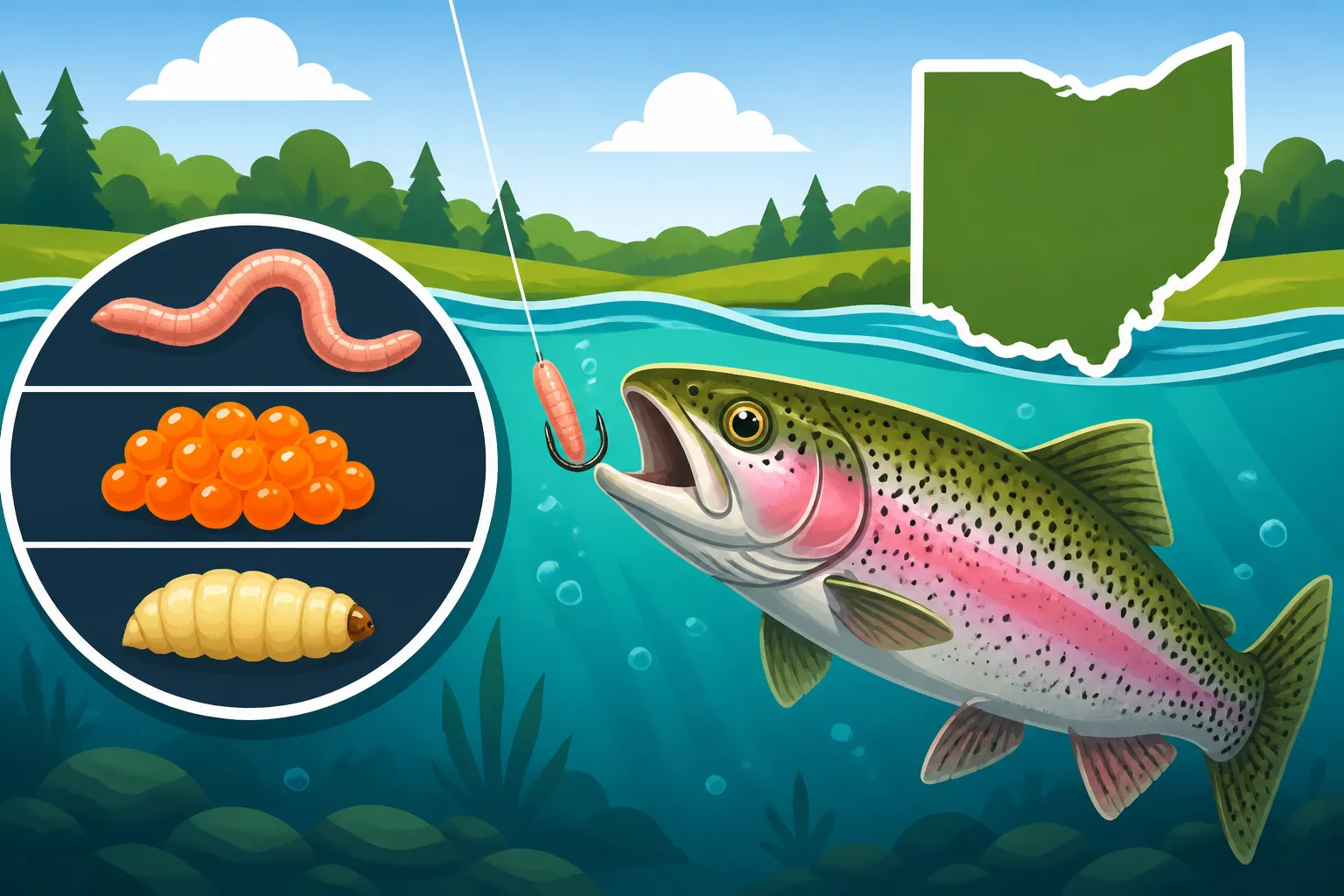
- Mealworms and Wax Worms: These small, squirmy grubs are fantastic for stocked trout. They're lively, have a natural scent, and are perfectly sized for a trout's mouth. You can fish them under a bobber, letting them drift naturally, or on a very light bottom rig. Many anglers purchase these in bulk from bait shops or even online from Amazon to ensure they always have a fresh supply.
- Small Pieces of Nightcrawler: While a whole nightcrawler might be too large for a newly stocked rainbow, a small, half-inch piece threaded onto a small hook can be incredibly enticing. The wriggling action and natural earth scent are hard for any fish to resist.
The key with live bait is to keep it fresh and present it naturally. A subtle drift or a slow retrieve often works best. The Size of Rainbow Trout Stocked in Ohio Lakes usually means they aren't looking for huge meals, making these smaller live offerings perfect.
Effective Baits for Acclimated or "Holdover" Trout
As the weeks pass after stocking, those rainbow trout start getting smarter. They've seen PowerBait, they've seen corn, and they're beginning to key into natural food sources. This is when you need to shift your tactics and offer something that triggers their more developed predatory instincts. This stage of fishing is often more rewarding, as the strikes can be more aggressive!
Spinners and Spoons
When trout start to chase, artificial lures become incredibly effective. Spinners and spoons are classic choices for a reason – they work.
- Spinners: Lures like the venerable Mepps Aglia, Panther Martin, or Rooster Tail are staples in any trout angler's tackle box. The spinning blade creates flash and vibration in the water, mimicking a fleeing baitfish or insect. For stocked trout, focus on smaller sizes, typically 1/16 oz to 1/8 oz. Colors like silver, gold, black, or those with bright accents (chartreuse, orange dots) are often the most productive. The trick is to cast them out and retrieve them at a steady pace, just fast enough to get the blade spinning. Varying your retrieve speed and adding a few twitches can often trigger a strike from a hesitant trout. You can find a huge variety of these effective lures for your Best Ohio Fishing Gear and Tackle Guide needs on Amazon.
- Spoons: Thin, wobbling metal lures such as the Little Cleo or Kastmaster are also fantastic. Their erratic, fluttering action as they fall or are retrieved can perfectly imitate a wounded baitfish. Again, smaller sizes are key. Silver, gold, or brass finishes are reliable, and spoons with painted designs (like a classic red and white or a silver with blue dots) can also be very effective. Try casting them out and retrieving with a stop-and-go motion, letting the spoon flutter on the pause.
Small Jigs and Soft Plastics
Jigs and soft plastics offer a subtle, yet highly effective, presentation for acclimated trout. They allow for slower retrieves and more nuanced movements, which can be crucial when trout are being finicky.
- Micro Jigs: Small marabou jigs, often 1/32 oz to 1/16 oz, are incredibly versatile. The soft, pulsating feathers mimic small aquatic insects or even tiny baitfish. Colors like white, olive, black, or brown are excellent choices. You can fish these under a tiny bobber, allowing them to drift naturally, or simply cast and retrieve with a slow, gentle jigging motion.
- Soft Plastics: Tiny soft plastic baits, such as Berkley PowerBait Trout Worms, Gulp! Alive! Minnows, or various micro-grubs, are another excellent option. These are infused with scent and have an incredibly lifelike action when rigged on a small jig head (1/32 oz to 1/16 oz). Experiment with colors; sometimes a natural green pumpkin or black works best, while other times a bright pink or white can be the ticket. These baits are fantastic for imitating aquatic larvae, small worms, or baitfish. They're often fished with a slow retrieve, allowing the tail to flutter, or by lightly twitching the rod tip to give them a lifelike darting action. For tips on specific conditions, consult a guide on Best Spring Fishing Techniques in Ohio.
Flies for Fly Fishing
For those who enjoy the art of fly fishing, stocked trout present a fantastic opportunity, especially as they grow more accustomed to their environment. You don't always need to "match the hatch" perfectly, as stocked trout are often quite opportunistic, but presenting a natural-looking fly can be incredibly effective.
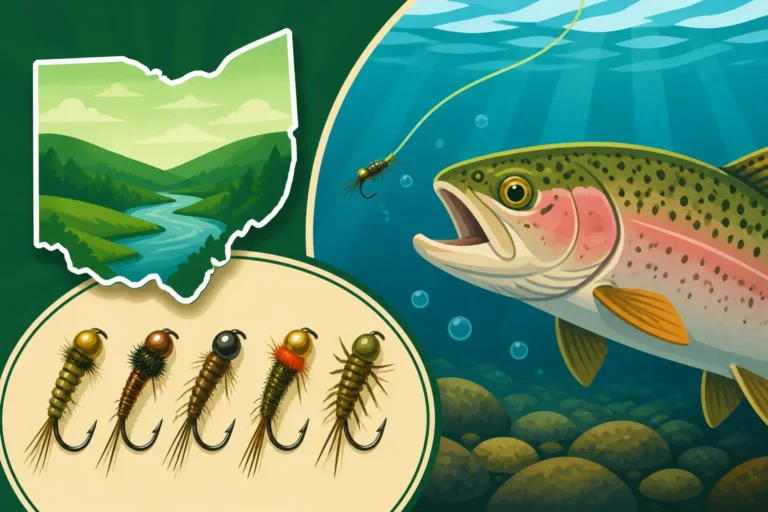
- Woolly Buggers: This is arguably the most versatile fly for stocked trout. Its buggy, baitfish-like profile and pulsating marabou tail make it irresistible. Black, olive, and brown are staple colors. Fish it with a slow strip, mimicking a swimming insect or minnow.
- Egg Patterns: Especially useful shortly after stocking, brightly colored egg patterns (e.g., orange, pink, chartreuse) are often mistaken for fish eggs, a protein-rich food source. Drift these under an indicator.
- Pheasant Tail Nymphs, Hare's Ear Nymphs: These classic nymph patterns imitate common aquatic insects. They are best fished dead-drifted under an indicator, allowing them to tumble naturally along the bottom or through the water column, much like real insects.
- Dry Flies (later in the season): As trout acclimate and natural insect hatches occur, even stocked trout will begin to rise to dry flies. Small Parachute Adams, Elk Hair Caddis, or Griffith's Gnats can be very effective, especially during evenings or overcast days when insects are active. Learning Ohio Inland Trout Stocking Months can help time your fly fishing trips.
Presentation is Key: Rigging and Technique
Choosing the right bait is only half the battle; how you present it to the trout can make all the difference. Even the most perfect bait won't get a bite if it's not where the fish are, or if it doesn't look natural.
Bottom Rigs and Float Rigs
The way you rig your bait directly impacts its presentation and effectiveness.
- Bottom Rigs (Carolina Rig/Sliding Sinker Rig): This is ideal for baits like PowerBait, corn, or small worms, especially when you want them to float off the bottom or remain stationary in a specific spot. To create this rig, slide an egg sinker (1/8 oz to 1/4 oz, depending on current and casting distance) onto your main line, followed by a small barrel swivel. Tie a 12-24 inch fluorocarbon leader (4-6 lb test) to the other end of the swivel, and then tie on a small hook (size 10-14, sometimes a small treble for PowerBait). The sinker holds the bait near the bottom, while the leader allows the bait to waft naturally in the current or float enticingly off the bottom. This setup is perfect for when you're bank fishing or fishing in a spot with little current.
- Float Rigs (Bobber Rigs): For live baits, small jigs, or even tiny soft plastics, a float rig (also known as a bobber rig) is often preferred. This setup keeps your bait suspended at a precise depth, which is crucial if trout are holding in a specific part of the water column. You can use traditional clip-on bobbers or, for a more subtle presentation and easier depth adjustment, a slip bobber. The idea is to set the bobber stopper so your bait is just above the weed line, a rocky bottom, or at the depth where you've seen trout cruising. The bobber not only suspends your bait but also acts as a visual strike indicator – when it dips or moves, it's time to set the hook! When fishing streams, a subtle drift with a float rig can be incredibly effective.
Casting and Retrieval Strategies
Once your bait is rigged, it’s all about getting it in front of the fish and making it look appealing.
- Fan Casting and Grid Search: Don't just cast to the same spot repeatedly. When you arrive at a new location, start by "fan casting." Make casts in a wide arc, covering as much water as possible. This helps you locate where the fish are holding. If you get a bite, focus more casts on that specific area. Remember, trout often school up, especially after being stocked. When you're fishing a wider area, knowing How Many Fishing Lines You Can Use in Ohio is also important to adhere to regulations.
- Varying Retrieval Speed and Action: If you're using artificial lures like spinners, spoons, or jigs, don't just reel in at one steady pace. Experiment! Try a slow, steady retrieve; then try a fast, erratic retrieve. Add pauses, twitches, or lift-and-drop actions. Sometimes, a trout will only strike during a specific moment of hesitation or burst of speed. Pay attention to what works on a given day.
- Targeting Structure and Cover: Stocked trout, like all fish, will gravitate towards structure and cover. Look for submerged logs, rock piles, drop-offs, weed edges, or even shadows cast by trees and bridges. These areas offer protection and ambush points for feeding. Casting your bait or lure near these features significantly increases your chances of a strike. For specific regulations regarding certain bodies of water, be sure to check the Ohio Fishing Regulations Every Angler Should Know.
- Stealth and Patience: Trout can be surprisingly spooky, especially in clear water. Approach your fishing spot quietly, avoid heavy footsteps on the bank, and wear natural-colored clothing if possible. Patience is also a virtue. If one technique isn't working, don't be afraid to change baits, rigs, or locations. Keep trying until you crack the code!
Here's a quick comparison of some popular baits for stocked rainbow trout:
| Bait Type | Pros | Cons | Ideal Rigging | Recommended For |
|---|---|---|---|---|
| PowerBait (Dough/Nuggets) | Strong scent, visible colors, buoyant, easy to use | Can be messy, not always natural looking | Floating bottom rig (treble hook) | Newly stocked, high-pressure areas |
| Mealworms/Wax Worms | Natural appeal, lively action, good scent | Can be fragile, harder to keep alive | Light bobber rig, small jig head | All trout, especially when finicky |
| Whole Kernel Corn | Inexpensive, readily available, bright color, sweet scent | Less durable on hook, unnatural texture | Floating bottom rig, small hook | Newly stocked, experimental |
| Spinners | Flash & vibration, covers water quickly, triggers strikes | Requires active retrieval, can snag | Directly tied, no additional weight | Acclimated trout, active feeding |
| Small Jigs (Marabou/Soft Plastic) | Subtle presentation, versatile, lifelike action | Requires finesse, can be light for casting long distances | Small jig head, light line | Acclimated trout, cautious fish, slower retrieves |
| Woolly Buggers (Fly) | Versatile, imitates many prey, effective | Requires fly fishing gear/skill | Fly line, slow strip | Acclimated trout, fly fishing enthusiasts |
When you're out there, remember that the Ohio Department of Natural Resources works hard to provide fantastic opportunities for anglers. Always be sure to check the specific Ohio Inland Trout Daily Limit for the waters you're fishing, as regulations can vary. By understanding the trout's behavior and being willing to adapt your bait and presentation, you'll greatly increase your chances of a successful and enjoyable day on the water.
Disclaimer
Fishing conditions and regulations in Ohio can change. Always consult the latest official Ohio Department of Natural Resources (ODNR) fishing regulations booklet or their website before heading out. This guide is for informational purposes only and should not replace official state guidelines.