When the New Ohio Fishing Regulation Year Starts
It’s a common frustration for Ohio anglers – you've been fishing for years, you know the ropes, but suddenly you hear whispers of new regulations, or you pick up a fresh license and realize the rulebook has changed. Keeping up with the ever-evolving world of Ohio fishing regulations can feel like a moving target, leaving many of us scratching our heads and wondering, "When does the new Ohio fishing regulation year actually start?" This guide is here to clear up that confusion and help you stay on the right side of the rules, ensuring your next fishing trip is both successful and legal.
Understanding Ohio's Fishing Regulation Cycle
Navigating fishing regulations can sometimes feel like trying to solve a puzzle, especially when it comes to understanding when the new rules kick in. It’s not always a hard and fast date like January 1st, and that can lead to a lot of confusion. But once you understand the rhythm the Ohio Department of Natural Resources (ODNR) follows, it becomes much easier to anticipate and prepare for changes. Staying informed is crucial, not just for compliance but for the health of our fisheries. If you're looking for a broad overview of all the rules, our comprehensive guide on Ohio Fishing Regulations Every Angler Should Know is a fantastic resource.
The Standard Effective Period for Regulations
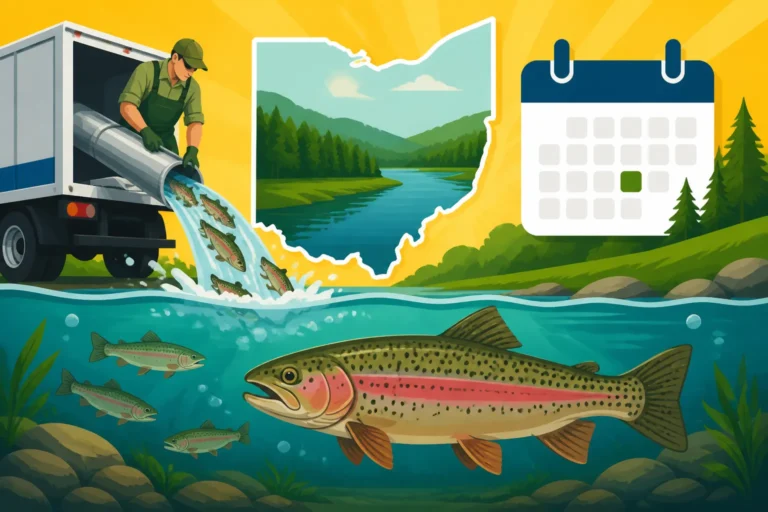
Generally, new Ohio fishing regulations become effective on March 1st of each year. These rules then remain in effect until the last day of February of the following year. So, for example, if we're talking about the 2024-2025 fishing season, the regulations typically came into play on March 1, 2024, and will be valid through February 28, 2025. This annual cycle is designed to align with the biological rhythms of many fish species, such as spawning seasons, and allows the ODNR to implement adjustments based on the previous year's data and biological assessments.
While March 1st is the standard, it's absolutely vital to remember that specific rules, like those governing certain species or water bodies, might have their own distinct start and end dates within that broader framework. Always consult the most current regulations for the precise details, especially when planning a trip during transitional periods. For a deeper dive into seasonal specifics, check out our guide on Ohio Fishing Season Dates and Effective Periods.
Why Regulations Change Annually
You might wonder why the ODNR goes through the trouble of reviewing and potentially changing regulations every single year. It’s not to make our lives harder, I promise! These annual adjustments are a critical component of responsible fisheries management. The health of our waterways and fish populations is constantly in flux, influenced by a myriad of factors from environmental conditions like water levels and temperatures to fishing pressure, disease, and the introduction of invasive species.
Wildlife biologists and resource managers at the ODNR collect vast amounts of data on fish populations, angler harvest rates, and habitat health. They use this scientific data, along with input from anglers and other stakeholders, to make informed decisions. For instance, if data shows a particular species' population is declining in a certain area, they might reduce the bag limit or increase the minimum size limit to protect younger fish. Conversely, if a population is thriving, they might loosen restrictions. These changes are all about striking a balance: allowing anglers to enjoy their sport while ensuring sustainable fish populations for future generations. Common changes often involve Ohio Statewide Bag and Size Limits for various species, or specific limits for popular fisheries like Lake Erie Walleye Bag Limits.
How to Stay Informed About Regulation Changes
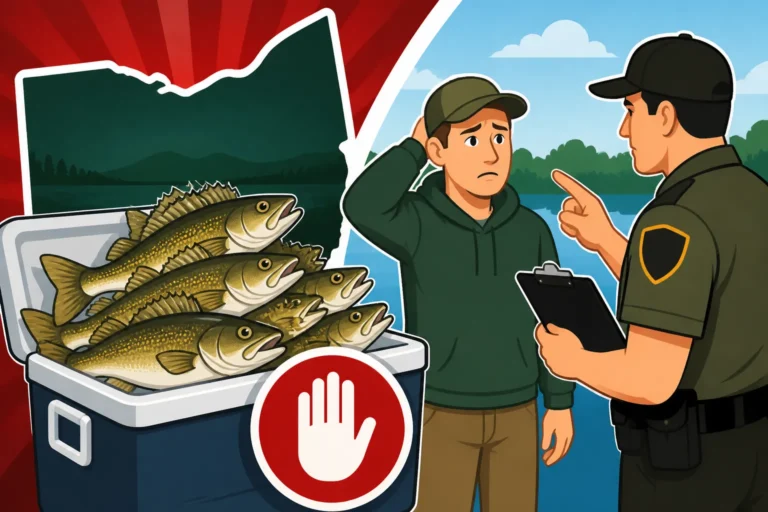
It's every angler's responsibility to know and follow the current fishing regulations. Ignorance of the law is never an excuse, and trust me, an unexpected encounter with a wildlife officer holding an updated rulebook can quickly turn a great day on the water into a costly one. Luckily, the ODNR makes it pretty straightforward to get your hands on the latest information, and there are other avenues to stay in the loop too.
Official Ohio DNR Resources
The absolute best and most authoritative source for current Ohio fishing regulations is the Ohio Department of Natural Resources (ODNR) itself. Their website is a treasure trove of information, typically updated well in advance of the March 1st effective date. You can usually find the full digital version of the fishing regulations booklet available for download as a PDF, which is super convenient to have on your phone or tablet when you’re out fishing. Seriously, print it, save it, study it – it's your bible for the season! For a direct link, check out Where to Find the Ohio Fishing Regulations PDF Online.
Beyond the PDF, the ODNR website often features news releases detailing significant changes, interactive maps, and specific regulations for various bodies of water. Another smart move is to sign up for the ODNR's email newsletters. This way, important updates and announcements about new regulations, stocking schedules, and other vital information will land directly in your inbox, ensuring you're among the first to know when things shift. Physical copies of the regulations booklet are also distributed widely, and knowing Where to Find the Ohio Fishing Regulations Booklet can save you a lot of guesswork.
Leveraging Local Bait Shops and Online Forums
While the ODNR website is your primary source, local bait and tackle shops are invaluable resources for day-to-day understanding and practical tips. These shops often receive shipments of the new physical regulation booklets even before March 1st, and the staff usually has a finger on the pulse of local fishing conditions and any recent rule changes. They’re often avid anglers themselves and can provide context or explain nuances that might not be immediately obvious in the written regulations. Plus, supporting your local bait shop is always a good thing for the fishing community!
Online fishing forums and social media groups dedicated to Ohio fishing can also be great places to hear about changes and discuss them with other anglers. However, a word of caution here: always take information from forums with a grain of salt and cross-reference it with official ODNR sources. While many experienced anglers are happy to share insights, misinformation can sometimes spread, and you don't want to accidentally follow bad advice. For finding specific gear that might be mentioned in these discussions, platforms like Amazon are a common place where anglers might look to purchase recommended lures, lines, or even new fishing rods. You might find lively debates about the best tackle or the ideal time to fish for Ohio Muskie Size and Bag Limits in these communities. Remember, verify, verify, verify!
Implications of Fishing Under Outdated Regulations
It’s easy to think, "What's the big deal if I miss a small change?" But in the world of fishing regulations, even a minor oversight can lead to significant headaches. Fishing with outdated information isn't just a technicality; it can have real, tangible consequences, both legally and ethically. It's not just about avoiding trouble; it's about being a responsible steward of our natural resources.
Potential Fines and Penalties
Fishing without proper knowledge of current regulations can lead to serious legal repercussions. Wildlife officers are trained to enforce these rules, and they generally operate on the principle that it's your responsibility to know the law. This means that pleading ignorance won't get you off the hook. Common violations resulting from outdated knowledge include keeping fish that are under the minimum length limit, exceeding the daily bag limit for a specific species, or fishing in an area or during a season that is now closed.
The penalties for such infractions can vary, but they typically involve fines, which can quickly add up. For example, getting caught with an undersized walleye or one too many crappie might seem minor, but those tickets can be quite costly. In some cases, repeated or severe violations could even lead to the suspension of your fishing privileges. To understand the gravity of these situations, you might want to read more about What Happens If You Fish Without a License in Ohio or specific penalties like the Ohio Fine for Fishing Without a License. Trust me, a day of fishing is much more enjoyable when you're not constantly looking over your shoulder.
Conservation and Ethical Angling
Beyond the legal ramifications, adhering to current regulations is fundamentally about conservation and ethical angling. These rules aren't arbitrary; they are put in place by biologists and resource managers to protect fish populations and ensure healthy ecosystems. When anglers inadvertently break these rules due to outdated information, they can unknowingly contribute to overfishing, disrupt spawning cycles, or negatively impact vulnerable species.
Every fish we catch and keep, or even handle and release, has an impact. By following the current bag limits, size restrictions, and season dates, we are actively participating in the sustainable management of Ohio's fisheries. It's a commitment to ensuring that our children and grandchildren will have the same, if not better, fishing opportunities that we enjoy today. Being an ethical angler means not only obeying the law but understanding the spirit behind it – that we are all responsible for the future of our natural waters. Whether you're using a simple rod and reel or a complex fishing system you bought on Amazon, the principle of ethical angling remains the same.
Key Dates and What to Expect Each Year
Understanding the general timeline for regulation changes can help you plan your fishing year and avoid surprises. While March 1st is the primary activation date for new regulations, the process begins much earlier, and there are specific points throughout the year when you should be particularly vigilant for updates.
Pre-Season Late Winter/Early Spring
This is the most critical period for regulation updates. Typically, by late winter or very early spring, the ODNR has finalized any proposed changes for the upcoming fishing year. The new regulations booklet, whether in print or PDF format, is usually released sometime in February, just before the March 1st effective date. This gives anglers a crucial window to review the new rules before they hit the water for the spring thaw. This is also the time when new fishing licenses for the upcoming year become available for purchase. If you're planning your spring excursions, you'll want to secure your Ohio Fishing License Guide for Residents and Nonresidents around this time. Many anglers prefer the convenience of Buying an Ohio Fishing License Online as soon as they become available.
What to do: Mark your calendar for February! Actively seek out the new regulations booklet online or pick up a physical copy. Review any changes that affect the species you target or the waters you typically fish. This is also when you should purchase your new fishing license, as your old one will expire on February 28th.
In-Season Spring to Fall
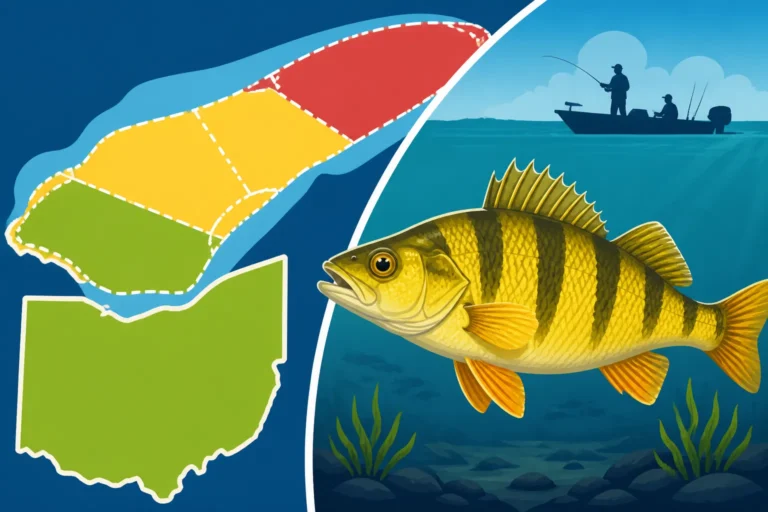
While the bulk of regulation changes happen before March 1st, it's important to remember that emergency regulations or specific localized rule adjustments can occasionally occur throughout the fishing season. These are less common but can be implemented if, for example, a sudden environmental event impacts a fish population, or if specific management needs arise in a particular water body. You might see specific, temporary changes to something like Lake Erie Yellow Perch Zone Limits if biologists notice a sudden shift in population numbers or health.
What to do: While less frequent, stay tuned to ODNR news releases and consider following their social media channels for any mid-season alerts. Before heading out to a new lake or river, especially if you haven't fished it recently, a quick check of the ODNR website for specific rules pertaining to that body of water is always a good idea. This proactive approach ensures you're always fishing legally and responsibly. And when you're stocking up on essentials for your trip, remember Amazon has a huge selection of fishing apparel and gear, from rain suits to specialized tackle boxes, perfect for adapting to any in-season changes you might encounter.
Here's a handy table to summarize the key points:
| Event | Typical Timing | Angler Action | Importance |
|---|---|---|---|
| New Regulation Booklet Release | February | Download/Pick up new booklet; review changes | Crucial for understanding new rules before they take effect |
| New Fishing License Available | February | Purchase your new Ohio Fishing License Guide for Residents and Nonresidents | Required to legally fish starting March 1st |
| New Regulations Become Effective | March 1st | Adhere to all updated rules and limits | Legal compliance and conservation of fish populations |
| Regular ODNR News & Alerts | Throughout the year | Monitor ODNR website/social media | Stay informed of any emergency or specific rule adjustments |
| Old License & Regulations Expire | Last day of February | Ensure you have new license & knowledge of new rules | Avoid penalties; ensure continuous legal fishing |
Disclaimer
Please note that while every effort has been made to provide accurate and up-to-date information, fishing regulations can change. It is always the angler's responsibility to consult the most current official Ohio Department of Natural Resources (ODNR) fishing regulations before engaging in any fishing activity. This article is intended as a helpful guide and not a substitute for the official regulation booklet.