Do You Need a Separate License to Fish Lake Erie in Ohio?
That familiar feeling of excitement bubbles up when you're planning a Lake Erie fishing trip, right? You've picked out your lures, checked the weather, maybe even mapped out some prime spots for walleye or perch. But then, a nagging thought creeps in: "Wait, with Lake Erie being so massive and bordering multiple states, do I need some special, separate license just for that specific body of water in Ohio?" It's a completely valid question that many anglers, both new and experienced, often ponder. The great news is, you can put that worry aside! This guide will clear up all the confusion, confirming what you do need to fish Ohio's incredible portion of Lake Erie, and what specific regulations you should definitely be aware of to ensure a smooth, legal, and successful outing.
Understanding Ohio's General Fishing License Requirements
Before we dive specifically into Lake Erie, it’s important to understand the foundation: Ohio’s general fishing license. This is the cornerstone for nearly all fishing activities within the state’s public waters, and it’s surprisingly straightforward, even for a state with such diverse fishing opportunities.
Who Needs a License in Ohio
The rules for who needs a fishing license in Ohio are pretty clear-cut, designed to be easily understood by residents and visitors alike. Generally speaking, if you are 16 years of age or older and plan to cast a line in any public waterway in Ohio, you'll need a valid Ohio fishing license. This applies whether you're an Ohio resident or visiting from out of state, though the cost structure is different for each. So, if you're an adult looking to enjoy a day on the water, consider that license your ticket to legal angling.
There are a few key exceptions to this general rule, which is often where some of the initial confusion can arise. For instance, children under the age of 16 are typically exempt from needing a fishing license in Ohio. This is a wonderful initiative that encourages young people to get involved in the sport without an extra barrier, making it easier for families to enjoy a day out together. You can find more details on these age-related rules in our guide on Ohio Youth Fishing License Rules. Another common exemption applies to landowners, who often don't need a license to fish on their own private property, assuming the pond or lake is entirely contained within their land and has no inlet or outlet to public waters. These exemptions are carefully outlined by the Ohio Department of Natural Resources (ODNR) to ensure fairness and promote access where appropriate.
Understanding these basic requirements is the first step in ensuring you're legally prepared for your fishing adventures, whether you're targeting smallmouth bass in a local reservoir or pursuing trophy walleye on Lake Erie. The core idea is that the vast majority of adult anglers will need this standard license to participate, regardless of where they plan to fish within Ohio's borders.
What an Ohio Fishing License Covers
Once you've purchased your Ohio fishing license, you've essentially unlocked access to all public fishing waters within the state. This is where many anglers find a pleasant surprise, as this single license covers everything from the smallest creek to the mighty Lake Erie. You don't need any special endorsements, stamps, or additional permits to fish specific lakes, rivers, or even the Great Lakes shoreline and open waters, as long as you're operating within Ohio's jurisdiction.
The beauty of Ohio's licensing system is its comprehensive nature. Whether you're planning a quiet day angling for crappie on a local pond, fly fishing for trout in a stocked stream, or heading out onto Lake Erie in pursuit of its famous walleye, that one general Ohio fishing license has you covered. It's a testament to the state's efforts to keep things simple for anglers, allowing them to focus more on the fishing itself and less on navigating a maze of permits. This straightforward approach contrasts with some other states or regions that might require specific stamps for certain species or waters, leading to the very question we’re addressing here about Lake Erie.
Ohio offers a variety of license options to suit different needs, from short-term permits to long-term commitments. You can purchase a one-day license if you're just visiting or testing the waters, an annual license for year-round enjoyment, or even multi-year or lifetime licenses for dedicated anglers. Each of these options provides the same universal coverage across Ohio's public waters, including Lake Erie. Our article on Ohio Fishing License Types and Options provides an in-depth look at these choices, helping you select the best fit for your fishing habits. The key takeaway here is the broad scope of a standard Ohio fishing license, simplifying your preparation for any fishing trip within the state.
The Specifics for Lake Erie Anglers
Now, let's get to the heart of the matter and address the Lake Erie question head-on. It's a common point of confusion, and for good reason—Lake Erie is no ordinary body of water.
No Separate Lake Erie License Required
Here’s the definitive answer you’ve been waiting for: No, you do not need a separate license to fish Lake Erie in Ohio. A standard, valid Ohio fishing license is all you need to legally fish Ohio’s portion of Lake Erie. This applies whether you’re casting from the shore, wading into a tributary mouth, or heading out on a boat miles offshore. As long as you are within the geographical boundaries of Ohio’s waters on Lake Erie, your general state license is perfectly sufficient.
The Ohio Department of Natural Resources (ODNR) manages all fishing regulations and licensing for public waters within the state, and Lake Erie falls squarely under its jurisdiction when you are on the Ohio side. This unified approach simplifies things immensely for anglers. You don't have to worry about additional fees, special stamps, or unique permits that only apply to the Great Lake. Your annual license, or whatever duration you choose, means you're good to go for everything from a small inland pond to the vast expanse of Lake Erie.
It's completely understandable why this question comes up so often. Lake Erie is one of the largest freshwater lakes in the world, and it plays a huge economic and recreational role for Ohio. Its sheer size and unique ecosystem, often dubbed the "Walleye Capital of the World," might naturally lead one to assume there are special requirements. However, from a licensing standpoint, the ODNR has opted for consistency across all state waters. So, next time you're gearing up for a trip to Lake Erie, just remember that your existing Ohio fishing license is your golden ticket.
Lake Erie Regulations Beyond the License
While the licensing itself is wonderfully straightforward, the actual fishing regulations for Lake Erie are a bit more nuanced and often quite specific. Just because you don’t need a separate license doesn’t mean you can ignore other rules. In fact, Lake Erie has some of the most dynamic and closely monitored regulations in the state, primarily due to its incredible productivity and the shared management with other states and Canada. These regulations are designed to protect fish populations, ensure sustainable harvesting, and maintain a healthy ecosystem for generations of anglers to come.
These specific rules primarily revolve around daily bag limits, minimum size limits, and sometimes even zone-specific restrictions for certain species, especially popular ones like walleye and yellow perch. For instance, the daily bag limit for walleye on Lake Erie is often different from inland walleye regulations, and these limits can even change from year to year based on population assessments. Yellow perch limits can also vary, sometimes even by specific zones within Lake Erie's Ohio waters. It’s absolutely crucial for any angler heading to Lake Erie to consult the most current Ohio fishing regulations booklet or the ODNR website before each trip. Our Lake Erie Fishing Regulations in Ohio guide offers a detailed breakdown of these critical rules.
To give you a quick overview, here's a table summarizing some of the key regulations for Lake Erie's most sought-after species. Please remember, these are subject to change, so always double-check the latest official ODNR regulations!
| Species | Daily Bag Limit (Ohio Lake Erie) | Minimum Length Limit (Ohio Lake Erie) | Notes |
|---|---|---|---|
| Walleye | 6 | 15 inches | Seasonal changes are common; always check current regs. |
| Yellow Perch | 30 | None | Limits can vary by management zone (West, Central, East); check current. |
| Smallmouth Bass | 5 | 14 inches | Closed season typically May 1 – June 24 in Ohio waters of Lake Erie. |
| Channel Catfish | 30 | None | |
| White Bass | 30 | None |
This table highlights just how specific the rules can be for Lake Erie. The ODNR actively monitors fish populations, especially for popular species like walleye and yellow perch, and adjusts these limits annually or even seasonally to ensure their long-term health. Fishing without knowing these specific limits can lead to citations and fines, which is certainly not how you want to end a fun day on the water. So, while your Ohio fishing license covers the right to fish, it's your responsibility to understand and abide by the specific rules that govern what you can catch and keep on Lake Erie.
Why the Confusion About Lake Erie Licensing Exists
It's totally understandable why anglers might get a little confused about the licensing for Lake Erie. It's not just a small lake in the middle of Ohio; it's a massive, international body of water. This uniqueness naturally sparks questions that might not come up when planning a trip to, say, Alum Creek Lake or Hoover Reservoir.
Border Waters and Reciprocity
One of the biggest reasons for the confusion stems from the fact that Lake Erie doesn't just belong to Ohio. It's a shared resource, bordering the states of Michigan, Pennsylvania, and New York within the U.S., and the province of Ontario in Canada. This multi-jurisdictional aspect is a prime source of misunderstanding for many anglers. If you're used to fishing smaller, entirely self-contained bodies of water, the idea of crossing an invisible state or international boundary on the water can be perplexing.
The critical point here is that while you don't need a separate Ohio license for Lake Erie, you do need the appropriate license for whichever state or country's waters you are actively fishing in. For example, if you launch your boat in Port Clinton, Ohio, and motor over into Michigan waters to fish, you would then need a valid Michigan fishing license, in addition to or instead of your Ohio license, depending on where you started and how you're transporting your catch. There isn't a general reciprocity agreement for recreational fishing licenses between Ohio and its neighboring states on Lake Erie, meaning one state's license doesn't typically grant you permission to fish in another state's portion of the lake. The same goes for venturing into Canadian waters, which would require an Ontario fishing license.
This border dynamic often leads anglers to assume that because Lake Erie is so vast and shared, there must be some sort of special "Lake Erie License" that allows for fishing across all these jurisdictions. However, each state and province maintains its own licensing requirements, even on shared waters. This makes it absolutely vital to know where you are on the lake and to ensure you possess the correct licensing for that specific area. Always check a nautical map or GPS unit if you plan to venture near state lines, as venturing into another state’s water without their license could result in a hefty fine from their wildlife officers.
Unique Lake Erie Challenges
Beyond the border complexities, the sheer scale and character of Lake Erie contribute significantly to the perception that it might require special licensing. It’s not just a lake; it’s an inland sea, capable of producing ocean-like waves and weather conditions. Anglers venturing out onto Lake Erie often need specialized boats, heavy-duty tackle, and different techniques compared to fishing smaller inland lakes. This "specialized" nature can unconsciously lead people to believe there must be a unique license to match.
For instance, Ohio Walleye Fishing Guide often involves sophisticated trolling setups, using planer boards, downriggers, and a variety of specialized lures that you might not typically use on a small lake. Charter boats, which are a popular way to experience Lake Erie's abundant fishing, also contribute to this feeling of unique operations. When you see a massive charter boat heading out, fully equipped with high-tech electronics and multiple rod holders, it’s easy to think that the whole endeavor is somehow "above and beyond" regular fishing, and therefore, might require an extra layer of permitting.
The incredible trophy potential of Lake Erie for species like walleye and smallmouth bass also adds to its mystique. Anglers come from all over the country to experience the world-class fishing, and the pursuit of these prize fish sometimes creates an expectation of added regulatory hurdles. However, despite these unique challenges and the specialized gear you might find yourself needing (perhaps some robust tackle from a trusted retailer like Amazon), the Ohio Division of Wildlife has kept the core licensing requirement simple and universal across all its waters. This approach ensures that while the fishing itself might be complex, getting the legal right to participate is as straightforward as possible.
Obtaining Your Ohio Fishing License
So, now that we've cleared up the Lake Erie license question, let's talk about the practical side of things: how do you actually get your hands on an Ohio fishing license? Thankfully, the ODNR has made the process quite accessible, offering several convenient options to ensure you can get your license quickly and efficiently, whether you're planning ahead or making a last-minute decision to hit the water.
Online, In-Person, and Phone Options
The most popular and often easiest way to purchase an Ohio fishing license today is online. The Ohio Department of Natural Resources (ODNR) website provides a user-friendly portal where you can buy your license with just a few clicks. This method is incredibly convenient because you can do it from anywhere, at any time, even the night before your fishing trip or right from the boat ramp if you have cell service. Once purchased, you'll receive a digital copy almost instantly, which you can save on your phone or print out. Having a digital copy on your smartphone is usually sufficient proof of license if a wildlife officer checks, but it's always a good idea to have a backup, maybe even a laminated copy you keep in your tackle box (you can find waterproof holders for these on Amazon). Our guide on Buying an Ohio Fishing License Online offers a detailed step-by-step walkthrough of this process.
For those who prefer a more traditional approach, or who want to combine their license purchase with picking up some bait and tackle, in-person vendors are widely available across the state. These authorized agents include many local bait and tackle shops, sporting goods stores like Cabela's, Bass Pro Shops, or even general retailers such as Walmart and Kmart. You can also find them at some county auditor offices and specific ODNR offices. Purchasing in person allows you to ask any questions you might have about local regulations or fishing conditions, and you walk away with a physical license in hand. It's a great option for supporting local businesses and getting some immediate expert advice.
Finally, for those who might not have internet access or prefer speaking to someone directly, you can also purchase an Ohio fishing license over the phone. The ODNR provides a dedicated phone line for this purpose, where their customer service representatives can assist you through the purchasing process. While less common than online or in-person methods, it’s a valuable option for ensuring everyone has access to a license. No matter which method you choose, the goal is the same: to get you legally on the water to enjoy Ohio’s fantastic fishing.
What Information You'll Need
When you're ready to purchase your Ohio fishing license, whether online, in person, or over the phone, you'll need to have some basic personal information handy. This ensures that your license is accurately registered to you and that you receive the correct type and pricing, particularly regarding residency.
First and foremost, you'll need standard identification details: your full legal name, current address, and date of birth. This helps the ODNR verify who you are and whether you qualify for a resident or non-resident license. They'll also typically ask for some physical descriptors, such as your height, weight, eye color, and hair color. While these might seem like minor details, they're essential for creating a unique and verifiable record for your license, aiding in identification should there ever be a need.
For Ohio residents seeking resident pricing (which is significantly cheaper than non-resident rates), you will need to provide proof of residency. This is most commonly done by providing your Ohio driver's license or state ID card number. The system will usually verify this information to ensure you meet the state's residency requirements. If you're a non-resident, you'll simply provide your home state's identification. It’s critical to provide accurate information to avoid any issues down the line. Incorrect details could invalidate your license or lead to problems if a wildlife officer ever needs to verify your identity or license status.
If you’re renewing an existing license, having your old license number handy can often expedite the process, especially online, as much of your information will already be in the system. Our guide on Renewing an Ohio Fishing License provides tips on how to make that process as smooth as possible. Remember, purchasing a license is a simple administrative step, but it’s a crucial one for maintaining the health of Ohio’s fisheries and ensuring everyone can enjoy the sport responsibly.
Essential Regulations for Lake Erie Success
Possessing a valid Ohio fishing license is your first step to a great day on Lake Erie, but it’s just the beginning. To truly enjoy your time and avoid any unwanted run-ins with wildlife officers, you absolutely must be familiar with the specific fishing regulations that apply to Lake Erie. These aren't just suggestions; they are legally binding rules designed to protect the lake's valuable fish populations and ensure sustainable angling for generations.
Walleye and Yellow Perch Limits
When it comes to Lake Erie, walleye and yellow perch are the undisputed kings. These two species attract thousands of anglers annually, making it imperative that their populations are carefully managed. Because of their immense popularity and economic importance, the daily bag and minimum length limits for walleye and yellow perch on Lake Erie are often specific to the lake itself and can even change year-to-year or seasonally. This dynamic nature means that diligently checking the current regulations is not just a good idea—it’s an absolute necessity before every trip.
For walleye, the daily bag limit on Lake Erie is typically six fish per angler, with a minimum size limit of 15 inches. However, these numbers are subject to review and adjustment by the ODNR in conjunction with other Lake Erie management agencies. The walleye population in Lake Erie is incredibly robust, but careful management ensures it stays that way. You can always find the most up-to-date information, including potential changes to the Ohio Lake Erie Walleye Daily Bag Limit, directly on the ODNR website or in the latest fishing regulations booklet.
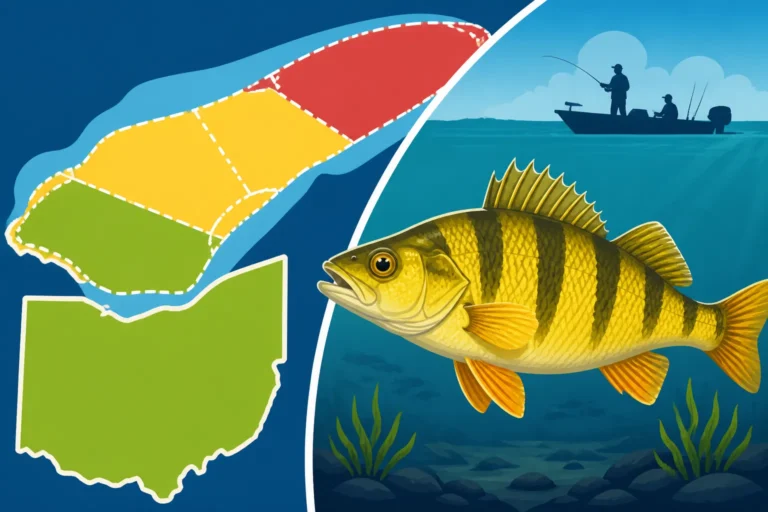
Yellow perch also have specific limits, and interestingly, these can sometimes vary by management zone within Lake Erie's Ohio waters. Historically, Lake Erie has been divided into Western, Central, and Eastern Basins, and perch limits might differ slightly between them depending on localized population health. Generally, the daily bag limit for yellow perch has been 30 fish per angler, with no minimum length requirement, reflecting a healthy and abundant perch population. However, it is paramount to confirm the current limits for the specific zone you plan to fish in. Our detailed articles on Lake Erie Yellow Perch Daily Limit in the West Zone, Lake Erie Yellow Perch Daily Limit in the Central Zone, and Lake Erie Yellow Perch Daily Limit in the East Zone offer specific insights into these zone-based regulations, emphasizing the need for anglers to know their exact location.
These regulations are not arbitrary; they are the result of extensive scientific research, population surveys, and collaborative agreements between all the jurisdictions sharing Lake Erie. Adhering to them ensures that the incredible fishing opportunities on Lake Erie remain available for everyone. Always make it a habit to check the latest rules right before you head out, as fish populations can fluctuate, and regulations are adjusted accordingly to maintain balance and abundance.
Other Species on Lake Erie
While walleye and yellow perch often steal the spotlight, Lake Erie offers fantastic fishing opportunities for a variety of other species, each with its own set of regulations. It's easy to get tunnel vision on the marquee fish, but ignoring the rules for other species can still land you in hot water. Being informed about the regulations for all potential catches is part of being a responsible angler.
Smallmouth bass fishing on Lake Erie is world-class, especially in the rocky areas and around the islands. These hard-fighting fish are a favorite among many, and they, too, have specific limits. Typically, the Ohio Largemouth and Smallmouth Bass Limits on Lake Erie involve a daily bag limit of five fish, with a minimum length of 14 inches. Crucially, there's usually a closed season for smallmouth bass on Lake Erie during their spawning period, often from May 1 to late June, when catch-and-release only is permitted, if fishing is allowed at all. This protects the spawning stock and ensures future generations of smallmouth.
Beyond walleye, perch, and bass, Lake Erie also hosts robust populations of channel catfish, white bass, freshwater drum (sheepshead), and even a significant run of steelhead trout in its tributaries during cooler months. Each of these species falls under Ohio's statewide regulations, or sometimes specific Lake Erie rules where applicable. For example, steelhead trout, while not typically found in the open lake, are targeted in the major Lake Erie tributaries during their runs. Anglers pursuing these chrome beauties need to be aware of the Ohio Steelhead Trout Fishing Guide regulations, which often include specific limits, equipment restrictions (like single hooks), and even designated fly-fishing-only zones on certain streams. Remember, a comprehensive understanding of all applicable rules ensures a rewarding and lawful fishing experience on Lake Erie.
Disclaimer
Please be aware that fishing regulations, including bag and size limits, can change. While every effort is made to provide accurate and up-to-date information, it is the angler's responsibility to consult the most current Ohio Department of Natural Resources (ODNR) fishing regulations booklet or website before engaging in any fishing activity. This article is for informational purposes only and should not be considered legal advice.