Is There a Closed Season for Ohio Inland Trout?
It's easy to get tangled up in the rules and regulations when you're just trying to enjoy a peaceful day on the water, especially when it comes to specific species like trout. Many anglers wonder if Ohio's inland trout have a "closed season" where fishing is completely off-limits, much like other popular game fish. This guide will clarify the unique approach Ohio takes with its inland trout fisheries, ensuring you understand exactly when and where you can cast your line.
Understanding Ohio's Inland Trout Fishing Philosophy
When we talk about "inland trout" in Ohio, for most anglers, we're primarily referring to the rainbow trout that the Ohio Department of Natural Resources (ODNR) Division of Wildlife actively stocks into various lakes, ponds, and even some rivers across the state. Unlike species that rely heavily on natural reproduction within Ohio's warmer inland waters, these rainbow trout are largely a put-and-take fishery designed to provide exciting, accessible fishing opportunities, especially in cooler months.
The fundamental difference here is that Ohio isn't home to widespread, self-sustaining populations of trout in its inland waters due to generally unsuitable water temperatures, especially in summer. The "Steelhead Alley" tributaries that flow into Lake Erie are an exception, supporting a fantastic steelhead fishery, but those are distinct from the inland stocked program. Because these inland trout are stocked for recreational purposes, the regulations often revolve around the stocking schedule rather than a traditional closed spawning season. The goal is to maximize angler opportunity while also managing the resource effectively. This means that the concept of a "closed season" takes on a different meaning than you might expect for, say, bass or walleye, which have specific times of year when they might be protected during their reproductive cycles.
The Nuances of "Closed Season" for Ohio's Stocked Trout Waters
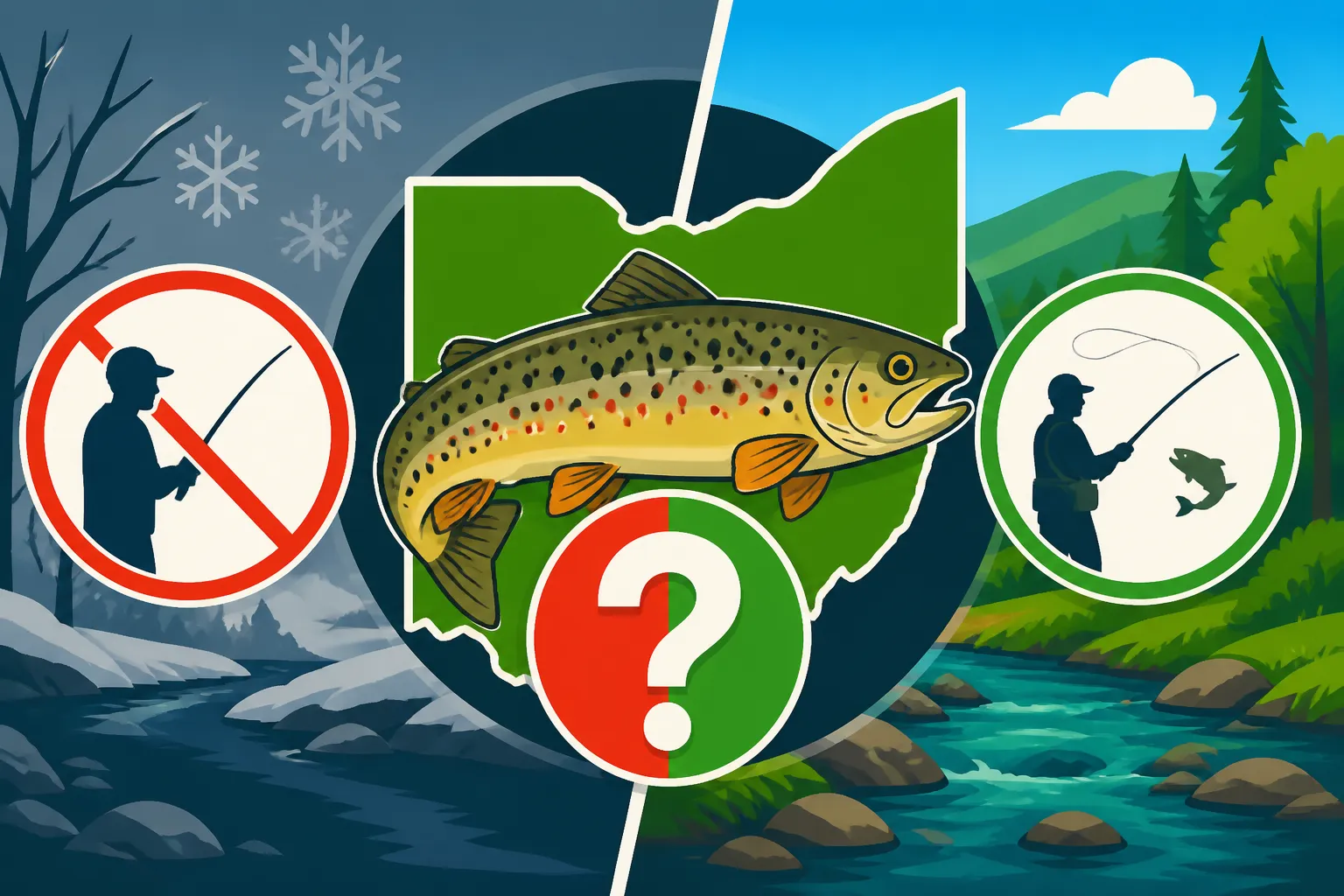
So, to directly answer the burning question: Is there a blanket closed season for Ohio inland trout? Generally, no, not in the traditional sense that prohibits fishing for months at a time. However, there are crucial temporary closures that you absolutely need to be aware of, especially if you're planning a trip around specific stocking events.
The Ohio Division of Wildlife strategically stocks rainbow trout in dozens of public lakes and ponds, particularly in spring and fall when water temperatures are most favorable for trout survival and angler success. To ensure that these newly stocked fish have a chance to disperse and that all anglers have a fair shot, the ODNR implements very specific "no fishing" periods for these waters immediately before and during a stocking event. These closures typically last only a few days, sometimes just 24-48 hours, and are designed to prevent excessive harvest or disturbance of the fish while they're being introduced. Once the stocking is complete and the designated opening date arrives, these waters are then open for trout fishing, usually until the daily bag limit is met or the fish are harvested out.
For example, a popular spot like Mt. Gilead State Park Lake might announce a stocking date for April 1st. The regulation for that specific lake might state "No fishing from March 28th to March 31st (inclusive)." On April 1st, fishing would then open. After that initial opening, fishing usually continues year-round, subject to the daily limit, until the next stocking or until the trout population diminishes due to angler harvest or natural attrition. This means that if you miss the initial opening, you can still fish for trout later in the season. You can always check the specific rules for individual bodies of water in the latest Ohio Fishing Regulations Every Angler Should Know.
Specific Closures and Regulations You Need to Know
While a statewide closed season for inland trout doesn't exist, understanding the specific local rules is paramount. It’s not a one-size-fits-all approach. Each body of water that receives stockings might have its own unique set of temporary restrictions.
Pre-Stocking No-Fishing Periods
These are the most common "closures" you'll encounter for inland trout. As mentioned, many stocked locations will have a brief period where fishing is prohibited directly leading up to a scheduled stocking. This allows for the fish to be transported and released without immediate pressure from anglers, giving them a better chance to acclimate to their new environment. It’s always a good idea to check the specific regulations for the particular lake or pond you plan to visit. The ODNR's website is the best place to find the Ohio Inland Trout Stocking Schedule and any associated closures. Don't rely on old information; schedules can change due to weather, fish availability, or other factors. A quick check before you head out can save you a wasted trip. For example, if you plan to fish a specific state park lake, look up its specific stocking dates. You might even find a small, laminated regulation booklet for sale on Amazon that includes these details, or download the official PDF.
Daily Bag and Size Limits
Once a stocked trout water is open, you’ll typically be subject to a daily bag limit, which is usually five rainbow trout per angler per day. Most stocked trout in Ohio do not have a minimum size limit, meaning you can keep any legal-sized trout you catch up to your daily limit. However, it's crucial to always verify these details, as special regulations can apply to certain waters. For a comprehensive overview, you can refer to the guide on Ohio Inland Trout Daily Limit. These limits are in place to distribute the catch among more anglers and to manage the put-and-take fishery effectively.
Special Management Areas
There are a few rare instances where specific waters might have additional rules, sometimes mimicking a "closed season" for very particular reasons, though this is uncommon for typical rainbow trout stockings. For instance, some waters might be managed under special trophy regulations, or certain streams that might have a small, isolated population of native brook trout could have stricter catch-and-release rules or highly restricted seasons to protect these vulnerable populations. However, for the vast majority of recreational anglers targeting stocked rainbow trout, these exceptions are rare. It's truly important to consult the Special Regulations for Ohio's Stocked Trout Lakes if you're exploring less common or highly regulated trout waters. The general rule for stocked waters, though, is that once open, they remain open until the fish are gone or until the next season.
Here’s a simplified breakdown of typical Ohio inland trout season phases for stocked waters:
| Season Phase | Description | Typical Timing | Fishing Status |
|---|---|---|---|
| Pre-Stocking Closure | Short period (days) before stocking, prohibits fishing in specific water. | Varies, check ODNR schedule | Closed |
| Stocking Event | Trout are introduced; often includes the final day of the "no-fishing" period. | Varies, check ODNR schedule | Closed |
| Initial Opening | First day fishing is permitted after a stocking. High angler turnout expected. | Varies, check ODNR schedule | Open (with limits) |
| General Season | Continues after the initial opening, until fish are depleted or next stocking. | Typically weeks/months after stocking | Open (with limits) |
| Winter/Summer Slow | Periods where trout survival is low due to temperature, or fish are scarce. | Winter (ice fishing possible), Summer (very tough) | Open (with limits) |
Always remember to obtain your Ohio Fishing License Guide for Residents and Nonresidents before heading out, as it's required for anyone 16 years and older. You can often purchase or renew your license online, or find locations in person, including many bait shops and sporting goods stores like those found through an Amazon search for outdoor retailers.
Beyond Stocked Waters: Native Brook Trout Considerations
While the bulk of Ohio's inland trout fishing opportunities revolve around stocked rainbow trout, it’s worth noting that Ohio does have a very small, critically important population of native brook trout. These beautiful fish are found in only a handful of coldwater streams, primarily in the northeastern part of the state, such as areas around Ashtabula, Geauga, and Lake counties. These streams are exceptionally sensitive to environmental changes and habitat degradation.
For these native brook trout populations, regulations are significantly different and often much stricter. Many of these areas are designated as catch-and-release only, or have extremely limited seasons, specific gear restrictions (like single, barbless hooks), and sometimes even access restrictions to protect their fragile ecosystems. The goal here is conservation, not recreation. If you’re lucky enough to find yourself in one of these rare native brook trout streams, assume catch-and-release regulations and verify all rules with the utmost care. This is a very different scenario from the "put-and-take" stocked rainbow trout fisheries. When learning about Ohio Fishing Season Dates and Effective Periods, pay close attention to any details regarding native species.
In summary, for the vast majority of Ohio anglers pursuing inland trout, there isn't a year-long "closed season." Instead, focus on the specific, short-term closures around stocking events. Keep an eye on the ODNR’s latest Ohio Rainbow Trout Stocking Program and be sure to check the regulations for your chosen fishing spot before you wet a line. A little research can ensure your fishing trip is both legal and successful. You might also want to look into the Best Bait for Stocked Rainbow Trout in Ohio to maximize your chances once you're on the water!
Disclaimer
The information provided in this guide is for general informational purposes only and is subject to change. Anglers are responsible for consulting the most current Ohio fishing regulations published by the Ohio Department of Natural Resources (ODNR) Division of Wildlife before engaging in any fishing activities. Compliance with all applicable laws and regulations is the sole responsibility of the individual angler.