Is There a Minimum Size Limit for Crappie in Ohio?
It can be incredibly frustrating to head out for a relaxing day of crappie fishing, only to come home and wonder if you accidentally broke a regulation because you weren't entirely sure about specific size limits. Nobody wants to be on the wrong side of the Ohio Department of Natural Resources (ODNR) rules, especially when you’re just trying to enjoy a peaceful day on the water. This guide is here to clear up any confusion you might have about crappie size limits in Ohio, ensuring you can fish with confidence and keep your catch within the legal framework.
Understanding Crappie Regulations in Ohio
When it comes to fishing in Ohio, especially for popular panfish like crappie, anglers often find themselves scratching their heads over the nuances of regulations. You might assume that every fish species has a minimum length requirement, much like bass or walleye, but that’s not always the case. The rules can vary significantly, not just between species but sometimes even between different bodies of water. It's this patchwork of regulations that can lead to a lot of confusion, leaving you second-guessing your catch.
For crappie, the situation is actually a bit simpler than many expect, though it does come with an important caveat regarding daily limits. Unlike some other sport fish, the primary management tool for crappie in most Ohio waters isn't a minimum size. This approach is often taken with prolific species like crappie, where population control and overall health are better managed through daily bag limits to prevent overharvesting, rather than focusing on the size of individual fish. This allows anglers to keep a wider range of sizes, which can be great for filling a cooler, but it still means you need to be aware of how many you can take home.
Statewide Crappie Size Limits: The General Rule
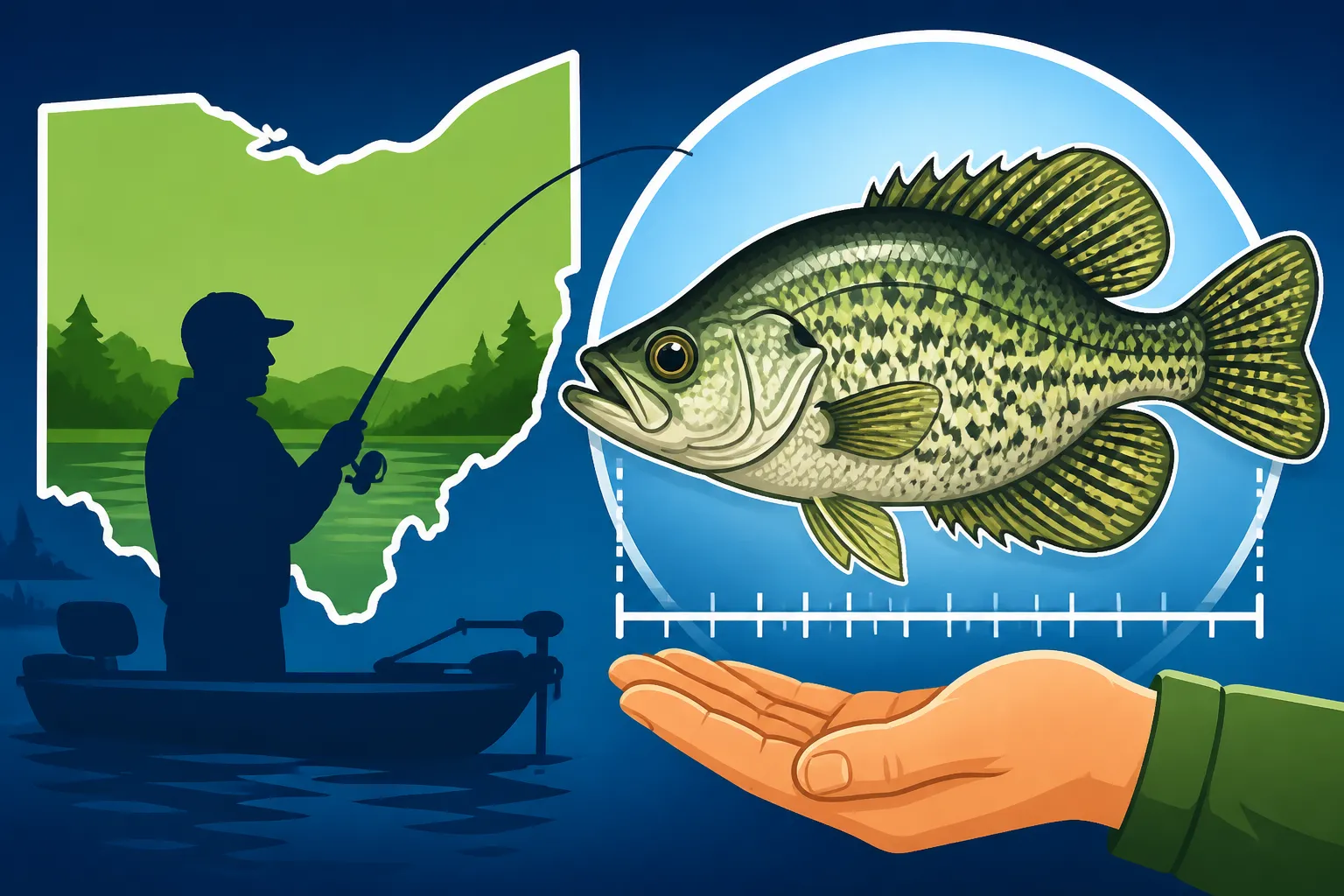
So, let's get right to the heart of the matter: is there a minimum size limit for crappie in Ohio? For the vast majority of public inland waters across the state, the answer is generally no, there is no statewide minimum size limit for crappie. This means that if you're fishing a typical public lake or reservoir in Ohio, and you catch a crappie of any size, you're usually permitted to keep it, provided you adhere to the daily bag limit.
This can be a pleasant surprise for many anglers, especially those accustomed to meticulously measuring every bass or walleye. Crappie, being highly prolific and prone to overpopulation in some systems, are often managed with a focus on harvest to maintain a healthy balance within the ecosystem. The ODNR's strategy is often to encourage anglers to keep these fish, which can help prevent stunting (where fish grow slowly and never reach a large size due to too much competition for food). So, that little 7-inch crappie you caught? In most cases, it's a perfectly legal keeper.
However, just because there isn't a minimum size doesn't mean it's a free-for-all. The crucial regulation you must pay attention to is the daily bag limit. For crappie (both white and black crappie), the statewide daily bag limit is currently 30 fish per angler. This limit is in place to ensure sustainable fishing pressure and to allow the crappie population to replenish itself, even without a size restriction. It's easy to get caught up in the excitement of a hot bite and forget to count, so always keep a mental tally or use a clicker counter you can find on Amazon to avoid exceeding the limit. You can learn more about the specific rules in the "Ohio Crappie Daily Limit" article.
Specific Water Body Exceptions and Considerations
While the general rule is no minimum size limit, it's absolutely vital to remember that there can be special regulations for specific bodies of water. This is where things can get a little tricky, and why it's always, always a good idea to check the local regulations for the exact lake or river you plan to fish. The ODNR implements these localized rules to address unique ecological conditions, manage specific fisheries, or enhance angling opportunities in particular areas.
For instance, some smaller, intensively managed lakes or ponds might have different rules. While it's rare to see a minimum size limit for crappie, you might encounter different daily bag limits or even catch-and-release only sections for certain species within state park lakes or wildlife areas. The best way to stay informed is to consult the latest Ohio Fishing Regulations booklet, which is available online as a PDF on the ODNR website or in print at most bait shops and license vendors. Looking up "Ohio State Park Fishing Rules" can also give you a broader overview of unique rules in these areas.
Let's consider a hypothetical example. Imagine you're planning a trip to a lesser-known reservoir, say, Lake Hope in southeastern Ohio. While the statewide crappie rule applies to most places, it's possible that due to a specific management plan for Lake Hope, the daily limit for crappie has been reduced to 15 fish, or perhaps there’s even an experimental slot limit in place. This isn't common for crappie, but it highlights why checking localized rules is paramount. Always cross-reference your destination with the current regulations to avoid any unpleasant surprises. A quick check of the "Ohio Fishing Regulations Every Angler Should Know" can save you a lot of grief.
For example, when exploring different lakes, you might find that while crappie often lack size limits, other panfish like bluegill or sunfish almost never have them, but their daily bag limits can vary too. It’s always good practice to know the full scope of “Crappie and Panfish Daily Limits” before you head out.
Why No Minimum Size Limit for Crappie?
It might seem counterintuitive to not have a minimum size limit for a popular game fish, especially when we're so used to it for species like bass or walleye. However, there's sound ecological reasoning behind the ODNR's approach to crappie management. Crappie, both white crappie and black crappie, are incredibly prolific spawners. They can reproduce rapidly, and if their populations aren't adequately harvested, they can quickly overpopulate a body of water.
When crappie populations become too dense, several problems can arise:
- Stunted Growth: With too many fish competing for a limited food supply, individual crappie often don't grow to a desirable size. Instead of catching nice 10-12 inch slabs, you might only find small 6-8 inch fish that aren't very appealing to anglers.
- Impact on Other Species: An overabundance of crappie can also negatively impact other fish species, as they compete for food resources and sometimes even prey on the fry of other game fish.
- Poor Overall Health: Dense, stunted populations are often less healthy and more susceptible to disease.
By having a generous daily bag limit and generally no minimum size limit, the ODNR encourages anglers to harvest these fish, which acts as a natural thinning process. This helps to reduce competition, allowing the remaining crappie to grow larger and healthier. It's a management strategy focused on maintaining a balanced ecosystem and providing quality fishing opportunities for larger fish in the long run.
Think of it like gardening: sometimes you need to thin out overcrowded plants so the remaining ones can flourish. The same principle applies to crappie populations. Anglers play a vital role in this management strategy by responsibly harvesting fish within the legal daily limits. This is also why understanding things like "Crappie Schooling Behavior" can be beneficial, as it helps you locate and potentially harvest a good number of fish when they are concentrated.
Responsible Angling Practices for Crappie
Even without a minimum size limit, practicing responsible angling is crucial. Just because you can keep every crappie doesn't always mean you should. Here are some considerations for responsible crappie fishing:
Selective Harvest
Many experienced crappie anglers practice what's called selective harvest. This means they might choose to release the very smallest crappie (those under 7 inches, for example) and the very largest "trophy" crappie (over 13-14 inches, which are often older breeders) while keeping the medium-sized fish for the dinner table. This helps to ensure that there are plenty of small fish to grow into larger ones and that the biggest, most productive spawners remain in the population.
This isn't a legal requirement, but it's a personal choice that can contribute to a healthier fishery in your favorite spots. If you're looking for dinner, those 9-11 inch crappie are often perfect—they fillet easily and taste great. A simple fishing ruler or a measuring tape, easily picked up from Amazon, can help you practice this kind of selective harvest effectively.
Knowing Your Crappie Species
Ohio is home to both white crappie and black crappie. While the regulations are generally the same for both, knowing the difference can be a fun part of the angling experience. Black crappie typically have a darker, more mottled pattern, and seven or eight dorsal spines. White crappie, on the other hand, often have distinct vertical bars and typically five or six dorsal spines. Both are fantastic eating fish and provide excellent sport. You can dive deeper into their distinctions in our guide on "Ohio White Crappie vs Black Crappie". Understanding what "What Crappie Eat in Ohio Lakes" can also give you an edge in catching them.
Equipment and Techniques
When you're out crappie fishing, having the right gear can make all the difference. Ultralight rods and reels spooled with light line (4-6 lb test) are perfect for feeling those subtle crappie bites. Small jigs, minnows, or even tiny crankbaits are often irresistible to them. Many anglers swear by slip bobbers when using live bait like minnows, allowing you to present your bait at a precise depth where crappie are schooling. You can find a wide variety of these specialized baits and tackle on Amazon.
When it comes to techniques, "How to Rig a Live Minnow for Crappie" is a common method, but jigging small plastics or even casting and retrieving tiny crankbaits can be incredibly effective, especially when crappie are active. Learning about "Best Time of Year for Ohio Crappie Fishing" will also significantly increase your success rate.
Overview of Panfish Limits in Ohio
To give you a clearer picture, here's a general overview of common panfish limits in Ohio. Remember, these are statewide general rules, and local exceptions always take precedence.
| Species | Minimum Size Limit (Statewide) | Daily Bag Limit (Statewide) | Common Habitats |
|---|---|---|---|
| Crappie (White/Black) | None (generally) | 30 | Lakes, reservoirs, slow-moving rivers, ponds |
| Bluegill | None | None | All waters, especially shallow, vegetated areas |
| Sunfish (various) | None | None | All waters, especially shallow, vegetated areas |
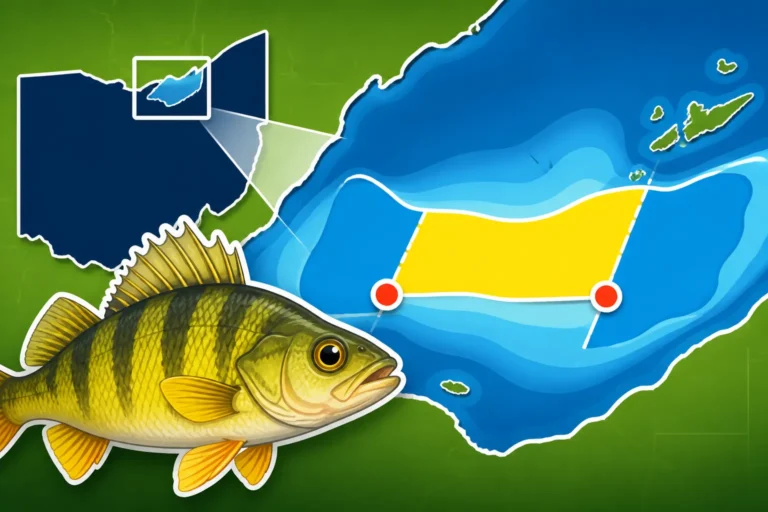
| Yellow Perch | None (inland waters) | 30 (inland waters) | Lakes, reservoirs, Lake Erie |
Note: For Lake Erie, Yellow Perch have specific zone-based daily bag limits that differ from inland waters and should always be checked.
This table highlights that crappie are managed more like bluegill and other sunfish in terms of size, focusing on daily limits rather than individual fish length. So, if you're targeting crappie, your main concern should be that 30-fish daily bag limit. If you're wondering about specific locations, check out "Best Ohio Lakes for Crappie" for some prime spots.
Where to Find the Most Accurate Information
My biggest piece of advice, and one I can't stress enough, is to always consult the official Ohio Fishing Regulations booklet before you head out. Regulations can change annually, and while I strive to provide the most up-to-date information, the official ODNR document is your ultimate source of truth.
You can usually find the current regulations:
- Online: Visit the Ohio Department of Natural Resources (ODNR) website. They typically have a downloadable PDF version of the complete fishing regulations.
- Local Bait and Tackle Shops: Most places that sell fishing licenses will also have free printed copies of the current regulations. This is a great way to support local businesses while getting essential info.
- ODNR Offices: Division of Wildlife offices across the state also provide these booklets.
Checking the regulations isn't just about avoiding fines; it's about being a responsible angler who contributes to the sustainability of Ohio's fantastic fishing opportunities. Knowing the rules, including nuanced details like whether or not "Do Kids Need a Fishing License in Ohio?" or "Is a Fishing License Required for Anglers Under 16 in Ohio?", helps everyone enjoy the sport. And remember, if you're ever in doubt, it's better to err on the side of caution or ask a local wildlife officer. Ignorance of the law is never an excuse. Even something as basic as understanding your "Ohio Fishing License Guide for Residents and Nonresidents" can save you a headache.
Final Thoughts on Ohio Crappie Fishing
Fishing for crappie in Ohio is a fantastic experience, offering abundant opportunities for anglers of all skill levels. The generally relaxed stance on minimum size limits for crappie is a reflection of a sound management strategy designed to promote healthy populations and provide excellent fishing. However, this flexibility places an even greater emphasis on understanding and adhering to daily bag limits and being aware of any specific local regulations that might apply to your chosen fishing spot.
So, the next time you're out on an Ohio lake, and those crappie are biting, feel confident that those pan-sized fish are perfectly legal to keep, as long as you're minding your count. Enjoy the great outdoors, fill your cooler, and cherish those moments on the water.
Disclaimer
Please remember that fishing regulations are subject to change. While every effort has been made to provide accurate and up-to-date information in this guide, it is ultimately the angler's responsibility to consult the most current official Ohio Fishing Regulations published by the Ohio Department of Natural Resources (ODNR) before fishing. Local rules and temporary changes can occur, and the official ODNR guide is the definitive source for all legal requirements.