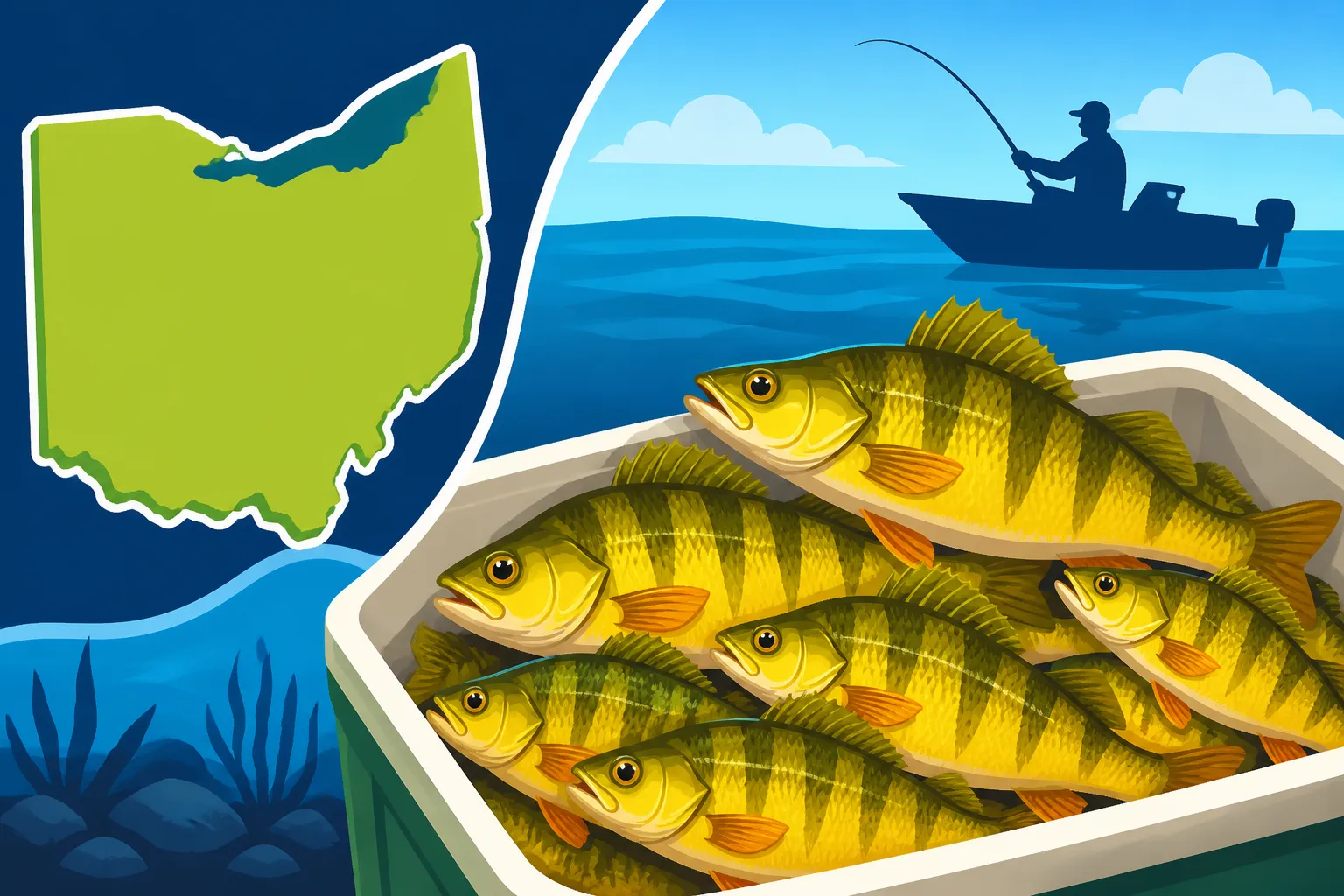
Lake Erie Yellow Perch Daily Limit in the West Zone
It’s a tale as old as time on Lake Erie, isn’t it? You’re out there, the yellow perch are biting like crazy, and suddenly a little voice in the back of your head pipes up: “Wait, what’s the limit again?” Fishing Lake Erie’s bountiful waters for yellow perch is a favorite pastime for countless anglers, but the regulations, especially those related to daily bag limits, can sometimes feel like trying to solve a puzzle. This guide is here to untangle the specifics of the yellow perch daily limit in the important Lake Erie West Zone, helping you fish confidently and within the rules.
Understanding Lake Erie's Yellow Perch Zones and Why They Matter
Lake Erie is a massive body of water, and its diverse ecosystems mean that fish populations, and therefore fishing regulations, can vary significantly from one end to the other. For yellow perch, Ohio’s Division of Wildlife has wisely divided the lake into distinct management zones, each with its own set of rules designed to ensure sustainable fishing for years to come.
Why Lake Erie Has Different Perch Zones
Imagine trying to manage a garden. You wouldn't treat a sunny, well-drained plot the same way you’d treat a shady, damp corner, right? Lake Erie is much the same. The lake’s unique geography and ecological conditions dictate different approaches. The western basin, being shallower and generally warmer, often serves as a primary spawning ground and nursery for many species, including yellow perch. It experiences different nutrient loads, predator-prey dynamics, and fishing pressure compared to the deeper, colder central and eastern basins.
These zones allow fisheries biologists to implement targeted management strategies. If the perch population is thriving in one area but struggling in another, they can adjust bag limits or seasons accordingly, rather than imposing a one-size-fits-all rule that might overprotect in some areas or over-harvest in others. This scientific approach helps maintain healthy fish stocks, which, let’s be honest, is what every angler wants in the long run. It’s all about finding that delicate balance between angler enjoyment and conservation.
Defining the Lake Erie West Zone for Perch Anglers
So, where exactly is this "West Zone" we’re talking about? Getting this right is absolutely crucial, because crossing into another zone, even inadvertently, can change the rules you're expected to follow. The Lake Erie West Zone encompasses the westernmost portion of Ohio's Lake Erie waters.
Specifically, it runs from the Ohio-Michigan state line eastward to a line drawn north from the Huron River. Think of it as basically everything west of Huron, Ohio. If you're launching your boat from popular spots like Port Clinton, Sandusky (west of the Huron River mouth), or any of the islands like Kelleys Island or South Bass Island, you are almost certainly fishing within the Lake Erie West Zone. This area is incredibly popular for yellow perch fishing, known for its abundant shallow reefs and fertile waters that perch absolutely love. Always be mindful of your location, especially if you're venturing further east towards areas like Vermilion or Lorain, where the Central Zone begins. Understanding these Lake Erie Yellow Perch Zone Limits is key to a regulation-compliant trip.
The Current Daily Limit for Yellow Perch in Lake Erie's West Zone
Now for the burning question: what's the magic number? Keeping track of daily limits is a fundamental part of responsible angling, and it’s one of the first things you should check before heading out.
Specific Bag Limit Details for the West Zone
For yellow perch in Lake Erie's West Zone, the current daily bag limit is 30 fish per angler. This is a fairly generous limit, reflecting the robust perch populations typically found in this part of the lake. It allows anglers to bring home a substantial meal of delicious perch, which, let's face it, is one of the best reasons to target these feisty panfish!
It’s important to remember that this limit applies to each licensed angler on board your vessel, or each individual fishing from shore. So, if you have three licensed anglers on your boat, theoretically, you could collectively possess 90 yellow perch. However, the limit of 30 is still individual, meaning one person cannot harvest 40 if another person only catches 20. Each person is responsible for their own limit.
These limits are subject to change, typically adjusted annually by the Ohio Department of Natural Resources (ODNR) based on scientific assessments of fish health and population trends. Always check the current Ohio Fishing Regulations Every Angler Should Know before each season or trip. You can find up-to-date information on the ODNR Division of Wildlife website or by picking up a copy of the Ohio Fishing Regulations booklet, often available at bait shops, license vendors, or even online retailers like Amazon.
Understanding the "Daily Limit" Concept
The term "daily limit" might seem straightforward, but it sometimes causes confusion. It means the maximum number of fish of a particular species that an angler may take and possess in one calendar day. This includes fish in your livewell, cooler, or on your stringer.
Here’s a common scenario that illustrates why this definition is important: Let’s say you wake up bright and early, hit the West Zone, and by noon, you’ve already caught your limit of 30 yellow perch. You decide to head back to the dock, clean your fish, and then, because the bite was so good, you consider going out again in the afternoon. Under Ohio regulations, once you have taken your daily limit and have returned to shore, you cannot go out and catch more of that species on the same day, even if you’ve already processed the first batch. Your daily limit is precisely that – a limit for the entire day. The intent is to prevent "double-dipping" and ensure fair distribution of the harvest among all anglers.
Furthermore, the daily limit also functions as a "possession limit" while you are on the water. If you are stopped by a wildlife officer and have more than 30 yellow perch in your possession while actively fishing in the West Zone, you could face penalties for exceeding the daily limit, regardless of whether you claim they are from a previous day. It’s always best to be prudent and adhere strictly to the rules while on the water.
Navigating Common Questions and Scenarios
Even with a clear understanding of the West Zone and its 30-perch limit, real-world fishing trips can present unique situations that lead to questions. Let's look at a couple of these.
What Happens If You Cross Zone Boundaries?
This is a really important one, especially for those who like to explore different parts of Lake Erie. Imagine you start your day fishing for yellow perch in the West Zone, where the limit is 30. You’re having a fantastic time, and by early afternoon, you’ve boated 25 beautiful perch. The bite slows down, and you decide to motor eastward, inadvertently crossing into the Central Zone, where the yellow perch limit might be different. What happens now?
The general rule of thumb, and what the Ohio Division of Wildlife advises, is that you are subject to the regulations of the zone you are currently fishing in, or, if you have already harvested fish, the most restrictive limit that applies to the areas you have fished or are transiting. If you have 25 West Zone perch and move into a Central Zone that has, say, a 20-perch limit, you are now over the Central Zone limit by 5 fish. This is a tricky situation. The safest bet is to understand the boundaries and stick to one zone for your daily harvest, or at least be absolutely certain of the limits in all zones you might enter.
If you know you'll be fishing multiple zones, it's often best to operate under the most restrictive limit for all areas you intend to visit. For example, if the Central Zone limit is 20, and the West Zone is 30, and you plan to fish both, plan your catch for no more than 20 fish to avoid any issues. Clarity and caution are your best friends when navigating zone boundaries on Lake Erie. The ODNR provides detailed maps that show these zones, which you can often download to your phone or GPS device.
The Importance of Staying Updated on Regulations
Fishing regulations, while often stable for extended periods, are not set in stone. They are dynamic tools used by wildlife managers to respond to changes in fish populations, environmental conditions, and even new scientific understanding. Think about the Ohio Fishing Season Dates and Effective Periods – these can shift, and so can bag limits.
For yellow perch, factors such as spawning success in previous years, overall population health assessments, and even the health of forage fish populations can influence whether the daily limit in the West Zone (or any zone) is maintained, increased, or decreased. A particularly strong year-class of perch might lead to more liberal limits, while a series of poor spawning years could result in more conservative regulations to protect the stock.
As an angler, it is your responsibility to stay informed. Don't rely on what you remember from last year, or what your buddy told you. Before each fishing season, and ideally before any significant trip, take a few minutes to check the official Ohio Department of Natural Resources (ODNR) Division of Wildlife website. They publish the most current regulations, often in an easy-to-read PDF format that you can print or save to your phone. Many bait and tackle shops, like those found around Port Clinton or Sandusky, are also excellent resources and often have printed copies of the latest guides. Knowing the rules not only keeps you out of trouble but also contributes to the sustainability of the incredible Lake Erie fishery for everyone. This ensures we can all continue to enjoy pursuits like Ohio Walleye Fishing Guide and, of course, chasing yellow perch!
Here’s a quick overview of the Lake Erie Yellow Perch Daily Limits by Zone for easy reference:
| Lake Erie Zone | Daily Yellow Perch Limit (Per Angler) | Key Geographical Reference Point (Eastern Boundary) |
|---|---|---|
| West Zone | 30 | A line drawn north from the Huron River (Huron, OH) |
| Central Zone | 30 | A line drawn north from the Fairport Harbor Pier |
| East Zone | 30 | Ohio-Pennsylvania state line |
Note: These limits are current as of the time of writing but are subject to change. Always consult the official Ohio DNR Division of Wildlife regulations for the most up-to-date information.
It's clear that understanding the rules for fishing Lake Erie, especially when it comes to species as popular as yellow perch, is vital for a successful and legal trip. The 30-perch daily limit in the West Zone reflects the health of this particular part of the fishery, but as we've discussed, it's a number that requires your respect and attention to detail. Remember that this daily limit applies per angler and per calendar day, and that crossing into different management zones can change the rules you're bound by. Always double-check the latest regulations from the ODNR, whether through their website, printed guide, or a quick chat with a local bait shop owner. By staying informed, you're not just avoiding fines; you're also playing a crucial role in conserving one of Ohio's most cherished natural resources for future generations of anglers. If you're planning a full trip, consider reviewing the Ohio Fishing License Guide for Residents and Nonresidents to ensure you have all your necessary permits squared away. And if you're ever in doubt about specific types of licenses or how to get one, articles like How to Buy an Ohio Fishing License Online can be incredibly helpful. Furthermore, for specific species like Ohio Crappie Fishing Guide, knowing the unique regulations for different fish can prevent issues. If you're new to fishing altogether, getting started with Ohio Fishing Techniques for Beginners can also set you on the right path, while even veterans benefit from keeping up with Ohio Fishing Season Calendar updates.
Disclaimer
The information provided in this guide is for general informational purposes only and is subject to change. While we strive to offer the most accurate and up-to-date content, fishing regulations, season dates, and limits are determined by official state agencies and can be modified at any time. It is always the angler's responsibility to consult the current official regulations published by the Ohio Department of Natural Resources (ODNR) Division of Wildlife before engaging in any fishing activities. Reliance on any information provided here is solely at your own risk.