Ohio Fishing Season Effective Dates for 2026-27
It’s a frustrating reality for us anglers: just when you think you’ve got a handle on the rules, it feels like the Ohio fishing regulations shift, leaving you wondering if your favorite spots or species will be affected. Planning trips, especially for future years like 2026-27, can feel like a guessing game. This comprehensive guide is here to demystify how Ohio’s fishing seasons and regulations are set, helping you understand when and where to find the most accurate information so you can plan your angling adventures with confidence.
Understanding Ohio's Fishing Regulation Cycle
Navigating Ohio's fishing regulations can sometimes feel like trying to land a trophy fish on light tackle – challenging, but rewarding once you get the hang of it. The good news is that while specific bag and size limits can see adjustments, the overall framework for fishing seasons in Ohio is generally quite consistent year after year. Understanding how these regulations are developed and when they take effect is key to staying informed, especially when looking ahead to future seasons like 2026-27.
When New Regulations Are Typically Released
The Ohio Department of Natural Resources (ODNR) Division of Wildlife is responsible for setting and enforcing all fishing regulations across the state. This isn't a unilateral decision-making process; it involves a detailed annual review that considers biological data, population assessments, angler feedback, and conservation goals. Typically, the ODNR Division of Wildlife works through proposed changes, if any, with public input periods and discussions that culminate in votes by the Ohio Wildlife Council. This council is made up of citizens appointed by the Governor, who play a crucial role in shaping the future of hunting and fishing in Ohio.
Most regulation changes, particularly for the upcoming year, are usually solidified and announced in late fall or early winter. For example, the regulations for the 2025-2026 fishing year would generally be finalized and published in late 2024 or early 2025. This gives anglers ample time to review the updated rules before the season officially begins. While major overhauls are rare, minor adjustments to specific limits or dates are always a possibility, driven by the health of fish populations and environmental factors. It's a proactive approach to ensure sustainable fishing for generations to come.
The "Fishing Regulation Year" Explained
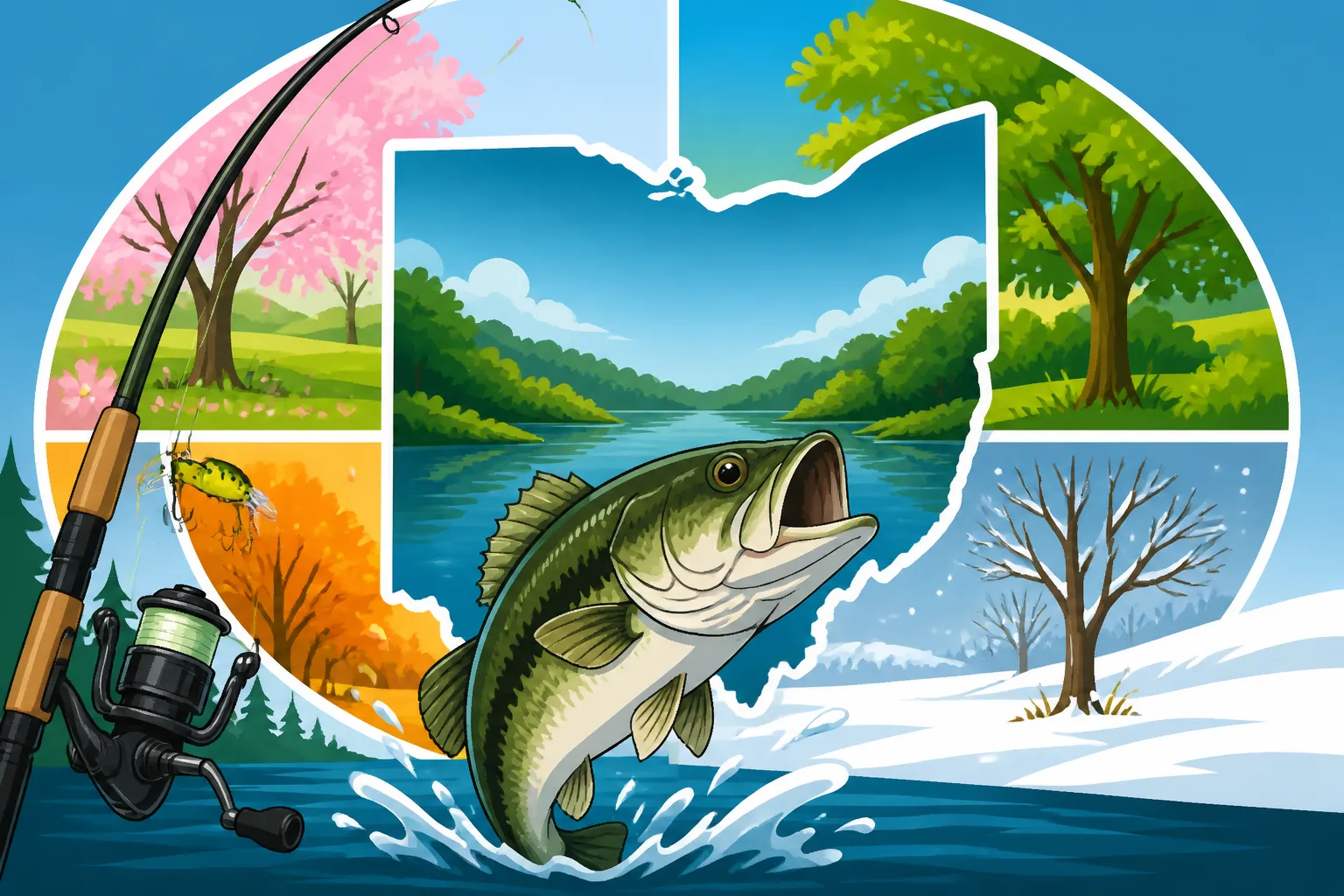
One common source of confusion for anglers is understanding what constitutes an "Ohio fishing regulation year." Unlike a calendar year that runs from January 1st to December 31st, Ohio's fishing regulations often operate on a fiscal year model for simplicity and consistency with biological cycles. This means the official fishing regulation year typically begins on March 1st and concludes on the last day of February the following year. For instance, the regulations for the 2025 season would cover March 1, 2025, through February 28, 2026.
Therefore, when we talk about "Ohio Fishing Season Effective Dates for 2026-27," we are primarily referring to the regulations that would become effective on March 1, 2026, and remain in place until February 28, 2027. This consistent start date helps anglers plan their spring fishing trips, which often coincide with important spawning periods for many species. Knowing this annual cycle helps you predict when to look for new information and adjust your fishing calendar accordingly. It also means that a license purchased for a specific year will be valid until the end of February of the next calendar year, which is a nice perk for those late winter ice fishing excursions. You can find more details about this cycle in the broader guide to Ohio Fishing Season Dates and Effective Periods.
Anticipating Key Season Dates for 2026-27
While we can't look into a crystal ball and give you the exact, finalized specifics for 2026-27 right now, we can definitely outline the general patterns and expectations based on how Ohio's regulations have historically operated. It's about knowing what to anticipate and where the ODNR typically focuses its attention. This foresight can help you start mapping out your fishing plans well in advance, even if you’re just penciling things in.
General Expectations for Major Species
For the vast majority of fish species in Ohio, you can expect continuous open seasons with consistent bag and size limits for 2026-27, much like the years before. Panfish like bluegill and crappie, most catfish species, and even popular game fish like largemouth and smallmouth bass (outside of specific protected spawning areas or tournaments) typically have year-round seasons. This stability is a huge comfort for anglers who love to target these species. It means you can generally plan your trips without worrying about an unexpected closure or a drastically different daily limit.
However, there are a few notable exceptions where specific seasons or unique rules apply, and these are the areas that are most likely to see careful annual review. Muskie, for example, often have a specific minimum length limit, and sometimes, the daily bag limit is very restrictive, often one fish. Steelhead runs in Ohio's Lake Erie tributaries are seasonal, peaking in fall, winter, and spring, and these rivers often have unique rules about bait and tackle. Stocked trout lakes also operate on a specific stocking schedule, which dictates when fishing for these species is most productive. For an overview of these rules, check out our guide on Ohio Muskie Size and Bag Limits and the Ohio Inland Trout Stocking Schedule. The good news is that these specific rules, while sometimes adjusted, follow predictable patterns year after year.
Lake Erie Specific Dates and Limits
Ah, Lake Erie! The Walleye Capital of the World, and a body of water that deserves its own discussion when it comes to regulations. The management of Lake Erie's prolific walleye and yellow perch fisheries is a collaborative effort between Ohio and other Great Lakes states and provinces. This means that bag limits, in particular, for walleye and yellow perch on Lake Erie are subject to annual review and can change more frequently than inland lake regulations. These decisions are based on comprehensive scientific assessments of fish populations, spawning success, and overall health of the fishery.
While the start date of the Lake Erie fishing season will still align with the statewide March 1st kickoff for the 2026-27 regulation year, the daily bag limits for walleye and yellow perch are usually announced closer to the season opener or even mid-season if conditions warrant. For instance, if the walleye population is booming, you might see a more generous bag limit, whereas a downturn could lead to more conservative limits to ensure sustainability. This adaptive management is crucial for protecting such a vital resource. Anglers should pay close attention to the ODNR announcements in late winter or early spring for the definitive numbers for that year. We have dedicated guides like Lake Erie Walleye Bag Limits and Lake Erie Yellow Perch Zone Limits that delve into these specifics as they are announced each year.
To give you a general idea of what to expect, here’s a table outlining typical regulation statuses for some popular Ohio species. Remember, specific bag and size limits for 2026-27 will be officially announced by the ODNR in late 2025 or early 2026, but the general season structure is usually very stable.
| Species | Typical Season Status (Ohio) | Notes for 2026-27 |
|---|---|---|
| Walleye (Lake Erie) | Continuous Open Season | Bag & size limits subject to annual review based on population. Expect official announcement by early 2026. |
| Walleye (Inland) | Continuous Open Season | Generally stable bag & size limits. |
| Yellow Perch (Lake Erie) | Continuous Open Season | Bag & zone limits subject to annual review. Expect official announcement by early 2026. |
| Largemouth/Smallmouth Bass | Continuous Open Season | Generally stable bag & size limits. Some specific lake/river restrictions may apply. |
| Crappie | Continuous Open Season | Very stable daily bag limits, no minimum size in most areas. See Ohio Crappie Daily Limit. |
| Channel Catfish | Continuous Open Season | Very stable daily bag limits, no minimum size in most areas. See Ohio Catfish Regulations by Species. |
| Muskie | Continuous Open Season | One-fish daily bag, high minimum length limit (e.g., 42-48 inches). |
| Inland Stocked Trout | Seasonal (following stocking) | Fishing is best immediately after stocking; often no closed season but focus on stocked periods. |
| Steelhead Trout (Tributaries) | Seasonal (fall-spring) | Open during runs; special gear/bait restrictions may apply on certain rivers during certain times. |
How to Stay Informed About Future Regulations
It's completely normal to feel a bit overwhelmed with keeping track of all the rules, especially when you're trying to plan for seasons a couple of years out. The key isn't to memorize every single regulation, but to know where to find the most accurate and up-to-date information. Staying plugged into the official channels will save you a lot of headaches and ensure you’re always compliant.
Official ODNR Resources
The absolute best and most reliable source for Ohio fishing regulations, including future effective dates and any potential changes for 2026-27, is directly from the Ohio Department of Natural Resources (ODNR) Division of Wildlife. They are the ultimate authority, and their resources are designed to be accessible to all anglers. The ODNR Division of Wildlife website (wildlife.ohiodnr.gov) is a treasure trove of information. You can find sections dedicated to fishing regulations, species guides, stocking reports, and more.
I highly recommend bookmarking their main fishing page and even subscribing to their email newsletter. These newsletters often contain timely updates on regulation changes, fishing forecasts, and other pertinent news. Following their official social media channels (like Facebook or X) can also be a great way to catch announcements as they happen. Furthermore, every year, the ODNR publishes the official Ohio Fishing Regulations Booklet which is free and available at most license vendors, bait shops, and online as a Ohio Fishing Regulations PDF Online. This booklet is your go-to guide, breaking down all the rules in an easy-to-understand format. For specific inquiries, don't hesitate to reach out to a local ODNR Division of Wildlife office – the staff are usually incredibly helpful and passionate about Ohio's natural resources.
Planning Ahead with Current Information
While the specific, finalized regulations for 2026-27 won't be available until late 2025 or early 2026, you can absolutely use the current year's regulations as a very strong foundation for your planning. Historically, Ohio’s regulations have shown a great deal of stability, especially for inland waters. Significant changes are generally well-publicized and often follow extensive public comment periods. So, if you’re looking to purchase a new fishing rod, a sturdy tackle box, or specialized lures, you can confidently check out options on Amazon based on the types of fishing you enjoy now, knowing they'll likely be relevant for 2026-27.
Think of it this way: the structure of the fishing year (March 1st start, etc.) is highly unlikely to change. What might change are numerical limits for specific species, especially on Lake Erie. Therefore, when planning an outing for, say, bass fishing on a local reservoir, you can safely assume the season will be open and the general limits will be similar. For Lake Erie walleye or perch, you'll want to double-check the ODNR site closer to the 2026-27 season opening for the finalized numbers. Getting your gear sorted, like a new fishing reel or a comfortable fishing vest from Amazon, can be done now, and then you can simply cross-reference the specific numbers when they're officially released. This proactive approach allows you to anticipate, prepare, and hit the water confidently when the time comes. Just remember that even basic rules like How Many Fishing Lines You Can Use in Ohio are important to review occasionally to ensure you’re always in compliance.
Disclaimer
The information provided in this guide is for general informational purposes only and is based on typical regulation cycles and historical data. Fishing regulations, including effective dates, bag limits, and size restrictions, are subject to change by the Ohio Department of Natural Resources (ODNR) Division of Wildlife. Anglers are always responsible for checking the most current and official Ohio fishing regulations booklet or the ODNR Division of Wildlife website before heading out to fish, especially for future seasons like 2026-27, to ensure compliance with all applicable laws and rules.