Best Ohio Fishing Techniques for Beginners
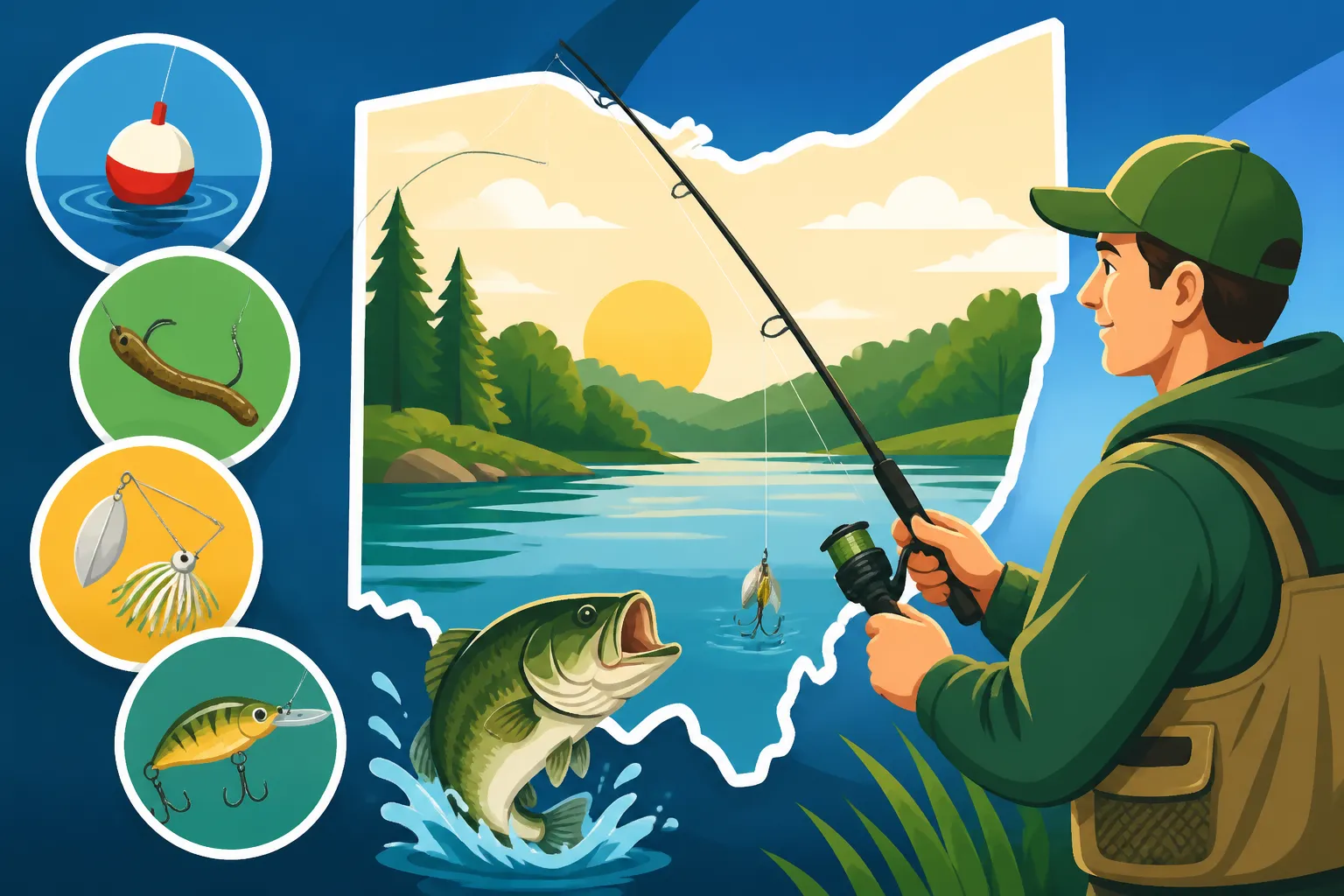
Stepping into the world of Ohio fishing can feel a little like trying to read a foreign language – all the regulations, the gear choices, the endless techniques! It’s easy to feel overwhelmed before you even cast a line, especially when you’re just trying to enjoy a peaceful day on the water. This comprehensive guide is designed specifically for new anglers, breaking down the best, most beginner-friendly fishing techniques in Ohio so you can build confidence and start reeling in fish.
Getting Started: Essential Mindset and Basic Gear for New Anglers
Embarking on any new hobby, especially one as nuanced as fishing, often comes with a mix of excitement and trepidation. For many, the sheer volume of information and specialized equipment can be intimidating. But here in Ohio, with its incredible diversity of waterways and fish species, becoming an angler is an immensely rewarding journey. The key is to start simple, focus on the basics, and allow yourself the grace of learning as you go.
Embracing the Learning Curve
Let’s be honest, no one becomes a seasoned angler overnight. There will be tangled lines, missed bites, and days when the fish simply aren't cooperating. And that’s perfectly, absolutely normal! The biggest "technique" a beginner needs to master isn't about casting distance or lure selection, but rather patience. Fishing is often as much about the quiet moments, enjoying nature, and the anticipation, as it is about the catch itself.
Think of those first few trips as practice sessions. Your goal isn't necessarily to land a trophy fish right away (though that's a wonderful bonus!), but to get comfortable with your gear, learn to read the water, and understand how different baits behave. Every snag, every missed fish, every re-tie is a learning opportunity that will make you a better angler in the long run. Don't compare your first few outings to the highlight reels you see online; just enjoy the process.
It’s also crucial to remember that fishing should be fun. If you find yourself getting frustrated, take a deep breath. Sometimes, a change of scenery, a different bait, or even just sitting back and watching the ducks can reset your mindset. The community of Ohio anglers is generally very welcoming, so don't be afraid to strike up a conversation at a local bait shop or fishing spot. Most folks are more than happy to share a tip or two.
Your First Tackle Box: Must-Have Essentials (without breaking the bank)
You absolutely do not need to spend a fortune to get started fishing in Ohio. The notion that you need top-of-the-line everything is a common misconception that scares many newcomers away. For a beginner, simplicity and versatility are your best friends. Your goal is to assemble a basic kit that allows you to target a variety of common, easy-to-catch species.
A good starting point is a medium-action spinning rod and reel combo. These are incredibly versatile, capable of handling everything from panfish to smaller bass and even some catfish. Look for a combo that feels comfortable in your hands, not too heavy, and around 6 to 7 feet long. Spool it with 6 to 8-pound test monofilament line; it's forgiving, easy to tie knots with, and relatively inexpensive. Many reputable brands offer excellent beginner combos that won't break the bank. You can often find great deals on these combos on platforms like Amazon, making it easy to get started.
Beyond the rod and reel, your tackle box essentials should include:
- Hooks: A variety of sizes, like #6, #8, and #10 Aberdeen or Baitholder hooks, for panfish and smaller baits. Also, a few larger sizes like #2 or #1 for catfish.
- Sinkers/Weights: Split shot weights (various sizes) for adding a little weight to your line, and a few bullet or egg sinkers (1/4 oz to 1/2 oz) for bottom fishing.
- Bobbers: Small clip-on bobbers are perfect for panfish, indicating even the lightest bites.
- Swivels: Small barrel swivels (size 7-10) help prevent line twist.
- Pliers/Forceps: Essential for removing hooks safely from fish and cutting line.
- Line Clippers: Small scissors or nail clippers work fine for trimming excess line.
- A Small Tackle Box: To keep everything organized.
That’s it! With this basic setup, you’re ready to tackle a vast array of fishing opportunities across Ohio. Resist the urge to buy every shiny lure you see; stick to these fundamentals and learn to use them effectively before expanding your arsenal.
Understanding Ohio's Fishing License and Regulations
Before you even think about casting a line, understanding Ohio’s fishing license and regulations is non-negotiable. It's not just about avoiding fines; it's about contributing to the conservation efforts that keep our waterways healthy and fish populations thriving for generations to come. Many beginners overlook this crucial step, but it's really quite simple to get sorted.
Every angler aged 16 and older needs an Ohio fishing license to fish in public waters. There are various options available, from annual licenses to multi-year and even lifetime options. For someone just starting, a one-year license is a great way to dip your toes in without a huge commitment. You can easily purchase your license online through the Ohio Department of Natural Resources (ODNR) website, or in person at most bait shops, sporting goods stores, and even some county auditors' offices. The process is straightforward, and you'll typically receive a digital copy you can carry on your phone, though a printed version is always a good idea. To learn more about specific requirements, check out our detailed guide on the Ohio Fishing License Guide for Residents and Nonresidents.
Beyond the license itself, it's vital to familiarize yourself with the Ohio fishing regulations every angler should know. These rules cover everything from daily bag limits (how many fish of a certain species you can keep) to minimum size limits, and even specific regulations for certain bodies of water like Lake Erie or the Ohio River. These regulations are designed to ensure sustainable fishing practices. Ignorance of the law is not an excuse, and wildlife officers do patrol waterways. You can find a comprehensive guide to these rules on the ODNR website, often in a handy digital booklet, or pick up a physical copy wherever licenses are sold. For more in-depth information on specific requirements, take a look at our article about Where and How to Buy an Ohio Fishing License.
A quick rundown of key things to look out for:
- Daily Bag Limits: How many fish of a particular species you can legally keep in one day.
- Size Limits: The minimum (and sometimes maximum) length a fish must be to legally keep it. Always measure from the tip of the nose to the end of the tail with the tail compressed.
- Special Regulations: Some lakes or rivers have unique rules regarding seasons, gear, or species. Always double-check the regulations for the specific body of water you plan to fish.
It sounds like a lot, but after a couple of trips, these rules will become second nature. The ODNR website is your best friend for staying up-to-date, as regulations can change from year to year.
Mastering the Fundamentals: Casting, Rigging, and Baiting
Once you have your license and basic gear, it's time to get down to the nitty-gritty: the actual act of fishing! Don't let fancy terms or complicated setups intimidate you. The core techniques are surprisingly simple and form the foundation of almost everything you'll do on the water. We're going to focus on spin casting, which is arguably the most beginner-friendly method.
Basic Casting Techniques: Spin Casting Made Simple
Spin casting is the most accessible way for beginners to get started, largely because the reel design minimizes line tangles and makes casting intuitive. You don't need to launch your bait a mile; accuracy and a gentle presentation are far more important, especially when you're starting out.
Here’s a step-by-step breakdown of how to master a basic overhead spin cast:
- Hold the Rod Correctly: Grip the rod with your dominant hand above the reel. Your index finger should be extended and resting on the rod, just in front of the reel, ready to control the line.
- Reel and Position Your Bait: Reel your lure or bait until it's hanging about 6 to 12 inches from the rod tip. This short distance gives you better control.
- Open the Bail: With your index finger, hold the fishing line firmly against the rod. Then, use your other hand to flip open the bail (the wire arm on the spinning reel). This releases the line, but your finger is still holding it in place.
- The Casting Motion: Bring the rod straight back over your shoulder, stopping when the rod tip is roughly behind your ear. Your elbow should be slightly bent. This loading motion puts tension into the rod.
- Forward Snap and Release: In one fluid motion, bring the rod forward in a smooth, arcing snap. As the rod comes forward and reaches about a 10 o'clock position (roughly 45 degrees in front of you), release your index finger from the line. The momentum of the rod and bait will carry your line out.
- Guide the Line (and Close the Bail): As your bait is flying through the air, use your non-dominant hand to manually close the bail or simply start cranking the reel handle, which will automatically snap the bail closed. This prepares your line for retrieval.
Practice, practice, practice! Start in an open yard or a large, clear area without trees or power lines. Use a casting plug (a weighted, hookless practice lure) or just a heavy sinker. Aim for a specific target, like a bucket or a small patch of grass. Don't worry about distance at first; focus on smooth movements and consistent accuracy. Once you're comfortable, take it to the water, and you'll be amazed at how quickly you pick it up.
The Versatile Bobber Rig: Your Go-To for Panfish
For many beginners, the bobber rig is where the magic of fishing truly begins. It's incredibly simple to set up, visually signals a bite (which is thrilling!), and is incredibly effective for common, easy-to-catch species like bluegill, crappie, and perch. If you want to build confidence and catch fish consistently, this is your bread and butter.
Here’s how to set up a basic bobber rig:
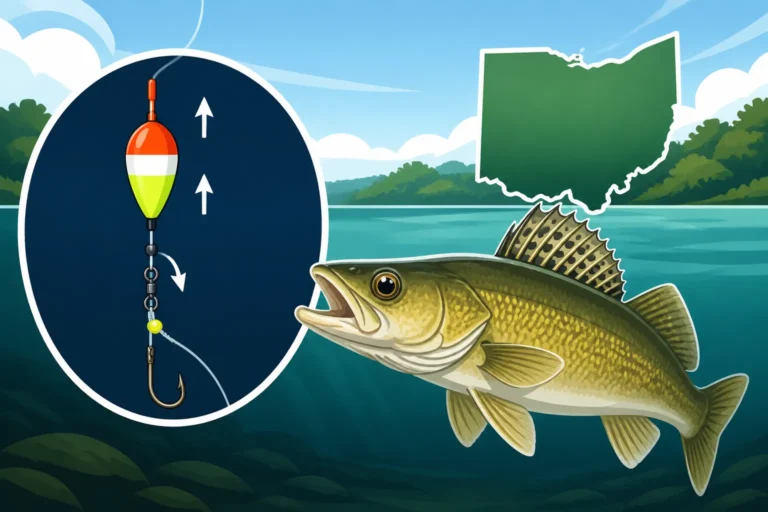
- Attach a Hook: Tie a small hook (sizes #6, #8, or #10 are ideal for panfish) to the end of your main line using a simple knot like the Improved Clinch Knot. If you're unsure about knots, there are countless easy-to-follow videos online. Practice tying them at home!
- Add a Split Shot Weight: About 6-12 inches above your hook, pinch one or two small split shot weights onto your line. These weights help your bait sink and keep it somewhat stationary. The amount of weight depends on the size of your bait and the bobber; you want just enough weight so the bobber sits nicely in the water without being completely submerged.
- Attach Your Bobber: Now, attach a small, clip-on bobber to your line. The distance between the bobber and the hook will determine how deep your bait fishes. For most panfish, starting with a depth of 2 to 4 feet is a good general rule. You can easily slide the bobber up or down the line to adjust the depth.
Once rigged, simply bait your hook with a live worm, a piece of corn, or a small soft plastic grub. Cast it out, let it sit, and watch that bobber like a hawk! When a fish bites, the bobber will usually dip, twitch, or go completely under the water. That's your cue to gently raise the rod tip to set the hook. This rig is fantastic for shore fishing in calm waters like ponds, slow-moving creeks, or protected coves on larger lakes. It’s a fantastic way to learn the rhythm of fishing and get that exciting first fish to the boat or bank. You'll be amazed at how quickly you can start pulling in fish like bluegill and crappie using this setup. If you're wondering about specific limits for these fish, check out our guide on Crappie and Panfish Daily Limits.
Simple Bottom Rigs: Targeting Catfish and Larger Species
While bobber fishing is fantastic for smaller, suspended fish, sometimes you need to get your bait down to the bottom where bigger species like catfish, carp, or even some larger bass like to lurk. This is where simple bottom rigs come into play. They're still easy to set up but are designed to keep your bait anchored near the bottom, even in light currents.
One of the most popular and versatile bottom rigs for beginners is the Slip Sinker Rig, often called a Carolina Rig in some circles (though a true Carolina Rig usually involves a swivel and leader, we'll keep it super simple here). This rig allows the fish to pull the line through the sinker without feeling the weight, which often results in a more confident bite.
Here’s how to set up a basic slip sinker rig:
- Thread Your Sinker: Take an egg sinker or a bullet sinker (1/4 oz to 1 oz, depending on current and casting distance needed) and thread your main fishing line directly through the hole in the sinker.
- Add a Bead (Optional but Recommended): Slide a small plastic or glass bead onto your line after the sinker. This protects your knot from getting abraded by the sinker when a fish bites or when you cast.
- Tie on a Swivel: Now, tie a small barrel swivel (size 7-10) to the end of your main line.
- Attach Your Leader and Hook: To the other end of the swivel, tie a piece of monofilament or fluorocarbon line about 12 to 24 inches long. This is your leader. To the end of the leader, tie your hook. For catfish, circle hooks (sizes #2 to 4/0) are excellent as they often hook the fish in the corner of the mouth, making for easier release and reducing gut hooks.
The beauty of this rig is that the sinker sits on the bottom, holding your bait in place, but the line can "slip" through the sinker when a fish takes the bait. This makes it harder for the fish to detect the weight of the sinker, giving you a better chance to set the hook. You won't have a bobber to watch, so you'll need to feel for bites. Keep a loose grip on your rod or watch the rod tip for subtle taps or bends. When you feel a solid pull or the rod tip consistently bends, lift your rod smoothly to set the hook. This rig is incredibly effective for targeting species like channel catfish, which are abundant in many Ohio waterways. If you’re interested in learning more about these whiskered wonders, our Ohio Channel Catfish Fishing Guide is a great resource.
Choosing Your Bait: Live, Lures, and Artificials for Beginners
Deciding what to put on your hook can be daunting with so many options available. For beginners in Ohio, it’s best to stick to proven, easy-to-use baits that appeal to a wide variety of fish. You’ll generally choose between live bait, artificial lures, or prepared baits.
Live Bait: This is almost always your best bet when starting out because it's natural and irresistible to most fish.
- Worms: The undisputed king of live baits. Nightcrawlers or red wigglers are fantastic for nearly everything that swims, from bluegill and crappie to bass and catfish. They’re easy to keep alive and simple to hook.
- Minnows: Excellent for crappie, perch, and even bass. You’ll need a minnow bucket with an aerator to keep them lively. Hook them gently through the lip or the back, ensuring they can still swim naturally.
- Crickets/Grasshoppers: A summertime favorite for panfish. Light, natural, and highly effective.
Artificial Lures: These require a bit more technique as you have to "work" them to mimic real prey, but they can be incredibly rewarding. For beginners, stick to simple, small lures.
- Soft Plastic Grubs/Curly Tails: These are incredibly versatile. Rig them on a small jig head (1/16 oz to 1/8 oz). They catch panfish, bass, and even some walleye. The tail action is irresistible.
- Small Inline Spinners: Think classic brands like Rooster Tail or Mepps. Cast them out and retrieve them steadily. The spinning blade attracts fish, and they’re great for panfish and small bass. You can find a huge variety of these on Amazon, making it easy to experiment with different colors and sizes.
- Small Crankbaits: For slightly more advanced beginners targeting bass. Look for shallow-diving models that are easy to cast and retrieve.
Prepared/Artificial Baits: These are often used for specific species and can be very effective without the hassle of keeping live bait.
- Corn: Believe it or not, canned corn is a fantastic bait for panfish and carp! Just put a few kernels on a small hook.
- PowerBait (for Trout): If you’re fishing stocked trout lakes in Ohio, PowerBait in various colors (often bright green or orange) is a deadly choice.
- Chicken Liver/Stink Baits: These are primarily for catfish. They’re messy but very effective at attracting catfish with their strong scent.
Don’t feel pressured to have every type of bait. Start with worms for panfish and maybe some chicken liver for catfish. As you gain experience, you can slowly introduce lures and experiment to see what works best in the waters you fish.
Your First Fish: Targeting Easy-to-Catch Species
The quickest way to get hooked on fishing (pun intended!) is to actually catch some fish on your first few outings. Thankfully, Ohio has an abundance of species that are willing biters and perfect for building a beginner's confidence. We're going to focus on the "gateway" fish that are plentiful, relatively easy to find, and a blast to catch.
Bluegill and Other Panfish: The Perfect Starting Point
If you want to guarantee some action and build immediate confidence, bluegill are your absolute best friends. These feisty little fish are incredibly abundant in nearly every pond, lake, and slow-moving stream across Ohio. They’re aggressive eaters, don't require fancy tackle, and are perfect for teaching you how to feel a bite and set a hook.
Bluegill are part of the "panfish" family, which also includes sunfish, rock bass, and sometimes even crappie. They’re called panfish because they fit perfectly in a frying pan – and they are absolutely delicious!
Where to Find Them: Bluegill love structure. Think:
- Docks and Piers: They congregate around the pilings for cover and food.
- Lily Pads and Aquatic Vegetation: Excellent ambush points and shade.
- Fallen Trees and Brush Piles: Providing shelter and insect habitats.
- Shallow Bays and Coves: Especially in spring when the water warms up.
How to Catch Them: Use the simple bobber rig we discussed earlier. A small hook (size #8 or #10) baited with a piece of a nightcrawler, a red wiggler, or even a few kernels of corn is usually all it takes. Cast your bait near structure, let it sit, and watch your bobber. When it starts dancing or goes under, give a gentle upward sweep of your rod to set the hook. You'll likely catch several! For identification purposes and more details on these common catches, take a look at our Ohio Bluegill and Sunfish Identification guide. If you're looking for specific locations where you're almost guaranteed to find them, our article on the Best Places to Catch Bluegill in Ohio will point you in the right direction.
Crappie: A Delicious and Fun Challenge
Crappie are another fantastic panfish that are just a step up in terms of a challenge, but still very accessible for beginners. They tend to be a bit more migratory and can be slightly more finicky than bluegill, but they grow larger and are arguably even tastier. Ohio boasts both black and white crappie, and both are excellent table fare.
Where to Find Them: Crappie also love structure, but often prefer slightly deeper water than bluegill, especially as the seasons change. Look for them around:
- Submerged brush piles and fallen trees: These are crappie magnets.
- Cribs or fish attractors: Many Ohio lakes have man-made fish structures.
- Bridge pilings and docks: Especially those over deeper water.
- The edges of weed beds: Particularly in spring and fall.
How to Catch Them: A bobber rig with a small minnow (hooked through the lip or back) is a classic and highly effective crappie presentation. You can also use small soft plastic jigs (1/32 oz to 1/16 oz) with tiny curly tails or paddle tails. Cast them near cover and retrieve them very slowly with a stop-and-go action. Crappie often have a very subtle bite, so watch your line for any twitch or slack. These fish can school up in large numbers, so if you catch one, there are likely many more nearby! Adjust your depth until you find them.
Channel Catfish: Bank Fishing Favorites
For those looking for a slightly larger, harder-fighting fish right from the bank, channel catfish are an excellent target. These whiskered bottom dwellers are incredibly abundant throughout Ohio's lakes, rivers, and even larger ponds. They’re opportunistic feeders and aren't particularly picky, making them a great target for new anglers.
Where to Find Them: Channel catfish prefer areas with:
- Deeper holes and depressions: Especially in rivers and larger reservoirs.
- Current breaks: Areas where the current slows down, like behind fallen trees or large rocks.
- Inflows and outflows: Where food might be washed in or out.
- Muddy or turbid water: They don’t rely on sight as much as scent.
How to Catch Them: The simple bottom rig (slip sinker rig) is perfect for channel cats. For bait, you can’t go wrong with:
- Cut Bait: Pieces of hot dog, chicken liver, or even cut-up oily fish like shad. The smell attracts them.
- Prepared "Stink Baits": Available at most tackle shops, these are designed specifically for catfish.
- Large Nightcrawlers: A big wad of nightcrawlers can be very effective.
Cast your bait out, let it sink to the bottom, and wait. Catfish bites can range from gentle taps to a sudden, aggressive pull that nearly takes your rod out of your hands. Be patient, give them a moment to take the bait, then set the hook firmly. They put up a fantastic fight! Always be mindful of the Ohio Catfish Daily Bag Limit when fishing for these.
Understanding Ohio's Waters: Where to Cast Your Line
Ohio offers an incredible diversity of fishing environments, from sprawling Lake Erie to serene farm ponds and winding rivers. Knowing where to go and what to expect from different types of water bodies is a crucial step in becoming a successful angler. For beginners, accessibility and the likelihood of catching fish are top priorities.
Public Ponds and Local Parks: Accessible Angling
For your very first fishing adventures, there is truly no better place to start than the public ponds and local parks scattered across Ohio. These spots are often designed with easy access in mind, making them perfect for families and new anglers.
Many of Ohio’s metropolitan park systems, like those in Columbus (Columbus and Franklin County Metro Parks) or Cleveland (Cleveland Metroparks), maintain numerous ponds that are regularly stocked with fish. These are typically smaller, calmer bodies of water with plenty of bank access, making them ideal for practicing casting and trying out your new bobber rig. They are often stocked with bluegill, channel catfish, and sometimes even rainbow trout, offering plenty of opportunities to catch a variety of species. You'll find amenities like restrooms, picnic areas, and paved pathways, which add to the comfort and convenience of your outing.
Ohio's state parks also offer fantastic fishing opportunities, often with well-maintained lakes and designated fishing areas. Places like Alum Creek State Park, Buck Creek State Park, or Deer Creek State Park, while larger, still have accessible areas perfect for beginners. The rules for fishing in state parks are typically the same as statewide regulations, but it's always good to double-check for any specific local rules. For more details on what to expect, read our guide on Ohio State Park Fishing Rules. These areas are fantastic for a quick trip, and because they're often maintained and stocked, your chances of catching something are usually pretty good, making them excellent Best Fishing Spots for Families.
The advantages of starting here are numerous:
- Easy Access: Often close to urban areas, with plenty of parking and clear banks.
- Calm Waters: Smaller ponds are less affected by wind and waves, making casting and detecting bites easier.
- High Catch Rate Potential: Often stocked, ensuring a healthy population of willing biters.
- Safe Environment: Generally family-friendly with other anglers around.
Small Lakes and Reservoirs: Expanding Your Horizons
Once you've built some confidence in local ponds, stepping up to Ohio's numerous small to medium-sized lakes and reservoirs is the natural next progression. These waters offer a wider variety of fish species and a chance to explore different types of fishing structure. While they might be bigger and have more open water, most still have plenty of accessible shoreline and boat ramps for those with small boats or kayaks.
Ohio is dotted with excellent fishing lakes like Indian Lake, Buckeye Lake, Lake LaDue, and Mosquito Creek Lake. These bodies of water are usually managed by the ODNR and often hold populations of larger bass (largemouth and smallmouth), crappie, bluegill, channel catfish, and sometimes even saugeye or walleye. They offer a great stepping stone from smaller ponds because while they are larger, they still often have distinct coves, bays, and shallower areas that are easy to target from the bank.
When fishing these larger waters, you'll start to pay more attention to "structure." Structure refers to anything in the water that provides cover or ambush points for fish, such as:
- Drop-offs and Ledges: Where the bottom quickly changes depth.
- Submerged Humps and Islands: Underwater high spots.
- Creek Channels: Old riverbeds that were flooded when the lake was created.
- Standing Timber or Laydowns: Trees that have fallen into the water.
Using the bobber rig for crappie and bluegill along weed lines or near docks, or the bottom rig for catfish in deeper pockets, will still be very effective. Exploring these diverse environments teaches you how to "read" the water and where fish might be holding. For specific tips on fishing these types of locations, check out our guide on Fishing Ohio's Farm Ponds and Small Lakes.
River and Creek Fishing: The Joys of Flowing Water
Fishing in rivers and creeks presents a unique set of challenges and rewards. The constant flow of water means fish often hold in different spots and behave differently than in still water. However, many of Ohio's rivers and larger creeks are teeming with fantastic fish like smallmouth bass, rock bass, channel catfish, and even sauger in larger systems like the Ohio River.
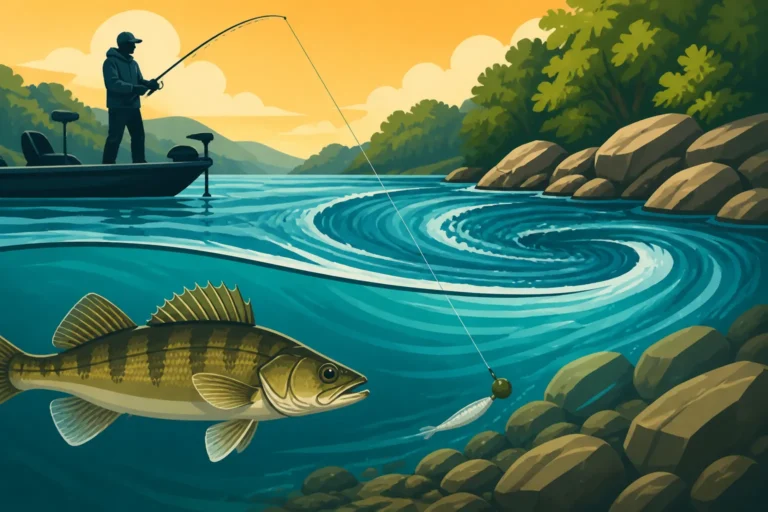
For beginners, start with smaller, slower-moving creeks or the calmer stretches of larger rivers. Focus on areas where the current breaks or slows down, as fish conserve energy by holding in these "slack water" zones. Look for:
- Eddies: Areas where the current swirls back upstream, often behind a large rock or log.
- Seams: The transition zone between fast and slow-moving water.
- Deep Pools: Often found on the outside bends of a river or below rapids.
- Fallen Trees and Log Jams: Providing shelter from the current and ambush points.
Your bottom rig will be very useful here, especially if you need to use a slightly heavier sinker to hold your bait in place against the current. Worms and cut bait are excellent choices for catfish. For smallmouth bass, try casting small inline spinners or soft plastic grubs upstream and retrieving them as they drift downstream. The current will impart a natural action to your lure.
Safety is paramount when fishing rivers. Always be aware of your footing, especially on slippery rocks. If wading, never wade alone and know the depth of the water. Start with accessible sections of rivers where the current isn't too strong, like the Scioto River near Columbus or calmer stretches of the Great Miami River. Learning to read river currents is a skill that takes time, but it opens up a whole new world of exciting fishing opportunities.
Essential Seasonal Strategies for Ohio Fishing
Fish behavior is heavily influenced by the seasons, primarily due to changes in water temperature and spawning cycles. What works in the spring might not work in the summer. Understanding these seasonal shifts will dramatically improve your chances of success. As a beginner, focusing on these general patterns will give you a significant advantage.
Spring: The Awakening Bite
Spring is arguably one of the best times of year for beginners to fish in Ohio. As the ice melts and water temperatures begin to rise, fish become incredibly active, shaking off their winter sluggishness and moving into shallower waters to feed and spawn. This often means they are easier to locate and more willing to bite.
- Panfish Bonanza: Crappie and bluegill are high on the list. As water temperatures climb into the 50s and 60s Fahrenheit, crappie will move into shallow brush piles and submerged cover, often staging before they spawn. Bluegill will follow shortly after, making beds in shallow, protected areas when the water hits the low 70s. This is prime time for a simple bobber rig with minnows or worms.
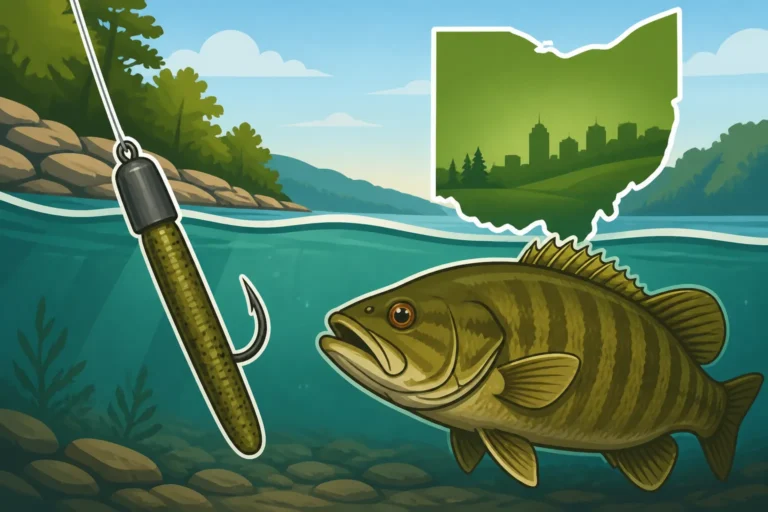
- Bass Awakening: Both largemouth and smallmouth bass become very active in spring. They'll move to warmer, shallower areas, often along rocky banks, weed lines, and fallen timber. Spinnerbaits, small crankbaits, or soft plastic stick baits (like a wacky-rigged Senko) can be very effective as they search for food and prepare to spawn.
- Catfish on the Move: Channel catfish will also become more active, moving out of their deeper winter holes to cruise shallower flats and creek channels, especially after a spring rain.
Focus on areas that warm up quickly, like north-facing banks or shallow coves. Early morning and late afternoon are often the best times. This is the time of year when many anglers report some of their best catches. For more specific spring tactics, consult our guide on Best Spring Fishing Techniques in Ohio.
Summer: Early Mornings and Late Evenings
Ohio summers can be beautiful, but the heat can also make fishing more challenging. As water temperatures soar, many fish become less active during the bright, hot midday hours. They'll often seek cooler, deeper water or dense cover to escape the sun. This doesn't mean fishing stops; it just means you need to adjust your strategy.
- Beat the Heat: The most crucial summer tip is to fish during the low-light hours – early mornings (before sunrise until a couple of hours after) and late evenings (an hour or two before sunset until dark). This is when fish are most likely to move out of cover and feed actively.
- Deep Water and Shade: During the day, look for fish in deeper sections of lakes and reservoirs, especially near thermoclines (the layer where water temperature changes rapidly). Shady areas like under docks, overhanging trees, or dense lily pads can also hold fish.
- Catfish All Night: Summer nights are prime time for catfish! They are primarily nocturnal feeders, using their incredible sense of smell to hunt in the dark. Break out those bottom rigs with stink baits or cut bait and enjoy the cooler evening air.
- Topwater Fun: For bass, summer mornings and evenings can offer exciting topwater action. Try casting frogs or poppers over lily pads or along weed lines at first light for explosive strikes.
Stay hydrated, wear sunscreen, and remember that summer fishing often requires more patience and a willingness to explore different depths and conditions.
Fall: Cooler Waters and Aggressive Feeding
As autumn arrives and water temperatures begin to cool, Ohio fishing heats up again! This is another fantastic time for beginners, as many fish species enter a "fall feeding frenzy" to bulk up before winter. They become more aggressive and less finicky, making them easier to catch.
- Walleye and Saugeye: While often more challenging for beginners, fall is when walleye and saugeye become more active in larger lakes and reservoirs. Trolling or casting crankbaits in deeper water can yield results.
- Crappie and Bass: These fish will start moving out of their deep summer haunts and back into shallower to mid-depth areas, often relating to structure. They're actively feeding, so jigs, spinnerbaits, and even crankbaits can be very effective. Look for them around points, channel swings, and submerged brush.
- Steelhead Runs: For the adventurous beginner, late fall marks the beginning of the steelhead run in Ohio’s Lake Erie tributaries. While these powerful trout can be challenging, a guide or experienced friend can help you get started.
Fall offers crisp weather, fewer crowds, and some of the most consistent fishing of the year. Fish are often concentrated and aggressively feeding, making it an ideal time to experiment with slightly more active lures than you might use in summer. To maximize your autumn catches, check out our Best Fall Fishing Techniques in Ohio guide.
Winter and Ice Fishing Basics (for the brave!)
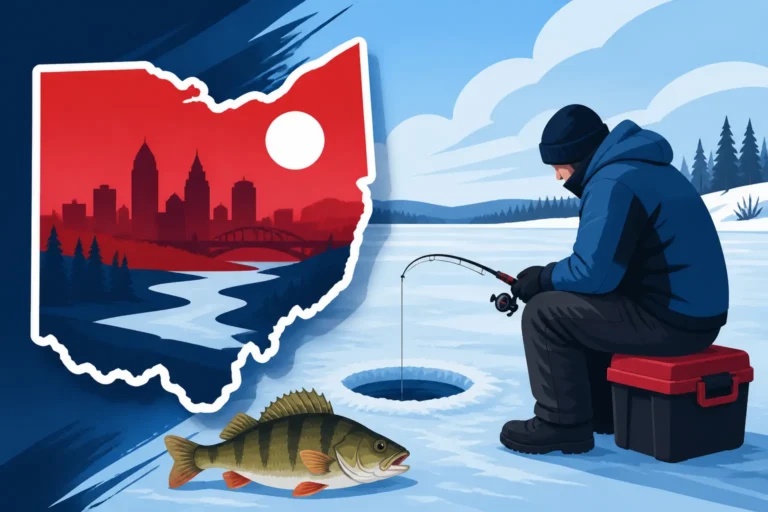
For the truly dedicated (or those who brave the cold), winter in Ohio offers unique fishing opportunities, primarily through ice fishing. This isn't usually where most beginners start, due to the specialized gear and inherent safety concerns, but it's an experience worth trying once you've gained confidence in open water.
- Safety First: Ice fishing requires absolute vigilance regarding ice safety. Never go out on ice alone, always tell someone where you're going, and carry safety equipment like ice picks and a rope. A general rule of thumb is at least 4 inches of clear, solid ice for safe walking, but this can vary. Always check local conditions and advisories from the ODNR.
- Specialized Gear: Ice fishing requires specific equipment: an ice auger to drill holes, a short ice rod, a small reel, and lures like jigging spoons or small ice jigs. A portable shanty (shelter) and a portable heater can make the experience much more comfortable.
- Target Species: Walleye, crappie, bluegill, and perch are popular ice fishing targets. They tend to hold in predictable areas under the ice, often near structure or drop-offs.
- Technique: Ice fishing involves jigging small lures or baits vertically through a hole in the ice. It’s a subtle game, often requiring light lines and sensitive rods to detect delicate bites.
While not for every beginner, ice fishing offers incredible solitude and the chance to catch some truly impressive fish when open water is locked up. If you're interested in learning more about this cold-weather pursuit, our detailed Ohio Ice Fishing Guide provides a comprehensive look at what you need to know.
Troubleshooting and Common Beginner Hurdles
Every angler, from novice to veteran, encounters challenges on the water. It’s part of the learning process! For beginners, these hurdles can sometimes feel insurmountable, leading to frustration. But with a little knowledge and patience, you can navigate these common issues and keep your spirits high.
Dealing with Snags and Line Tangles
Ah, the dreaded line tangle and the infuriating snag! These are rites of passage for every angler. Instead of letting them ruin your day, consider them unavoidable learning opportunities.
Line Tangles (Bird's Nests): These usually happen when casting, especially with spinning reels if too much line comes off the spool at once or if the bail isn't closed properly before retrieving.
- Prevention: Don't overload your reel with too much line. Use a smooth casting motion. Close your bail manually before you start reeling, or at least before your lure hits the water.
- Untangling: Take a deep breath. Often, you can pick apart the loops with your fingers. Start from the outside and work your way in. Sometimes, pulling a small section of line through the tangle can loosen it.
- When to Cut: Know when to admit defeat. If a tangle is too tight or has created kinks in your line, it's better to cut out the tangled section and re-tie. A weakened line is a broken line when you hook a good fish. Having good quality line, even if it's budget-friendly, helps a lot, and you can find a vast selection on Amazon with reviews to guide your choice.
Snags (Lures Stuck on the Bottom/Structure): This happens when your hook or lure catches on rocks, logs, weeds, or anything else underwater.
- Prevention: Learn to "read" the water. If you see fallen trees, rocks, or heavy weeds, try to cast just outside these areas or use a shallower presentation. If you're using a bottom rig, reel in slowly to avoid dragging your sinker directly through heavy cover.
- Getting Unsnagged:
- Slack Line: Give the line some slack; sometimes the lure will float free.
- Rod Tip Jiggle: Point your rod tip directly at the snag and gently jiggle it.
- Pull from a Different Angle: If fishing from a boat, move around the snag. From shore, try walking to either side.
- "Pop" the Lure: Point your rod at the snag, pull the line tight, then quickly release it. The sudden slack and snap might free the lure.
- Steady Pull: If all else fails, pull steadily until the line breaks (always point the rod tip at the snag and use both hands for safety to avoid the rod snapping back).
Losing a lure stings, but it happens. That's why starting with inexpensive, versatile lures is a good idea!
Identifying Bites and Setting the Hook
This is where fishing gets exciting! But for beginners, knowing when to set the hook can be tricky. Different fish bite differently, and conditions can affect how bites feel.
Identifying Bites:
- Bobber Bites: The easiest to spot. The bobber twitches, bobs, dips, or goes completely under. This is your clearest signal.
- Rod Tip Taps: When using a bottom rig, you might feel subtle taps or a steady pull on your rod tip. Watch for even the slightest bend or twitch.
- Line Movement: Sometimes, you won't feel anything on the rod, but you'll see your line suddenly go slack or start moving sideways. This often indicates a fish has picked up your bait and is swimming away.
Setting the Hook: This is crucial. A good hook set drives the point of the hook into the fish's mouth.
- Timing: For bobber fishing or light taps, wait until you feel a consistent pull or the bobber goes down definitively. For bottom fishing, give the fish a moment to really take the bait, then set the hook.
- The Motion: It's not a huge, wild swing! It's a quick, firm, upward sweep or sideways snap of the rod. Imagine lifting your rod tip from 9 o'clock to 11 o'clock. This motion should be done with your wrist and forearm, not your whole body.
- Reel and Maintain Tension: As soon as you set the hook, start reeling to take up any slack and keep constant tension on the line. This prevents the fish from shaking the hook.
It takes practice to differentiate between a fish bite and just a snag or current. Don't be afraid to set the hook on anything that feels suspicious – sometimes you'll be wrong, but often you'll be right!
Handling Your Catch: Keeping Fish and Staying Safe
Once you've successfully landed your first fish, knowing how to handle it properly is essential, whether you plan to keep it or release it. This protects both you and the fish.
General Handling Tips (for all fish):
- Wet Your Hands: Always wet your hands before touching a fish you intend to release. Dry hands can remove the fish's protective slime coat, making it vulnerable to disease.
- Support the Fish: Hold fish horizontally, supporting their body weight. Avoid holding them vertically by the jaw for long periods, especially larger fish, as this can damage their spine.
- Control the Thrashing: A thrashing fish can put a hook in your hand. Grip it firmly but gently. For toothy fish like muskie (once you progress to those!), use a net or specialized Boga-Grip tool.
- Pliers for Hook Removal: Always use pliers or forceps to remove hooks. This protects your fingers and allows for quicker, safer hook removal. Gently back the hook out the way it went in.
If Releasing:
- Minimize Air Time: Get the fish back into the water as quickly as possible.
- Revive If Necessary: If a fish seems sluggish, hold it gently in the water, facing into a slight current, and move it back and forth to push water through its gills until it swims away on its own.
- Be Ethical: Practice catch and release responsibly to ensure the health of fish populations.
If Keeping (and legal to do so):
- Ice is Key: If you intend to keep fish for eating, put them on ice immediately. This preserves their freshness and flavor. A cooler with plenty of ice is a must-have.
- Know Your Limits: Always double-check size and bag limits before keeping any fish.
Remember to exercise caution with any sharp fins or gill plates, especially on fish like catfish or perch. A small first-aid kit in your tackle box is never a bad idea.
Moving Beyond the Basics: Next Steps for Aspiring Anglers
Once you've caught a few panfish, mastered your casting, and feel comfortable with the basics, you're ready to expand your angling horizons! Ohio offers a lifetime of fishing adventures, and these next steps will help you continue to grow and enjoy the sport even more.
Exploring New Species and Techniques
The beauty of Ohio fishing is the sheer variety. Don't get stuck only catching bluegill (though there's certainly nothing wrong with that!). Once you're comfortable, start to challenge yourself by targeting new species or experimenting with different techniques.
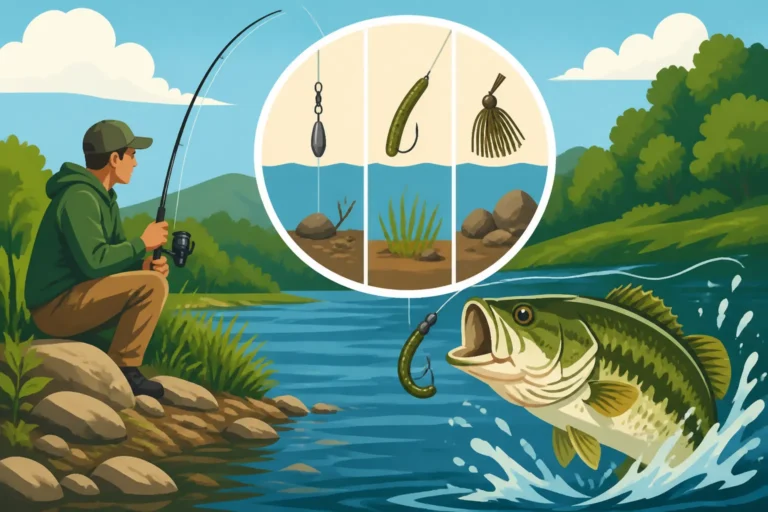
- Bass Fishing: Move from panfish to largemouth and smallmouth bass. They fight hard and strike a wider array of lures. This will introduce you to techniques like working crankbaits, spinnerbaits, or soft plastic worms. You'll learn to identify different types of cover and structure where bass hold.
- Walleye and Saugeye: These highly prized game fish can be more elusive, but incredibly rewarding. Learning to catch them often involves techniques like jigging, trolling with crankbaits, or using bottom bouncers with crawler harnesses. This will introduce you to the importance of boat control and understanding fish finders. Our Ohio Walleye Fishing Guide is an excellent resource once you’re ready to chase these.
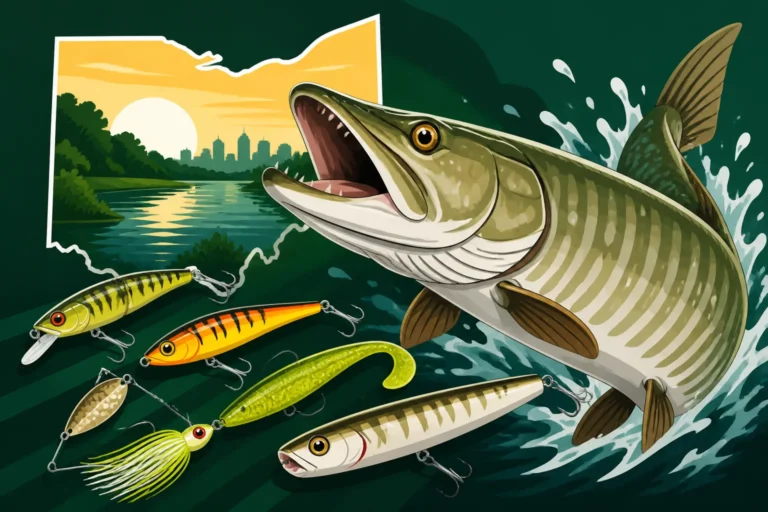
- Muskie: Known as the "fish of 10,000 casts," muskie are the ultimate freshwater predator in Ohio. Targeting them requires specialized heavy gear and a lot of dedication, often involving large lures and specific retrieve patterns like the figure-eight. This is usually a goal for more experienced anglers, but it’s an exciting one to work towards. If this sounds like your kind of challenge, check out the Ohio Muskie Fishing Guide.
- Fly Fishing: If you're looking for a graceful and engaging challenge, fly fishing for panfish, bass, or even steelhead in Ohio's Lake Erie tributaries can be an incredibly rewarding experience. It's a completely different casting technique and requires a new set of gear, but it connects you with the water in a unique way.
Don't try to learn everything at once. Pick one new species or technique, research it, and dedicate a few trips to trying it out. Each new success will build your confidence and expand your skill set.
Joining a Local Fishing Club or Online Community
One of the best ways to accelerate your learning and truly immerse yourself in the angling community is to connect with other fishermen. Fishing clubs and online forums are invaluable resources for beginners and experienced anglers alike.
- Local Fishing Clubs: Many Ohio towns and regions have local fishing clubs dedicated to specific species (e.g., bass clubs, muskie clubs) or general angling. These clubs often host meetings, tournaments, and educational events. They are fantastic places to meet experienced anglers who can offer tips, share local knowledge, and even invite you on trips. It’s also a great way to find fishing partners and make new friends who share your passion.
- Online Forums and Social Media Groups: Platforms like Facebook host numerous Ohio fishing groups. These online communities are vibrant places to ask questions, share photos of your catches, get real-time fishing reports, and learn about different techniques or tackle. Just be mindful of sharing exact spots publicly, as some anglers prefer to keep their favorite honey holes private.
- Bait Shops: Never underestimate the knowledge base of your local bait shop owner or employees. They often have the most up-to-date information on what’s biting, where, and with what bait in your immediate area. Don’t be shy about striking up a conversation and asking for advice.
Connecting with other anglers provides a wealth of information that you simply can't get from a book or video. It also fosters a sense of camaraderie that makes the sport even more enjoyable.
Investing in Quality Gear (When You're Ready)
You started with basic, budget-friendly gear, and that was the right call. But as your passion grows and you start targeting specific species or techniques, you'll naturally want to upgrade your equipment. This isn't about extravagance; it's about matching your tools to the task.
- Specialized Rods and Reels: For example, a dedicated bass angler might invest in a baitcasting setup for heavy cover, or a sensitive spinning rod for finesse techniques. A steelhead angler will need a longer, more forgiving rod. Each specialized rod and reel is designed to excel in specific situations, making your fishing more efficient and enjoyable.
- Higher Quality Line: Better quality fishing line (fluorocarbon or braid) offers improved casting distance, sensitivity, and strength, which can make a noticeable difference when targeting finicky fish or battling larger ones.
- Electronics: A portable fish finder can be a game-changer, especially for boat or kayak anglers, helping you locate fish, identify structure, and understand depth changes.
- Comfort and Safety Gear: Investing in good quality waders, a comfortable fishing vest, polarized sunglasses, or a more robust PFD (personal flotation device) enhances your overall experience and safety on the water.
When you're ready to upgrade, do your research. Read reviews, talk to experienced anglers, and visit reputable tackle shops to handle the equipment. Platforms like Amazon offer a wide range of products with user reviews that can help guide your decisions, ensuring you get the most bang for your buck on any upgrades you make. Remember, quality gear is an investment that will enhance your fishing experience for years to come, but it should come after you've developed a solid foundation of basic skills and a true love for the sport.
| Easy-to-Catch Ohio Species for Beginners | Best Bait/Lure | Typical Location | Ease of Catch | Taste (if keeping) |
|---|---|---|---|---|
| Bluegill/Panfish | Worms, Corn, Small Jigs | Docks, Lily Pads, Shallow Cover | Very Easy | Excellent |
| Crappie | Minnows, Small Jigs | Brush Piles, Submerged Structure | Easy to Moderate | Excellent |
| Channel Catfish | Cut Bait, Stink Baits, Worms | Deeper Holes, Current Breaks, Muddy Areas | Easy to Moderate | Good |
| Largemouth Bass | Worms, Spinnerbaits, Small Crankbaits | Weeds, Fallen Trees, Docks | Moderate | Good |
Disclaimer
The information provided in this guide is for general informational purposes only and is not intended to be a substitute for professional advice. Fishing regulations in Ohio can change, and it is always the angler's responsibility to consult the most current regulations published by the Ohio Department of Natural Resources (ODNR) before fishing. Always prioritize safety on and around the water.