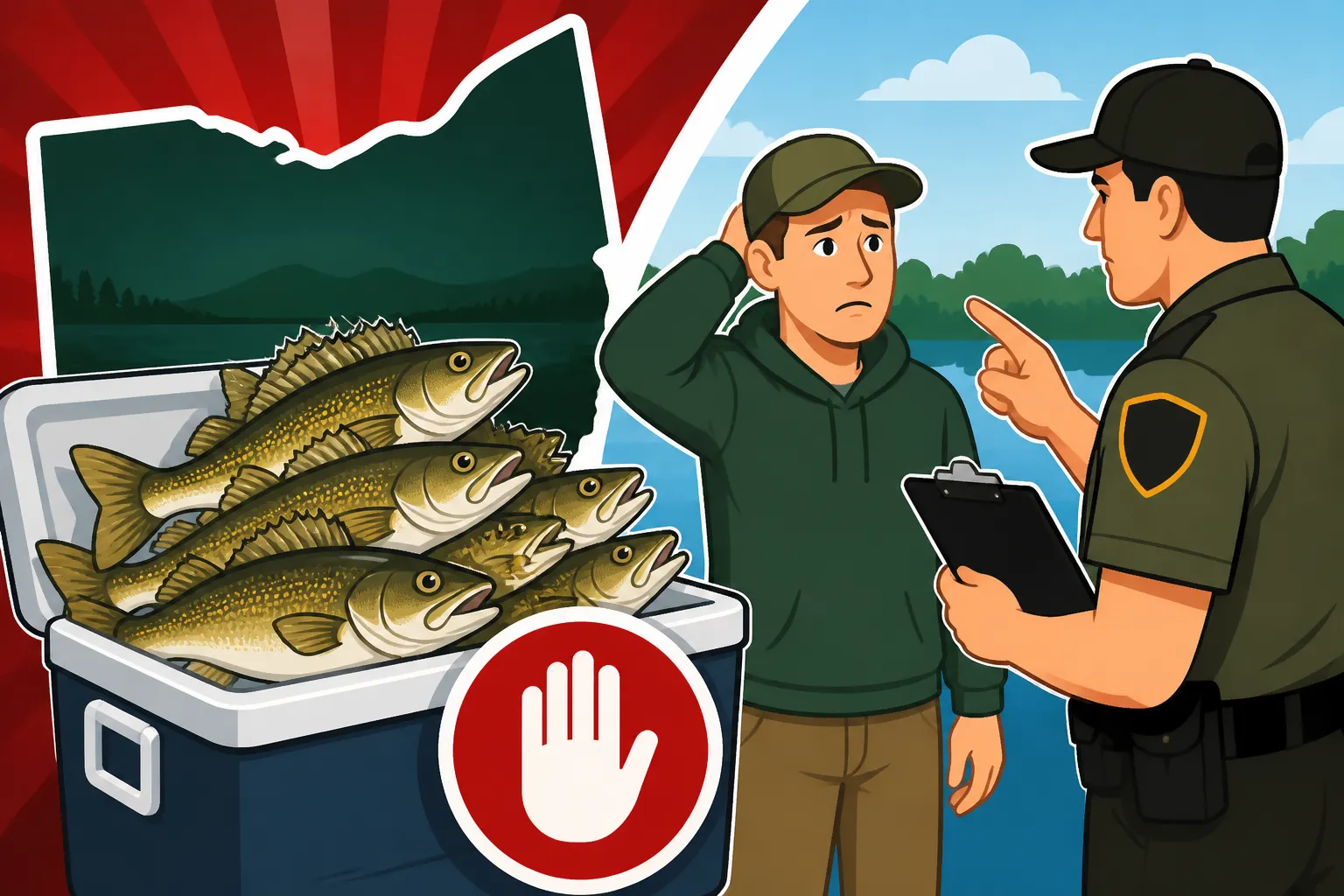
Penalty for Exceeding the Daily Walleye Limit in Ohio
It’s incredibly frustrating, isn't it? You head out for a peaceful day on the water, focused on the thrill of the catch, only to realize later you might have accidentally overstepped a regulation. Or maybe you're just genuinely curious about the severe consequences of keeping too many walleye. Understanding the ins and outs of Ohio’s fishing regulations, especially daily bag limits for popular species like walleye, can feel like navigating a legal minefield. This guide is here to cut through the confusion and clearly explain the penalties you could face for exceeding the daily walleye limit in Ohio, so you can fish confidently and legally.
Understanding Ohio's Walleye Daily Limits
Before we dive into the penalties, let's make sure we're all on the same page about what constitutes the walleye daily limit in Ohio. It’s not just an arbitrary number; these limits are carefully set to ensure the long-term health and sustainability of Ohio’s incredible walleye fishery, especially in places like Lake Erie.
Why Daily Limits Exist
Imagine if everyone could keep as many fish as they caught. Our lakes and rivers would quickly be depleted, leading to a collapse in fish populations and ruining the fishing experience for future generations. Daily limits are a cornerstone of responsible wildlife management. They're designed to:
- Protect Fish Stocks: Prevent overfishing and allow walleye populations to reproduce and grow.
- Ensure Fair Distribution: Give more anglers a chance to harvest fish, rather than a few taking a disproportionate share.
- Promote Healthy Ecosystems: Maintain the delicate balance within aquatic environments.
- Provide Quality Fishing: By maintaining healthy populations, the Ohio Department of Natural Resources (ODNR) ensures there are always plenty of fish for anglers to target, leading to more enjoyable and successful outings.
It’s about striking a balance: allowing anglers to enjoy their sport and bring home some delicious fish, while also safeguarding the resource. It’s a vital part of the broader Ohio Fishing Regulations Every Angler Should Know framework.
Current Walleye Limits in Ohio
Ohio's walleye limits can vary depending on the body of water and even the time of year, which is where a lot of the confusion comes in. The most prominent walleye fishery, of course, is Lake Erie, often hailed as the "Walleye Capital of the World."
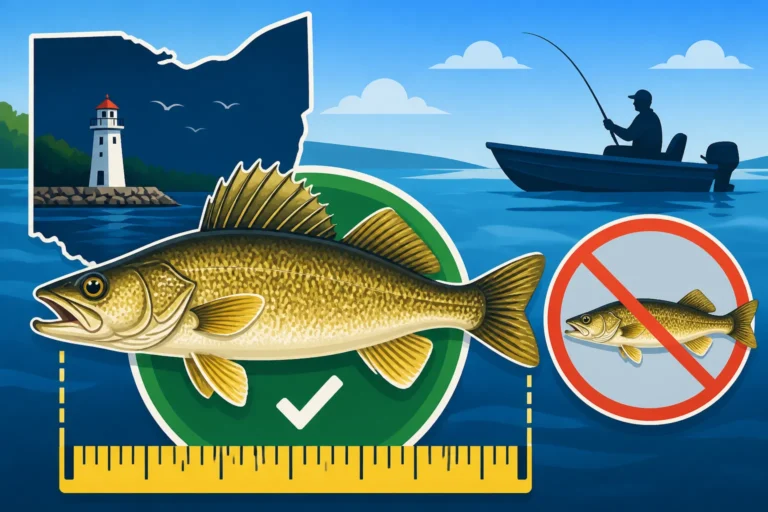
For Lake Erie, the daily bag limit for walleye is typically six fish per angler from May 1 to February 28. During March and April, the limit often drops to four fish per angler. There are also minimum length limits, usually 15 inches, which means you can’t keep smaller fish even if they bite. However, it's absolutely crucial to remember that these limits can change annually based on population assessments and scientific data. The ODNR Division of Wildlife announces these changes well in advance, usually in late winter or early spring. You can always check the most up-to-date information, including the specific Lake Erie Walleye Daily Bag Limit, on the official ODNR website or by grabbing a copy of the current Ohio fishing regulations booklet.
For inland lakes and rivers throughout Ohio, the general statewide walleye daily bag limit is often six fish, with a minimum length of 15 inches. However, there are exceptions. Some specific reservoirs, like Alum Creek Lake or Mosquito Creek Lake, might have slightly different rules to manage their unique walleye and saugeye populations. Always double-check the Ohio Statewide Bag and Size Limits for the specific body of water you plan to fish. Misinformation or outdated rules picked up through word-of-mouth can lead to accidental violations.
What Happens If You Exceed the Walleye Limit
So, you're out fishing, having a great day, and somehow you end up with more walleye in your cooler or on your stringer than the law allows. It's a mistake that can happen, especially when fishing with multiple people or if you simply lose count. But ignorance of the law is rarely an excuse that holds up.
Initial Contact with a Wildlife Officer
This is usually how it starts. You might be launching or loading your boat, or a wildlife officer might approach you while you’re actively fishing or checking your cooler. These officers are highly trained law enforcement professionals with specific jurisdiction over wildlife and natural resource laws. They’re usually looking for compliance and promoting safe, legal recreation.
When a wildlife officer approaches, the best thing you can do is be cooperative, polite, and honest. They have the authority to inspect your catch, fishing equipment, and licenses. If they find you have more walleye than legally permitted, they will begin the process of issuing a citation. This isn't just a friendly warning; it's a formal legal document.
The Citation Process
A citation for exceeding the daily bag limit for walleye is essentially a ticket, but it's more serious than a parking ticket. It typically falls under Ohio Revised Code (ORC) 1533, which governs fishing and hunting licenses and regulations.
Here's what generally happens:
- Identification: The officer will ask for your identification and your fishing license. This is a good reminder to always have your Ohio Fishing License Guide for Residents and Nonresidents readily available, whether it's a physical copy or on your phone.
- Documentation of Violation: They will count your fish and document the exact number you are over the limit. They might also take photos.
- Issuing the Citation: The citation will detail the specific offense (e.g., "exceeding daily bag limit for walleye"), the ORC section violated, the date, time, and location, and instructions on how to respond. You'll likely be given a court date or an option to pay a fine without appearing in court for less severe violations.
- Confiscation of Illegally Taken Fish: In most cases, any fish caught over the legal limit will be confiscated by the officer. They cannot be returned to the water, nor can you keep them.
- Explanation of Rights: The officer will explain your options, including your right to plead not guilty and appear in court.
Even if it feels like a simple mistake, exceeding the daily limit is a legal violation that carries tangible consequences, which we'll explore next.
Ohio Penalties for Over-Limits
The exact penalty for exceeding the daily walleye limit in Ohio isn't always a one-size-fits-all situation. It can depend on the number of fish over the limit, whether it's a first offense or a repeat offense, and even the discretion of the wildlife officer and the court. However, there are some clear ranges and types of penalties you can expect.
Monetary Fines and Court Costs
Generally, exceeding the daily bag limit for walleye is classified as a misdemeanor offense in Ohio. Most often, it falls under a minor misdemeanor, which can carry a maximum fine of $150. However, depending on the severity and if it's a repeat offense, it can escalate to a fourth-degree misdemeanor, which has a maximum fine of $250.
Beyond the base fine, you'll also be responsible for court costs. These can vary significantly by county and municipality, but they can easily add another $50 to $150 or more to your total bill. So, what might seem like a small infraction can quickly become a $200-$400 expense, not including any potential restitution.
For example, if you're found with eight walleye when the limit is six, you're two fish over. This could result in a fine, court costs, and then additional restitution for the illegally possessed fish. The court might also consider any previous violations, which could increase the severity of the fine or lead to a more serious charge.
Potential Jail Time and License Suspension
While it's rare for a first-time, minor over-limit violation to result in jail time, it is a possibility, especially for repeat offenders or more egregious violations (e.g., being significantly over the limit, or attempting to conceal the fish). A fourth-degree misdemeanor, for instance, can carry a jail sentence of up to 30 days, in addition to the fine. It's crucial to understand that these aren't just "fishing rules" but actual laws.
More commonly, however, the state of Ohio takes license suspensions very seriously. Violations of fishing regulations can result in points being assessed against your fishing license. Accumulating too many points can lead to a suspension of your fishing privileges for a certain period. This means you would be legally prohibited from fishing anywhere in Ohio for the duration of your suspension. For a dedicated angler, this can be a far more impactful penalty than a monetary fine.
The ODNR maintains a database of violations, so if you're cited for exceeding limits this year and then again a few years down the road, it will be considered a repeat offense, leading to potentially harsher penalties. This is why understanding Ohio Fishing License Types and Options and their associated regulations is so important.
Restitution for Illegally Taken Fish
One aspect many anglers don't realize until they're in trouble is the concept of restitution. The ODNR has established "replacement values" for various fish species. If you're caught with fish over the legal limit, you might be required to pay restitution to the state for the value of those illegally harvested fish.
The replacement value for walleye can vary, but it's typically set to reflect the cost of stocking or the ecological value of the fish. These restitution fees are on top of any fines and court costs. It's essentially paying back the state for the resource you unlawfully took. So, those extra two walleye could cost you not only a fine and court fees but also an additional amount for their "value." This is part of the larger schedule of Ohio Wildlife Officer Violation Fines in Ohio.
Here's a simplified look at potential costs:
| Violation Type | Fine Range (Misdemeanor) | Court Costs (Estimate) | Restitution (Per Walleye) | License Suspension Potential |
|---|---|---|---|---|
| Minor Over-Limit (1-2 fish) | $50 – $150 | $50 – $100 | ~$10 – $25 | Low (points possible) |
| Moderate Over-Limit (3-5 fish) | $100 – $250 | $75 – $150 | ~$10 – $25 | Moderate (points/short suspension) |
| Significant Over-Limit / Repeat | $200 – $500+ | $100 – $200+ | ~$10 – $25 | High (suspension, possible jail) |
Note: These are estimates and actual costs can vary widely based on jurisdiction and individual circumstances.
Avoiding Violations: Best Practices for Anglers
No one wants to face fines, lose their fishing privileges, or have their day on the water ruined by a citation. The good news is that avoiding these penalties is entirely within your control. It boils down to a combination of preparation, awareness, and honest self-regulation.
Know Before You Go
This is the golden rule of responsible angling. Before you even pack your tackle box, you should be fully aware of the regulations for the specific body of water you intend to fish.
- Consult the ODNR Website: The Ohio Department of Natural Resources Division of Wildlife website is your ultimate, most up-to-date source for all fishing regulations. They have detailed sections covering bag limits, size limits, and specific rules for different water bodies.
- Grab a Regulations Digest: Each year, the ODNR publishes a concise fishing regulations digest. These are available for free at most bait and tackle shops, outdoor retailers like Cabela's or Dick's Sporting Goods, and online. You can even find a waterproof copy of the Ohio Fishing Regulations Booklet on Amazon that you can keep in your tackle box or boat. Review it before you go, and keep it handy on the water for quick reference.
- Check Ohio Fishing Season Dates and Effective Periods: Be aware that limits can change seasonally, particularly on Lake Erie. A limit of six fish might drop to four during spawning periods in March and April.
Taking a few minutes to confirm the rules can save you hours of headache and hundreds of dollars in fines.
Counting Your Catch Accurately
When the bite is hot and you’re pulling in walleye after walleye, it's easy to lose track. This is especially true if you’re fishing with a group of friends or family on a charter or your own boat.
- Individual Responsibility: Remember, the daily limit applies to each individual angler with a valid fishing license. This isn't a boat limit. If four people are fishing, and the limit is six walleye per person, the boat’s total limit is 24, not six. However, each person is responsible for their own six fish.
- Designate a Catcher: If you're fishing with kids, especially those exempt from needing a license, be clear about whose limit the fish count towards. Generally, if a child is actively fishing, their catch counts towards their own (exempt) limit if applicable, or towards the limit of the adult supervising them. For clarity on this, refer to Ohio Fishing License Exemptions for Kids.
- Use a Stringer or Cooler Wisely: Keep your fish clearly separated if you're fishing with others. Some anglers use separate stringers, or different compartments in a cooler, to ensure each person's catch is distinct and easily countable.
- Stop When You're Close: If you're nearing your personal limit, consider switching tactics, trying for a different species, or simply calling it a day for walleye. It's better to be one fish under the limit than one fish over. For those looking to learn more about targeting this species, check out our Ohio Walleye Fishing Guide.
Using Technology and Resources
Modern anglers have access to a wealth of tools that can help them stay compliant.
- Smartphone Apps: Many fishing apps (some available on platforms like Amazon) allow you to log your catch as you go. This provides a real-time count and can remind you of local regulations.
- Digital Scales & Measuring Tapes: These are essential for ensuring your fish meet minimum length requirements. A quick measure can save you from keeping an undersized fish, which is also a violation.
- Talk to Local Experts: Bait shop owners, fishing guides, and even other experienced anglers are often excellent sources of information on current conditions and regulations. They might have insights into specific local rules or recent changes. If you’re ever unsure, don’t hesitate to ask. A responsible angler is an informed angler. Knowing the regulations for when the Best Time of Year to Fish Lake Erie for Walleye can also help you plan better.
By integrating these practices into your fishing routine, you can enjoy your time on Ohio's waters without the looming worry of a costly and frustrating citation. And once you've legally harvested your fish, don't forget to learn How to Fillet a Walleye for a delicious meal!
Disclaimer
Please note that this information is intended for general guidance and informational purposes only. Fishing regulations, laws, and penalties in Ohio can change, and interpretations may vary. It is your responsibility to consult the most current official Ohio Department of Natural Resources (ODNR) fishing regulations booklet or website for the most accurate and up-to-date information before engaging in any fishing activities. Relying solely on the information presented here without verifying with official sources may lead to violations.