Fishing the Ohio River for Sauger
The Ohio River can feel like a massive, overwhelming body of water, making it tough to know where to even start when you're dreaming of landing some delicious sauger. Many anglers get intimidated by the sheer size and current, often heading home frustrated or empty-handed. This comprehensive guide is here to tackle those challenges head-on, breaking down everything you need to know to successfully find and catch sauger in the mighty Ohio River.
Understanding Ohio River Sauger
Before you even cast a line, it's incredibly helpful to understand the fish you're after. Sauger are fascinating creatures, perfectly adapted to their riverine environment, and knowing their habits and preferences will significantly increase your chances of success on the Ohio River. They're often mistaken for their larger cousins, the walleye, but there are some key differences that make them unique and a worthy target.
Sauger vs. Walleye: Identifying Your Catch
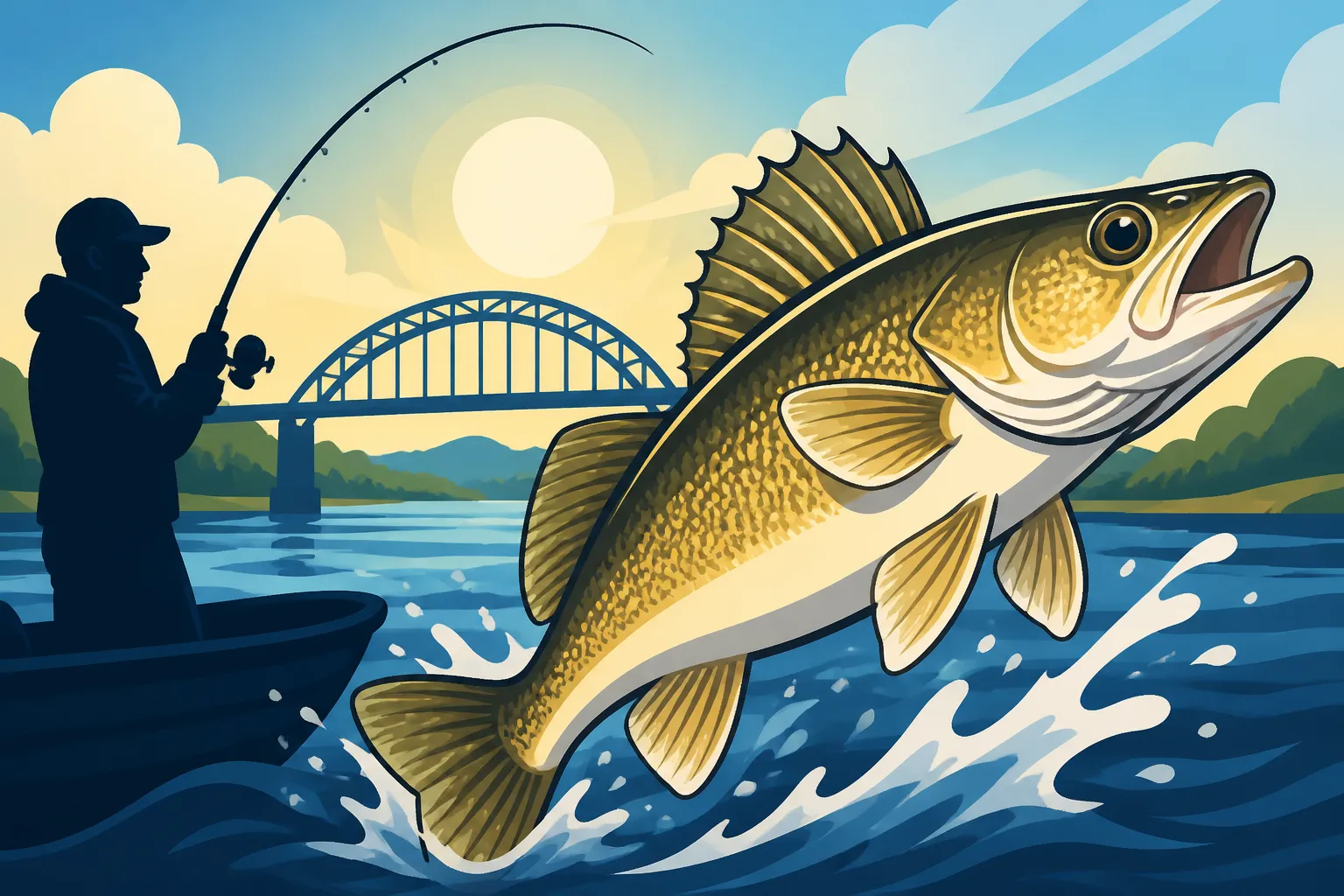
One of the most common confusions on the Ohio River is distinguishing between a sauger and a walleye, especially when they're fresh out of the water and flopping around. While they're both members of the perch family and share a similar torpedo-shaped body, there are a few tell-tale signs. Sauger tend to be smaller, generally topping out around 18-20 inches in the Ohio, while walleye can grow much larger. The easiest way to tell them apart is to look at their dorsal fin. Sauger have distinct dark spots arranged in rows on their spiny dorsal fin, a pattern that is typically absent on walleye. Walleye, on the other hand, usually have a prominent dark blotch at the base of their spiny dorsal fin and a white tip on the lower lobe of their caudal (tail) fin, which sauger lack.
Another visual cue is their coloration. Sauger typically have a more mottled, brownish-gold body with dark blotches and saddles, which helps them camouflage against the river bottom. Walleye often have a more uniform olive-gold coloration. Understanding these differences isn't just for bragging rights; it's crucial for adhering to specific fishing regulations, as the size and bag limits for Ohio River Sauger Regulations can differ from those for walleye in certain areas of the Ohio River system. Taking a moment to properly identify your catch is a sign of a responsible angler.
Preferred Habitats and River Structures
Sauger are true river dwellers, thriving in environments with moderate to strong current. Unlike walleye that might venture into open water or shallower flats, sauger prefer deeper, scoured-out holes, current seams, and areas with hard bottom suchers as rock, gravel, or sand. They love to position themselves just out of the main force of the current, often behind submerged structures like wing dams, bridge pilings, rock piles, or sunken logs. These spots offer them a perfect ambush point where they can dart out to grab passing baitfish without expending too much energy fighting the flow.
When you're out on the Ohio, look for these natural current breaks and deeper pockets, especially where the river narrows or bends. The areas downstream from dams are also classic sauger haunts, as the turbulent water creates oxygenated pockets and concentrates baitfish. Don't overlook the mouths of tributary streams, where cooler water and additional forage can attract sauger, particularly during warmer months or specific migratory periods. Understanding the bottom contours and identifying these structures, often through the use of a good fish finder, is paramount to consistently locating sauger.
Spawning Habits and Post-Spawn Behavior
Sauger typically spawn in late winter to early spring, usually when water temperatures reach the low to mid-40s Fahrenheit. They are broadcast spawners, meaning they release their eggs and milt over gravel and rocky bottoms in areas of moderate current. Unlike some species, sauger don't build nests or guard their eggs. After spawning, which often occurs in the main river channel or upstream in larger tributaries, they disperse throughout the river system.
Post-spawn can be a fantastic time to target sauger, as they are often hungry and recovering from the rigors of reproduction. They'll typically move to deeper feeding areas, still utilizing those current breaks and ambush points, but with a renewed focus on fattening up. Knowing these patterns helps you anticipate their movements. If you were catching them in shallow, rocky areas during the pre-spawn run, expect them to drop back into deeper pools and channels as the water warms and they transition into their post-spawn feeding phase.
When to Target Ohio River Sauger
Timing is everything in sauger fishing. While they can be caught year-round, certain seasons and conditions on the Ohio River will produce significantly better results. Understanding these peak windows will help you plan your trips for maximum success.
Seasonal Sauger Movements and Peak Times
Sauger fishing on the Ohio River really shines during the cooler months. Fall, winter, and early spring are generally considered prime time. As water temperatures drop in the fall, sauger become more active and begin to school up in deeper holes and channels, preparing for winter. This makes them easier to locate and target. The bite often remains strong throughout the winter, especially during periods of stable weather, often even under ice in certain backwaters, though ice fishing on the main Ohio River is rare due to the strong current and barge traffic.
The spring run, just before and during their spawning period, can be absolutely phenomenal. This is when sauger often congregate in specific areas, sometimes even moving into the lower reaches of tributaries like the Muskingum River or the Scioto River for spawning. However, once spawning is complete and water temperatures consistently rise into the 60s Fahrenheit, the bite can slow down. Sauger tend to become more scattered and less aggressive in the heat of summer, though dedicated anglers can still find them in the deepest, coolest pockets of the river.
Impact of Water Conditions and Current
The Ohio River's flow and clarity have a profound impact on sauger fishing. Sauger are visual predators, but they prefer somewhat turbid or stained water, which provides them with cover and helps them ambush prey. A slight stain to the water after a rain can often trigger a fantastic bite. However, excessively muddy water or extremely high flows after heavy rains can shut down the bite completely, as the fish become disoriented and visibility is too low. Conversely, crystal clear, low-flow conditions can also make them more wary and challenging to catch.
The ideal scenario is often stable or slightly rising water levels with a moderate stain. Current is critical; sauger use it to their advantage. Look for current seams where fast water meets slower water. The fish will be in the slower water, facing upstream, ready to pounce. Knowing How to Anchor in Current on the Ohio River effectively is a key skill here, allowing you to present your bait precisely in these productive zones. Always check river gauges and flow rates before heading out, as conditions can change rapidly.
Best Time of Day and Weather Considerations
While sauger can bite throughout the day, low light conditions often provide the best action. Early morning, late afternoon, and especially after dark can be prime times for sauger on the Ohio River. Under cloudy skies or during periods of stable, low-pressure weather, the bite can extend through midday. On bright, sunny days, sauger tend to hold tighter to cover and deeper water, becoming more active during the twilight hours.
Weather fronts also play a role. A slow, steady warming trend can improve the bite, while a sudden cold front can often make sauger lethargic. Wind direction can also influence success, especially if you're drift fishing. A gentle breeze that helps move your boat slowly over prime structure can be beneficial, but strong winds can make boat control and bait presentation incredibly difficult. Always pay attention to the forecast, looking for those stable weather windows that often correlate with active sauger.
Effective Techniques and Baits for Ohio River Sauger
Sauger fishing on the Ohio River isn't about fancy tackle; it's about precise presentation and understanding how to get your bait in front of these current-loving predators. There are a few tried-and-true techniques that consistently produce results.
Jigging and Vertical Presentation
Jigging is arguably the most effective technique for Ohio River sauger. Because sauger often hug the bottom in deeper holes and current breaks, a vertical presentation allows you to keep your lure in the strike zone for extended periods. This involves using lead-head jigs tipped with soft plastics, live minnows, or even a combination. Anglers typically position their boat directly over suspected sauger locations and drop their jigs straight down, maintaining contact with the bottom.
The key to successful jigging is a subtle lift-and-drop motion, mimicking a wounded baitfish or a crayfish scuttling along the bottom. You want to feel for that subtle "thunk" or added weight as a sauger inhales your lure. Popular jig sizes range from 1/4 ounce to 1 ounce or more, depending on the current strength and depth. Brighter colors like chartreuse, orange, and white often work well in stained river water, while more natural colors might be better in clearer conditions. Experimentation is vital. This technique is often effective in areas with significant current, where other presentations might be swept away too quickly.
Trolling and Drifting Strategies
When sauger are more spread out or you're covering larger areas, trolling and drifting can be incredibly productive. Trolling involves pulling crankbaits or bottom-bouncing rigs with live bait (like nightcrawlers or minnows) behind the boat, covering vast stretches of river. The goal is to keep your lures running just off the bottom, bumping structure occasionally to entice strikes. Medium-diving crankbaits in natural baitfish patterns or bright colors are popular choices. Ensure your trolling speed is slow enough to allow the lures to work properly and the sauger to catch them.
Drifting, on the other hand, utilizes the river's current to present your baits. This is particularly effective when sauger are concentrated in long, deep channels or along extensive current seams. Anglers typically use bottom-bouncing rigs with live bait or a jig-and-minnow combination, allowing the current to carry their presentation downstream. The trick here is to match the weight of your sinker or jig to the current speed, ensuring your bait stays in contact with the bottom without snagging excessively. Drifting through areas where you've seen baitfish or marked fish on your electronics can be extremely productive. Learning to control your drift with a trolling motor or drift sock can greatly enhance this technique.
Top Baits and Lure Selection
Sauger aren't overly picky, but certain baits and lures consistently outperform others on the Ohio River. Live bait is almost always a winner. Small to medium-sized minnows, especially fatheads or shiners, are irresistible to sauger when presented on a jig head or a bottom-bouncing rig. Crayfish are another natural food source for sauger, so soft plastic imitations or live crayfish can be very effective.
When it comes to artificial lures, lead-head jigs are king. Pair them with soft plastic grub tails, paddle tails, or tube baits. Colors can vary, but chartreuse, orange, white, and dark patterns like black and blue often produce in the Ohio's stained waters. Blade baits, like those from Johnson or Silver Buddy, are excellent for vertical jigging, especially in colder water, as their vibration and flash can trigger reactionary strikes. Small to medium-diving crankbaits, such as those from Rapala or Berkley, are perfect for trolling, mimicking the baitfish sauger feed on. Remember to always have a variety of options on hand, as sauger preferences can change day-to-day.
| Bait/Lure Type | Presentation Method | Ideal Conditions | Notes |
|---|---|---|---|
| Live Minnows | Jigging, Bottom-Bouncing, Drifting | Cooler water, moderate current | Always a top choice; use lively minnows for best results. |
| Soft Plastic Grubs/Paddle Tails | Jigging, Drifting | Stained water, varying current | Versatile, great for mimicking baitfish. Chartreuse, orange are popular. |
| Blade Baits | Vertical Jigging | Cold water, deep holes | High vibration and flash, excellent for triggering strikes. |
| Crankbaits (Diving) | Trolling | Covering large areas, moderate current | Choose baits that run just above bottom, matching local baitfish. |
| Jigging Spoons | Vertical Jigging | Deep water, active fish | Mimics injured baitfish, good for quick drops and erratic action. |
Prime Ohio River Sauger Fishing Spots
The Ohio River is vast, stretching hundreds of miles along Ohio's southern border. Knowing where sauger tend to congregate can save you a lot of time and fuel. Focus on areas with specific topographical features that attract these fish.
Productive Ohio River Pool and Dam Areas
The Ohio River is a series of dammed pools, and these dam areas are arguably the most productive spots for sauger. The turbulence below the dams creates highly oxygenated water and concentrates baitfish, drawing sauger in. Look for the deeper scour holes directly below the dams, as well as current seams and eddies forming along the lock walls or rip-rap banks. Good examples include the pools below the Meldahl Dam near Chilo, the Markland Dam near Warsaw, and the Cannelton Dam near Cannelton, Indiana (which influences Ohio waters). These areas can be incredibly dynamic, so always exercise extreme caution due to strong currents and boat traffic, especially around the navigational locks.
Navigating these areas requires skill and vigilance. Many anglers find value in chartering a guide, especially when first exploring a new dam pool. Websites like FishingBooker can connect you with experienced Ohio River guides who specialize in sauger fishing and can safely navigate these complex waters, often providing insights into the best spots and techniques for that specific stretch of river. Knowing the Special Fishing Regulations on the Ohio River around these structures is also crucial, as certain zones might have restrictions.
Finding Sauger in Tributary Confluences
Another hotspot for sauger are the confluences where major tributaries, such as the Muskingum, Scioto, or Miami Rivers, flow into the Ohio River. These junctions often create distinct current breaks, deeper channels, and sometimes warmer or cooler water temperatures depending on the season and the tributary's flow. Baitfish are often funneled into these areas, creating a feeding frenzy for sauger.
Focus your efforts on the seam where the tributary's water meets the main river flow. The sauger will often position themselves in the slower water just inside this seam, ready to ambush anything that gets swept out of the tributary. During the spring, some sauger will even make short runs up these tributaries to spawn, providing excellent opportunities closer to the mouths. Don't neglect the deeper holes and bends in the main river channel just downstream from these confluences, as they can serve as staging areas for hungry sauger.
River Eddy and Structure Fishing
Eddies, those swirling pockets of calmer water often found downstream of prominent points, bridge pilings, or large obstructions, are sauger magnets. These spots provide a respite from the main current and allow baitfish to gather, making them prime ambush points. Look for current lines that define the edge of the eddy; sauger will often hold right along this seam. The size and strength of an eddy can vary greatly with river flow, so observe the water carefully.
Beyond eddies, any significant underwater structure can hold sauger. This includes rock piles, old bridge footings, sunken barges or debris, and especially wing dams. Wing dams are submerged structures designed to control current flow, and they create fantastic current breaks and scour holes that sauger absolutely love. A good fish finder is invaluable for identifying these submerged structures. When fishing these spots, be prepared for snags, as the very structure that attracts the fish can also claim your lures. Remember that How Many Fishing Lines You Can Use in Ohio will impact your spread, especially if fishing from a boat.
Gear Essentials for Ohio River Sauger
Having the right equipment can make or break your sauger fishing experience on the Ohio River. You don't need the most expensive gear, but reliable tackle suited to the conditions will make your day much more enjoyable and productive.
Rod, Reel, and Line Selection
For Ohio River sauger, a medium-light to medium-action spinning or baitcasting rod, typically in the 6'6" to 7'6" range, is ideal. The action should be fast enough to detect subtle bites but have enough backbone to handle the strong current and any larger fish you might hook. A sensitive graphite rod is a huge advantage for feeling those light sauger taps. Pair this with a reliable spinning reel (size 2500-3000) or a low-profile baitcasting reel spooled with 8-12 pound test monofilament or fluorocarbon line. Many experienced anglers prefer a no-stretch braided line (10-20 pound test) with a 6-10 pound fluorocarbon leader for maximum sensitivity and strength, especially when jigging in current. Braided line will cut through the current better and allow you to feel those subtle bites even in deep water.
Terminal Tackle and Rigging
Your terminal tackle is crucial for effective bait presentation. For jigging, a variety of lead-head jig sizes (1/4 oz to 1 oz+) with strong, sharp hooks is essential. For bottom bouncing, you'll need bell sinkers or pencil weights ranging from 1/2 ounce to several ounces, depending on current and depth. These are typically rigged with a three-way swivel, a snell leader for your hook, and a dropper line for the sinker. This rig keeps your bait just off the bottom while the sinker maintains contact.
Always have a good supply of extra hooks (aberdeen or Kahle style, sizes #4 to #1/0 are common for minnows), swivels, and split shots. The Ohio River is notorious for snags, so be prepared to re-tie frequently. Consider using circle hooks for live bait, as they are excellent for promoting lip hooks and reducing gut-hooked fish, which is important for catch-and-release sauger. This also ties into the overall Ohio Fishing Regulations Every Angler Should Know to ensure compliance.
Essential Electronics and Safety Gear
A quality fish finder with GPS capabilities is an invaluable tool for sauger fishing on the Ohio River. It allows you to identify deep holes, submerged structures, and baitfish schools, significantly narrowing down your search. The GPS helps you mark productive spots and navigate safely. Modern side-imaging and down-imaging units from brands like Humminbird and Garmin can literally show you submerged wing dams or rock piles that are otherwise invisible.
Beyond electronics, safety gear is non-negotiable on a river as powerful as the Ohio. Always wear a life jacket or have one readily accessible for everyone on board. A marine radio or fully charged cell phone is crucial for communication, especially if you encounter issues with the current or weather. Anchor systems capable of holding your boat in strong current, paddle or oar, first-aid kit, and a throw cushion are all essential. Boater education, such as what's outlined in Ohio Boater Education Requirements for Anglers, is also highly recommended for anyone operating a vessel on these waters.
Navigating Ohio River Regulations for Sauger
Fishing the Ohio River means dealing with unique regulations, as it forms a border with Kentucky and West Virginia. It's not always as simple as following Ohio's statewide rules, so paying close attention to specifics is key.
Licenses and Reciprocity Rules
This is where things can get a little tricky for Ohio River anglers. Due to the river forming a state border, there are often reciprocal agreements regarding fishing licenses. Generally, if you possess a valid fishing license from Ohio, Kentucky, or West Virginia, you are legally permitted to fish the main stem of the Ohio River (from bank to bank, not including tributaries) that borders those states. However, this reciprocity usually does NOT extend to the tributaries of the other state. For example, if you have an Ohio license, you can fish the Ohio River itself, but you cannot fish a Kentucky tributary without a Kentucky license.
Always double-check the latest regulations from the Ohio Department of Natural Resources (ODNR) and the corresponding agencies in Kentucky (Kentucky Department of Fish and Wildlife Resources) or West Virginia (West Virginia Division of Natural Resources) to ensure you're compliant. It's a small hassle that can save you a big headache (and fine!) down the road. For more detailed information on permits, see the Ohio Fishing License Guide for Residents and Nonresidents.
Sauger Size and Bag Limits
Like most game fish, sauger on the Ohio River are subject to specific size and bag limits designed to protect their populations and ensure sustainable fishing. These limits can sometimes vary slightly depending on which state's regulations are being applied, or if there are specific interstate agreements in place. As of my last check, a common regulation for sauger on the Ohio River allows for a daily bag limit of 10 fish, with a minimum size limit of 14 inches.
It is absolutely crucial to verify these numbers with the most current regulations published by the ODNR, as they can change annually based on fisheries management data. Keeping a fish that is undersized or exceeding your daily limit can result in significant fines and confiscation of your catch. When you're out on the water, it's wise to have a measuring device handy and know your limits by heart. Always err on the side of caution if you're unsure about the size of a fish.
Special Regulations on the Ohio River
Beyond general licenses and limits, the Ohio River often has other special regulations that anglers need to be aware of. These can include:
- Closed Areas: Specific zones around dams or locks might have restricted fishing, especially for safety reasons or to protect spawning fish.
- Gear Restrictions: While typically not an issue for sauger fishing with rod and reel, sometimes certain types of netting or commercial fishing gear might be prohibited.
- Fish Consumption Advisories: Due to historical industrial activity, parts of the Ohio River may have consumption advisories for certain species to protect public health. Always check current advisories from the Ohio Department of Health.
- Boating Regulations: Beyond fishing, specific rules apply to boat operation on the Ohio River, including speed limits in certain areas, navigation rules around commercial traffic, and mandatory safety equipment. Always be mindful of commercial barges and towboats; they have the right of way and cannot stop quickly.
Understanding these special rules, often found in the "Special Fishing Regulations on the Ohio River" section of your state's fishing guide, ensures a safe and legal outing. If you're planning a trip with a guide, they should be well-versed in all these regulations, providing another reason why utilizing a service like FishingBooker to find a reputable captain can be so beneficial for a stress-free experience.
Disclaimer
Please note that fishing regulations, including license requirements, bag limits, and size restrictions, are subject to change. Always consult the most current regulations published by the Ohio Department of Natural Resources (ODNR) or relevant state agencies before heading out on the water. This guide provides general information and should not be considered a substitute for official legal documents.