Fishing Clendening Lake for Flathead Catfish
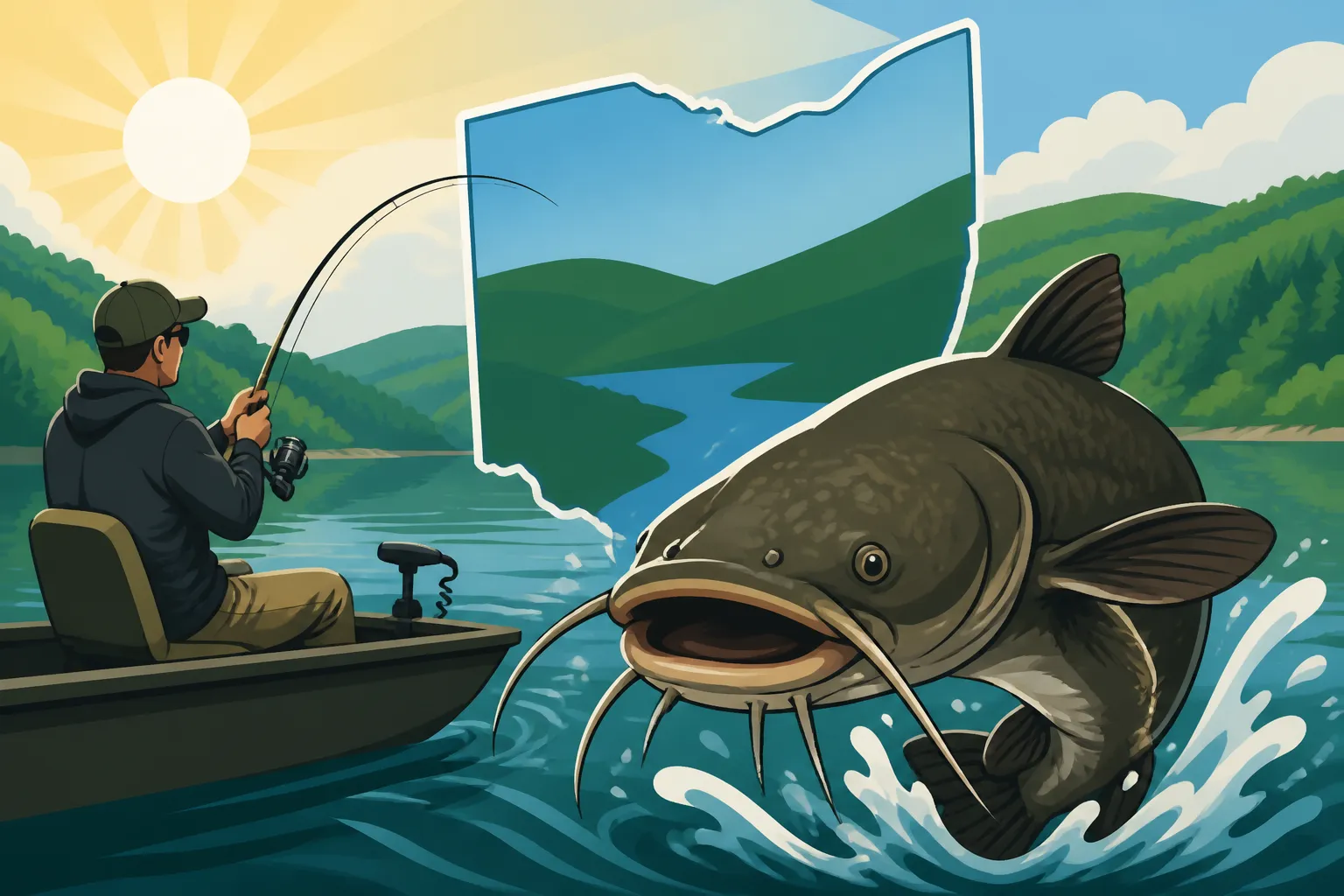
For many anglers, the thrill of battling a truly massive freshwater fish is unmatched, and in Ohio, few species offer that kind of brute strength and elusive challenge quite like the flathead catfish. If you've ever felt the frustration of casting for hours without a bite or wondering where these elusive giants hide, you're not alone. This comprehensive guide will take a deep dive into targeting these impressive fish specifically in Clendening Lake, sharing insights, techniques, and local knowledge to help you land the flathead of a lifetime.
Why Clendening Lake is a Flathead Catfish Hotspot
Clendening Lake, nestled in Harrison County, is a gem for Ohio anglers, especially those with a passion for big catfish. It's not just another body of water; it's an environment perfectly tailored for flathead catfish to thrive and grow to gargantuan sizes. Many local anglers will tell you stories of the giants pulled from its depths, cementing its reputation as a premier destination for these hard-fighting fish.
Habitat and Forage Richness
What makes Clendening Lake so special for flatheads? It really comes down to an abundance of their preferred habitat and a buffet of their favorite foods. Flathead catfish are ambush predators that love structure, and Clendening Lake delivers in spades. The lake is relatively deep in places, with extensive submerged timber, old creek channels, and significant rock formations. These features provide countless hideouts where flatheads can lie in wait, protected from the sun and current, ready to pounce on unsuspecting prey. These submerged structures are their castles, where they spend their days before emerging under the cloak of darkness to hunt.
Beyond shelter, the lake boasts a robust forage base, which is absolutely critical for growing big fish. Clendening is teeming with baitfish like gizzard shad and various panfish, including bluegill and crappie. These species form the primary diet of flatheads, providing the rich protein necessary for them to pack on pounds and reach impressive lengths. Imagine a flathead sitting patiently in a sunken tree, watching schools of shad swim by – it's a perfect setup for a successful hunt, and that's precisely what Clendening Lake offers.
Lake Characteristics Supporting Large Flatheads
Clendening Lake's unique characteristics extend beyond just cover and food; its overall ecosystem is primed for trophy flatheads. The lake is part of the Muskingum Watershed Conservancy District (MWCD) and maintains good water quality, which contributes to healthy fish populations across the board. The varied bottom contours, with depths reaching over 40 feet in some areas, offer flatheads a wide range of thermal layers and oxygen levels to choose from, allowing them to remain comfortable even during seasonal changes.
Furthermore, Clendening Lake isn't as heavily pressured for flatheads as some other waters in Ohio. While popular for bass and panfish, the dedication required to consistently target large flatheads means there's less competition for these specific fish, allowing them to mature without excessive angling pressure. This combination of ideal habitat, abundant food, good water quality, and relatively lower specific flathead pressure creates an environment where these fish can truly flourish and grow into the monsters that challenge even the most seasoned anglers. If you're wondering How Big Flathead Catfish Get at Clendening Lake, the answer is often "very big."
Understanding Flathead Catfish Behavior in Clendening Lake
To consistently catch flathead catfish in Clendening Lake, or anywhere for that matter, you need to think like a flathead. These are not indiscriminate feeders; they are strategic hunters with distinct preferences and habits influenced by the seasons, time of day, and underwater topography. Knowing these behaviors is your secret weapon.
Seasonal Movements and Patterns
Flathead catfish exhibit clear seasonal movements in Clendening Lake. In the spring, as water temperatures begin to rise, flatheads move from their deeper wintering holes into shallower areas to feed actively and prepare for spawning. They'll often be found in creek arms, along warmer shorelines, and near submerged timber where they can ambush baitfish. This can be a prime time for active fishing, as the fish are hungry after a colder period.
Summer sees flatheads often retreating to deeper, cooler waters during the day, seeking refuge in the main lake basin, deep channels, and around significant submerged structure. However, as dusk approaches and throughout the night, they venture out into shallower feeding flats and along primary breaklines. Fall is another excellent time to target them, as they feed heavily to build up fat reserves for winter, making them more aggressive and predictable. They'll often follow baitfish schools as they move into coves and shallower areas. In winter, they become largely dormant, congregating in deep holes, though a dedicated ice angler might still find a few.
Preferred Structure and Depths
Flathead catfish are creatures of structure. In Clendening Lake, this means focusing on areas with submerged trees, brush piles, rock ledges, and pronounced channel swings. They especially love areas where a channel makes a sharp turn or where a deep drop-off is adjacent to a shallower flat. These spots offer a perfect combination of ambush points and easy access to feeding grounds. Understanding Ohio Flathead Catfish Identification can help you distinguish them from other catfish species, though their unique head shape and mottled coloring often give them away.
During the day, particularly in summer, flatheads will often hug the bottom in deeper water, sometimes 20-40 feet deep, seeking the sanctuary of fallen trees or rock formations. As evening approaches, they might move up into 10-20 feet of water, or even shallower, if there's good cover and active baitfish. They prefer hard bottoms – gravel, rock, or firm clay – over soft, silty areas. Using your electronics to locate these depth changes and significant submerged cover is absolutely crucial for success on Clendening Lake.
Nocturnal Habits
Perhaps the most important aspect of flathead catfish behavior is their nocturnal nature. While you can catch them during the day, especially in spring and fall, your chances of hooking a true Clendening Lake monster dramatically increase after the sun dips below the horizon. Flatheads are primarily nocturnal feeders, using the cover of darkness to hunt more effectively. Their excellent sense of smell and lateral line system allows them to navigate and locate prey even in complete darkness or stained water.
Many veteran flathead anglers on Clendening Lake won't even start fishing until an hour or two before sunset, continuing well into the night. This means being prepared with good headlamps, navigation lights on your boat, and a system for managing your gear in low light. The quiet of the night also means less boat traffic and disturbance, which can make flatheads feel more comfortable moving out of their daytime haunts. Embrace the night, and you'll dramatically improve your odds.
Essential Gear and Tackle for Clendening Lake Flatheads
Tackling Clendening Lake's flathead catfish means you can't show up with flimsy gear. These fish are powerful, relentless fighters, and they live in unforgiving environments filled with snags and heavy cover. You need a robust setup that can handle the stress, hold up to powerful runs, and ultimately pull a big fish out of thick timber.
Rods, Reels, and Line Selection
For flathead catfish, your rod and reel combo needs to be heavy-duty. Forget your bass rods; you'll want a medium-heavy to heavy power casting rod, typically 7 to 8 feet long, with a fast action tip and plenty of backbone. Look for rods rated for 15-50 lb line and lures up to 8 oz. Brands like Ugly Stik or Berkley Big Game series are popular choices for their durability and power.
Pair that rod with a sturdy baitcasting reel or a robust spinning reel designed for big fish. A quality baitcaster like an Abu Garcia Ambassadeur or a Penn Squall is often preferred for its cranking power and line capacity. Ensure it has a strong drag system that can be locked down when a big flathead tries to dive into a brush pile. For line, braid is king. Spool up with 50-80 lb braided line, which offers superior strength, sensitivity, and abrasion resistance compared to mono. Many anglers will add a 2-3 foot leader of heavy-duty monofilament or fluorocarbon (50-80 lb) to the end of their braid for added abrasion resistance against sharp rocks and timber.
Hooks, Weights, and Rigs
The business end of your tackle needs to be just as tough. For flathead catfish, circle hooks are the way to go, both for effective hook-ups and for fish conservation. Choose robust, thick-gauge circle hooks in sizes ranging from 7/0 to 10/0, depending on the size of your bait. The self-setting nature of circle hooks often results in a perfect lip hook, which is much better for the fish if you plan on releasing it, and helps prevent gut hooking.
Weights should be heavy enough to keep your bait pinned near the bottom, especially when fishing in deeper water or areas with current (though Clendening is mostly still water, a heavy weight ensures your bait stays where the fish are). Egg sinkers or no-roll sinkers weighing 1-6 ounces are common. The exact weight will depend on depth, wind, and bait size. For your leader, use 50-80 lb monofilament or fluorocarbon. A simple slip-sinker rig is highly effective: thread your egg sinker onto your main line, tie on a heavy-duty swivel, then attach a 12-24 inch leader of mono/fluoro, and finally, your circle hook. This allows the fish to pick up the bait and swim off without feeling the resistance of the sinker immediately.
Baiting Strategies
When it comes to flathead catfish, live bait is almost always the answer. These fish are obligate predators, meaning they prefer live, struggling prey over cut bait or stink baits (which are more effective for channel catfish or blue catfish). Your choice of live bait is critical. Popular and highly effective options on Clendening Lake include:
- Bluegill: Small bluegill (4-7 inches) are fantastic flathead baits. They're readily available in Clendening and are a natural food source for flatheads.
- Gizzard Shad: If you can catch them, shad are another prime choice. Their oily nature and lively action are irresistible to flatheads.
- Suckers: White suckers or other small suckers, when available, are also excellent.
- Other Panfish: Small crappie or rock bass can also be used, adhering to Ohio Fishing Regulations Every Angler Should Know regarding their use as baitfish.
Present your live bait by hooking it lightly through the back, above the lateral line, or through the lips. This allows the bait to swim naturally and stay alive longer. Keep your live bait well-aerated in a large baitwell or bucket to ensure they are lively when you put them on the hook, as a struggling bait is what truly triggers a flathead's predatory instinct.
Top Techniques for Catching Flathead Catfish at Clendening
Successfully targeting flathead catfish at Clendening Lake involves more than just having the right gear; it requires patience, strategic placement, and understanding how to present your bait effectively. Here are some of the most productive techniques.
Anchoring and Still Fishing
This is arguably the most common and effective method for flatheads, especially when you've pinpointed a specific piece of structure or a proven flathead hole. The idea is to anchor your boat directly over or strategically upcurrent/upwind from the structure where you believe flatheads are holding. Use two anchors, one off the bow and one off the stern, to ensure your boat stays perfectly still, preventing it from swinging and dragging your baits.
Once anchored, cast your live baits to the edges of the structure, allowing them to settle on the bottom. If you're fishing submerged timber, try to place your bait just on the perimeter, as casting directly into the thickest part can lead to immediate snags. Use your rod holders and engage your clickers or set your drag appropriately. Patiently wait for a bite, which often starts as a subtle tap before a powerful, sustained pull. This technique works best during low-light conditions or at night when flatheads are actively foraging. You might want to consider How Many Fishing Lines You Can Use in Ohio to maximize your chances, but always stick to legal limits.
Drift Fishing Methods
While flatheads are often associated with static structure, drift fishing can be incredibly effective, especially when searching for fish in broader areas or when they are scattered. This technique involves slowly drifting your boat, allowing your live baits to cover a larger expanse of water. You can achieve this by using the natural wind or a trolling motor set to a very slow speed.
When drift fishing, pay close attention to your electronics to identify underwater contours, drop-offs, and subtle changes in the bottom composition that might hold fish. A precise drift allows your bait to mimic a free-swimming fish, covering potential flathead ambush points. This method is particularly useful in areas with submerged creek channels or along expansive flats adjacent to deeper water. Adjust your weight as needed to ensure your bait stays near the bottom without constantly snagging. Drift fishing can be a great way to locate active fish before anchoring down on a productive spot.
Jugging and Trotlining
For the more adventurous and those looking to cover even larger areas or fish multiple lines, jugging and trotlining are traditional methods for catfish. However, it's crucial to be aware of and strictly adhere to Ohio Fishing Regulations Every Angler Should Know regarding these techniques. Jugging involves setting individual lines attached to buoyant jugs or floats, each with a baited hook. These jugs are then released to drift, and when a fish strikes, the jug will move erratically, indicating a bite.
Trotlining involves setting a main line with multiple baited hooks spaced at intervals, anchored at both ends. Both methods can be highly effective for catching multiple fish, but they require careful setup and frequent checking. Regulations often specify the number of hooks allowed, marking requirements for the jugs/trotlines, and permissible times for deployment. Always consult the latest Ohio Department of Natural Resources (ODNR) fishing guide before attempting these methods to ensure you are compliant and avoid potential penalties. While less common for targeting trophy flatheads than focused rod-and-reel techniques, they can yield good results for quantity.
Navigating Clendening Lake: Access and Considerations
Clendening Lake is a fantastic fishery, but like any large body of water, it has its quirks and requires some familiarity for safe and efficient navigation. Knowing your access points and being aware of potential challenges will make your fishing trips much more enjoyable and productive.
Access Points and Boat Ramps
Clendening Lake offers several public access points and boat ramps, making it relatively easy for anglers to launch their vessels. The main boat ramp is typically located near the Clendening Lake Marina, often accessible off State Route 800. This is a popular spot and usually well-maintained, offering ample parking. Other, smaller access points might be available around the lake, some being gravel ramps or more primitive access points that are better suited for smaller boats or kayaks.
For those without a boat, there are opportunities for Ohio State Park Fishing Rules from shore in various spots, particularly near the marina or designated public areas. Always check maps or use online resources, perhaps even platforms like FishingBooker to scout out specific access points and amenities before you head out. Some ramps might have specific hours of operation or fees, so it’s always wise to verify current conditions with the MWCD or local authorities.
Navigational Challenges and Safety
Clendening Lake, while beautiful, can present some navigational challenges, especially for those unfamiliar with its waters. The lake is known for its extensive submerged timber and brush piles. These are fantastic for flatheads but can be hazardous for boat props and lower units. Always exercise extreme caution, especially when operating in shallower coves or unfamiliar areas, and consider using a good quality GPS with detailed mapping to highlight potential hazards.
Night fishing, which is prime time for flatheads, adds another layer of navigational complexity. Ensure your boat's navigation lights are fully functional, carry reliable headlamps, and be extra vigilant for unlit obstructions or other boaters. Weather can also change quickly, and the lake can get choppy with strong winds, so always check the forecast before heading out. Safety should always be your top priority. Have all required safety gear onboard, including life jackets for everyone, a whistle or horn, and a first-aid kit. A marine radio or fully charged cell phone is also essential for emergencies.
Conservation and Best Practices for Flatheads at Clendening
As passionate anglers, we have a responsibility to protect our fisheries. This is especially true for flathead catfish, which can live for many years and contribute significantly to the ecosystem. Practicing good conservation ensures that Clendening Lake remains a top-tier flathead destination for future generations.
Size and Bag Limits
Ohio has specific regulations in place for catfish, including flatheads, which are designed to protect their populations and allow fish to reach mature sizes. For flathead catfish, there is typically a daily bag limit of one fish that is 35 inches or larger, and an additional unrestricted limit on fish under 35 inches. This means you can keep smaller flatheads, but only one trophy-sized fish per day. Always check the current Ohio Catfish Daily Bag Limit published by the ODNR, as regulations can change from year to year.
Adhering to these limits is not just about legality; it's about sustainable fishing. Keeping only what you will eat and releasing the larger, older fish helps maintain a healthy breeding population, ensuring that there will always be big flatheads in Clendening Lake. These large fish are often the most prolific breeders, so their preservation is paramount.
Catch and Release Best Practices
Many flathead anglers, especially those targeting trophy fish, practice catch and release for fish over a certain size. If you plan to release a flathead, particularly a large one, doing so properly is crucial for its survival.
Here are some best practices:
- Minimize Fight Time: While exciting, try to land the fish as efficiently as possible to reduce its stress and exhaustion.
- Use Proper Gear: Heavy-duty rods, reels, and line, combined with strong circle hooks, help land fish quickly and result in lip hooks, which are less damaging than gut hooks.
- Handle with Care: Avoid dragging the fish on rough surfaces. Support its weight horizontally, especially for larger fish, to protect its internal organs and spine. Use large landing nets designed for big fish, or a sturdy pair of lip grippers.
- Wet Your Hands: If you must handle the fish directly, wet your hands first to avoid removing its protective slime coat.
- Quick Hook Removal: Have pliers or a de-hooking tool ready for quick and efficient hook removal. If a hook is deeply embedded and cannot be easily removed, cut the line as close to the hook as possible; stainless steel hooks will eventually rust out.
- Revive Gently: If the fish seems stressed or exhausted, hold it upright in the water, facing into any current, until it regains its strength and can swim away on its own. Do not just toss it back.
By following these guidelines, you increase the chances that the magnificent flathead you just caught will survive to spawn again and provide another angler with a thrilling fight in the future. Clendening Lake is a special place, and responsible angling keeps it that way. If you're looking to share your catches or find a guide for your next trip, many reputable captains listed on platforms like FishingBooker emphasize conservation and proper handling.
| Seasonal Flathead Tactics in Clendening Lake | Prime Location | Recommended Bait & Technique |
|---|---|---|
| Spring (Water Temp 50-65°F) | Shallower creek arms, warmer coves, timber | Live Bluegill/Shad, still fishing |
| Summer (Water Temp 70-85°F) | Deeper channels (day), feeding flats (night) | Live Bluegill/Sucker, still/drift |
| Fall (Water Temp 55-70°F) | Main lake points, deep breaks, structure | Live Shad/Bluegill, still fishing |
| Winter (Water Temp < 50°F) | Deepest holes, main lake basin | Less active, vertical jigging, dormant |
Disclaimer
Fishing regulations, conditions, and access points can change. Always consult the latest Ohio Department of Natural Resources (ODNR) fishing regulations and local advisories before planning your trip to Clendening Lake or any fishing destination. This guide is for informational purposes only and does not constitute official legal advice or guarantees of fishing success. Exercise caution and common sense while on the water.