Is Lake Erie Good for Shore Fishing?
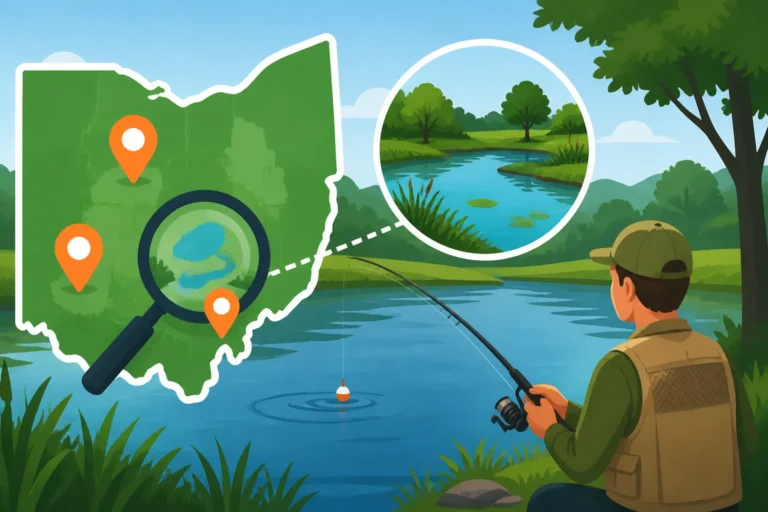
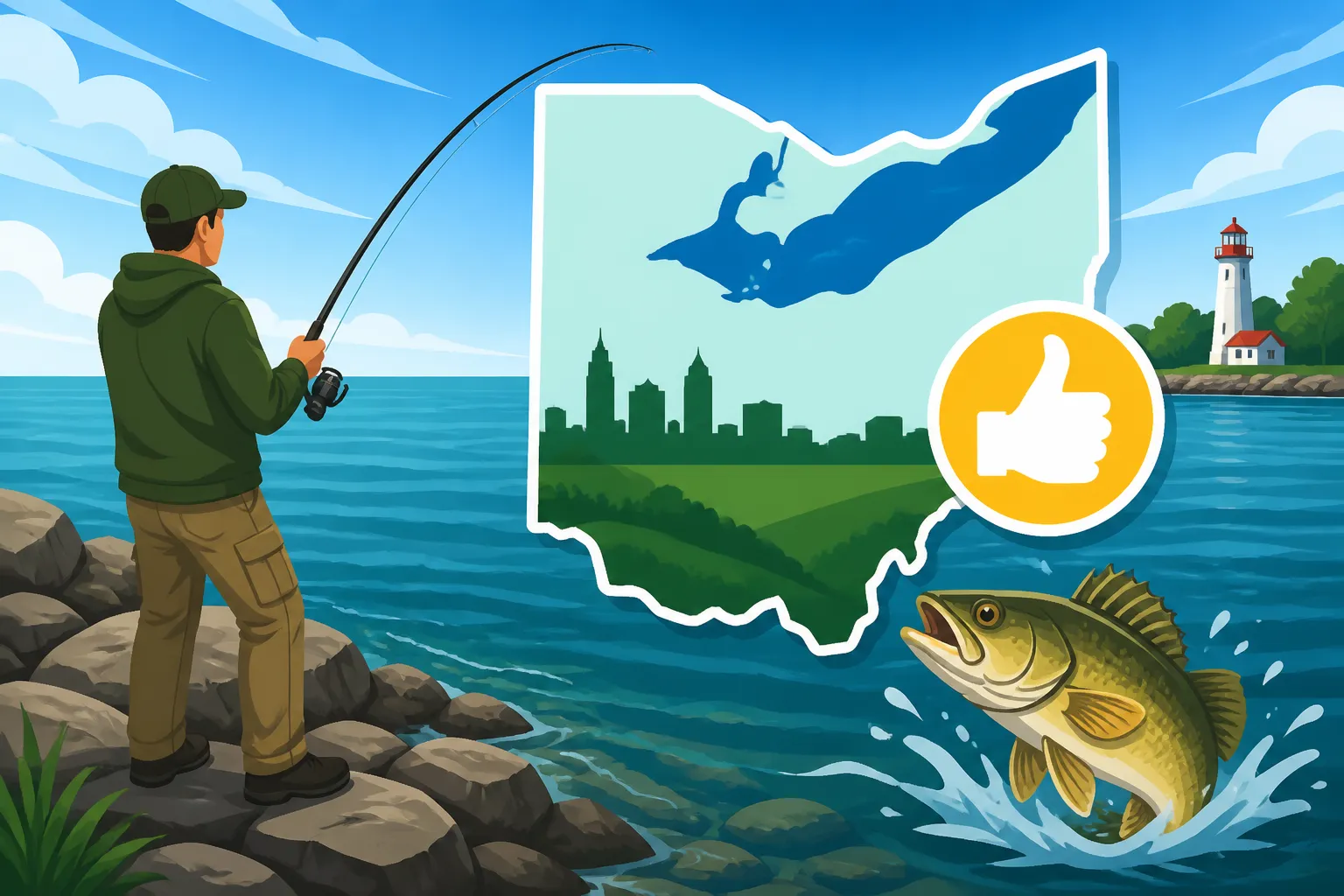
Many anglers dream of fishing the legendary waters of Lake Erie, but they often get stuck thinking that a big boat or an expensive charter is the only way to experience its bounty. This common misconception can be a real bummer for folks who don't own a vessel or are just looking for a more accessible fishing adventure. But I'm here to tell you that Lake Erie is absolutely fantastic for shore fishing, and this guide is going to walk you through everything you need to know to get started and find success right from the bank.
Why Lake Erie Shore Fishing is a Hidden Gem
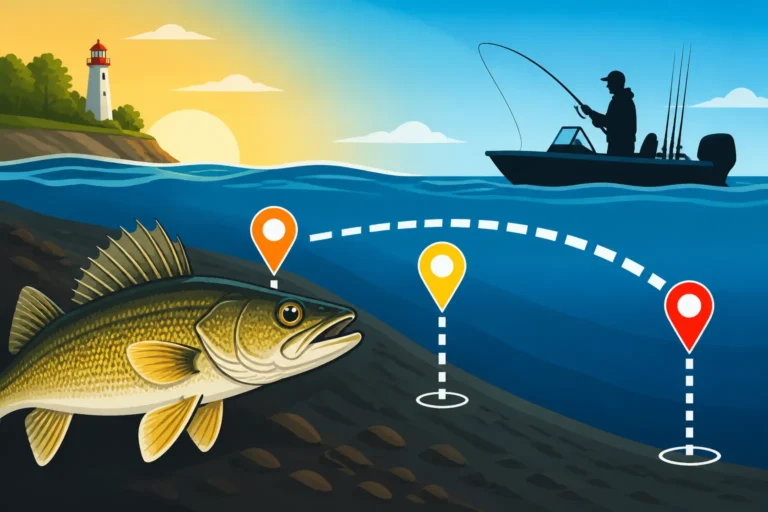
It’s easy to get caught up in the hype of offshore walleye trolling or deep-water perch jigging on Lake Erie. While those experiences are undeniably great, they often overshadow the incredible opportunities that lie just steps from the parking lot. Shore fishing on Lake Erie isn't just a fallback option; it's a vibrant, rewarding way to connect with this amazing fishery, offering unique advantages that even boat anglers sometimes miss.
Accessibility and Convenience for Every Angler
One of the biggest hurdles for many aspiring anglers is the cost and logistics associated with boat ownership or charter trips. Fishing from shore completely sidesteps these issues. Ohio boasts an impressive network of public parks, breakwalls, piers, and designated fishing areas along the Lake Erie coastline, making it incredibly easy for anyone to access prime fishing grounds. You don't need to worry about launching a boat, finding parking for a trailer, or navigating choppy waters. Just grab your rod, tackle box, and a cooler, and you can be casting within minutes.
This convenience extends beyond just ease of access. Shore fishing often means you can hit the water for a quick hour or two after work, or even just for a sunrise or sunset bite without the commitment of a full-day excursion. It’s perfect for families with kids who might not have the patience for a long boat ride, or for solo anglers who just want to unwind by the water. Many of these accessible spots are well-maintained, with amenities like restrooms, picnic areas, and paved pathways, enhancing the overall experience.
Diverse Fish Species You Can Catch From Shore
When people think of Lake Erie, walleye and yellow perch often dominate the conversation. And while you absolutely can catch both of those species from shore, the lake offers a much wider array of targets for the land-based angler. You'd be surprised at the variety of fish that patrol the shallower waters near the shoreline, feeding on baitfish, insects, and crawfish.
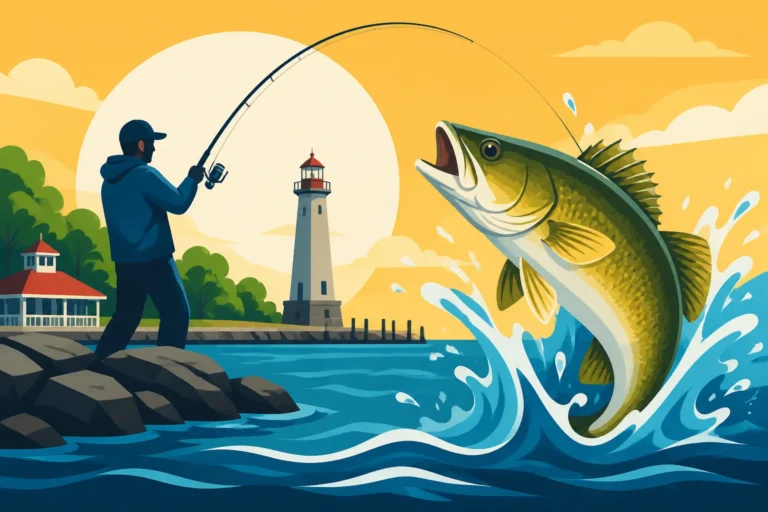
From casting spoons and crankbaits for aggressive smallmouth bass that lurk around rocky structures, to setting out bottom rigs for channel catfish or even flatheads, the possibilities are vast. During specific seasons, especially in the spring and fall, Lake Erie's tributaries become prime locations for targeting migrating steelhead. Even less commonly sought-after species like carp, white bass, and drum offer exciting fights and can be plentiful right from shore. This diversity means you can tailor your approach to whatever bites are hot, or simply enjoy the thrill of not knowing what might hit your line next. For a comprehensive overview of what the lake has to offer, check out our Ohio Walleye Fishing Guide and Ohio Yellow Perch Fishing Guide.
Seasonal Opportunities Throughout the Year
Lake Erie’s shore fishing scene is far from static; it transforms with the seasons, offering new challenges and rewards throughout the year.
- Spring: As ice melts and water temperatures rise, many species move shallow to spawn or feed aggressively after a long winter. This is prime time for tributary steelhead, yellow perch, and even early walleye. The warmer inshore waters attract baitfish, drawing in predators close to the banks and piers.
- Summer: While some species move deeper as temperatures soar, others remain accessible from shore. Smallmouth bass are active around rocky points and breakwalls, and night fishing can be incredibly productive for walleye, catfish, and even crappie that move shallow to feed under the cover of darkness. Many public docks and lighted areas can be hotspots after sundown.
- Fall: This is arguably one of the best times for diverse shore fishing. The cooler temperatures bring steelhead back into the rivers, large schools of yellow perch gather in the bays, and walleye often stage near river mouths and harbor entrances before their offshore migration. The autumn bite can be phenomenal and often less crowded than the summer months.
- Winter: For the truly dedicated, ice fishing from shore is an option in protected bays and harbors once sufficient ice forms. Yellow perch, crappie, and even pike can be caught through the ice. Of course, safety is paramount during winter, and checking ice thickness is non-negotiable. Even without ice, open water opportunities can exist in certain areas, particularly near warm water discharges or strong currents.
Top Spots for Shore Fishing on Lake Erie
Lake Erie's extensive coastline offers a plethora of shore fishing opportunities, each with its unique characteristics and target species. From bustling metropolitan parks to quiet state park accesses, there's a spot for every angler.
Western Basin Hotspots
The Western Basin of Lake Erie, stretching from Toledo to Sandusky, is renowned for its shallow, nutrient-rich waters and incredible fishery, particularly for walleye and yellow perch. Many prime shore fishing spots are concentrated here.
- Maumee Bay State Park (Oregon): This park offers extensive shore access, including a fishing pier and access along the causeway. It's a fantastic location for yellow perch, especially during the spring and fall runs when they come into the shallower bay waters. You can also catch largemouth bass, channel catfish, and various panfish here. Its protected waters make it an excellent spot for families or beginners.
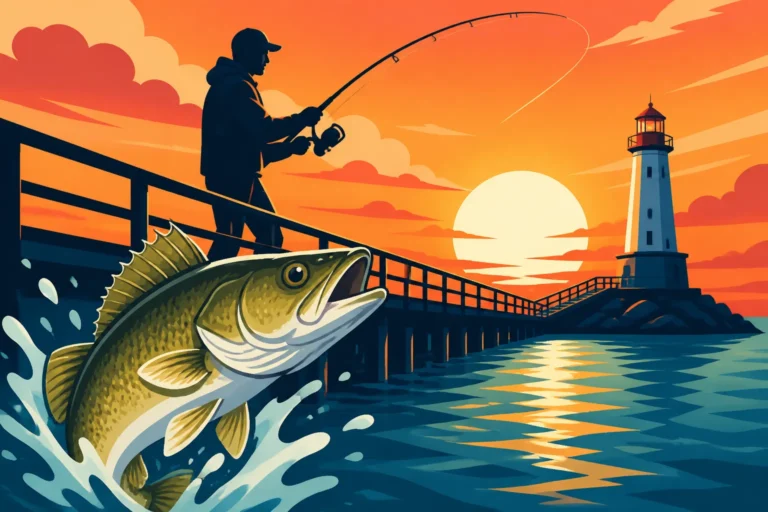
- Port Clinton Piers and Shoreline: The piers in Port Clinton, extending into Lake Erie and Sandusky Bay, are legendary. These offer access to deeper water without a boat and are prime real estate for walleye, yellow perch, and white bass. Anglers often jig or cast crankbaits from the piers. The rock walls and jetties around the harbor also hold smallmouth bass. For more on specific local hotspots, consider checking resources like FishingBooker for local insights and reports.
- Sandusky Bay Causeway: This long stretch of road offers numerous pull-offs and fishing access points. It's particularly famous for its spring walleye run, where anglers can cast jigs or shiners into the bay. Yellow perch are also abundant, along with crappie and catfish. It’s an iconic spot that sees a lot of action, especially during peak seasons. You might want to review the Lake Erie Yellow Perch Daily Limit in the West Zone before heading out.
Central Basin Productive Areas
Moving eastward, the Central Basin deepens slightly but still provides excellent shore fishing, especially around the major cities and their impressive park systems.
- Edgewater Park (Cleveland): Part of the Cleveland Metroparks, Edgewater offers stunning views and excellent shore fishing opportunities. The park features a fishing pier, rocky breakwalls, and sandy beaches. It's a diverse fishery, yielding yellow perch, walleye, smallmouth bass, and even steelhead during their seasonal runs into the Cuyahoga River and other local tributaries. Access is easy, and there are plenty of amenities.
- Gordon Park (Cleveland): Another gem within the Cleveland Metroparks system, Gordon Park boasts a large pier and ample shoreline access. This spot is particularly popular for yellow perch, especially when schools move close to shore. Walleye can also be caught, particularly during low light conditions or at night. The diverse habitat created by the harbor structures and adjacent submerged features attracts a variety of fish.
- Lorain and Fairport Harbor Piers: These industrial and recreational harbors feature long, robust piers that provide access to deeper water in the central basin. They are excellent spots for yellow perch, walleye, and white bass. During the colder months, these piers can also be productive for steelhead and brown trout, which stage near river mouths before entering the tributaries. Fairport Harbor, in particular, is known for its steelhead opportunities in the Grand River. Don't forget to check the Lake Erie Walleye Daily Bag Limit before you go.
Eastern Basin Opportunities
While the Eastern Basin is generally deeper and less conducive to extensive shallow-water shore fishing for species like walleye and perch, it truly shines for migratory fish, particularly steelhead.
- Conneaut Creek Mouth (Conneaut): This area, where Conneaut Creek meets Lake Erie, is a prime location for steelhead fishing, especially in the fall, winter, and spring. Anglers can fish from the banks near the creek mouth or from the jetties extending into the lake. While primarily a steelhead destination, smallmouth bass and various panfish can also be caught. This region is a major component of "Steelhead Alley."
- Geneva-on-the-Lake: While more known for its tourist attractions, the shoreline and occasional public access points here can yield some decent catches of smallmouth bass, rock bass, and yellow perch, especially around any natural or man-made structures that break up the open water.
| Location | Primary Target Species | Best Season(s) | Notable Features |
|---|---|---|---|
| Maumee Bay State Park | Yellow Perch, Largemouth Bass, Catfish | Spring, Fall, Summer | Pier, protected bay, family-friendly |
| Port Clinton Piers | Walleye, Yellow Perch, White Bass | Spring, Fall, Summer | Deep water access, strong currents |
| Sandusky Bay Causeway | Walleye, Yellow Perch, Crappie | Spring, Fall | Extensive bank access, popular walleye run |
| Edgewater Park (Cleveland) | Yellow Perch, Walleye, Smallmouth Bass, Steelhead | All Seasons | Pier, breakwalls, diverse urban fishery |
| Gordon Park (Cleveland) | Yellow Perch, Walleye | Spring, Fall, Summer | Large pier, harbor structures |
| Lorain / Fairport Harbor Piers | Yellow Perch, Walleye, White Bass, Steelhead | All Seasons | Long piers, river mouth access, deeper water |
| Conneaut Creek Mouth | Steelhead Trout, Smallmouth Bass | Fall, Winter, Spring | River mouth, jetties, Steelhead Alley access |
Essential Gear and Techniques for Lake Erie Shore Anglers
Equipping yourself correctly is half the battle when it comes to successful shore fishing on Lake Erie. You don't need a boatload of expensive gear, but having the right tools for the job makes a huge difference.
Rod, Reel, and Line Setup for Versatility
The key to shore fishing Lake Erie is versatility. You'll likely encounter a variety of fish sizes and fighting styles, so a balanced setup is crucial.
- Rod: A medium-heavy to heavy power spinning rod, anywhere from 7 to 9 feet in length, is a great all-around choice. The extra length helps with longer casts, especially useful for reaching deeper water or beyond breakwalls, and provides better leverage when fighting larger fish or dealing with strong winds. Look for a rod with a fast or extra-fast action for good sensitivity and hook-setting power.
- Reel: A reliable spinning reel in the 3000- to 4000-series size range will balance well with your rod. Ensure it has a smooth drag system, as you'll encounter feisty smallmouth and powerful walleye.
- Line: Spool your reel with 10-20 lb braided line. Braid offers excellent sensitivity, strength, and casting distance, and its thin diameter cuts through the wind well. Always tie a fluorocarbon or monofilament leader (6-12 lb test, depending on target species and water clarity) to your braid using a strong knot like an FG or Alberto knot. This leader provides invisibility to fish and abrasion resistance against rocks and zebra mussels. For general tips on setups, our Best Ohio Fishing Gear and Tackle Guide might be useful.
Baits and Lures That Produce from Shore
Lake Erie fish aren't usually picky eaters, but having a selection of proven baits and lures will increase your chances of success.
- Live Bait: Minnows are king, especially for yellow perch and walleye. Shiners, emerald shiners, and golden shiners are all effective. Nightcrawlers or chunks of them are excellent for yellow perch, channel catfish, and even walleye. Live leeches can also be surprisingly effective. Use a simple slip-bobber rig or a bottom-rig (like a drop-shot or Carolina rig) to present live bait effectively.
- Soft Plastics: Grubs, paddle tail swimbaits (2-4 inches), and drop-shot worms in natural colors (chartreuse, white, pumpkinseed, motor oil) are phenomenal for smallmouth bass and often pick up walleye and yellow perch too. Rig them on jig heads from 1/8 to 1/2 oz, adjusting weight based on depth and current.
- Hard Baits: Small crankbaits and jerkbaits (2-5 inches) that dive to 5-10 feet can be deadly for walleye and smallmouth bass, particularly around structure or in areas with current. Spoon lures (e.g., Little Cleo, Krocodile) are great for casting long distances and can attract almost anything from perch to steelhead. Blade baits also shine for vertical jigging from piers or breakwalls. For more on what to use, consult our guide on Best Lures for Ohio Fishing.
Reading the Water and Conditions for Success
Success in shore fishing on Lake Erie often boils down to understanding the environment and adapting to it.
- Structure is Key: Look for natural and artificial structures: rock piles, fallen trees, docks, breakwalls, piers, current seams, and transition areas between sand and rock. Fish relate to structure for ambush points, shelter, and feeding opportunities.
- Current and Wind: Water movement is critical. Current brings food and oxygen, often concentrating baitfish and predators. Wind creates waves and current, which can either stimulate a bite or make fishing challenging. A light chop on the water can be beneficial, breaking up light and making fish less wary. However, heavy winds can stir up sediment, reducing visibility and turning fish off. Always check the weather forecast before heading out.
- Water Clarity: Lake Erie can experience significant changes in water clarity. After heavy rains or strong winds, the water might be muddy. In these conditions, brighter colored lures (chartreuse, orange) or scent-infused baits can be more effective. In clear water, natural colors and lighter leaders are often preferred.
- Time of Day/Year: As discussed, different seasons favor different species. Also, low-light periods (dawn, dusk, and night) are often the most productive for many predatory species like walleye and catfish, as they move into shallower waters to feed under the cover of darkness.
Overcoming Challenges and Maximizing Your Shore Success
Shore fishing on Lake Erie isn't without its quirks. Just like any fishing, there are days when the fish don't cooperate or conditions are less than ideal. But with a few strategies, you can turn those challenging days into successful outings.
Dealing with Crowds and Limited Space
Some of the best shore fishing spots on Lake Erie, especially piers and breakwalls, can get pretty busy during peak times, particularly on weekends or during hot bites. This can mean limited casting room, snagging other lines, and sometimes, less-than-serene fishing conditions.
- Go During Off-Peak Hours: If possible, try fishing early mornings, late evenings, or even weekdays. You’ll often have more space to yourself and might hit a better bite window.
- Explore Less-Known Spots: While popular spots are popular for a reason, Ohio has many lesser-known public access points. Sometimes, a short walk down a trail or around a bend can lead you to productive, uncrowded water. Resources like FishingBooker can sometimes offer insights into local areas or less-frequented spots that guides might mention.
- Be Considerate: When fishing in crowded areas, be mindful of others. Avoid casting directly into someone else's space, and be courteous if you snag a line. A little politeness goes a long way in ensuring everyone has a good time.
- Downsize or Change Tactics: In tight quarters, sometimes a lighter, more finesse approach can be more effective than power casting. Vertical jigging from a pier or using a slip bobber might work better than trying to cover vast distances with casts.
Understanding Lake Erie's Mood Swings
Lake Erie is a massive body of water, and its mood can change on a dime. Wind, waves, and rapidly shifting weather patterns are just part of the deal when fishing here.
- Wind and Waves: High winds can make casting nearly impossible and create dangerous conditions on breakwalls. Always check the marine forecast before you head out. If conditions are too rough on the main lake, consider fishing in protected bays, harbors, or river mouths, where the water might be calmer.
- Water Levels and Clarity: Lake Erie's water levels can fluctuate, exposing or submerging prime fishing spots. Heavy rains can also muddy up the water, especially near river mouths. Be prepared to adjust your lure colors (brighter in muddy water) or switch to live bait when clarity is poor.
- Barometric Pressure: While not always a direct indicator, significant drops or rises in barometric pressure can sometimes affect fish behavior, often making them less active. Don't let it deter you, but be aware that some days the bite might just be tougher.
Safety First: Staying Safe on Lake Erie's Shoreline
Safety is paramount, especially when fishing near big water and potentially treacherous structures.
- Watch Your Step: Piers and breakwalls can be slick, especially when wet or covered in algae. Wear appropriate footwear with good grip.
- Know Your Limits: Never venture out onto breakwalls or jetties during heavy surf or high winds. A rogue wave can sweep you off your feet in an instant. Respect the power of the lake.
- Wear a Life Vest: If you're fishing from a pier or breakwall, especially in rough conditions or if you're not a strong swimmer, consider wearing a personal flotation device (PFD). It's a simple step that could save your life.
- Inform Someone: Let someone know where you're going and when you expect to return, especially if you're fishing alone or in a remote area.
- Protect Yourself from the Elements: Sunscreen, hats, sunglasses, and appropriate layers of clothing are essential, regardless of the season. Weather can change quickly on Lake Erie.
Regulations and Licenses for Shore Fishing
Even when fishing from shore, you need to be aware of and abide by Ohio's fishing regulations. These rules are in place to conserve fish populations and ensure sustainable fishing for everyone.
Understanding Ohio's Fishing License Requirements
Every angler aged 16 and older needs a valid Ohio fishing license to fish in public waters, including Lake Erie from shore. There are various options available, from annual licenses to one-day permits, for both residents and nonresidents. You can easily purchase these online through the Ohio Department of Natural Resources (ODNR) website, at most bait and tackle shops, or at many sporting goods stores. It’s always a good idea to keep a copy of your license with you while fishing, either a physical printout or a digital version on your phone. For complete details, consult our Ohio Fishing License Guide for Residents and Nonresidents.
Key Lake Erie Shore Regulations to Remember
Beyond the general license requirements, Lake Erie has specific regulations that anglers must follow. These often pertain to bag limits (the number of fish you can keep) and size limits (the minimum length a fish must be to be kept).
- Walleye: Lake Erie walleye regulations are closely managed and can change annually based on stock assessments. Always check the current Lake Erie Walleye Daily Bag Limit and minimum length before heading out.
- Yellow Perch: Similarly, yellow perch have specific daily bag limits, which can sometimes vary by zone (e.g., Western vs. Central Basin). Make sure you know the current Lake Erie Yellow Perch Daily Limit in the Central Zone for your fishing location.
- Bass: Largemouth and smallmouth bass usually have statewide regulations, but it's always wise to double-check the Ohio Largemouth and Smallmouth Bass Limits to ensure you're compliant.
- Steelhead: If you're targeting steelhead in the tributaries or near river mouths, be aware of any special regulations for these specific waters, including catch-and-release only sections or gear restrictions.
Always carry a copy of the current Ohio Fishing Regulations booklet or have access to the ODNR website on your phone. Ignorance of the rules is not an excuse, and wildlife officers patrol all public fishing areas. Knowing the rules keeps you legal and helps ensure that Lake Erie remains a fantastic fishery for generations to come. For a broader understanding of all fishing rules in the state, refer to our comprehensive Ohio Fishing Regulations Every Angler Should Know.
Disclaimer
The information provided in this guide is for general informational purposes only and is subject to change. Fishing regulations, conditions, and fish populations can vary. Always consult the latest official regulations from the Ohio Department of Natural Resources (ODNR) before engaging in any fishing activities. Ensure you have the necessary licenses and practice safe and ethical angling.