Western Basin vs Central Basin Lake Erie Fishing
It's easy to look at Lake Erie on a map and think it's just one big body of water, but for those of us who spend our days chasing walleye, perch, or smallmouth, we know better. The truth is, Lake Erie is a patchwork of distinct environments, and nowhere is this more apparent than in the fundamental differences between its Western and Central Basins. If you've ever wondered why anglers flock to Port Clinton in the spring versus Cleveland in the summer, or why certain techniques shine in one area but falter in another, you're not alone. This guide will help you unpack the unique characteristics of each basin and what they mean for your next fishing adventure.
Understanding Lake Erie's Distinct Basins
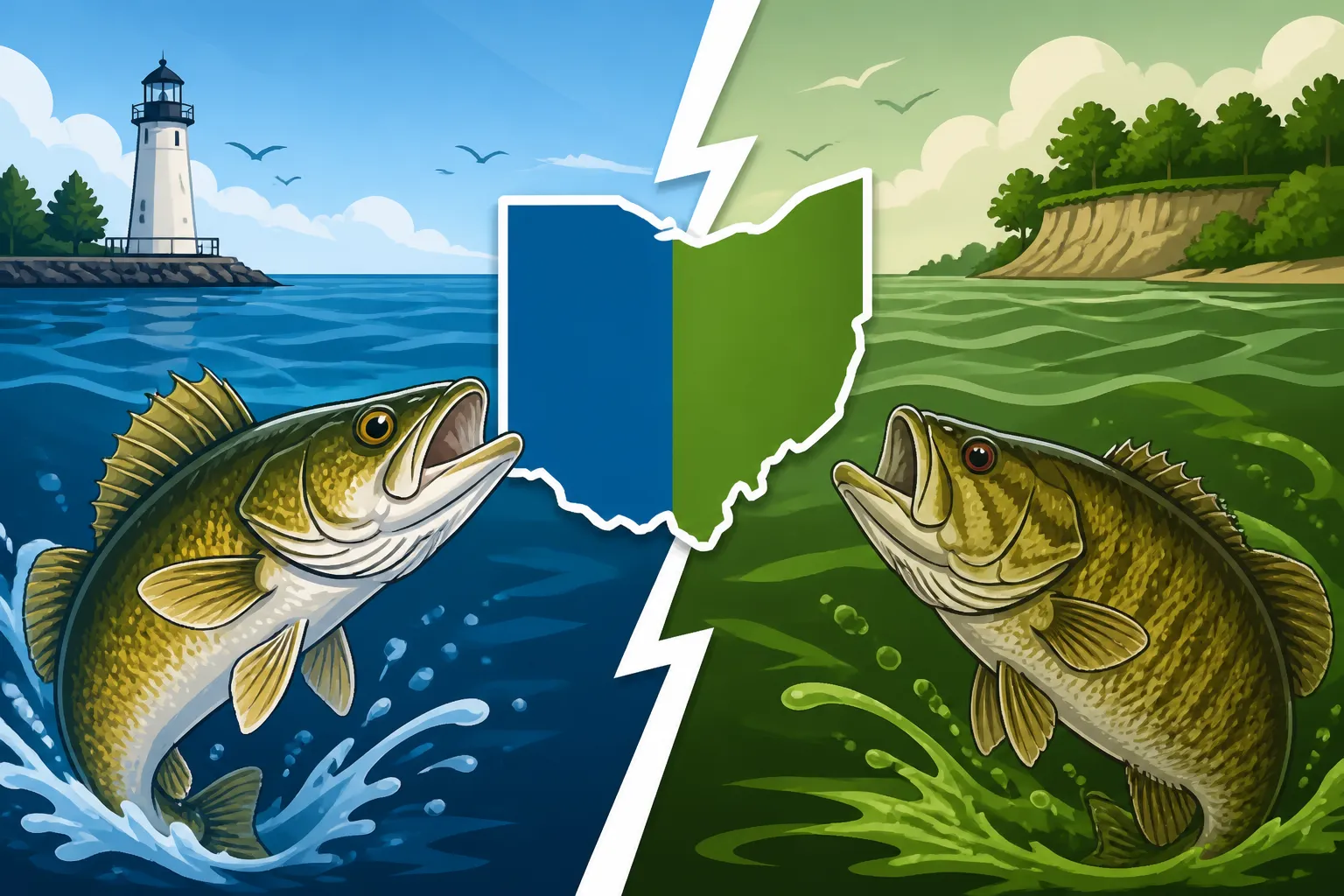
Lake Erie isn't just a single uniform lake; it's a massive, complex system divided into three distinct basins – Western, Central, and Eastern. While all three offer incredible fishing opportunities, the Western and Central Basins are where most Ohio anglers focus their attention, and they couldn't be more different.
Defining the Western Basin
Picture this: You're launching your boat out of Port Clinton, or maybe Catawba Island, on a crisp spring morning. The water here is often a bit murkier, and you can almost feel the fish stirring from their winter slumber. That's the Western Basin for you. Geographically, it's the shallowest and warmest part of Lake Erie, stretching from the Detroit River in the west to a line running roughly from Huron, Ohio, north to Pelee Island in Canada.
This basin is characterized by its relatively shallow average depth, often less than 25 feet, though there are deeper pockets. Its bottom is a mix of mud, sand, and rock, with plenty of reefs, shoals, and islands like the Lake Erie Islands that provide incredible structure for fish. The shallower waters warm up much faster in the spring, making it a prime spawning ground for walleye and yellow perch. The fertile, nutrient-rich water also contributes to a vibrant ecosystem, supporting an abundance of baitfish, which in turn fuels the growth of our beloved game species. Towns like Port Clinton, Marblehead, and Toledo are synonymous with Western Basin fishing.
Defining the Central Basin
Now, shift your mental image eastward. If you're heading out from Sandusky, Lorain, or Cleveland, you're entering the Central Basin. This area presents a stark contrast to its western counterpart. The Central Basin is significantly deeper, with an average depth around 60 feet and some areas dropping well over 80 feet, especially as you move towards the Pennsylvania border.
Because of its depth, the Central Basin stays much cooler throughout the year. The water here tends to be clearer than in the Western Basin, which can influence fish behavior and the techniques you might employ. The bottom is also quite different, with large expanses of soft mud, but also rocky ledges and significant underwater drop-offs that provide structure for different species. This basin supports a robust population of walleye, particularly during the summer months when they move into the cooler, deeper waters. It's also known for its yellow perch, though the fishing dynamics can be quite different from the Western Basin.
Unpacking the Fishing Experience: What Each Basin Offers
The unique characteristics of the Western and Central Basins naturally lead to very different fishing experiences. Understanding these differences is key to planning a successful trip, whether you're targeting the prized walleye or a bucket full of yellow perch.
Walleye Fishing Strategies and Success Rates
When it comes to walleye, both basins are phenomenal, but they shine at different times and with different approaches.
In the Western Basin, walleye fishing kicks off earlier in the spring. After the ice melts, these fish move into the shallow reefs and tributary mouths for spawning. This is when the famous Maumee River Walleye Run happens, and the Western Basin lights up. Early season tactics often involve casting jigs and Blade Baits from shore or shallow water from a boat, particularly around rocky areas and reefs. As the water warms, trolling with crankbaits and crawler harnesses becomes incredibly effective. The sheer volume of fish moving through this basin in spring and early summer can lead to incredible catch rates, making it a bucket-list destination for many anglers seeking to fill their coolers. For more detailed information on specific techniques, you might want to check out our guide on Best Ohio Walleye Fishing Techniques.
The Central Basin, on the other hand, really hits its stride for walleye in the summer and into the fall. As the Western Basin warms up and the walleye disperse, many migrate eastward into the cooler, deeper waters of the Central Basin. Here, offshore trolling dominates the scene. Anglers use planer boards to spread out their lines, deploying a variety of crankbaits, spoons, and crawler harnesses at specific depths. Reading your fish finder and understanding how to target suspended walleye over deep water is crucial. While the fish might be more spread out, the Central Basin is often where you find the really big, trophy-sized walleye during the peak summer months. It's a different game, often requiring more patience and a broader spread of tackle, but the rewards can be immense.
Yellow Perch Opportunities
Yellow perch are another staple of Lake Erie fishing, and again, the basins offer distinct experiences.
The Western Basin is renowned for its incredible yellow perch fishing, particularly in the fall. The shallower, fertile waters provide abundant food sources, leading to healthy populations. Anglers often drift or anchor over soft bottom areas, using sabiki rigs tipped with emerald shiners or pieces of worm. The perch here can be aggressive, and it's not uncommon to limit out quickly when you find a good school. Popular areas include around the islands, in the channels, and closer to the river mouths.
In the Central Basin, yellow perch can also be found in good numbers, but they often inhabit deeper water. This typically means you'll be fishing in 30-60 feet of water, often using similar baiting techniques but with heavier weights to get down quickly. The Central Basin also has its own specific regulations concerning perch. It's vital to stay updated on the Lake Erie Yellow Perch Zone Limits as they can differ from the Western Basin. While not always as prolific as the Western Basin, the Central Basin can yield some impressively large "jumbo" perch, especially around structures and drop-offs.
Other Notable Species and What to Expect
While walleye and perch steal the show, both basins offer excellent opportunities for other species.
In the Western Basin, you'll find fantastic smallmouth bass fishing around the rocky islands and reefs. These bronze bombers thrive in the clear water and structure of the island region. White bass also make strong runs up the tributaries in spring, providing fast and furious action. Channel catfish are abundant, especially in the shallower, warmer areas and around the river mouths. You might even encounter the occasional largemouth bass in protected bays and marinas.
The Central Basin, with its deeper, cooler waters, is also home to excellent smallmouth bass fishing, particularly closer to shore where rocky ledges provide cover. As you move eastward, especially towards Pennsylvania, you start to enter "Steelhead Alley," where tributaries like the Rocky River, Chagrin River, and Grand River host incredible runs of steelhead trout, particularly in the fall, winter, and spring. While not typically offshore fishing, these tributary runs are heavily influenced by the Central Basin's proximity to deeper, colder lake waters. For those interested in the challenges of catching these powerful fish, our Ohio Steelhead Fishing Guide has a wealth of information. You'll also find sheepshead (freshwater drum) and carp throughout both basins, offering fun fights for those who target them.
Seasonal Strategies and Prime Fishing Windows
Knowing the difference between the basins is just the first step; understanding when each basin truly shines is the key to maximizing your success on Lake Erie. The seasonality dictates not just where the fish are, but what they're eating and how they're behaving.
Seasonal Fishing Calendars
Lake Erie truly offers year-round fishing, but the hotspots shift dramatically with the seasons.
- Spring (April-May): The Western Basin is undeniably the star in spring. This is primetime for the walleye spawn, with incredible action in the shallows. Charter boats fill up quickly out of ports like Port Clinton and Catawba Island. Jigs, blade baits, and shallow-running crankbaits are the go-to. Yellow perch also start to become active. This is when the lake truly awakens, providing some of the most exciting fishing of the year. You can delve deeper into the overall timing with our Ohio Fishing Season Calendar.
- Early Summer (June): The Western Basin continues to offer excellent walleye fishing, but as waters warm, the fish start to disperse and move deeper. Trolling becomes the dominant technique. Meanwhile, the Central Basin begins to "turn on" for walleye as they seek cooler temperatures. Smallmouth bass fishing heats up around the islands and rocky shorelines in both basins.
- Mid-Summer (July-August): This is prime Central Basin walleye time. Huge schools of walleye can be found offshore, requiring specialized trolling techniques with planer boards and downriggers. Ports like Sandusky, Lorain, and Cleveland see heavy charter traffic. Perch fishing can be good in both basins, often requiring deeper presentations in the Central Basin.
- Fall (September-November): Both basins offer fantastic opportunities. The Western Basin often sees a resurgence of excellent yellow perch fishing, with anglers filling coolers. Walleye fishing remains strong in the Central Basin, and as waters cool, they may move shallower again. This is also the beginning of the legendary steelhead runs in the Central Basin tributaries.
- Winter (December-March): Ice fishing takes center stage, primarily in the shallower Western Basin. Famous ice fishing grounds like the areas around Catawba Island and the islands themselves draw thousands of anglers seeking walleye and perch through the ice. Ice safety is paramount, and conditions can change rapidly.
| Feature / Basin | Western Basin | Central Basin |
|---|---|---|
| Primary Depth | Shallower (Avg. < 25 ft) | Deeper (Avg. ~60 ft, some > 80 ft) |
| Water Clarity | Often murkier, more turbid | Generally clearer |
| Dominant Bottom | Mud, sand, rock, reefs, islands | Soft mud, rocky ledges, significant drop-offs |
| Walleye Peak | Spring (spawn), early summer | Summer (offshore trolling), early fall |
| Perch Peak | Fall (abundant schools) | Summer-Fall (deeper water, potential for jumbos) |
| Other Species | Smallmouth bass, white bass, channel catfish | Smallmouth bass, steelhead (tributaries), brown trout |
| Typical Techniques | Jigs, blade baits, shallow crankbaits, trolling | Offshore trolling (crankbaits, spoons, harnesses) |
| Main Ports | Port Clinton, Marblehead, Toledo | Sandusky, Lorain, Cleveland |
Popular Access Points and Charters
Choosing your launching point can significantly impact your fishing day, especially given the distinct nature of the basins.
For the Western Basin, your go-to ports are without a doubt Port Clinton and Marblehead. These towns are bustling hubs, especially in the spring and early summer walleye seasons. There are numerous public and private boat ramps, bait shops, and lodging options. If you're looking to book a guided trip, many excellent captains operate out of here. You can find many options through services like FishingBooker, which lists a wide array of Port Clinton Ohio Fishing Charters specializing in the Western Basin.
Moving into the Central Basin, Sandusky offers a great central location, bridging the gap between the basins but primarily serving the Central. East of Sandusky, Lorain and Cleveland become key departure points, particularly for those targeting summer walleye or looking to access the steelhead tributaries. These larger cities offer extensive marina facilities and a diverse range of charter options. Again, using a platform like FishingBooker can help you sort through the numerous Sandusky Ohio Fishing Charters and those further east, ensuring you find a captain experienced in Central Basin tactics. Many charters here specialize in larger boats capable of handling the open, deeper waters of the Central Basin.
Navigating Regulations and Planning Your Trip
Understanding the nuances of each basin extends beyond just fish behavior; it also touches on regulations and practical planning. A little foresight can save you headaches and ensure a smooth, enjoyable trip.
Basin-Specific Fishing Regulations
While Ohio's statewide fishing regulations provide a broad framework, it's crucial to remember that Lake Erie, due to its size and diverse ecosystem, often has specific rules that apply to different zones or species. It’s not just about getting your Ohio Fishing License Guide for Residents and Nonresidents; it's about knowing the fine print for the specific waters you're fishing.
The most prominent example of basin-specific rules is the yellow perch bag limits. Lake Erie is divided into distinct zones for yellow perch, and the daily bag limit can vary significantly between the Western, Central, and Eastern Basins. For instance, the Western Basin might have a higher daily limit than the Central Basin, or vice-versa, depending on population assessments each year. These rules are put in place by the Ohio Department of Natural Resources (ODNR) to manage the fish stocks sustainably. Always, always check the current year's Ohio Fishing Regulations Every Angler Should Know booklet or the ODNR website before heading out, especially if you plan to fish across basin boundaries. Failing to do so can lead to hefty fines and a ruined trip. Even walleye regulations, while generally uniform, can have subtle seasonal or zone-based nuances, especially if you venture near the border waters with Michigan or Pennsylvania.
Choosing the Right Charter or DIY Approach
Deciding whether to hire a charter or go DIY depends largely on your experience level, boat access, and target species. Each basin presents its own considerations.
If you're new to Lake Erie, or don't have a boat capable of handling its sometimes-unpredictable moods, a charter is an excellent option for either basin. For Western Basin walleye, a charter captain will put you on the fish during the busy spring bite, navigating the crowds and knowing the prime spawning grounds. For Central Basin walleye, a charter is almost essential for newcomers. These captains have the big boats, specialized trolling gear, and electronic know-how to find and catch suspended walleye in deep, open water. When looking for a charter, consider using a service like FishingBooker. You can easily compare captains, read reviews, and find a trip that fits your needs, whether you're after a full day of walleye action or a more relaxed perch trip. They make it simple to find experienced guides who know the specific ins and outs of both the Western and Central Basins, from the best times to fish to the most effective local tactics. Our Lake Erie Walleye Charter Guide offers more in-depth advice on what to look for when booking.
For the DIY angler, consider the capabilities of your vessel. The Western Basin's shallower, more protected areas around the islands can be more forgiving for smaller boats on calm days. However, Lake Erie can turn nasty quickly in any basin, so always check the marine forecast. If you're tackling the Central Basin with your own boat, ensure it's adequately sized for open water, equipped with proper safety gear, and that you have reliable electronics to navigate and locate fish in deeper water. Knowledge of Ohio Boater Education Requirements for Anglers is also important for safe navigation. Familiarity with specific techniques, like effectively deploying planer boards for trolling in the Central Basin, will also be crucial for success.
In summary, the Western and Central Basins of Lake Erie are like two different worlds for anglers, each with its unique charm, challenges, and rewards. From the shallow, fertile walleye spawning grounds of the west to the deep, open-water trolling mecca of the central basin, understanding these distinctions is paramount. By adapting your approach, choosing the right time of year, and respecting the specific regulations, you can unlock incredible fishing experiences across this magnificent lake.
Disclaimer
Fishing conditions and regulations in Ohio can change. Always consult the latest official Ohio Department of Natural Resources (ODNR) fishing regulations before heading out on the water. This guide is for informational purposes only and should not be considered a substitute for official legal guidance.