Does Mosquito Lake Have a Boat Speed Limit?
One of the trickiest parts about enjoying Ohio's beautiful waterways is keeping up with all the different rules and regulations. You load up the boat, you’ve got your fishing gear ready, the kids are excited, and then a nagging thought pops into your head: what's the speed limit here? It's a common concern, and if you’re heading out to Mosquito Lake, you’re right to ask. The last thing anyone wants is a run-in with a wildlife officer simply because they weren't clear on the local boating laws.
This guide is here to clear up that confusion, specifically addressing the boat speed limits on Mosquito Lake. We'll dive into what you absolutely need to know to have a safe, fun, and legal day on the water, without the worry of unexpected citations.
Navigating the Waters of Mosquito Lake: Speed Limits Explained
Let’s get straight to the point because this is where many folks get a little confused. Unlike some lakes with a blanket speed limit across the entire body of water, Mosquito Lake operates a bit differently. For much of its expansive surface, especially the wide-open areas, there isn't a hard-and-fast numerical speed limit posted. This might sound like a free-for-all, but it’s absolutely not. The Ohio Department of Natural Resources (ODNR) emphasizes safe and prudent operation above all else.
What this means in practice is that while you might be able to open up your boat and enjoy some speed, you are still legally required to operate it in a manner that is safe for the prevailing conditions. Imagine a busy Saturday afternoon with dozens of pontoons, fishing boats, and personal watercraft. Cranking it up to top speed and weaving through traffic would be incredibly dangerous and would absolutely be considered imprudent operation, regardless of any explicit speed limit. You have a responsibility to yourself, your passengers, and every other boater on the lake to drive safely.
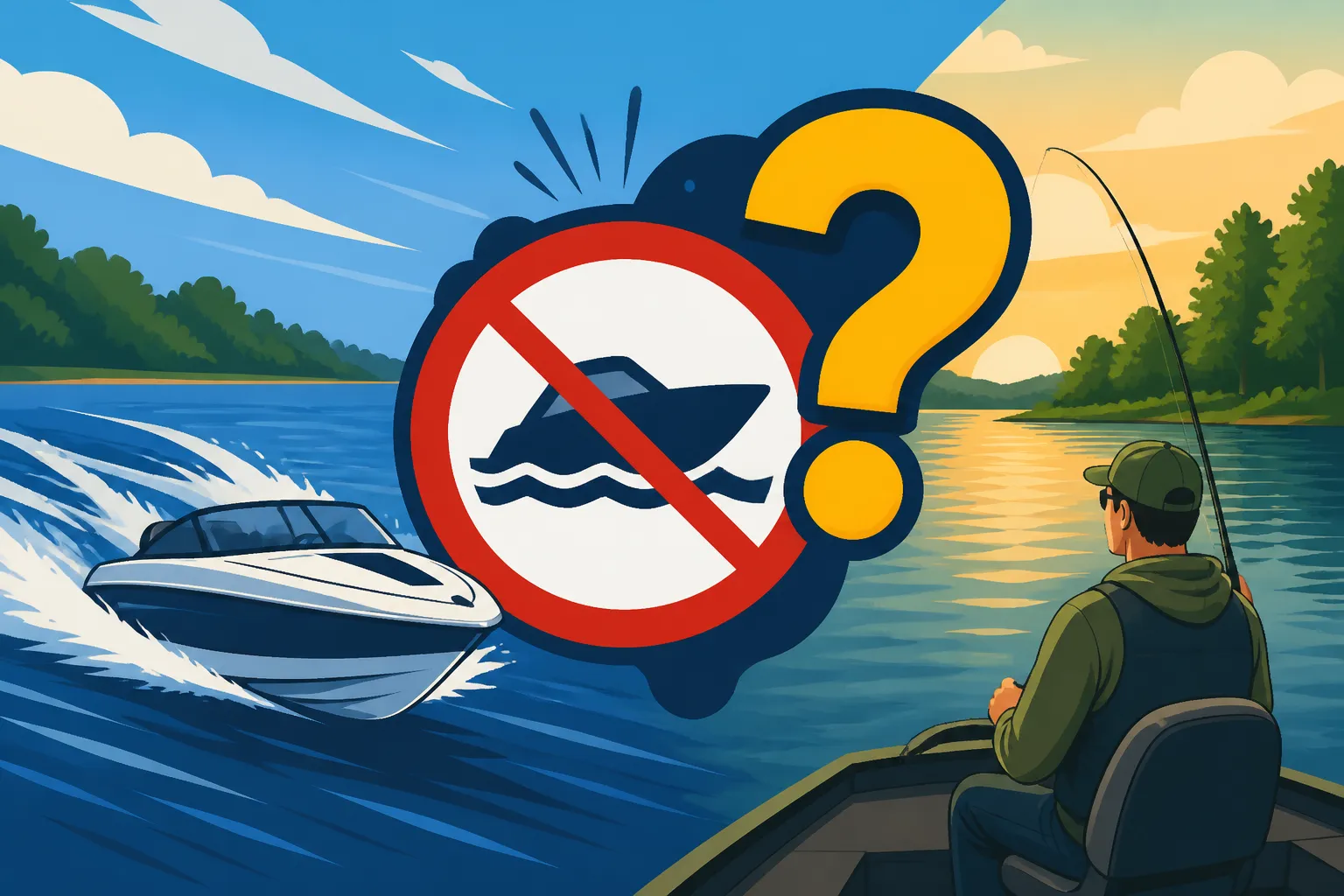
However, it's crucial to understand that while there isn't a general numerical speed limit for the entire lake, there are very specific and clearly defined "no wake" zones that you must observe. These zones are absolutely critical to safe and responsible boating, and they are where most violations occur if boaters aren't paying attention. Understanding these specific areas is the key to navigating Mosquito Lake correctly.
Decoding "No Wake" Zones and Restricted Areas on Mosquito Lake
Now, let's talk about those "no wake" zones. These are the areas where the rules are very clear, and they are enforced strictly for good reason. "No wake" means exactly what it sounds like: your boat must be operated at the slowest possible speed necessary to maintain steerage, ensuring that your boat does not create a wake. Think of it as an idle speed, just enough to move forward without causing any disturbance to the water or other vessels.
Where You'll Find "No Wake" Zones:
- Near Shorelines: One of the most common and important "no wake" rules on Mosquito Lake is that you must maintain a "no wake" speed within 300 feet of all shorelines. This distance helps prevent erosion, protects swimmers and bank anglers, and safeguards wildlife habitat. So, if you're cruising along the edge of the lake, keep that 300-foot buffer in mind.
- Docks, Piers, and Public Launch Ramps: Any time you are near a dock, pier, or a public boat launch, you are in a "no wake" zone. This is common sense for safety, as people are often getting in and out of boats, launching, or retrieving vessels. Imagine someone slipping on a slick ramp because your wake sent a wave crashing over them – it's a serious hazard.
- Designated Swimming Areas: Naturally, swimming areas are strictly "no wake" zones, and typically, powered boats are prohibited from entering these areas altogether. Always give swimmers plenty of space.
- Specific Coves and Bays: The ODNR has also designated certain coves and bays on Mosquito Lake as "no wake" zones to protect sensitive habitats, provide calmer areas for paddling or quiet fishing, or due to shallow water conditions. For example, some of the narrower inlets or shallow flats might have these restrictions. If you're heading to the Best Coves at Mosquito Lake for Crappie, pay extra attention to any posted signs.
- Near Marina Entrances and Fuel Docks: When you're approaching or departing from a marina, or pulling up to a fuel dock, you are expected to be at a "no wake" speed. This minimizes congestion and ensures the safety of people and boats maneuvering in confined spaces.
These zones are typically marked with buoys or signs, but it's your responsibility to know where they are even if a marker is missing or hard to see. Always err on the side of caution. It's much better to go a little slower than to risk a fine or, worse, an accident.
Here’s a quick table to help summarize the general guidelines for boat speeds on Mosquito Lake:
| Area of Mosquito Lake | Typical Speed Regulation | Explanation |
|---|---|---|
| Open Water (Main Lake Body) | No Specific Numerical Limit | Must operate at a "safe and prudent speed" for conditions (traffic, weather, visibility). ODNR prioritizes safety. |
| Within 300 feet of Shoreline | No Wake | Operate at slowest possible speed to maintain steerage, creating no wake. Protects shore, wildlife, and other users. |
| Near Docks, Piers, Launch Ramps | No Wake | Slowest possible speed, no wake. Essential for safety of people launching/docking boats. |
| Designated Swimming Areas | No Wake / Restricted | Often entirely off-limits to powered boats, "no wake" if applicable for approach areas. |
| Specific Coves & Bays | No Wake (check signage) | Some areas are permanently designated "no wake" for habitat protection or quiet recreation. Always look for buoys and signs. |
| Marina Entrances / Fuel Docks | No Wake | Slowest possible speed, no wake, due to heavy boat traffic and tight quarters. |
Beyond the Limits: Prioritizing Safe and Prudent Operation
So, we've established that for large parts of Mosquito Lake, there isn't a specific number on the speedometer you have to stick to, but rather a legal obligation to operate your vessel "safely and prudently." This isn't just a suggestion; it's a fundamental part of Ohio Fishing Regulations Every Angler Should Know and general boating law. Neglecting it can lead to serious consequences, including fines and even criminal charges in the event of an accident.
What Does "Safe and Prudent" Really Mean?
It's a judgment call, but it’s always one that should lean heavily towards caution and respect for your surroundings. Here are some factors that influence what is considered a "safe and prudent" speed:
- Visibility: Fog, heavy rain, or even just glare from the sun can drastically reduce your visibility. If you can't see clearly, you need to slow down. Nighttime operation also demands much lower speeds, even if you know the lake like the back of your hand.
- Water Conditions: High winds can kick up significant chop on How Big Mosquito Creek Lake Is. Navigating rough water at high speeds isn't just uncomfortable; it's dangerous, increasing the risk of capsizing or throwing passengers overboard.
- Boat Traffic: A crowded summer weekend warrants much slower speeds than a quiet weekday morning. Always assume other boaters might make unexpected maneuvers and give yourself ample time to react. Watch out for smaller vessels like kayaks, canoes, and stand-up paddleboards, which can be harder to see and are more vulnerable to wakes.
- Type of Vessel: A small fishing boat might handle differently than a large cruiser or a personal watercraft. Know the capabilities and limitations of your own vessel and operate within them.
- Operator Skill and Experience: If you're new to boating or operating a new vessel, take it easy. Practice makes perfect, but learning should happen at a safe pace. Even seasoned captains can benefit from refreshing their Ohio Boater Education Requirements for Anglers.
- Proximity to Other Activities: Are there people swimming off a private dock that’s just outside a "no wake" zone? Are anglers drift fishing in a particular area? Be mindful of others enjoying the lake and adjust your speed and course accordingly. Causing a huge wake near a fishing boat trying to hold steady can ruin someone's day.
Remember, the goal is not just to avoid breaking a specific speed number, but to operate in a way that prevents accidents, minimizes disturbance to wildlife, and ensures everyone can enjoy the lake. If a wildlife officer observes you operating unsafely, they can issue a citation even if you're in an area without an explicit numerical limit. It's a discretionary call, and they prioritize public safety. Violations can lead to penalties outlined in the Ohio Wildlife Officer Fishing Violation Fine Schedule.
Planning Your Mosquito Lake Adventure
Understanding the speed limits and safe operation guidelines is just one piece of the puzzle for a fantastic day on Mosquito Lake. This large reservoir, located in Trumbull County, offers a fantastic array of recreational opportunities, making it a popular destination for anglers, campers, and boaters alike.
Fishing on Mosquito Lake:
Mosquito Lake is renowned for its diverse fishery. You'll find excellent populations of walleye, northern pike, bass (largemouth and smallmouth), crappie, and various panfish. The lake's structure, with its many coves, submerged timber, and varying depths, provides ample habitat. Anglers often flock here for the chance to catch a trophy walleye or to fill a cooler with panfish. Knowing the Ohio Fishing Season Calendar and what to target can make your trip even more successful.
Before you even think about dropping a line, make sure you have your Ohio Fishing License Guide for Residents and Nonresidents squared away. You can often purchase licenses online or at local bait shops around the lake. Many people use services like FishingBooker to find guides who not only know the best fishing spots but also ensure all rules, including speed limits, are followed.
Beyond Fishing: Other Activities:
- Paddling: With its many "no wake" zones and quieter coves, Mosquito Lake is a wonderful spot for kayaking, canoeing, and stand-up paddleboarding. These areas offer a peaceful escape from higher-speed boating.
- Camping: Mosquito Lake State Park offers extensive camping facilities, from primitive sites to those with full hook-ups. Staying right on the lake makes early morning fishing trips a breeze. Check into Ohio State Park Fishing Rules if you're staying within the park boundaries.
- Wildlife Viewing: The lake and its surrounding areas are home to a variety of bird species and other wildlife. Bring binoculars and enjoy the natural beauty.
- Ice Fishing: In the winter, when the ice is safe, Mosquito Lake transforms into a popular destination for ice anglers. If you're planning a winter trip, be sure to consult an Ohio Ice Fishing Guide for safety tips and specific regulations.
When planning your trip, consider checking the ODNR website for the most up-to-date information on lake conditions, regulation changes, and any temporary advisories. Local bait shops and marinas are also excellent resources for current conditions and insider tips on Best Places to Fish in Ohio. If you're planning a guided trip, many local guides listed on platforms like FishingBooker are intimately familiar with Mosquito Lake's unique characteristics and regulations, ensuring a smooth and enjoyable experience.
In conclusion, while Mosquito Lake might not have a universal numerical speed limit across its open waters, it demands responsible and vigilant operation. Pay close attention to "no wake" zones, always prioritize safety and courtesy, and you'll be set for a fantastic time on one of Ohio's premier lakes.
Disclaimer
The information provided in this guide is for general informational purposes only and is subject to change. Boating and fishing regulations are set by the Ohio Department of Natural Resources (ODNR) and can be updated at any time. It is always the individual's responsibility to consult the most current official Ohio fishing and boating regulations before heading out on the water. While we strive to provide accurate and up-to-date information, we cannot guarantee its absolute accuracy or completeness.