How Big Mosquito Creek Lake Is
Navigating a new lake, or even a familiar one you’re just starting to explore seriously, can feel like trying to solve a puzzle. You hear anglers talk about "acres" and "shoreline miles," and it's easy to wonder, "What does that even mean for my fishing trip?" Understanding the sheer scale and intricate details of a body of water like Mosquito Creek Lake is absolutely crucial for planning an effective outing. This comprehensive guide will break down the exact dimensions of Mosquito Creek Lake, revealing how its size, depth, and unique features directly impact where the fish are, how you can reach them, and the best ways to target them.
Understanding Mosquito Creek Lake's Dimensions
When you’re looking at a map or hear someone mention Mosquito Creek Lake, it’s easy to just see a blue blob, but its true size is a critical factor in how you approach your fishing adventure. This lake isn't just "big" – it's a significant waterway that demands respect and strategic planning.
Overall Size and Surface Area
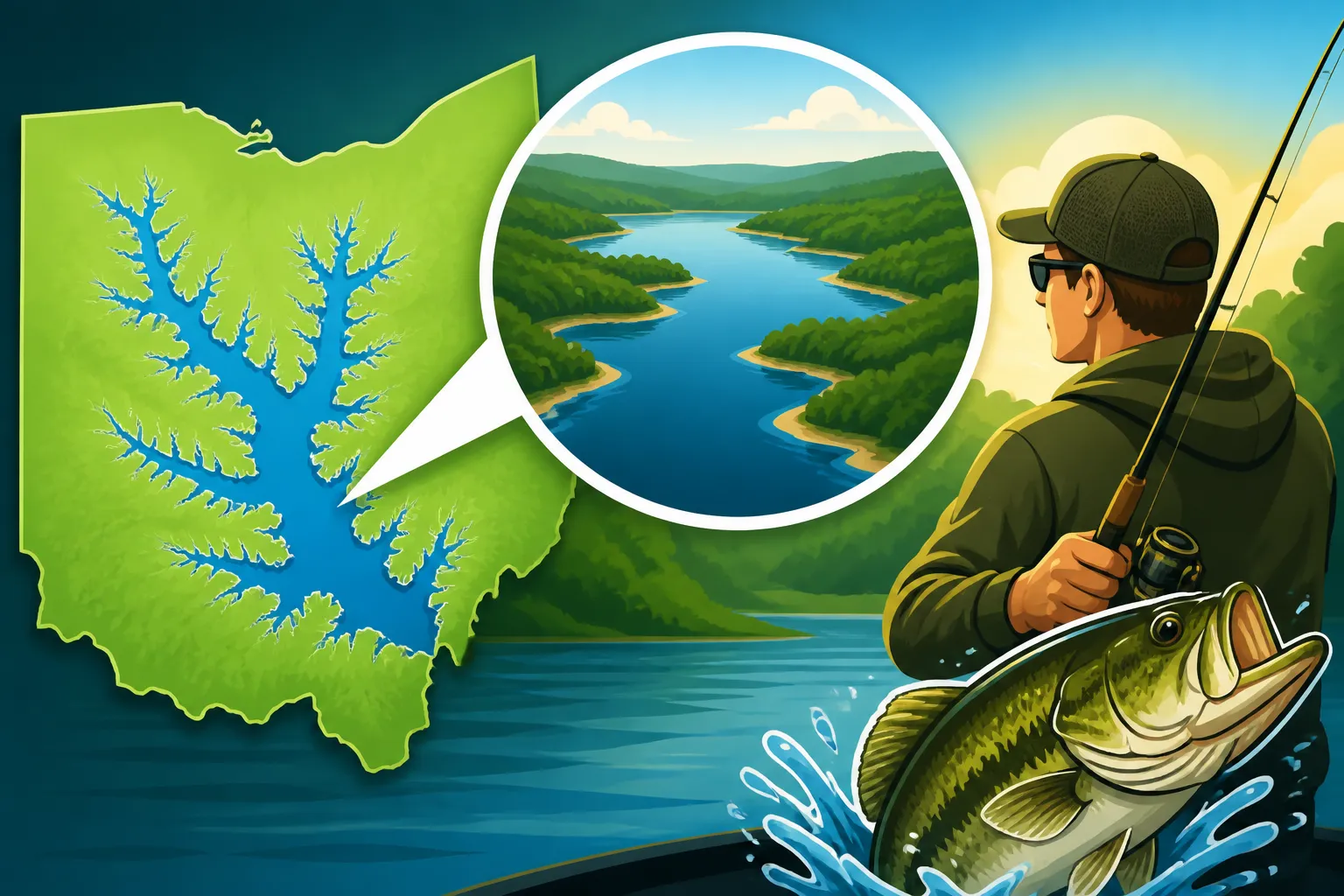
Let's get right to it: Mosquito Creek Lake is a massive body of water, sprawling across approximately 7,850 acres. To put that into perspective, that's roughly equivalent to over 5,900 football fields laid end-to-end. It's one of Ohio's largest inland lakes by surface area, providing an incredible amount of open water for anglers to explore.
This immense surface area means a few things for us as anglers. First, you're rarely going to feel crowded, even on busy summer weekends, especially if you have a boat. There’s always another cove, another point, or another open expanse of water to investigate. Second, a lake this large offers diverse habitats and ecosystems. You’re not just fishing one type of water; you’re fishing an entire system. From wide-open main lake basins to sheltered, timber-filled backwaters, the possibilities are vast. Compared to, say, the more compact Kiser Lake or the sprawling Deer Creek Lake, Mosquito Creek Lake offers a unique blend of size and structure that can be incredibly rewarding.
Shoreline Length and Structure
With its impressive surface area, it's no surprise that Mosquito Creek Lake boasts an incredibly long and intricate shoreline. Estimates for its shoreline length typically fall between 50 to 60 miles, depending on how meticulously one measures every little cut, bend, and cove.
Imagine walking 50 miles along the edge of a lake – that's a lot of ground to cover! This extensive and irregular shoreline is a fisherman's dream. It's not a simple, round bowl; instead, you'll find countless fingers, bays, points, and coves that create endless opportunities for fish to hide and forage. Much of the shoreline is natural, lined with woods and emergent vegetation, but there are also areas with riprap, small docks, and fallen timber. These variations in shoreline structure are critical for understanding fish patterns. For instance, bass often relate to fallen trees or docks, while crappie might stack up in brushy coves. The sheer length ensures that whether you prefer bank fishing or boat angling, you'll find plenty of diverse areas to cast your line.
Depth and Bottom Composition of Mosquito Creek Lake
Beyond its sprawling surface, what lies beneath the water's surface is equally important. The contours of the lake bottom, its depths, and what kind of material it's made of all play a huge role in where fish live and how they behave throughout the year.
Average and Maximum Depths
Mosquito Creek Lake, despite its vast surface area, is generally considered a relatively shallow lake. Its average depth hovers around 8 to 10 feet, making it quite amenable to various fishing techniques that target shallower water. However, don't let the average fool you; there are deeper pockets. The maximum depth reaches approximately 20 to 25 feet, primarily found within the old Mosquito Creek channel that meanders through the lake.
Understanding these depths is vital. In spring, when fish move shallow to spawn, the vast expanses of 8-10 foot flats become prime real estate. As summer heat sets in, those deeper creek channels and associated drops become crucial for fish seeking cooler, more oxygenated water. In the winter, especially during ice fishing season, knowing where the deeper holes are can be the difference between catching a limit and going home empty-handed. The gradual slopes from shallow flats down to the main channel create excellent ambush points for predators like walleye and bass.
Bottom Structure and Cover
The bottom of Mosquito Creek Lake is a tapestry of different elements, each attracting specific fish species. The predominant bottom composition in many areas is soft mud and silt, a common feature in many large reservoirs built by damming a river. However, don't envision a featureless expanse!
The lake is particularly famous for its extensive stump fields and submerged timber, especially in its upper, shallower reaches. These areas, once dry land before the lake was impounded, now offer incredible cover for crappie, bass, and even walleye. These submerged forests are essentially underwater apartment complexes for fish, providing shelter from predators, current, and bright sunlight. You'll also find remnants of the old creek bed, which presents a harder bottom, often composed of gravel or rock in certain stretches, offering different forage and spawning grounds. In some shallower bays, you’ll encounter dense weed beds during the warmer months, which are magnets for largemouth bass and various panfish. Utilizing a good fish finder to interpret these bottom structures is key, helping you identify everything from timber piles to subtle depth changes.
Navigating Mosquito Creek Lake and Its Features
A lake of this size and complexity requires some navigation know-how. Knowing the rules and having a game plan for getting around safely and efficiently will make your fishing trip much more enjoyable.
Navigational Considerations and Hazards
While Mosquito Creek Lake offers abundant space, it's not without its navigational quirks. The extensive stump fields, particularly in the northern and eastern arms of the lake, can be significant hazards, especially at higher speeds or in low light conditions. Always exercise caution and, if you're unfamiliar with an area, proceed slowly and keep an eye on your depth finder.
Another important consideration is boat speed regulations. While the lake generally allows for unlimited horsepower, there are designated "no-wake" zones, particularly in certain coves, near marinas, and close to shorelines or swimming areas within Mosquito Lake State Park. It's crucial to pay attention to buoy markers and signage. For those wondering, "Does Mosquito Lake Have a Boat Speed Limit?", the answer is nuanced: while there's no overall horsepower limit, specific areas are indeed restricted to idle-speed only for safety. Always consult current navigation charts and local regulations provided by the Ohio Department of Natural Resources (ODNR) to stay safe and compliant.
Access Points and Facilities
Mosquito Creek Lake is well-equipped with public access points, making it easy for anglers to launch their boats and enjoy the water. The primary access is through Mosquito Lake State Park, which offers multiple boat ramps conveniently located around the lake. These ramps are generally well-maintained and provide ample parking.
Popular launching spots include areas near the park office on the west side and several ramps along the eastern shoreline. These facilities often come with amenities like restrooms, picnic areas, and sometimes even bait shops or concession stands during peak season. Having multiple access points is a huge benefit, allowing you to launch closer to your target fishing areas, whether you're heading to the northern stump fields for crappie or the deeper central basin for walleye. For those planning an extended stay, the state park also offers camping facilities, providing a fantastic base for multi-day fishing adventures.
Fishing Opportunities Influenced by Lake Size
The impressive dimensions of Mosquito Creek Lake aren't just statistics; they directly translate into a diverse and exciting fishery. The vastness provides ample habitat, and the variety of depths and structures cater to numerous popular game fish.
Species Distribution and Abundance
Mosquito Creek Lake is renowned for its robust populations of several key species, and its size plays a direct role in their success.
- Walleye: This lake is a premier walleye destination in Ohio. The broad, relatively shallow flats combined with the deeper creek channels provide ideal spawning grounds and foraging areas. Walleye here often grow to impressive sizes, thanks to an abundant forage base. You'll find them scattered across the main lake basin, especially around subtle depth changes or the edges of old creek channels. If you're targeting these prized fish, check out our guide on Ohio Walleye Fishing Guide.
- Crappie: Perhaps the most famous fishery on Mosquito Creek Lake is its crappie population. The countless stump fields, submerged timber, and brushy coves create perfect ambush points and cover for both black and white crappie. Anglers regularly pull out slab crappie, especially during the spring spawn when they move into shallower water. For tips on where to find them, our "Best Coves at Mosquito Lake for Crappie" article is a must-read.
- Bass (Largemouth & Smallmouth): Both species thrive here. Largemouth bass are abundant in the weed beds, around fallen trees, and in the shallower, more protected bays and coves. Smallmouth bass, though less prevalent than largemouth, can be found relating to the harder bottom areas, especially around riprap or rocky points along the main lake. If you're a bass enthusiast, our Ohio Largemouth Bass Fishing Guide has plenty of tips.
- Catfish: Channel catfish are plentiful, and flathead catfish also inhabit the lake, particularly in the deeper, woodier sections of the old creek channel. The muddy bottom and abundant forage make it an excellent environment for these bottom dwellers.
- Panfish: Bluegill and other sunfish are abundant throughout the lake, offering excellent opportunities for family-friendly fishing, especially in the shallower, vegetated areas.
The sheer volume of water ensures that these populations can flourish without excessive pressure on localized areas, contributing to a healthy and productive fishery.
How Lake Size Impacts Fishing Strategy
Fishing a large body of water like Mosquito Creek Lake requires a different approach than a small pond or river. Here's how its size will influence your tactics:
- Covering Water: You simply can't fish one spot and expect to hit all the fish. A larger lake demands that you cover significant amounts of water. Trolling, drift fishing, or systematically working different coves and points by boat are effective strategies. Using electronics like GPS mapping and side-imaging sonar becomes invaluable for identifying underwater features like drop-offs, stump fields, and baitfish schools across such a vast expanse. FishingBooker, for example, lists charter captains who know these extensive waters inside and out, which can be a huge advantage if you're new to the lake.
- Understanding Seasonal Patterns: Fish movements are more pronounced in larger lakes. Walleye might be in the shallows in spring, move to deeper main lake structures in summer, and then back to transitional depths in fall. Learning the Ohio Fishing Season Calendar will help you anticipate these movements. The size of the lake means there’s always somewhere the fish are biting, you just have to find them.
- Adaptability is Key: Don't get stuck on one technique or one spot. If a particular area isn't producing, the vastness of Mosquito Creek Lake means there are countless other options to explore. Be prepared to switch up your lures, baits, and presentation until you find what the fish are reacting to. Our guide on Best Lures for Ohio Fishing can offer some ideas.
Successfully navigating and fishing a lake of this scale is incredibly rewarding, offering the chance for truly memorable catches. Whether you're targeting crappie in the timber or walleye on the main lake, Mosquito Creek Lake delivers on its promise as a premier Ohio fishing destination.
| Feature | Mosquito Creek Lake | Lake Erie (Ohio Waters) | Hoover Reservoir |
|---|---|---|---|
| Surface Area | 7,850 acres | 2.5 million acres (US) | 3,270 acres |
| Shoreline Length | 50-60 miles | ~262 miles (Ohio) | ~26 miles |
| Average Depth | 8-10 feet | ~25-30 feet | ~15 feet |
| Max Depth | 20-25 feet | ~210 feet | ~60 feet |
| Primary Fish | Walleye, Crappie, Bass | Walleye, Perch, Bass | Crappie, Saugeye, Bass |
Disclaimer
The information provided in this guide is for general informational purposes only. Fishing regulations, license requirements, and lake conditions can change. Always consult the latest Ohio Department of Natural Resources (ODNR) official regulations and advisories before planning any fishing trip. Be aware of local rules and practice safe boating and fishing techniques.