Best Ohio Rivers for Fly Fishing Steelhead
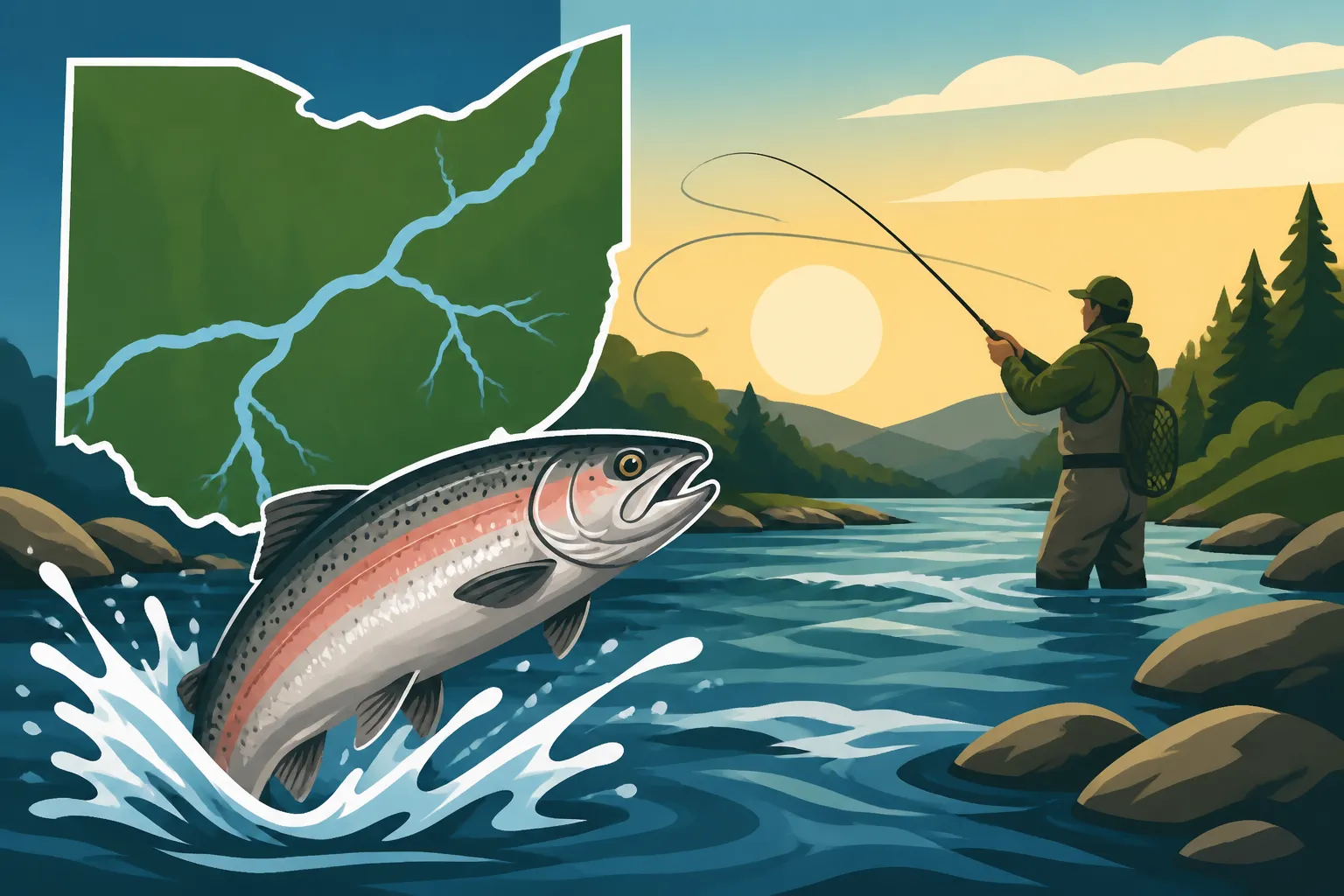
Ohio's steelhead fishing scene is nothing short of legendary, drawing anglers from all corners of the country. However, for those passionate about fly fishing, knowing which of the many Lake Erie tributaries offers the absolute best experience can feel like navigating a complex maze. It’s easy to get overwhelmed by the sheer number of rivers and varying conditions. This comprehensive guide will cut through the noise, revealing the premier Ohio rivers for fly fishing steelhead and equipping you with the knowledge to make your next trip a successful and memorable one.
Understanding Ohio's Steelhead Alley
Before we dive into specific rivers, it’s crucial to grasp what makes Ohio's "Steelhead Alley" such a phenomenal fishery for fly anglers. This isn't just a catchy name; it refers to a distinct geographical region along the Lake Erie shoreline where numerous tributaries flow directly into the lake, providing essential spawning and migratory routes for steelhead. These aren't resident trout; these are lake-run rainbows, big and powerful, offering a truly exhilarating fight.
The Geography and Conditions of Steelhead Alley
Ohio's Steelhead Alley stretches across the northeastern part of the state, from the Michigan border all the way to Pennsylvania. What defines this region are the dozens of rivers and creeks, carved by glacial activity over millennia, that drain into Lake Erie. These waterways are typically freestone rivers, meaning their flow and clarity are heavily influenced by rainfall and snowmelt. This can be a double-edged sword: a good rain can bring in fresh waves of fish, but too much can blow out the rivers, making them unfishable. Understanding these dynamics is key to timing your trip. The rivers themselves vary greatly in size, from intimate, wadeable creeks to broad, powerful rivers that require drift boats or strategic bank fishing. It's a diverse landscape that demands adaptability from the fly angler.
Why Ohio's Rivers Are Prime for Steelhead
The allure of Ohio's Steelhead Alley lies in its unique combination of factors. First, Lake Erie itself is an incredibly fertile body of water, providing an abundance of forage that allows steelhead to grow to impressive sizes. When these fish return to the rivers to spawn, they are often chrome-bright, incredibly strong, and present a formidable challenge on a fly rod. The Ohio Department of Natural Resources (ODNR) also maintains a robust stocking program, ensuring a healthy population of steelhead enters the tributaries each fall, winter, and spring. This consistent stocking, combined with Lake Erie's rich environment, creates an almost year-round opportunity for targeting these magnificent fish. Anglers often find themselves fishing in a variety of conditions, from crisp autumn days to snowy winter landscapes and vibrant spring thaws, each bringing its own set of challenges and rewards. For a deeper dive into the species itself, check out our Ohio Steelhead Trout Fishing Guide.
Top Ohio Rivers for Fly Fishing Steelhead
When it comes to fly fishing for steelhead in Ohio, certain rivers stand out for their consistent runs, accessibility, and diverse water types. Each river offers a slightly different experience, catering to various angler preferences and skill levels.
The Rocky River: A Classic Choice
For many, the Rocky River is the quintessential Ohio steelhead destination, especially for those in the greater Cleveland area. It's a sizable river, but its varied structure—deep pools, gravel runs, riffles, and undercut banks—provides ample opportunities for both wade and bank anglers. The Rocky is known for its strong runs of fish, often producing large numbers of steelhead, particularly during peak migration periods. Its proximity to a major metropolitan area means it can see significant pressure, but with a bit of exploration and willingness to walk, you can still find solitude. Early fall and late spring can be exceptionally productive here, with fish moving through regularly. The sheer volume of fish means it's often a great place to hone your techniques. More specific details can be found in our guide on Fishing Rocky River for Steelhead.
The Grand River: Power and Plenty
Further east, the Grand River lives up to its name, offering a much larger, more powerful expanse of water. This river demands respect and often requires different tactics due to its width and depth. While there are plenty of wadeable sections, many anglers find success fishing from drift boats or kayaks, allowing them to cover more water and access prime holding lies that are otherwise out of reach. The Grand is famous for producing some truly enormous steelhead, making it a bucket-list destination for many. Its size also means it tends to stay fishable longer during periods of heavy rain compared to smaller tributaries, as it can handle more flow before becoming completely blown out. This river system can be a bit more challenging for the novice fly angler due to its sheer scale, but the rewards are often worth the effort. Learn more about this massive waterway in Grand River Steelhead Fishing in Ohio.
The Vermilion River: Consistent and Scenic
The Vermilion River, nestled between the Rocky and the Huron rivers, offers a delightful mix of consistent steelhead action and scenic beauty. It’s generally smaller and more intimate than the Grand, making it a fantastic option for wade anglers who prefer a more personal experience. The Vermilion is known for its clear, gravelly runs and inviting pools, which make it ideal for sight-fishing opportunities on brighter days. While it might not always produce the sheer numbers of fish seen in the Rocky, the quality of the fishing and the serene environment make it a favorite for many. It’s a river that teaches you patience and precision, as presentations often need to be spot-on in its clearer waters. During the heart of winter, when other rivers might be locked up with ice, the Vermilion often remains a viable option. For specific strategies on this beautiful river, check out Fishing Vermilion River for Steelhead.
Chagrin River and Conneaut Creek: Hidden Gems
While the Rocky, Grand, and Vermilion often steal the spotlight, rivers like the Chagrin and Conneaut Creek are absolute gems for the dedicated fly angler. The Chagrin River, another tributary just east of the Rocky, is a fantastic, medium-sized river with excellent public access points. It consistently receives good steelhead runs and offers a similar challenge to the Rocky, with a mix of deep pools and rocky runs. It's a great option when the more popular rivers are crowded.
Conneaut Creek, way out on Ohio’s eastern edge bordering Pennsylvania, is perhaps the furthest "hidden gem" for many. It’s a smaller, more intimate creek, sometimes feeling more like a classic trout stream than a steelhead river. This can be a huge advantage for fly anglers who appreciate stealth and precision. Its smaller size means it can get blown out faster after heavy rains, but it also clears quickly. When conditions are right, Conneaut Creek can offer incredible sight-fishing opportunities for aggressive steelhead in surprisingly intimate settings. Both of these waterways demand attention and can reward anglers willing to explore. For more detailed information on these specific waters, look into Chagrin River Steelhead Fishing in Ohio and Conneaut Creek Steelhead Fishing.
Essential Fly Fishing Techniques for Ohio Steelhead
Steelhead are powerful, discerning fish, and catching them consistently on a fly rod requires specific techniques and a good understanding of their behavior. It's not just about casting; it's about presentation, drift, and knowing when to adjust.
Nymphing and Indicator Fishing
Nymphing with an indicator is arguably the most effective and widely used technique for steelhead in Ohio's rivers. This method involves using a strike indicator (a fancy bobber, essentially) to suspend a weighted nymph or egg pattern at a specific depth, allowing it to drift naturally along the bottom where steelhead typically hold. The key is to achieve a drag-free drift, making your fly appear as natural as possible. Anglers often use an 8-10 foot 6 or 7-weight fly rod, paired with a floating line and a tapered leader ending in 8-12 lb fluorocarbon tippet. Add a couple of split shots above your fly to get it down quickly in the current. Popular flies include stoneflies, caddis nymphs, and, perhaps most notably, "egg patterns" in various colors like peach, orange, or chartreuse, mimicking the natural roe that steelhead feed on. Learning to read the water, identify current seams, and feel for subtle takes under an indicator is a skill that takes time to master but pays dividends. For more general approaches, our Ohio Steelhead Fishing Techniques guide can be very helpful.
Streamer Fishing for Aggressive Takes
When steelhead are aggressive, perhaps fresh from the lake or in slightly off-color water, streamer fishing can be incredibly productive and undeniably exciting. This technique involves casting larger, baitfish-imitating flies and stripping them back, mimicking a fleeing prey fish. The takes are often violent, sending a jolt up your arm. Streamers are typically fished with a heavier fly rod (7-9 weight) and often a sinking tip or full sinking line to get the fly down quickly in the current. Colors like black, olive, white, or various combinations with flash are popular. Good casting ability is a plus here, as you're often trying to cover a lot of water and present your fly in powerful currents. It's a more active style of fishing compared to nymphing and can be particularly effective in higher, stained water conditions when steelhead might be less inclined to chase smaller, subtle offerings. If you're looking for guidance on fly selection, consider checking out Best Lures for Ohio Fishing.
Gear Considerations for River Conditions
The variable nature of Ohio's steelhead rivers means your gear needs to be versatile. A reliable 9-foot, 7-weight fly rod is a good all-around choice, providing enough backbone to fight powerful fish while still offering a delicate enough presentation for nymphing. A quality large arbor reel with a smooth drag is non-negotiable, spooled with at least 150 yards of backing, as these fish can make blistering runs. Waders and wading boots with good traction are essential, given the slippery, rocky bottoms of many rivers. Beyond the core setup, don't forget essentials like forceps for hook removal, a good quality net (rubberized mesh is best for fish health), and plenty of flies. Dress in layers, as weather conditions can change rapidly along Lake Erie. Always carry a valid Ohio fishing license and be aware of the specific Ohio Fishing Regulations Every Angler Should Know for the river you're on, including any special rules or size limits.
Planning Your Ohio Steelhead Fly Fishing Trip
A successful steelhead fly fishing trip in Ohio isn't just about the right gear and techniques; it's also about timing, preparation, and knowing where to go for the best experience.
Best Seasons and Weather Windows
Ohio's steelhead runs typically begin in the fall, often starting in late September or early October, and continue through the winter and into late spring, sometimes as late as May.
- Fall (October – December): This is often considered peak season, with large numbers of fresh, aggressive steelhead entering the rivers. Water levels are usually good, and the weather is generally mild.
- Winter (January – March): Can be challenging with cold temperatures, ice, and fluctuating water levels, but dedicated anglers often find success targeting "winter holdovers" in deep pools. When conditions allow, the fish can be very active.
- Spring (March – May): As water temperatures rise, fish become more active, and the pre-spawn and spawning pushes bring in another wave of fresh fish. This can be another exceptionally productive time.
The key to timing your trip is watching the weather and river flow gauges. A fresh rain after a dry spell is often a signal for new fish to enter the rivers. However, too much rain can cause rivers to "blow out," turning muddy and unfishable for a few days. Aim for stable or dropping water levels after a rain event, when the water is beginning to clear but still has some color. You can get more details on annual fish movements in our Ohio Fishing Season Dates and Effective Periods article.
| River Name | Typical Size | Primary Access Type | Best Seasons | Notes |
|---|---|---|---|---|
| Rocky River | Medium-Large | Wade/Bank | Fall, Spring | Excellent public access, high fish numbers. |
| Grand River | Large | Drift Boat/Wade | Fall, Spring | Known for larger fish, often requires boat. |
| Vermilion River | Small-Medium | Wade/Bank | Fall, Winter, Spring | Scenic, clearer water, consistent. |
| Chagrin River | Medium | Wade/Bank | Fall, Spring | Good alternative to Rocky, similar fishing. |
| Conneaut Creek | Small-Medium | Wade | Fall, Spring | Intimate, sight-fishing opportunities. |
Access Points and Etiquette
Most of Ohio's prime steelhead rivers have numerous public access points, often managed by the Ohio Department of Natural Resources (ODNR) or local park systems. Parking lots are usually available near popular spots. However, always be mindful of private property boundaries and respect landowners. When wading, be courteous to other anglers; give them ample space and avoid crowding. Steelhead fishing can attract a crowd, especially during peak times, so patience and politeness go a long way. Always practice "leave no trace" principles, pack out all your trash, and consider carrying a small bag for any litter you might find. Proper fish handling, especially for catch-and-release, is vital to ensure the long-term health of the fishery.
Hiring a Guide and Booking Resources
If you're new to fly fishing for steelhead, or simply want to maximize your time on the water, hiring a local guide can be an invaluable investment. A good guide knows the rivers intimately, understands the changing conditions, and can put you on fish faster than you could on your own. They can also teach you effective techniques, proper fish handling, and local etiquette. Many reputable guides operate on Ohio's steelhead rivers. When looking for a guide, consider using platforms like FishingBooker, where you can browse experienced local captains and read reviews. Booking through a service like FishingBooker allows you to compare different guides, their specialties, and availability, ensuring you find the perfect match for your skill level and desired experience. Whether you're planning a trip from across the state or just looking for local expertise, FishingBooker can connect you with highly-rated professionals who specialize in fly fishing these challenging waters. Don't hesitate to ask prospective guides about their preferred techniques, what gear they provide, and their philosophy on catch and release. Even seasoned anglers sometimes opt for a guided trip to gain fresh perspectives or explore new water.
Disclaimer
Fishing conditions, regulations, and fish populations can change. Always consult the latest Ohio Department of Natural Resources (ODNR) fishing regulations before heading out. Safety should always be your top priority when on the water.