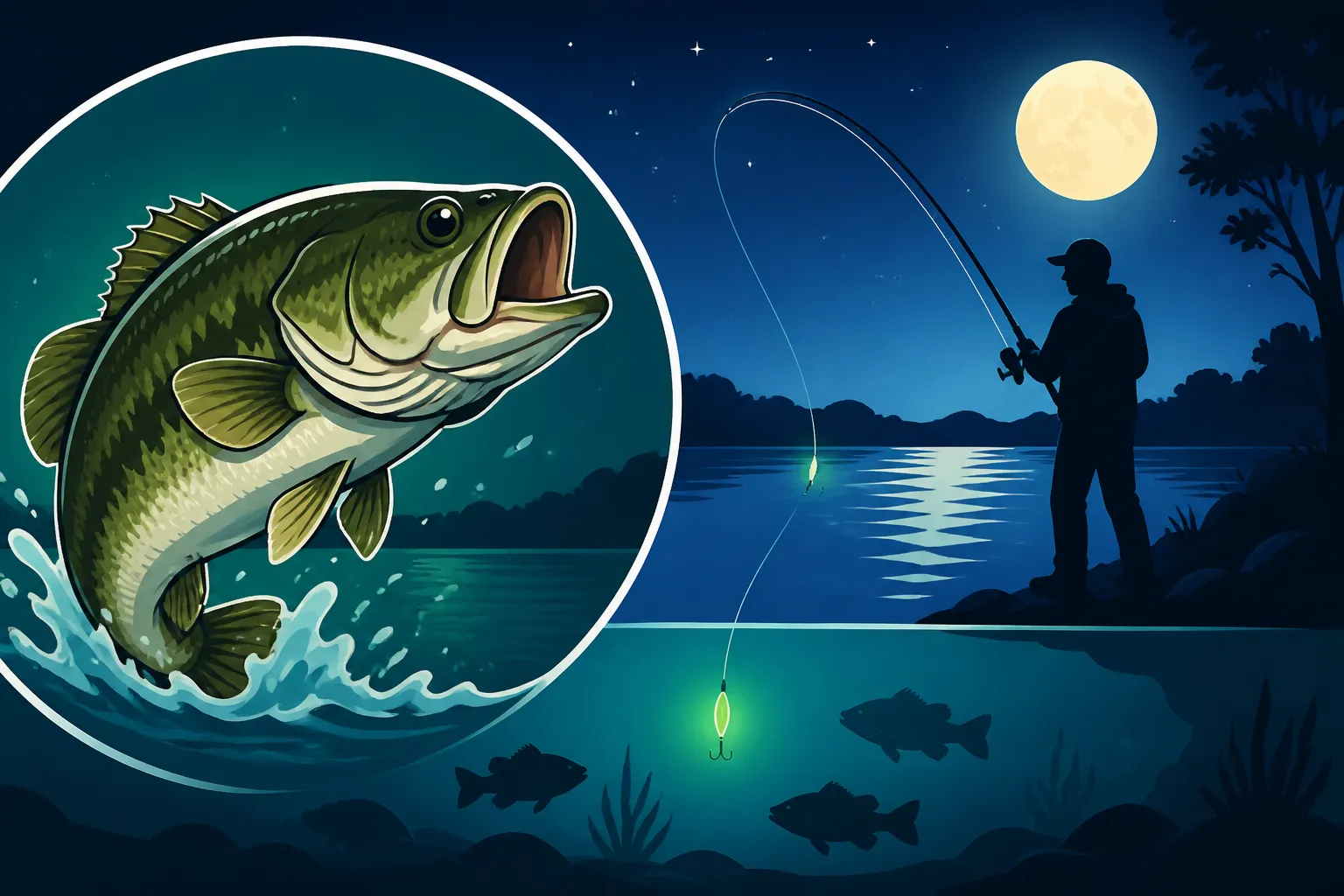
Is Alum Creek Lake Good for Night Fishing?
If you've ever spent a scorching summer day out on the water at Alum Creek Lake, only to find the fish have completely clammed up, you're not alone. It's a common frustration when the sun beats down relentlessly, making fish lethargic and sending them deep. But here's a little secret: the best action often kicks off when the sun dips below the horizon, transforming a sleepy lake into a vibrant nocturnal hunting ground. This guide is all about whether Alum Creek Lake is indeed good for night fishing, and more importantly, how you can make the absolute most of those magical twilight and overnight hours to hook into some serious catches.
The Allure of Night Fishing at Alum Creek Lake
There’s a certain tranquility to fishing under the stars, a peacefulness you just don’t get during the day. Beyond the calm, however, there are very real, tangible benefits to wetting a line at Alum Creek once darkness falls. It's not just a different vibe; it's often a different fishing experience altogether.
Why the Darkness Makes a Difference for Alum Creek Anglers
Think about it: during the day, Alum Creek Lake can be a bustling place. Boats crisscross the water, jet skis zoom by, and swimmers splash in designated areas. This constant activity creates pressure, sending many fish species deep or into dense cover where they feel safe. But as dusk settles, most of this commotion fades away. The water quiets, the air cools, and the lake essentially takes a deep, calming breath.
This reduction in pressure is a huge factor. Fish, much like people, prefer a peaceful environment, especially when feeding. The cooler water temperatures, particularly during the hot summer months, are another massive draw. Oxygen levels improve, and many baitfish become more active in the shallower, cooler zones. This, in turn, draws larger predatory fish out of their daytime haunts to feed aggressively. It’s a complete shift in their behavior, offering you a unique window of opportunity that daytime anglers often miss. If you've ever felt like you're fighting the crowd and the sun during the day, night fishing offers a welcome respite and often a more productive outcome.
Target Species That Thrive After Dark at Alum Creek
Alum Creek Lake is a diverse fishery, and many of its star inhabitants really come alive once the lights go out. You're not just fishing for one type of fish; you're opening up possibilities for several exciting species.
- Largemouth and Smallmouth Bass: These guys are ambush predators, and low light conditions give them a significant advantage. They’ll move into shallower cover, around weed lines, submerged timber, and rocky points to hunt baitfish and crawfish. A well-placed topwater lure or a slow-rolled spinnerbait can be absolutely deadly. If you're looking for Ohio Largemouth and Smallmouth Bass Limits, night fishing can put you on some real trophies.
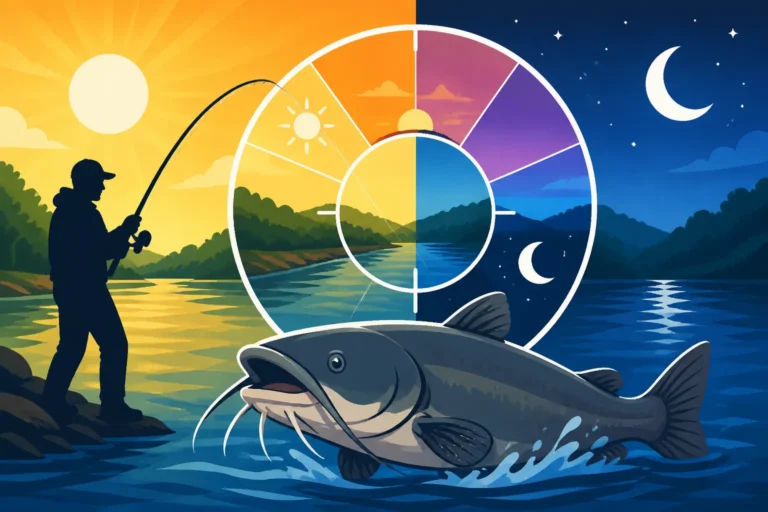
- Channel Catfish and Flathead Catfish: Oh, the catfish! These are perhaps the quintessential night fishermen's quarry. Catfish are incredibly active after dark, using their keen sense of smell and touch to navigate and feed. Alum Creek has a healthy population, and the darker the night, the better your chances of landing a big one. They'll cruise creek channels, drop-offs, and mud flats, looking for an easy meal.
- Walleye and Saugeye: While Alum Creek isn't as famous for walleye as Lake Erie, it does hold a respectable population of both walleye and saugeye. These fish have excellent low-light vision, making them formidable nocturnal hunters. They’ll often move onto shallow flats or humps to feed, especially if there's baitfish present. Techniques for them at night can be quite effective, offering a different challenge than traditional daytime walleye fishing. You might even find some different Inland Walleye and Saugeye Size Limits apply depending on the body of water.
- Crappie: While often associated with spring and fall daytime bites, crappie can be fantastic night targets, especially when using lights to attract them and their prey. They'll suspend around brush piles, docks, and submerged timber, waiting for minnows or insects drawn to your lights.
It's a fantastic blend of opportunities, ensuring that whether you're after a hard-fighting bass or a giant flathead, Alum Creek at night has something to offer.
Prime Conditions for Alum Creek Night Angling
Just like daytime fishing, success at night isn't purely about being there; it's about understanding the nuances of the environment. Certain conditions can make your nocturnal outing at Alum Creek incredibly productive, while others might make it a tougher grind.
Moon Phases and Cloud Cover: Illuminating Your Chances
The moon plays a fascinating role in night fishing. It's not always about a full moon, though that can be a magical experience with the lake bathed in lunar glow.
- Full Moon: On a bright, full moon night, fish can often see quite well. This might make them more wary of artificial light sources from anglers. However, it can also encourage baitfish to be more active, and predators will follow. Some anglers find that a full moon can sometimes make fish spread out more, making them harder to pinpoint. It's a double-edged sword: great visibility for you, but also for the fish.
- New Moon/Dark Nights: Many seasoned night anglers swear by the new moon or heavily overcast nights. The complete darkness makes light-sensitive species like walleye and saugeye incredibly bold. Bass will also rely more on sound and vibration, making topwater lures and noisier baits incredibly effective. The darkest nights often compress fish into more predictable ambush points, making them easier to target.
- Cloud Cover: Overcast nights, regardless of the moon phase, tend to be excellent. The clouds diffuse any ambient light, creating consistent low-light conditions. This often keeps fish actively feeding throughout the night, rather than having periods of intense feeding followed by lulls.
Ultimately, don't let any single moon phase deter you. Experimentation is key. Sometimes the most unexpected nights yield the biggest rewards!
Water Temperature and Clarity: Critical Factors for Night Success
These two factors are paramount when planning your Alum Creek night fishing trip. Fish metabolism and behavior are directly linked to the water around them.
- Water Temperature: This is perhaps the most significant factor, especially during summer. As the sun sets, the surface water cools down, often by several degrees. This cooling brings renewed activity to many species that might have been lethargic in the warmer daytime waters. Bass, crappie, and walleye will often move shallower, from their deeper daytime refuges, to take advantage of these cooler, more comfortable conditions. For catfish, while they are less temperature-sensitive, cooler water still contributes to a more active feeding pattern. Pay attention to forecasts and recent water conditions; a sharp temperature drop after a heatwave can turn an average night into an epic one.
- Water Clarity: The clarity of Alum Creek's water will heavily influence your lure choices.
- Clear Water: In very clear conditions, fish can be spooky, even at night. You might need to use more subtle presentations, smaller baits, or stick to darker lure colors that present a strong silhouette. Scent can also be a significant advantage here.
- Stained or Murky Water: This is often a night angler's friend. In stained water, fish rely more on their lateral lines (to detect vibrations) and their sense of smell. This means noisier lures, those with significant vibration, and baits with strong scents will be far more effective. Dark colors that create a bold silhouette against any ambient light, even in murky water, can also be very productive. Understanding "Best Lures for Ohio Fishing" will definitely help you pick the right colors and actions for varying water clarity.
Seasonal Considerations for Night Fishing at Alum Creek
While night fishing is often associated with summer, it can be productive across multiple seasons at Alum Creek.
- Summer (June-August): This is prime time for night fishing. The hot days push fish into nocturnal patterns. Expect excellent bass, catfish, and sometimes crappie action. Walleye and saugeye can also be caught, often on deeper humps or flats.
- Spring (April-May): As water temperatures rise, fish move shallower for spawning. Night fishing can be good, especially for prespawn and postspawn bass and crappie. However, cooler spring nights can sometimes slow activity more than summer nights.
- Fall (September-November): The cooling water and shorter days again stimulate fish activity. Night fishing can be exceptional for larger bass and walleye/saugeye as they feed heavily before winter. Catfish will also remain active until water temperatures drop significantly.
- Winter (December-March): Night fishing during winter, especially when open water is available, is generally less common and often less productive due to the very cold water. However, some hardcore anglers might find success jigging deep for walleye or saugeye through the ice, but that falls under a different category like Ohio Ice Fishing Guide. For open water, stick to the warmer months.
Essential Gear and Safety Considerations for Night Fishing
Night fishing isn't just daytime fishing after dark. It demands a different set of preparations, especially when it comes to safety and equipment. Being prepared can be the difference between a memorable night and a challenging one.
Lighting Up Your Night Fishing Experience
You absolutely need to see what you're doing, but you also need to avoid spooking the fish or blinding yourself and others.
- Headlamps: These are non-negotiable. Look for one with a red light option. Red light preserves your night vision far better than white light, allowing your eyes to adjust to the dark surroundings quickly. This is crucial when tying knots, baiting hooks, or navigating. Only use white light when absolutely necessary, such as when unhooking a fish or dealing with a tangle.
- Boat Lights: If you're on a boat, ensure your navigational lights are fully functional and in compliance with Ohio boating regulations. This is for your safety and the safety of others on the water. Interior lights, often LED strips, can provide enough ambient light for working in the boat without being overly bright.
- Lanterns: A battery-powered LED lantern can be fantastic for illuminating a general area on a boat or from shore. Some anglers use submersible lights, which can be dropped into the water to attract baitfish, creating a feeding frenzy beneath your boat. More on that later!
Navigational Aids and Shoreline Safety: Know Before You Go
Safety is paramount. Alum Creek Lake can be tricky to navigate even during the day, with submerged hazards, stumps, and varying depths. At night, these dangers are magnified.
- GPS and Maps: Have a reliable GPS unit with detailed maps of Alum Creek Lake. Mark your launch point, any known hazards, and productive fishing spots. If you're using a phone, ensure it's fully charged and perhaps carry a portable power bank. Familiarize yourself with Alum Creek Lake Fishing Access Points before you leave.
- Life Jackets: These are not optional; they are mandatory. Always wear a U.S. Coast Guard-approved life jacket, especially when moving in a boat or if you're not a strong swimmer. The consequences of falling into cold, dark water at night can be severe. Remember that Do You Need a Boating License to Fish From a Boat in Ohio? also ties into safe boating practices.
- Buddy System: Never fish alone at night if you can help it. Having a partner ensures someone can assist if an emergency arises.
- Shoreline Scouting: If fishing from shore, scout your chosen location during the day. Identify safe entry and exit points, potential tripping hazards, and how far you can safely cast. Avoid unfamiliar or treacherous terrain.
Rods, Reels, and Lines for Night Tactics
While you can often use your regular daytime gear, some considerations can improve your night fishing experience.
- Sensitive Rods: Detecting subtle bites in the dark can be challenging. A rod with a sensitive tip will help you feel those light taps. Medium-heavy action rods are often preferred for their versatility, handling both larger fish and substantial lures.
- Reliable Reels: Smooth drag systems are essential for fighting fish in the dark. You don't want any surprises when a big one hits.
- Line Choice: Many anglers opt for slightly heavier line at night, especially when fishing around cover. Monofilament offers some stretch, which can be forgiving, while fluorocarbon is nearly invisible and offers excellent abrasion resistance. Braided line provides superior sensitivity and strength, which can be a huge advantage for feeling light bites. Consider a high-visibility braided line if you plan to use a leader, as it helps with line management in the dark.
Clothing and Comfort: Staying Warm and Bug-Free
The night can get surprisingly chilly, even after a hot day, and bugs love stagnant air.
- Layers: Dress in layers. You can always shed them if you get warm, but it's miserable to be cold and unable to warm up. A good waterproof and windproof outer layer is a smart idea, just in case.
- Bug Spray: Mosquitoes and other biting insects can ruin a peaceful night. Apply a good repellent generously, or consider bug-repellent clothing.
- Snacks and Drinks: Bring plenty of water and easy-to-eat snacks. Night fishing can be long, and staying hydrated and fueled will keep your focus sharp.
- First-Aid Kit: A basic first-aid kit is a must for any fishing trip, but especially at night when small cuts or scrapes can be harder to manage.
Specific Techniques for Night Fishing Success at Alum Creek
Now that you're geared up and safety-conscious, let's dive into some specific techniques that will help you put fish in the boat or on the bank at Alum Creek Lake after dark.
Topwater and Shallow Water Bass Tactics
Nighttime is prime time for big bass to hunt in the shallows. They rely on vibration and silhouette against the night sky or any ambient light.
- Lure Selection:
- Buzzbaits: These create a fantastic gurgling sound and surface disturbance that can drive bass crazy. Dark colors like black, blue, or purple are excellent, creating a strong silhouette.
- Jitterbugs/Frogs: Topwater lures that walk or pop are also very effective. Again, dark colors are often best.
- Large Worms/Jigs: For a subsurface approach, Texas-rigged plastic worms (especially large ones, 8-10 inches) or jigs with bulky trailers can be worked slowly along weed lines or submerged brush. Black and blue combinations are perennial favorites.
- Presentation: Cast close to cover—weed edges, fallen trees, docks, and rocky points. Allow topwater lures to sit for a moment after casting before starting a slow, steady retrieve. The key is often a slower presentation than during the day, giving bass more time to locate the lure by sound and vibration. Think about how Best Techniques for Ohio Largemouth Bass might change when you can't rely on visual cues.
Catfish Hunting in the Depths and Shallower Flats
Catfish are perhaps the most popular target for night anglers, and for good reason—they feed voraciously after dark. Alum Creek Lake has excellent populations of channel and flathead catfish.
- Bait Selection:
- Stink Baits: Prepared stink baits (like those from Catfish Charlie or Sonny's) are highly effective for channel cats, whose sense of smell is legendary.
- Cut Bait: Shad, bluegill, or other oily fish cut into chunks are irresistible to larger channel cats and especially flatheads. Use fresh cut bait for best results.
- Live Bait: Live bluegill or shad are the go-to for trophy flathead catfish. Remember to check Ohio Fishing Regulations Every Angler Should Know regarding the use of live baitfish.
- Worms: Good old nightcrawlers can also catch plenty of channel cats, especially smaller ones.
- Location and Rigging: Target creek channels, deeper holes, sharp drop-offs, and mud flats. For channel cats, a simple slip-sinker rig with an appropriate-sized hook (e.g., 2/0 to 5/0 circle hook) is ideal. For flatheads, you'll need heavier tackle, larger baits, and strong hooks. Anchor near promising structure or drift slowly along known catfish haunts. If you're curious about different species, refer to our Ohio Channel Catfish Fishing Guide.
Walleye and Crappie Strategies After Dark
While often thought of as daytime targets, walleye and crappie can offer fantastic night action, especially with specific approaches.
- Walleye/Saugeye Tactics:
- Trolling Crankbaits: If you have a boat, trolling dark-colored crankbaits (black, purple, blue, or firetiger) at slow speeds can be very effective for walleye and saugeye that move shallower to feed. Target humps, points, and flats.
- Jigging: From shore or a boat, casting and slowly retrieving jigs tipped with a minnow, a plastic grub, or a scented soft plastic can entice bites. Focus on areas with structure or where you've marked fish during the day.
- Lighted Bobbers: Fishing a live minnow or a nightcrawler under a lighted slip bobber can also be effective, especially over humps or along breaklines.
- Crappie Tactics:
- Submersible Lights: This is the most popular and often most effective method for night crappie. Deploy a submersible light (green or white) from your boat. The light attracts zooplankton, which attracts baitfish, which in turn attracts crappie.
- Small Jigs and Minnows: Once baitfish and crappie gather around your light, use small jigs (1/32 to 1/16 ounce) tipped with a live minnow or a tiny soft plastic grub. Fish them at various depths until you find where the crappie are holding. Focus on brush piles, standing timber, and dock lights. Our Ohio Crappie Fishing Guide goes into more detail on their habits.
Using Lights to Attract Baitfish and Predators
As touched upon with crappie, artificial lights can be a game-changer for night fishing, not just for visibility but as an active fish-attracting tool.
- How it Works: Submersible green or white lights, deployed off the side of your boat or dock, penetrate the water column. This light attracts microscopic organisms (zooplankton), which then attract small baitfish (minnows, shad). The congregation of baitfish acts as a beacon for predatory species like crappie, walleye, saugeye, and even bass.
- Deployment: Place the light a few feet below the surface. Give it some time—often 30 minutes to an hour—for the ecosystem to build up around it. You'll literally see the baitfish schooling in the light.
- Fishing Around the Light: Once the baitfish are present, fish the edges of the light cone. Predators will often lurk just outside the brightest area, darting in to ambush unsuspecting prey. Use jigs, minnows, or small crankbaits. This technique is especially effective for crappie but can also draw in other species.
| Species | Best Night Baits/Lures | Prime Locations (Night) | Recommended Presentation |
|---|---|---|---|
| Largemouth Bass | Dark Buzzbaits, Jitterbugs, Large Plastic Worms | Shallow cover, weed lines, docks, rocky points | Slow retrieve, topwater pops |
| Smallmouth Bass | Dark Spinnerbaits, Tube Jigs, Ned Rigs | Rocky points, submerged humps, deeper structure | Slow-roll, bottom bouncing |
| Channel Catfish | Stink Baits, Cut Bait, Nightcrawlers | Creek channels, deeper holes, mud flats, current seams | Bottom rig (slip-sinker) |
| Flathead Catfish | Live Bluegill, Live Shad, Large Cut Bait | Deep holes, fallen timber, main river channels | Heavy bottom rig (slip-sinker) |
| Walleye/Saugeye | Dark Crankbaits, Jig & Minnow/Plastic, Live Bait | Humps, points, shallow flats (with baitfish) | Slow troll, jigging, slip-bobber |
| Crappie | Small Jigs, Live Minnows (under submersible light) | Brush piles, submerged timber, dock lights | Vertical jigging, slip-bobber |
Alum Creek Lake offers a fantastic experience for night anglers willing to embrace the darkness. With the right preparation, a focus on safety, and a good understanding of nocturnal fish behavior, you can turn those frustrating daytime hours into truly memorable nights under the Ohio stars. Before heading out, you might even consider booking a trip with a local guide specializing in Alum Creek night fishing; platforms like FishingBooker often list experienced captains who can show you the ropes and the best spots after dark.
Disclaimer
The information provided in this guide is for general informational purposes only and does not constitute professional advice. Fishing regulations and conditions in Ohio can change, and it is the responsibility of the angler to stay informed of the latest rules and safety guidelines issued by the Ohio Department of Natural Resources (ODNR). Always prioritize safety on the water and adhere to all local, state, and federal laws.