Best Places to Catch Channel Catfish in Ohio
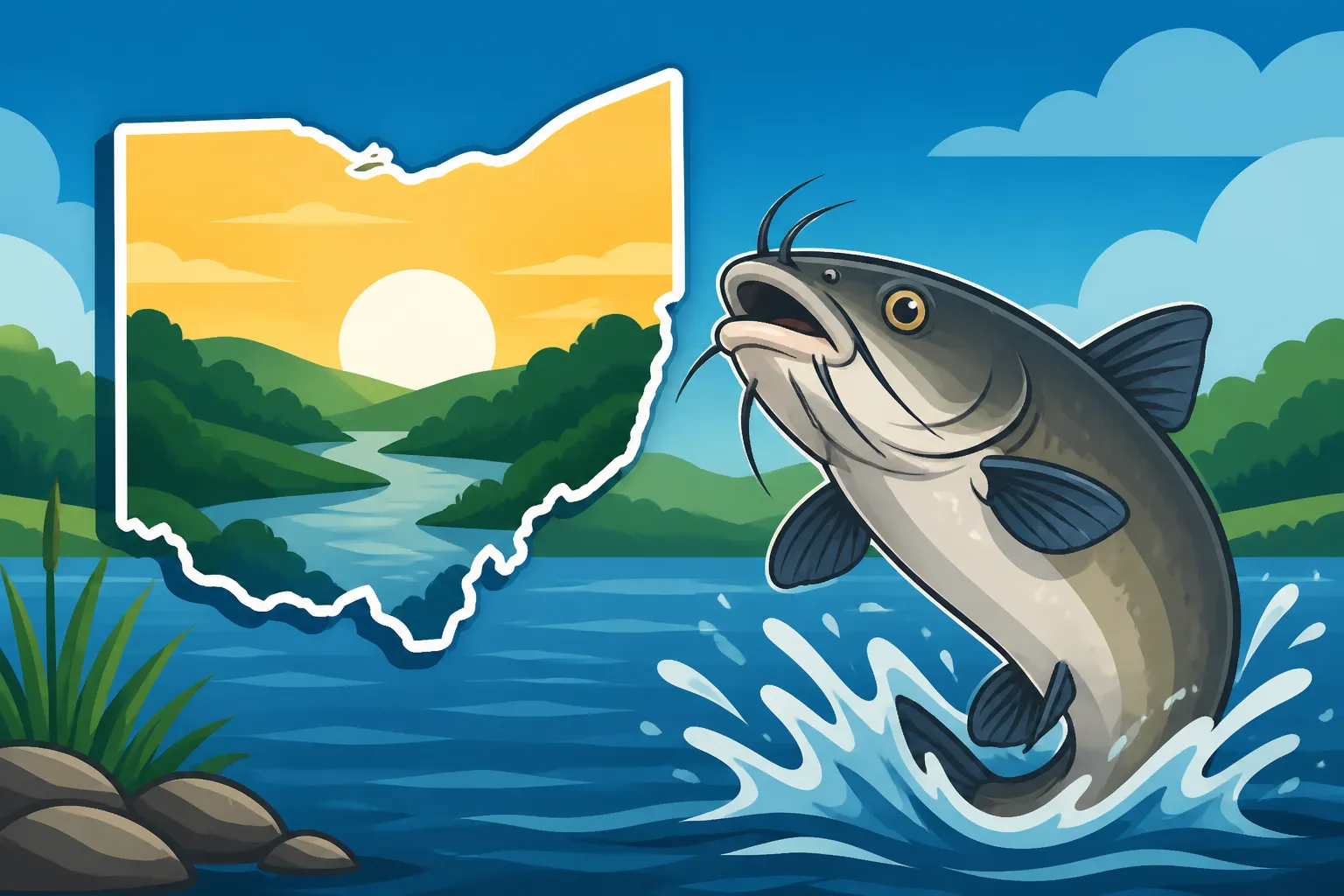
For many anglers in Ohio, the quest for a spirited fight and a delicious meal often leads to the ubiquitous channel catfish. But while these whiskered wonders are present in many of our waterways, knowing where to consistently find the biggest concentrations and the most active biters can feel like chasing a ghost. This guide is here to cut through the guesswork, pinpointing the best places across Ohio to cast your line for channel catfish, offering seasoned advice on how to make your next outing a successful one.
Ohio's Major River Systems for Channel Catfish
Ohio's sprawling river networks offer some of the most productive and exciting opportunities for catching channel catfish. These dynamic environments provide everything a channel cat could want: diverse forage, plenty of cover, and varying depths to hold fish year-round. Understanding the nuances of each major river system can dramatically improve your success rate.
The Mighty Ohio River and Its Tributaries
The Ohio River, forming the state's southern border, is a powerhouse for catfish, including an abundant population of channel cats. This massive waterway provides deep holes, current breaks, and countless feeder creeks that are perfect havens. Anglers can find excellent fishing from boats, but also have numerous opportunities for productive bank fishing, especially around the mouths of tributaries or near public access points like those around Cincinnati and Portsmouth. When you're fishing the main river, focus on areas with slower current, such as eddies behind islands, bridge pilings, or submerged wing dams. These spots allow catfish to ambush prey without expending too much energy fighting the main flow. If you're looking for a guided experience to truly maximize your time and learn the specific honey holes, many experienced captains list their services on platforms like FishingBooker, offering invaluable local knowledge. The sheer size of the Ohio River can be intimidating, but breaking it down into smaller, manageable sections or focusing on specific features can lead to fantastic catches. Remember that the Ohio River has its own unique set of regulations, so always double-check the rules specific to this interstate waterway.
Moving into the smaller rivers that feed the Ohio, like the Muskingum and Scioto, you'll find slightly different dynamics but equally promising channel catfish action. These rivers tend to be shallower with more defined bends and logjams, creating ideal ambush points. The Muskingum River, with its series of locks and dams, creates distinct pools and tailwaters that are often brimming with catfish. Below the dams, the turbulent, oxygen-rich water attracts baitfish, which in turn draws in hungry channel cats. Further downstream, in calmer pool sections, look for fallen trees, undercut banks, and deeper channels. The Scioto River, particularly around Columbus and south, also offers excellent channel cat fishing. Here, targeting brush piles, natural river bends, and anywhere the current slows down near structure can be highly effective. These tributary rivers are often more accessible for smaller boats and even kayak anglers, providing a more intimate fishing experience compared to the vastness of the Ohio River. Always be mindful of water levels and currents, especially after heavy rains.
Northern Ohio Rivers and Estuaries
While Lake Erie itself is more renowned for its walleye and yellow perch, the rivers and estuaries that flow into it, such as the Maumee, Sandusky, and Grand Rivers, offer fantastic channel catfish opportunities, especially during warmer months. The Maumee River, famous for its walleye run, also holds a substantial population of channel catfish that are often overlooked by anglers focused on other species. Downstream sections, particularly where the river widens and deepens before emptying into Lake Erie, can be particularly productive. Look for slower moving water, deeper holes, and areas with submerged timber or rock piles. The estuaries are rich in baitfish and invertebrate life, providing an endless buffet for catfish. Many anglers prefer to target these areas in the evening or at night when channel cats are most active.
The Sandusky River and Grand River are also excellent choices for channel catfish. These rivers share similar characteristics with the Maumee, offering a mix of current, structure, and abundant food sources. In these northern rivers, channel catfish are often found in conjunction with other species, making for a diverse fishing experience. Using cut bait, nightcrawlers, or shrimp are classic choices, often fished on a simple bottom rig. Checking the local fishing reports, often available through bait shops or online forums, can provide real-time insights into where the catfish are biting and what baits are working best. Keep in mind that as you move closer to Lake Erie, some of the regulations may overlap with broader Lake Erie guidelines, so it's always smart to review the current Lake Erie Fishing Regulations in Ohio to ensure compliance.
Productive Ohio Reservoirs and Inland Lakes
Beyond the rivers, Ohio boasts an impressive array of reservoirs and inland lakes that are absolutely loaded with channel catfish. These impoundments often provide more stable water conditions and offer diverse habitats, from shallow flats to deep main lake basins, catering to catfish preferences.
Central Ohio's Reservoir Hotbeds
Central Ohio is home to several large reservoirs that consistently produce excellent channel catfish. Hoover Reservoir, located just northeast of Columbus, is a prime example. While it's known for its saugeye and crappie, the catfish population is robust and often overlooked. Anglers can target channel cats in the deeper sections of the old river channel, particularly near submerged timber or humps. The extensive shallow flats and coves also attract catfish, especially during the warmer summer months when they're actively foraging for baitfish and insect larvae. Night fishing on Hoover can be particularly rewarding for channel catfish, as they move into shallower water to feed. Another fantastic option in this region is Alum Creek Lake. Similar to Hoover, Alum Creek offers varied depths and structure. The main lake basin and the numerous large coves are great starting points. Look for creek channels, submerged islands, and any form of cover that can provide an ambush point. The best baits for Ohio catfish in these reservoirs often include cut shad, chicken liver, or robust nightcrawlers fished on the bottom. For a deeper dive into specific lake regulations, always consult the Ohio Statewide Bag and Size Limits.
Indian Lake and Buckeye Lake, both popular recreational lakes, are also fantastic for channel catfish. Indian Lake, a large, shallow lake in Logan County, has an impressive channel cat fishery. Its numerous channels, weed beds, and stumps provide ample cover. Shore anglers can do very well, especially in the evenings, by targeting public docks or accessible points with deep water nearby. Buckeye Lake, near Lancaster, has also seen significant improvements in its fish habitat, making it a growing hotspot for channel catfish. Its extensive shallow flats and deeper channels are excellent for these bottom feeders. Both lakes offer great opportunities for family fishing, where a simple bobber rig with a worm or a piece of hot dog can be incredibly effective. Consider trying these locations if you’re looking for a relaxing day on the water with a high chance of a catfish bite.
Southeastern Ohio's Hidden Gems
Southeastern Ohio’s terrain is characterized by rolling hills and numerous lakes, many of which are Corps of Engineers flood control reservoirs that have matured into fantastic fisheries. Piedmont Lake, located in Belmont and Harrison counties, is well-known for its muskie, but it also supports a thriving channel catfish population. The lake's clear water and abundant forage base contribute to healthy, hard-fighting cats. Focus on points, submerged humps, and the deeper old river channel. Tappan Lake and Seneca Lake, also in southeastern Ohio, are similarly productive. These lakes, part of the Muskingum Watershed Conservancy District, offer excellent public access, boat ramps, and plenty of shoreline. Channel catfish here often cruise the edges of weed beds and submerged structure. Fishing these lakes often means you’ll be sharing the water with anglers targeting other species, but the consistent action for channel catfish makes it well worth the trip. If you're planning a trip to this region, you might find it helpful to search for local guide services on platforms like FishingBooker, especially if you want to explore the more remote areas or learn specialized techniques for these larger reservoirs.
| Lake/River System | Primary Habitat Features | Best Fishing Methods | Typical Channel Catfish Size | Notes |
|---|---|---|---|---|
| Ohio River | Deep holes, current breaks, eddies | Bottom rigs, slip sinkers | 2-10 lbs, trophy potential | Best near tributaries & slack water. |
| Muskingum River | Lock & dam tailwaters, logjams | Bottom rigs, drifting | 1-8 lbs | Excellent below dams, current important. |
| Scioto River | River bends, brush piles, deeper channels | Bottom rigs, bank fishing | 1-7 lbs | Productive in urban & rural sections. |
| Maumee River | Estuary, deeper channels, structure | Bottom rigs, heavier weights | 1-10 lbs | Focus on slower sections, especially lower river. |
| Hoover Reservoir | Old river channel, submerged timber | Bottom rigs, night fishing | 2-12 lbs | Often overlooked, can produce large fish. |
| Alum Creek Lake | Main basin, coves, creek channels | Bottom rigs, drift fishing | 1-10 lbs | Good structure, abundant forage. |
| Indian Lake | Channels, weed beds, stumps | Bobber rigs, bottom rigs | 1-5 lbs | Shallow, good for shore & small boat anglers. |
| Piedmont Lake | Points, humps, old river channel | Bottom rigs, drift fishing | 2-10 lbs | Clearer water, often requires deeper presentation. |
Smaller Lakes, Ponds, and Urban Fishing Opportunities
You don't always need to venture to vast rivers or massive reservoirs to find excellent channel catfish fishing. Ohio offers a wealth of smaller lakes, ponds, and even urban fishing spots that can be incredibly productive, often providing convenient access and surprising numbers of fish.
ODNR Stocked Ponds and Public Access Lakes
The Ohio Department of Natural Resources (ODNR) actively manages and stocks numerous smaller lakes and ponds across the state, many of which are specifically stocked with channel catfish to provide accessible fishing opportunities. These ponds are often found within state parks, wildlife areas, and public access sites, making them ideal for a quick trip or for introducing new anglers to the sport. The beauty of these locations is their accessibility and the relatively predictable fishing they offer. Anglers can often find success with simple tactics, like a worm under a bobber or chicken liver fished on the bottom. These spots are fantastic for families and anglers who prefer not to deal with heavy boat traffic or complex navigation. While the fish might not always be trophy-sized, they provide consistent action and are perfect for a relaxing day outdoors. To find specific ODNR stocked ponds near you, check the ODNR website's fishing resources, which often include stocking schedules and maps. These areas also tend to have very clear rules regarding how many fish you can keep, so always be aware of the Ohio Catfish Daily Bag Limit before you start fishing.
Farm Ponds and Metroparks
Ohio's landscape is dotted with countless private farm ponds, and if you have permission from the landowner, these can be absolute goldmines for channel catfish. Farm ponds often receive less fishing pressure than public waters, allowing fish to grow larger and be less wary. Many landowners actively manage their ponds, stocking them with channel catfish, bluegill, and bass, creating a balanced ecosystem. The key here is always to ask for permission; never trespass on private property. The fishing techniques are usually straightforward: a simple bait presentation with nightcrawlers, hot dogs, or stink bait can be incredibly effective. These ponds are typically smaller, making it easier to locate fish and cover the entire body of water. Some of the best fishing experiences can be found in these quiet, out-of-the-way locations.
Additionally, many urban and suburban areas in Ohio have fantastic metroparks and local park lakes that offer surprising channel catfish opportunities. Places like the Columbus and Cleveland Metroparks systems, for example, manage several lakes and ponds that are stocked and maintained for public fishing. These can be incredible resources for city dwellers who don't have the time or means to travel far. For instance, some of the lakes in the Columbus Metroparks, like those in Blendon Woods or Three Creeks Park, are regularly stocked and provide decent channel catfish action. The convenience of these locations means you can often squeeze in an hour or two of fishing after work or on a weekend morning. These urban fishing spots often have good infrastructure, including piers and easy bank access, making them very beginner-friendly. They're a testament to the idea that great fishing can be found right in your backyard if you know where to look. While many of these locations are well-maintained, always adhere to park rules and leave no trace behind.
Understanding Channel Catfish Behavior for Better Success
Knowing where to fish is only half the battle; understanding when and how channel catfish behave can significantly boost your success rate, regardless of the location. These fish are opportunistic feeders, but their activity levels and preferred habitats change with the seasons and even throughout the day.
Seasonal Movements and Feeding Patterns
Channel catfish, much like many other fish species in Ohio, exhibit distinct seasonal movements and feeding patterns. In the spring, as water temperatures begin to rise, channel cats become more active and move into shallower areas to feed heavily before their spawning period. This is a fantastic time to target them in river bends, shallow coves, and the warmer backwaters of reservoirs. As water temperatures approach the 70s, typically late spring to early summer, they will begin to spawn in secluded, dark areas like undercut banks, logjams, or rock crevices. During this time, they might be less interested in feeding, but pre-spawn and post-spawn periods are highly productive.
Summer brings consistent warm water, and channel catfish activity peaks, especially in the evenings and at night. They'll often move into deeper, cooler water during the day, but will venture into shallower feeding flats, along drop-offs, and around structure as the sun sets. This is when you'll find them active in many of the locations we've discussed, from the deeper holes of the Ohio River to the shallows of Indian Lake. Early morning can also be productive. As fall approaches and water temperatures cool, channel cats will again increase their feeding activity to put on weight for winter. They'll start to move back into deeper channels and holes, feeding opportunistically on dying baitfish. Even in winter, dedicated anglers can find channel catfish through the ice or in deeper river sections, though their metabolism slows down significantly, making them less aggressive. For a broader overview of seasonal changes, check out the Ohio Fishing Season Calendar.
Preferred Baits and Rigs
Channel catfish are not particularly picky eaters, which is one of their most endearing qualities. However, some baits are undeniably more effective than others. Stink baits, which are commercially prepared concoctions with a potent odor, are a classic choice and highly effective, especially in stained or muddy water where scent plays a crucial role. Chicken liver, hot dogs, cut shad, shrimp, and even chunks of soap are also popular and proven baits. For anglers targeting larger channel cats, using a small live or cut baitfish can sometimes attract a more substantial specimen. The key is to use fresh, appealing bait.
When it comes to rigging, simplicity often reigns supreme. A basic bottom rig, consisting of an egg sinker or a flat pyramid sinker above a swivel, a leader, and a sturdy circle hook (sizes 2/0 to 5/0 are common), is extremely effective. The weight needed will depend on the current; in strong river currents, you might need a heavier sinker to keep your bait in place. In calmer lakes and ponds, a lighter weight or even a simple bobber rig can be perfect, especially when targeting fish closer to shore or over submerged cover. Using a slip sinker allows the fish to take the bait without feeling the resistance of the weight, leading to more solid hookups. Many experienced catfish anglers also find success with a Santee Cooper rig or a Carolina rig, particularly in areas with light cover or varied bottom compositions.
Considerations for a Successful Catfish Trip
Beyond just knowing the spots and the general behaviors, a few extra tips can make your channel catfish outings more enjoyable and successful. Remember, fishing is about connecting with nature and having fun, and being prepared certainly helps.
Essential Gear and Safety
When heading out for channel catfish, having the right gear can make a big difference. A medium-heavy action rod with a strong spinning or baitcasting reel spooled with 15-30 lb monofilament or braided line is a good all-around choice. This setup provides the power needed to handle larger catfish and lift them out of cover. Don't forget a sturdy pair of pliers for hook removal, a rag to handle slimy fish, and a cooler with ice to keep your catch fresh if you plan on eating them. A headlamp or flashlight is essential for night fishing, which is often the most productive time for channel cats. Also, always check the weather forecast and dress appropriately, bringing rain gear if there's any chance of precipitation.
Safety should always be a top priority. If you're fishing from a boat, ensure all required safety gear is onboard, including life jackets for everyone. If fishing from shore, be aware of your surroundings, especially near steep banks or slippery rocks. Let someone know where you're going and when you expect to return. When fishing at night, be extra cautious and use your lighting wisely. Respect private property and always pack out everything you pack in, leaving no trace behind. For general rules and regulations, it's always smart to have a quick look at the Ohio Fishing Regulations Every Angler Should Know before heading out.
Respecting the Resource
Ohio's channel catfish fishery is a fantastic resource, and it's up to all of us to help keep it that way. Practicing responsible angling ensures that future generations can enjoy the same opportunities we do. This means adhering to all bag and size limits, releasing fish carefully if you're not planning to keep them for consumption, and never leaving trash or discarded fishing line behind. If you're handling a large catfish for a photo, try to keep it in the water as much as possible, supporting its body weight properly to avoid internal injury.
Consider the impact of your fishing on the environment. Avoid disturbing nesting birds or other wildlife, and be mindful of delicate aquatic vegetation. By being a responsible angler, you contribute to the health of Ohio's waterways and the vibrancy of its fishing culture. Remember, sometimes the best part of the trip isn't the fish you catch, but the experience of being out on the water, appreciating the natural beauty of Ohio. So grab your gear, pick a spot from this guide, and go enjoy some fantastic channel catfish action!
Disclaimer
Please note that fishing conditions, regulations, and fish populations can change. Always consult the latest official Ohio Department of Natural Resources (ODNR) fishing regulations before your trip. The information provided in this guide is for general informational purposes only and should not be considered legal advice or an exhaustive list of all rules and regulations.