Best Ohio Lakes for Ice Fishing
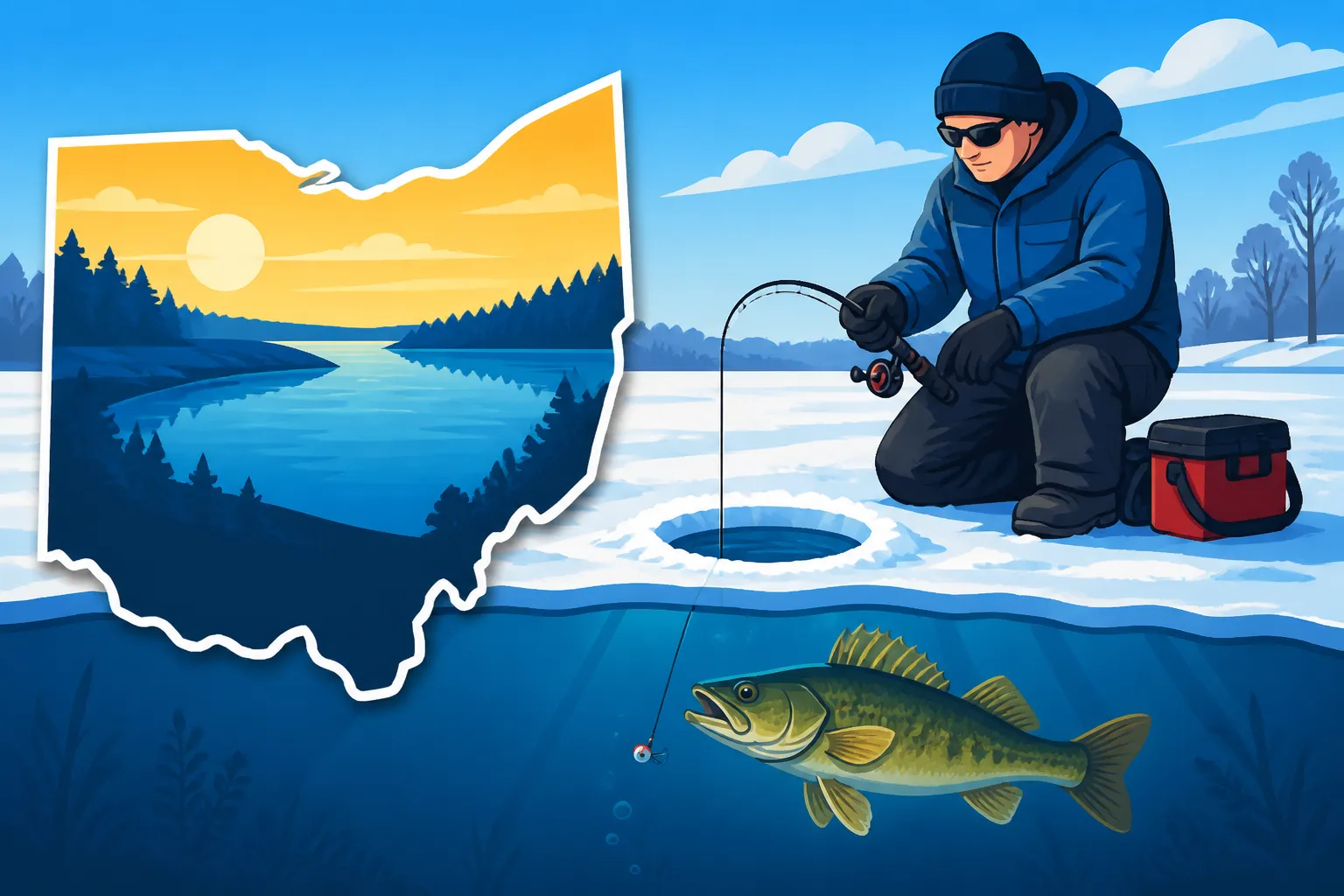
When the chill truly settles over Ohio, and the open water fishing spots start to freeze over, a different kind of angler's frustration often sets in: the longing to get back out there, coupled with uncertainty about where the ice is truly safe and where the fish are biting. It’s a common winter dilemma, especially in a state where ice conditions can be notoriously fickle. This comprehensive guide is here to cut through that uncertainty, detailing the best lakes in Ohio that reliably offer fantastic ice fishing opportunities, so you can plan your winter excursions with confidence and make the most of the frozen season.
Understanding Ohio's Ice Fishing Landscape
Ohio's winter weather can be a real tease. One week, it’s bitterly cold, forming promising sheets of ice, and the next, a warm front rolls through, melting away all our hopes. This variability is precisely why understanding the state's unique ice fishing landscape is crucial. We’re not always blessed with consistent, thick ice like our northern neighbors, which means local knowledge and vigilance are your best friends.
The Reality of Ohio's Winter Weather
Let's be honest, steady, long stretches of sub-freezing temperatures capable of producing consistently safe ice are not a given here in Ohio. We often experience frustrating thaws interspersed with cold snaps, making many smaller ponds and sheltered coves prime for ice early on, while larger, deeper lakes take much longer and are often less reliable. This unpredictable nature means that flexibility is key. You might have your heart set on one lake, but if conditions aren't safe, you need to be ready to pivot to another, often shallower, water body that might have locked up better. It’s not about wishing for a polar vortex, but understanding that true ice fishing windows might be shorter and require quick action. The Ohio Department of Natural Resources (ODNR) often shares updates, but local angler reports are often the most current and valuable resource.
Prioritizing Ice Safety
This might sound like a broken record, but it bears repeating: no fish is worth risking your life. Ice safety is the absolute non-negotiable rule of winter fishing. You simply cannot take chances. The general guideline is that 4 inches of clear, solid ice is usually enough for a single angler to walk on, while 5-7 inches are needed for a small group. Anything less than that is a no-go, and even at those thicknesses, constant vigilance for soft spots, pressure cracks, and areas near inlets or outlets is paramount. Always check ice thickness as you go, carry ice picks around your neck, wear a life vest, and never fish alone. It's also smart to let someone know your plans and expected return time. For more in-depth guidance, make sure to read up on How Thick Ice Should Be Before Fishing in Ohio to ensure you're always making safe choices.
Top Ice Fishing Destinations in Ohio
When the conditions are right, Ohio boasts some truly fantastic ice fishing spots. These are the lakes that anglers often flock to, offering a good chance at everything from panfish to walleye, provided Mother Nature cooperates.
Central Ohio Gems
While perhaps not as numerous as some other regions, Central Ohio still offers a couple of really popular spots that can freeze up nicely and provide excellent hardwater action.
Indian Lake
Located in Logan County, Indian Lake is a sprawling, relatively shallow body of water that has earned a solid reputation among Ohio ice anglers. Its shallowness contributes to it freezing earlier and more consistently than many deeper reservoirs, though its size means you still need to exercise caution, especially in deeper channels or areas with current.
- Target Species: Indian Lake is a panfish paradise through the ice. Anglers regularly pull out limits of bluegill, crappie, and saugeye. You'll also find a good population of largemouth bass, which can be surprisingly active under the ice.
- Techniques: For crappie and bluegill, tiny jigs tipped with wax worms, maggots, or plastics are deadly. Focus on areas with remaining weed beds or brush piles in 5-15 feet of water. For saugeye, jigging spoons or blade baits bounced near the bottom in deeper basins or channels can be effective.
- Insider Tip: The bays and coves, especially areas like the "Oldfield Beach" or "Blackhawk Lake" sections, often freeze first and hold strong numbers of panfish. Early morning and late afternoon are typically prime times.
Buckeye Lake
Another large but relatively shallow lake, Buckeye Lake, situated east of Columbus, is a consistent favorite for ice fishing enthusiasts when the conditions allow. Like Indian Lake, its average depth helps it cap over more reliably.
- Target Species: Crappie, bluegill, and saugeye are the main draws here. Buckeye Lake is particularly known for its slab crappie when you can find them schooled up.
- Techniques: Similar to Indian Lake, small jigs and live bait work wonders for panfish. For saugeye, try vertical jigging with minnows or shiners on a spoon. Look for subtle changes in bottom structure, especially near the old submerged canals.
- Insider Tip: Access points around North Shore and Fairfield Beach are popular. Be mindful of residential areas and private property when seeking access. Check local bait shops for the most current ice conditions and hot spots.
Northeast Ohio's Frozen Favorites
Northeast Ohio, with its slightly colder climate and abundance of larger reservoirs, offers some of the most consistent and popular ice fishing destinations in the state.
Mosquito Creek Lake
Hands down, Mosquito Creek Lake in Trumbull County is often considered one of Ohio's premier ice fishing lakes. Its massive size (over 7,800 acres) combined with extensive shallow flats and a consistent history of good ice makes it a go-to for serious ice anglers. If you're wondering Is Mosquito Lake Good for Ice Fishing?, the answer is a resounding yes!
- Target Species: Walleye are the star attraction here, making it a dream destination for many. Crappie, bluegill, and even some muskie are also present.
- Techniques: For walleye, jigging spoons, Rapala Jigging Raps, or shiners fished under tip-ups are incredibly effective. Focus on structure like old creek channels, humps, and points, typically in 15-30 feet of water. For panfish, move shallower to areas with remaining cover.
- Insider Tip: The causeway area and the vast northern flats often hold good numbers of fish. Be prepared for crowds, especially on weekends when the ice is safe. Consider using a guide service found through platforms like FishingBooker if you're targeting trophy walleye and want to learn the lake quickly.
West Branch Reservoir
Another excellent option in Northeast Ohio is West Branch Reservoir, near Ravenna. This lake is known for its diverse fishery, including an impressive muskie population, and offers great ice fishing opportunities when it locks up.
- Target Species: Walleye, crappie, bluegill, and, surprisingly, muskie are all caught through the ice here. It's a fantastic spot if you enjoy variety.
- Techniques: Walleye anglers will use similar tactics as Mosquito Creek. For muskie, larger suckers or shiners fished under heavy-duty tip-ups are the norm, usually near drop-offs or points. Crappie and bluegill will hit small jigs in shallower coves.
- Insider Tip: Focus on the main lake basin for walleye and muskie, and the shallower arms and bays for panfish. Ice conditions can vary significantly across the lake due to its depth changes.
Pymatuning Reservoir (Ohio Side)
Straddling the Ohio-Pennsylvania border, Pymatuning Reservoir is another behemoth that offers fantastic ice fishing. The Ohio portion, particularly on the western side, provides ample opportunities. This lake is managed by both states, so be aware of specific regulations.
- Target Species: Crappie, walleye, saugeye, and yellow perch are all abundant. Pymatuning is renowned for its excellent crappie fishery.
- Techniques: Crappie anglers flock here, using small jigs or minnows under bobbers. For walleye and saugeye, jigging spoons or tip-ups with minnows are effective near the old river channel or deeper flats.
- Insider Tip: The areas around Spillway and causeways are popular for both access and fish concentrations. Always double-check Ohio Fishing Regulations Every Angler Should Know and Pennsylvania's rules if you plan to venture to the eastern side, as they can differ.
Northwest Ohio's Potential
While less consistent than Northeast Ohio, Northwest Ohio does offer some compelling ice fishing options, especially when a truly cold winter grips the region.
Lake Erie's Western Basin
Yes, you read that right – Lake Erie! While many think of it as a summer trolling paradise, when conditions are exceptionally cold and stable, the shallow Western Basin can freeze over, offering world-class ice fishing for its legendary walleye and yellow perch. However, this is absolutely not an every-year occurrence, and safety is magnified due to the sheer size and potential for dangerous movements of ice. If you're ever considering it, researching Is Lake Erie Safe for Ice Fishing? is a must.
- Target Species: Walleye, walleye, and more walleye! Also, excellent yellow perch fishing.
- Techniques: For walleye, vertical jigging with spoons or blade baits, often tipped with a minnow head, is key. Tip-ups with shiners are also popular. For perch, small teardrop jigs or rigs with emerald shiners are hard to beat.
- Insider Tip: This is not for the faint of heart or inexperienced. Guides are highly recommended if you ever venture onto Lake Erie ice. They have the equipment and knowledge to navigate the immense and dynamic ice sheets safely. Consider finding one through FishingBooker for a truly epic (and safe) experience. When available, access points like those near Port Clinton or Catawba Island are commonly used.
Other Smaller Ponds and Lakes
Don't overlook the myriad of smaller public and private ponds scattered throughout Northwest Ohio. These often freeze solid much faster and more reliably than the larger bodies of water, providing safe and accessible ice fishing for panfish and smaller bass, especially in county parks or wildlife areas.
- Target Species: Bluegill, crappie, and small to medium largemouth bass.
- Techniques: Simplicity is key. Small jigs, wax worms, and patience.
- Insider Tip: These spots are fantastic for introducing kids to ice fishing due to their accessibility and generally safer ice. Always check local park rules before heading out.
Essential Tips for a Successful Ohio Ice Fishing Trip
Ice fishing, while deceptively simple at times, requires specialized gear and techniques to be truly successful and, more importantly, safe. Don't just grab your summer rod and head out; you'll be cold, uncomfortable, and likely unsuccessful.
Gear Up for the Cold and Catch
Being prepared with the right equipment makes all the difference when you're sitting on a bucket in sub-freezing temperatures.
- Auger: You absolutely need a good auger to cut holes through the ice. Manual augers are fine for thinner ice, but for thicker ice or if you plan on cutting many holes, a gas, propane, or electric auger will save your arms. Brands like Jiffy, Eskimo, and ION are very popular.
- Shelter: A portable ice shanty or flip-over shelter (like those from Clam or Eskimo) is a game-changer. It provides protection from the wind, retains heat from a small heater, and makes a long day on the ice infinitely more comfortable.
- Fishing Rods: Short, sensitive ice fishing rods (24-36 inches) are ideal. They're designed for jigging small baits and detecting subtle bites. Pair them with small spinning reels loaded with light monofilament or fluorocarbon line.
- Electronics: A good flasher (like a Vexilar or Marcum) or a portable fish finder is invaluable. It shows you the depth, the fish below, and even your bait, allowing you to react instantly to bites and understand the fish's behavior.
- Warm Clothing: Layers are your friend. Waterproof and windproof outer layers are essential, along with insulated boots, gloves, a hat, and thermal undergarments. Hand warmers and toe warmers are also a must.
- Safety Gear: Ice picks (worn around your neck), a spud bar (to test ice thickness), a whistle, and a throw rope are non-negotiable safety items. A portable life vest is also a smart addition, especially when venturing onto new or less certain ice.
Navigating Ohio's Ice Fishing Regulations
Just because the water is frozen doesn't mean the rules go away. Ohio has specific regulations for ice fishing that anglers need to adhere to.
- Fishing License: A valid Ohio Fishing License Guide for Residents and Nonresidents is always required for anyone aged 16 and older, even for ice fishing. Make sure yours is current before you hit the hard water.
- Two-Pole Rule: Ohio allows anglers to use up to two fishing poles or lines simultaneously. This is a significant advantage, allowing you to experiment with different baits or target multiple species at once. You can learn more about this by researching How Many Fishing Lines You Can Use in Ohio.
- Shanty Regulations: If you're using a portable shanty, it must be removed from the ice at the end of the day or when you leave the ice for an extended period, especially on state park lakes. Some lakes have specific dates by which all shelters must be removed for the season. Always check local regulations.
- Bag and Size Limits: All statewide and specific lake bag and size limits for each species still apply, even through the ice. Be sure to know these for your target species, whether it's Ohio Walleye Fishing Guide or Ohio Crappie Fishing Guide.
Maximizing Your Catch Through the Ice
Ice fishing isn't just about drilling a hole and dropping a line. A little strategy goes a long way.
Species-Specific Advice
- Walleye: Often found near structure like humps, points, and old creek channels. They respond well to aggressive jigging with spoons or blade baits, followed by a pause. Setting up tip-ups with live shiners in slightly different depths can cover more water. Consult our Ice Fishing Techniques for Ohio Walleye guide for more detailed tactics.
- Crappie: Look for crappie suspended over deeper water near brush piles, submerged timber, or weed lines. Small jigs (1/32 to 1/16 oz) tipped with a wax worm or a tiny plastic are deadly. A sensitive spring bobber is excellent for detecting their light bites. Our Ice Fishing Techniques for Ohio Crappie article dives deeper into this.
- Bluegill: Typically found in shallower water, often near remaining green weeds or areas with softer bottoms. Tiny tungsten jigs with a single maggot or wax worm are irresistible. Sometimes, simply dead-sticking a small jig near the bottom is all it takes.
- Saugeye: Often found in similar areas to walleye, but sometimes prefer slightly slower presentations. Jigging spoons with a minnow head or a Gulp! minnow can be very effective. They can also be caught on tip-ups.
Mobility and Hole Hopping
Don't be afraid to move! If you're not getting bites within 15-20 minutes, drill new holes and try different depths or structures. Fish under the ice can be highly localized, and a few feet can make all the difference. Portable electronics help you quickly assess if fish are present in a new hole before you settle in.
Table: Popular Ohio Ice Fishing Lakes at a Glance
| Lake Name | County | Primary Target Species | Typical Ice Conditions | Notes |
|---|---|---|---|---|
| Indian Lake | Logan | Crappie, Bluegill, Saugeye | Good, often first to freeze | Shallower, popular for panfish. |
| Buckeye Lake | Fairfield, Licking | Crappie, Bluegill, Saugeye | Good, can vary in areas | Similar to Indian, known for crappie. |
| Mosquito Creek Lake | Trumbull | Walleye, Crappie, Bluegill | Very good, reliable | Excellent walleye fishery, large lake. |
| West Branch Reservoir | Portage | Walleye, Crappie, Muskie | Good, varied depth | Diverse fishery, trophy muskie potential. |
| Pymatuning Reservoir | Ashtabula | Crappie, Walleye, Yellow Perch | Good to excellent | Renowned for crappie, shared with PA (check regulations). |
| Lake Erie (Western Basin) | Ottawa, Lucas | Walleye, Yellow Perch | Unreliable, exceptional when safe | World-class, but requires extreme caution and specific conditions. |
Ultimately, ice fishing in Ohio is an incredible way to extend your fishing season and experience the beauty of our frozen landscapes. With the right preparation, knowledge of these top spots, and a healthy respect for ice safety, you’ll be well on your way to a memorable winter on the hard water.
Disclaimer
The information provided in this guide is for informational purposes only. Ice conditions are dynamic and can change rapidly due to weather fluctuations. Always exercise extreme caution when venturing onto ice and verify current conditions and safety firsthand. Neither the author nor the publisher assumes responsibility for any accidents or injuries. Always prioritize personal safety and adhere to all local and state fishing regulations.