Best Places to Catch Bluegill in Ohio
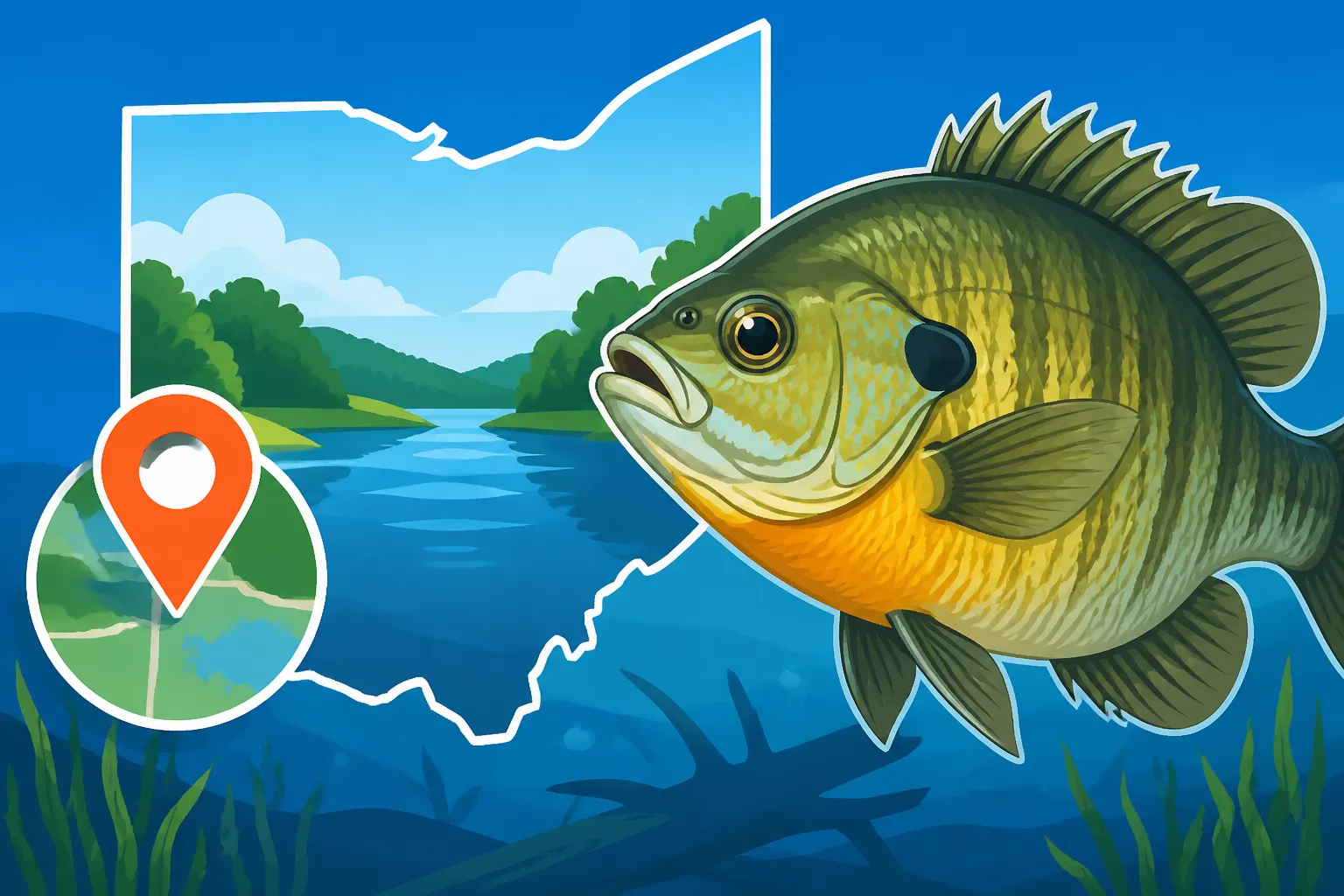
There’s nothing quite like the sight of a bobber dancing on the water, signaling a feisty bluegill has taken the bait. But let's be honest, while bluegill are often thought of as "easy" to catch, finding those truly productive spots – the ones teeming with big, healthy panfish – can sometimes feel like searching for a needle in a haystack. This guide is dedicated to helping you pinpoint the best places across Ohio to cast your line for bluegill, transforming your next outing into a memorable fishing adventure.
The Enduring Allure of Bluegill in Ohio's Waters
Bluegill (Lepomis macrochirus) are, without a doubt, one of Ohio's most beloved fish species. They're widespread, generally eager to bite, and a fantastic option for anglers of all skill levels. But what makes them truly special? It’s not just their abundance; it’s their spirit and the sheer joy they bring to a day on the water.
A Gateway to Angling for All Ages
For many of us, bluegill were our first fish. Remember those childhood days, sitting patiently by a pond with a simple hook, a worm, and a red-and-white bobber? That's the magic of bluegill. They're accessible, forgiving, and offer immediate gratification, making them the perfect species to introduce kids to the joys of fishing. There’s no need for complicated gear or advanced techniques, just a sense of wonder and a bit of patience. This accessibility is why they are often found in designated family-friendly fishing spots within Ohio State Park Fishing Rules and local parks, ensuring easy access for everyone.
It's this welcoming nature that solidifies bluegill's role as a cornerstone of Ohio angling. They teach fundamental skills like baiting a hook, casting, and setting the hook, all while providing plenty of action to keep spirits high. Plus, the sheer excitement of reeling in a shimmering, colorful bluegill, even a small one, is an experience that stays with you forever. My own kids, now teenagers, still talk about the first time they felt that distinctive tug on the line from a bluegill they caught at a small pond in a local park.
Beyond Just a "Beginner" Fish
While bluegill are fantastic for beginners, don't mistake them for only being a beginner fish. Targeting large, "dinner-plate" sized bluegill is a challenge that seasoned anglers relish. These bigger panfish are cunning, sometimes finicky, and require a bit more finesse and understanding of their habits. They often seek out deeper water or denser cover, making them a prize worth pursuing. Catching a limit of these larger bluegill, especially for a fish fry, is a rewarding experience that keeps many experienced anglers coming back for more.
The pursuit of bigger bluegill often leads anglers to explore different tactics, from tiny jigs to specialized fly patterns. It pushes you to truly understand structure, forage, and how weather impacts their behavior. So, while a small bluegill on a worm is a simple pleasure, don't underestimate the satisfaction of outsmarting a true Ohio hawg bluegill. They are a testament to the fact that simple pleasures can still offer profound challenges and rewards in the world of fishing. Just remember to check the Crappie and Panfish Daily Limits before you head out, as limits often apply to panfish species.
Top Public Spots for Bluegill in Ohio
Ohio is blessed with an incredible array of waterways, from vast reservoirs to intimate ponds, many of which hold robust populations of bluegill. The key is knowing where to focus your efforts to find not just bluegill, but the best bluegill.
State Parks and Wildlife Areas: Accessible and Abundant
Ohio's state parks and wildlife areas are a treasure trove for bluegill anglers. These locations are often managed by the Ohio Department of Natural Resources (ODNR), ensuring healthy fish populations and good access. They typically feature well-maintained facilities, including boat ramps, fishing piers, and often shore fishing opportunities.
One fantastic example is Indian Lake State Park in Logan County. While known for its saugeye, the lake's numerous shallow coves, docks, and weed beds are absolutely crawling with bluegill. Focusing on areas around the plentiful public docks and submerged vegetation, especially in the bays, can yield excellent results. Similarly, Buckeye Lake State Park offers expansive shallow areas and plenty of structure where bluegill thrive. The shoreline access and numerous private docks that line the lake provide ample opportunities, particularly during the spawning season when bluegill move shallow. These spots are not just great for bluegill but are often considered among the Best Ohio Lakes for Families due to their accessibility and diverse fishing opportunities.
Another gem is Caesar Creek State Park near Waynesville. While famous for its trophy saugeye and muskie, the shallower arms and coves of this massive reservoir are prime bluegill habitat. Look for areas with fallen trees, brush piles, or gradual slopes that transition into deeper water. The ODNR also manages numerous Ohio Wildlife Area Ponds Open to Public Fishing, such as those found in Killdeer Plains Wildlife Area or Big Island Wildlife Area. These smaller, often overlooked ponds can be absolute hotbeds for large bluegill, especially those that don't receive heavy fishing pressure. They might require a bit more walking or exploring, but the reward of finding an untapped honey hole can be immense.
Metroparks and City Ponds: Urban Angling Gems
You don't always need to drive hours to find great bluegill fishing. Many of Ohio's urban and suburban areas boast fantastic metroparks and city ponds that are actively stocked and managed for recreational fishing. These spots are incredibly convenient for a quick after-work trip or a weekend outing with the family.
In the Columbus area, Blendon Woods Metro Park and Sharon Woods Metro Park are prime examples. Their ponds are regularly stocked and managed, providing consistent action for bluegill. The easy access, paved paths, and clear shorelines make them ideal for younger anglers or anyone looking for a stress-free fishing experience. You'll find plenty of opportunities for bank fishing here. For those near Cleveland, the Cleveland Metroparks offer several excellent bluegill spots, including Wallace Lake in the Hinckley Reservation and Lake Isaac in the Big Creek Reservation. These lakes often have good aquatic vegetation and plenty of structure, which bluegill absolutely love. Checking out the Best Metropark Lakes for Fishing Near Columbus can give you more specific details on these urban oases.
These urban ponds, while convenient, can sometimes experience higher fishing pressure. However, clever anglers who explore less-frequented coves or fish during off-peak hours can still find plenty of success. Many of these parks also have amenities like restrooms and picnic areas, making them perfect for a full day out with family. They are a testament to how Ohio communities prioritize outdoor recreation, even within bustling metropolitan areas, offering a fantastic resource for bluegill enthusiasts.
Larger Lakes and Reservoirs: Hidden Bluegill Hotbeds
While smaller ponds might seem like the obvious choice for bluegill, many of Ohio’s larger lakes and reservoirs also hold incredible populations, often of larger average size, if you know where to look. The trick is to identify the right types of habitat within these larger bodies of water.
Hoover Reservoir near Columbus, for instance, is a massive body of water, but its numerous shallow bays, creek arms, and areas with submerged timber or vegetation are excellent for bluegill. Focus on the northern end of the reservoir, particularly in the quieter coves, where the water warms up faster in the spring and provides ample spawning grounds. Similarly, Alum Creek Lake, while known for muskie and bass, has vast stretches of shoreline and numerous shallow flats that hold impressive numbers of bluegill, especially around standing timber and brush piles. Using a service like FishingBooker can help you find local guides who know the specific honey holes in these larger reservoirs.
Other large lakes like Piedmont Lake and Seneca Lake in eastern Ohio, while more remote, also offer exceptional bluegill opportunities, often with less pressure than some of the more central Ohio spots. Look for areas with emergent weeds, lily pads, or sheltered coves that are out of the main current or boat traffic. These areas provide the cover, food sources, and spawning habitat that bluegill need to thrive. Remember, larger lakes mean more diverse habitat, and pinpointing those specific shallow, protected zones will be your key to success for bluegill. Even if the primary target in these lakes is often larger species like muskie or bass, the bluegill population can be a pleasant surprise for those willing to explore.
Strategies for Landing More Ohio Bluegill
Catching bluegill consistently requires a bit more than just tossing a worm in the water, especially if you're aiming for those bigger "slab" bluegill. Understanding the right gear, reading the water, and knowing what they prefer to eat can significantly boost your success.
Gearing Up: Simple Setups for Success
The beauty of bluegill fishing lies in its simplicity. You don't need expensive, high-tech gear. A basic ultralight or light-action spinning rod and reel combo is perfect. This setup allows for delicate presentations and makes even a small bluegill feel like a trophy. Spool your reel with 2-4 pound test monofilament line, which is light enough for sensitive bites but strong enough for average bluegill.
For tackle, a small bobber (clip-on or slip bobber), a few split shots to get your bait down, and small hooks (size 8 to 12) are all you need. The choice between a clip-on and slip bobber depends on depth. If you're fishing shallow water (under 5 feet), a clip-on works fine. For deeper water or situations where you need to cast further, a slip bobber allows you to set your depth much more effectively. Always have a variety of hook sizes, as smaller bluegill might ignore a larger hook, and larger ones might straighten out a tiny one. Don't forget, understanding different species starts with proper identification, so referring to an Ohio Panfish Identification Guide can be helpful for new anglers.
Reading the Water and Seasonal Movements
Bluegill are creatures of comfort and security. They love cover and warmth. In spring, as water temperatures rise (typically 65-75°F), bluegill move into shallow, protected areas for spawning. Look for them around docks, fallen trees, lily pads, reeds, and submerged brush piles in bays and coves. This is also when you'll often find them guarding their circular "nests" on the bottom. Knowing When Bluegill Spawn in Ohio is critical for spring success.
As summer progresses, especially during hotter periods, larger bluegill might retreat to slightly deeper water, often suspending over structure or near weed lines in 8-15 feet. They'll still come shallower to feed during low-light conditions (early morning, late evening) or on overcast days. In fall, they'll again move to deeper water as temperatures drop, often congregating in large schools near structure. Learning to read subtle changes in water temperature, depth contours, and cover types will make you a much more effective bluegill angler. Services like FishingBooker often provide detailed reports and can even connect you with guides specializing in panfish who understand these seasonal patterns.
Bait and Lure Choices for Finicky Biters
Bluegill are not overly picky, but certain baits and lures consistently outperform others. Live bait is almost always a winner. Small worms (redworms, pieces of nightcrawlers), waxworms, mealworms, and crickets are irresistible to bluegill. Present them on those small hooks under a bobber for a natural presentation. If you’re considering other panfish, the Best Baits for Ohio Crappie often overlap with what bluegill prefer, so keep those options in mind.
Artificial lures can also be highly effective, especially for larger bluegill. Tiny jigs (1/32 to 1/64 ounce) tipped with a small plastic grub, tube, or a piece of Berkley PowerBait Micro Gulp can be deadly. Colors like chartreuse, white, black, and natural greens are often good starting points. Fly fishing with small poppers, nymphs, or wet flies can also provide incredible action, especially during warmer months. Experiment with different colors and retrieves until you find what the bluegill are keying into on any given day. Remember, sometimes a slow, subtle jigging motion is all it takes, while other times a steady retrieve works best. For beginners, exploring a variety of lures and baits is part of the fun and learning process, and a good resource for Best Ohio Fishing Techniques for Beginners will cover these basics.
Here’s a quick overview of some top bluegill spots and their characteristics:
| Location Type | Example Spot | Key Features for Bluegill | Best Time to Fish | Notes |
|---|---|---|---|---|
| State Park Lake | Indian Lake State Park | Shallow coves, docks, weed beds, submerged vegetation | Spring/Early Summer | Excellent shoreline access, good for families. |
| Large Reservoir | Hoover Reservoir | Shallow bays, creek arms, submerged timber, weed lines | Spring/Summer Mornings | Can hold larger bluegill, requires more exploration. |
| Metropark Pond | Blendon Woods Metro Park | Managed ponds, easy access, stocked | Year-round | Urban convenience, great for kids, can experience pressure. |
| Wildlife Area Pond | Killdeer Plains Wildlife Area | Smaller, often secluded ponds, less pressure, natural cover | Spring/Fall | Might require walking, potential for untouched spots. |
| Southern Ohio Lake | Caesar Creek State Park | Shallow arms, coves with fallen trees and brush piles | Spring/Summer | Diverse fishery, bluegill in protected areas. |
Conservation and Responsible Bluegill Fishing
As responsible anglers, it's crucial to practice conservation to ensure healthy bluegill populations for future generations. While bluegill are abundant, overharvesting, especially of larger fish, can impact the average size and overall health of a fishery.
Understanding Bag and Size Limits
Always be aware of and adhere to Ohio's fishing regulations. While bluegill typically have generous daily bag limits (often 20 or 30 statewide), some specific bodies of water might have special regulations. These limits are in place to protect the fishery and maintain ecological balance. Before heading out, make it a habit to consult the Ohio Fishing Regulations Every Angler Should Know or the current ODNR fishing guide.
Understanding these rules is not just about avoiding fines (which can be significant if you're found to be in violation), but about doing your part to sustain this valuable resource. For instance, sometimes a particular lake might have a reduced limit on certain panfish or a temporary no-harvest period to allow populations to recover. Staying informed ensures you’re contributing positively to the health of Ohio’s waters. Don't forget your Ohio Fishing License Guide for Residents and Nonresidents is always your first stop before hitting the water.
Practicing Catch and Release When Appropriate
While many bluegill are caught for the frying pan, consider practicing catch and release, especially for larger specimens. Releasing those bigger "breeder" bluegill helps maintain genetic diversity and ensures they can continue to spawn, contributing to a robust population. Smaller bluegill are often more palatable and abundant, making them good candidates for harvest if you plan a meal.
If you do choose to release fish, handle them gently. Wet your hands before touching the fish to protect its slime coat, and try to unhook them quickly. If the hook is deeply set, consider cutting the line rather than tearing vital organs. Even if you're fishing a private pond in Ohio that you own, being mindful of how many fish you remove can keep your pond healthy for years to come. Ultimately, thoughtful fishing practices mean more memorable trips for everyone down the line.
Disclaimer
Please remember that fishing conditions, regulations, and fish populations can change. Always consult the latest Ohio Department of Natural Resources (ODNR) fishing regulations before your trip. The information provided in this guide is for general informational purposes only and should not be considered legal advice. Stay safe on the water and happy fishing!