Is Lake Erie Safe for Kayak Fishing?
There’s a special kind of freedom that comes with paddling your own kayak on the vast waters of Lake Erie, the wind at your back, and the promise of a big catch just around the bend. But let’s be honest, that same vastness can also spark a little anxiety, right? You look out at those endless horizons and wonder, "Is it really safe to be out here in my little kayak?" It’s a completely valid concern, and one that every aspiring kayak angler should grapple with before launching. This guide is here to walk you through everything you need to know to not just survive, but truly thrive while kayak fishing on Lake Erie, turning those anxieties into confidence.
Understanding Lake Erie's Unique Challenges for Kayak Anglers
Lake Erie, despite being the shallowest of the Great Lakes, holds a reputation for being quite feisty. It’s not your average pond or small inland lake, and treating it as such can quickly lead to trouble. Kayak anglers need to respect its power and understand the specific challenges it presents.
The Lake's Size and Mood Swings
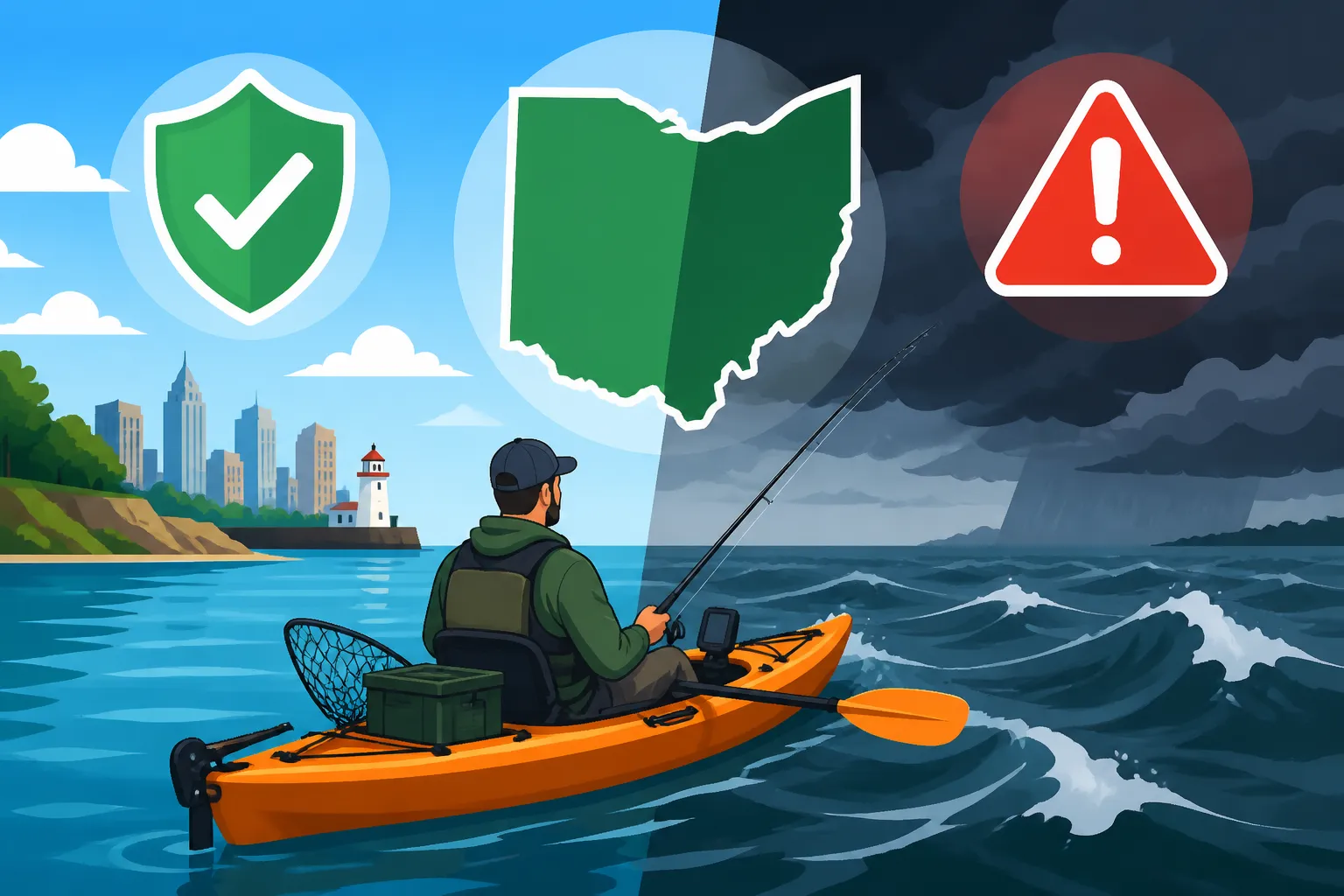
One of the biggest hurdles for kayak anglers on Lake Erie is simply its sheer size and how quickly its temperament can change. What starts as a glassy morning can, within an hour, transform into a churning maelstrom. This isn't an exaggeration; it happens frequently, especially when a strong front moves through. The lake’s relatively shallow depth, particularly in the Western Basin near prime fishing areas like Port Clinton and Sandusky, actually contributes to this. Shallow water makes waves steeper and closer together, which can be incredibly dangerous for a small craft like a kayak. A little chop on an inland lake is one thing, but two or three-foot whitecaps on Lake Erie can easily capsize an unsuspecting paddler.
The concept of "fetch" plays a huge role here. Fetch is the distance wind blows over open water without obstruction. On Lake Erie, especially when winds are out of the west or northeast, the fetch can be enormous, building up significant wave energy over many miles. This means even if the wind isn't howling right where you launch, conditions can deteriorate rapidly further out, or waves generated miles away can suddenly roll in. Many a kayaker has ventured out on a seemingly calm morning, only to find themselves battling unexpected swells and whitecaps as the day progresses. It’s a humbling experience, and one you want to avoid by being thoroughly prepared.
Commercial Traffic and Other Boaters
Lake Erie is a busy place, and it's not just fellow anglers you'll be sharing the water with. From massive commercial freighters traversing the shipping lanes to large sportfishing charters heading to the prime walleye grounds, you'll encounter a wide array of watercraft. The sheer size difference between your kayak and a 600-foot freighter or even a 30-foot center console boat is immense, and it means you are often all but invisible to them, especially if they're moving at speed.
These larger boats create significant wakes that can easily swamp or capsize a kayak. Imagine just getting your lines set near the mouth of the Maumee River, and suddenly a large pleasure craft barrels past, leaving a three-foot wall of water in its wake. It's not just inconvenient; it's a genuine safety hazard. In areas like the shipping channels or near major ports, the volume of traffic can be overwhelming, making it critical to be hyper-aware of your surroundings at all times. Always assume other boaters don't see you, and be prepared to take evasive action to avoid collision or a swamping wake.
Navigation and Disorientation
Unlike fishing smaller bodies of water where familiar landmarks are always in sight, Lake Erie's vastness can be disorienting. If you paddle even a few miles offshore, the shoreline can become a distant, hazy blur. On overcast days, or if fog rolls in (which it frequently does, especially in spring and fall), distinguishing direction or your return path can become incredibly challenging without proper navigation tools. Imagine a dense fog bank descending quickly while you're focused on a bite; suddenly, the entire world shrinks to a few feet around your kayak, and your sense of direction vanishes.
This isn't just about getting lost; it's about being able to navigate back to safety if conditions worsen, or if you encounter an emergency. Without clear visual cues, even experienced paddlers can find themselves drifting off course. Having reliable GPS capabilities and knowing how to use them is paramount, as is understanding basic compass navigation, even if it's just a backup. Relying solely on your memory or a distant landmark is a recipe for trouble on a lake this size.
Essential Safety Gear for Lake Erie Kayak Fishing
When you’re heading out on Lake Erie, your gear list goes beyond just your rod and tackle. Safety equipment isn't optional; it's absolutely non-negotiable. Think of it as your personal insurance policy against the unpredictable nature of the Great Lake.
Personal Flotation Devices PFDs and Other Wearables
First and foremost, a well-fitting Personal Flotation Device (PFD), or life jacket, is your most critical piece of safety gear. It shouldn't just be on the kayak; it needs to be on you. Many tragic incidents on large bodies of water could have been prevented if individuals had been wearing their PFDs. Choose a Type III PFD that allows for freedom of movement while paddling and fishing, yet provides adequate buoyancy. Test it in calm water to ensure it fits snugly and keeps your head above water. You’ll be wearing this all day, so comfort is key to compliance.
Beyond the PFD, consider your clothing. Layering is crucial for Lake Erie, as temperatures can fluctuate wildly, especially from morning to afternoon, or with the slightest shift in wind direction. Opt for moisture-wicking synthetic fabrics that dry quickly, even on cooler days. A good waterproof and windproof outer shell is also essential to protect against spray and sudden squalls. Don't forget sun protection: a wide-brimmed hat, sunglasses, and plenty of sunscreen are vital. A whistle attached to your PFD is a simple but effective signaling device, as is a small, reflective signaling mirror that can catch the attention of distant boats or aircraft.
Communication and Navigation Tools
In the event of an emergency, being able to communicate is paramount. A fully charged cell phone in a waterproof, floating case is a good start, but understand its limitations. Cell service can be spotty or non-existent once you venture a few miles offshore. For reliable communication, especially with the Coast Guard or other marine vessels, a marine VHF radio is a must-have. Even a handheld, waterproof model can be a lifesaver. Learn how to use it, especially how to make a Mayday or Pan-Pan call.
For navigation, a dedicated waterproof GPS unit is highly recommended. It allows you to mark your launch point, save fishing waypoints, and most importantly, navigate back to shore even in fog or darkness. Many modern fish finders come with GPS capabilities, which is a convenient all-in-one solution. However, always have a backup. A simple, reliable compass and a laminated chart of the area can literally save your life if your electronics fail. Knowing how to read a nautical chart and use a compass for basic bearings is a skill worth learning. If you're planning a multi-day trip, definitely read up on Ohio Fishing License Types and Options to ensure you have the correct licenses.
Visibility Aids and Lighting
Being seen by other boats is a constant challenge for kayak anglers on Lake Erie. Your small profile means you’re easily overlooked. Maximize your visibility by choosing a bright-colored kayak (lime green, orange, or yellow are excellent choices) and wearing bright, reflective clothing. Affix reflective tape to your paddle and kayak.
For dawn, dusk, or any low-light conditions, a 360-degree white light is legally required and incredibly important. These lights typically mount on a pole high above your kayak, making you visible from a distance. Additionally, a bright, easily deployed safety flag (often orange or yellow) mounted on a pole increases your vertical profile, making you more noticeable to larger vessels. Think of your kayak as a tiny speck on a massive canvas; anything you can do to make that speck stand out is a critical safety measure. Before you even think about lighting, make sure you're up to date on your fishing permits. You can find all the details in the Ohio Fishing License Guide for Residents and Nonresidents.
| Safety Item | Purpose | Why it's Critical on Lake Erie |
|---|---|---|
| PFD (Life Jacket) | Keeps you afloat in case of capsize or fall overboard. | Lake Erie's cold water and strong currents make self-rescue difficult without buoyancy. |
| VHF Marine Radio | Direct communication with Coast Guard and other vessels. | Cell service is unreliable offshore; essential for emergencies or weather updates. |
| Waterproof Cell Phone | Backup communication and local calls. | Secondary communication, but beware of service gaps; can be used for checking immediate weather. |
| GPS Device | Navigation, marking waypoints, returning to launch point. | Lake Erie's vastness leads to disorientation, especially in fog or low light. |
| Compass & Chart | Backup navigation in case of electronic failure. | Crucial if GPS fails; essential for basic bearings and understanding lake contours. |
| 360-Degree White Light | Ensures visibility to other boats during low light. | Required by law and critical for avoiding collisions at dawn, dusk, or night. |
| Safety Flag | Increases vertical profile, making kayak more visible. | Helps larger boats spot your small craft on open water. |
| Whistle/Air Horn | Auditory signaling device for emergencies. | Attracts attention when visual signals might not be seen. |
| Paddle Leash | Prevents losing your paddle if you capsize. | Losing a paddle means losing propulsion and control, a major hazard on large water. |
| Bilge Pump/Sponge | Removes water from your kayak after a capsize or waves. | Prevents swamping and keeps the kayak buoyant for re-entry and paddling. |
| First-Aid Kit | Addresses minor injuries or medical emergencies. | You are often far from immediate medical help on the water. |
| Anchor (light) | Holds kayak in place for fishing, or as a drift brake. | Useful for staying over structure or slowing drift in current/wind, but use with caution in heavy currents. |
| Knife/Line Cutter | Cuts tangled lines, rope, or free yourself from snags. | Essential for safety, especially with fishing line entanglement. |
Best Practices for Safe Kayak Fishing on Lake Erie
Having the right gear is only half the battle. Knowing how to use it, and adhering to smart practices, is what truly makes a difference between a fantastic day on the water and a harrowing experience.
Thorough Weather Monitoring and Trip Planning
This is arguably the most critical best practice for Lake Erie kayak fishing. You absolutely cannot "wing it" when it comes to weather. Before every single trip, consult multiple reliable weather sources, paying close attention to marine forecasts specifically for Lake Erie. NOAA weather radio, marine forecast apps, and local weather radar are your best friends. Don't just look at the air temperature; focus on wind speed and direction, wave heights (swell and chop), and the likelihood of thunderstorms. Winds over 10-15 mph can make conditions very challenging for kayaks, especially if they are opposing the current or hitting you broadside.
Always have a Plan B. If the forecast looks marginal, have a backup location on a smaller, more protected body of water, or simply postpone your trip. Remember that conditions on Lake Erie can change rapidly, often without much warning. A glassy calm morning can turn into whitecaps in an hour. Even after planning, continue to monitor conditions throughout the day. If you see dark clouds building, hear distant thunder, or notice the wind picking up significantly, don't hesitate – head for shore immediately. Your safety is always more important than catching one more fish. Checking the Ohio Fishing Season Calendar can also help in planning, as certain seasons might bring more predictable weather patterns.
Staying Within Your Limits and Close to Shore
It’s easy to get caught up in the excitement and push yourself further than you should, especially when the fish are biting. However, on Lake Erie, knowing and respecting your physical limits, as well as the capabilities of your kayak, is paramount. If you’re new to kayak fishing on big water, start by staying very close to shore, perhaps within a protected bay or a harbor that’s less exposed to open lake conditions. Good starting points might be the protected areas around the Lake Erie Islands or within larger embayments where the fetch is reduced.
Gradually increase your range as you gain experience and confidence. Never venture so far out that you can't easily paddle back to shore if you experience equipment failure, a sudden weather change, or simply become exhausted. Identify potential "bail-out" points along the shoreline before you launch – places where you could safely land your kayak if necessary. Consider how much effort it would take to paddle back against a strong headwind or current. One of the greatest pleasures of Lake Erie Fishing Guide for Ohio Anglers is its accessibility, but that accessibility also demands respect for its scale.
Filing a Float Plan and Informing Others
This is a simple step that could be a lifesaver, yet many anglers overlook it. Before you launch, always tell a trusted friend or family member your "float plan." This plan should include:
- Your exact launch location
- Your intended fishing area or route
- Your expected return time
- A description of your kayak
- Names of anyone else with you
Also, give them a specific time to call for help if they haven't heard from you. For instance, "If you don't hear from me by 6 PM, please call the Coast Guard." This ensures that if something goes wrong, rescuers know where to start looking, significantly increasing your chances of being found quickly. It’s a small effort with potentially huge rewards. This is also a good idea even if you’re fishing closer to shore in one of the Best Places to Fish in Ohio.
Practicing Self-Rescue Techniques
Even with the best preparation, capsizing can happen. A rogue wave, an unexpected wake, or simply losing your balance while fighting a fish can put you in the water. Knowing how to perform a self-rescue – getting back into your kayak from the water – is a fundamental skill. Don't wait for an emergency to learn; practice this in calm, warm water close to shore. Familiarize yourself with techniques like the "cowboy scramble" or using a paddle float for stability.
Ensure you have a paddle leash to prevent losing your paddle, and a bilge pump or large sponge to remove water from your cockpit or hull once you're back in. Cold water shock is a real danger on Lake Erie, even in summer. The ability to quickly get back into your boat and out of the water can prevent hypothermia and further complications. Investing in a quality pair of waders and a dry top can also make a huge difference if you end up taking an unplanned dip, extending your time to safely self-rescue.
Top Tips for a Successful and Safe Lake Erie Kayak Adventure
Making your kayak fishing dreams on Lake Erie a reality takes more than just showing up. It involves smart choices, continuous learning, and an investment in both skills and gear.
Start Small and Gain Experience
Nobody starts out as an expert, and Lake Erie is not the place for on-the-job training in rough water. If you're new to kayak fishing or new to big water, begin your journey on smaller, more predictable inland lakes. Places like Alum Creek Lake or Hoover Reservoir offer great fishing opportunities and a chance to hone your paddling, navigation, and self-rescue skills without the added stress of Lake Erie's unpredictable nature. Once you’re comfortable there, slowly transition to more protected embayments or harbors on Lake Erie on calm days.
Consider taking a formal kayak safety or kayak fishing course. Many outfitters offer these, and they can provide invaluable instruction on everything from proper paddling strokes to emergency procedures. Learning from experienced instructors can fast-track your skills and build confidence far more effectively than trial and error on challenging waters. Gradually working your way up ensures you're prepared for the larger challenges when you finally venture further out on Lake Erie, perhaps for some Best Time of Year to Fish Lake Erie for Walleye.
Invest in a Stable Fishing Kayak
Not all kayaks are created equal, especially when it comes to open water. While a recreational sit-inside kayak might be fine for a lazy river, it's generally unsuitable for Lake Erie. For stability and comfort while fishing, a sit-on-top (SOT) fishing kayak is usually the preferred choice. Look for models that are wider and longer, as these tend to be more stable and track better in choppy water. Brands like Hobie, Old Town, and Native Watercraft offer excellent fishing-specific kayaks designed with stability and utility in mind.
Features like scupper holes (to drain water from the deck), ample storage for gear, a comfortable raised seat, and good rigging options for electronics and rod holders are all important. Some kayaks even come with pedal drives (like Hobie's MirageDrive or Old Town's PDL Drive), which can significantly reduce fatigue and allow you to cover more water or hold position against wind and current more effectively. While a top-tier fishing kayak can be an investment, the added stability, features, and safety it provides on Lake Erie are well worth it. You might want to check out the detailed guide on Kayak Fishing Techniques in Ohio for more insights on optimizing your setup.
Consider a Guided Trip Initially
Even if you’re an experienced kayaker, Lake Erie presents a unique environment. Booking a guided trip with a local kayak fishing outfitter can be an invaluable way to learn the ropes safely and efficiently. An experienced guide knows the local conditions, the best fishing spots, and crucially, the specific safety protocols for Lake Erie. They can teach you how to read the water, handle waves, and navigate the particular challenges of the lake.
Platforms like FishingBooker can be excellent resources for finding experienced, licensed guides who specialize in kayak fishing on Lake Erie. A guided trip allows you to experience the thrill of Lake Erie kayak fishing with the reassurance of an expert by your side. You’ll gain firsthand knowledge of ideal launch points, local regulations, and how to safely pursue species like walleye or bass. This initial investment in a guided experience can significantly boost your confidence and set you up for many more safe and successful solo trips down the line. Plus, many guides can provide all the necessary gear, meaning you don't have to invest heavily before you know if it's truly for you. If you’re curious about costs, check out Ohio Fishing Charter Guide for more information, even though it focuses on larger charters, it gives you an idea of what professional services entail.
Disclaimer
The information provided in this guide is for general informational purposes only and does not constitute professional advice. Fishing on Lake Erie, especially from a kayak, carries inherent risks. Always prioritize your safety, exercise good judgment, check local regulations, and consult with experienced professionals before venturing out. Weather conditions can change rapidly, and proper safety gear and training are essential.