Kayak Fishing Techniques in Ohio
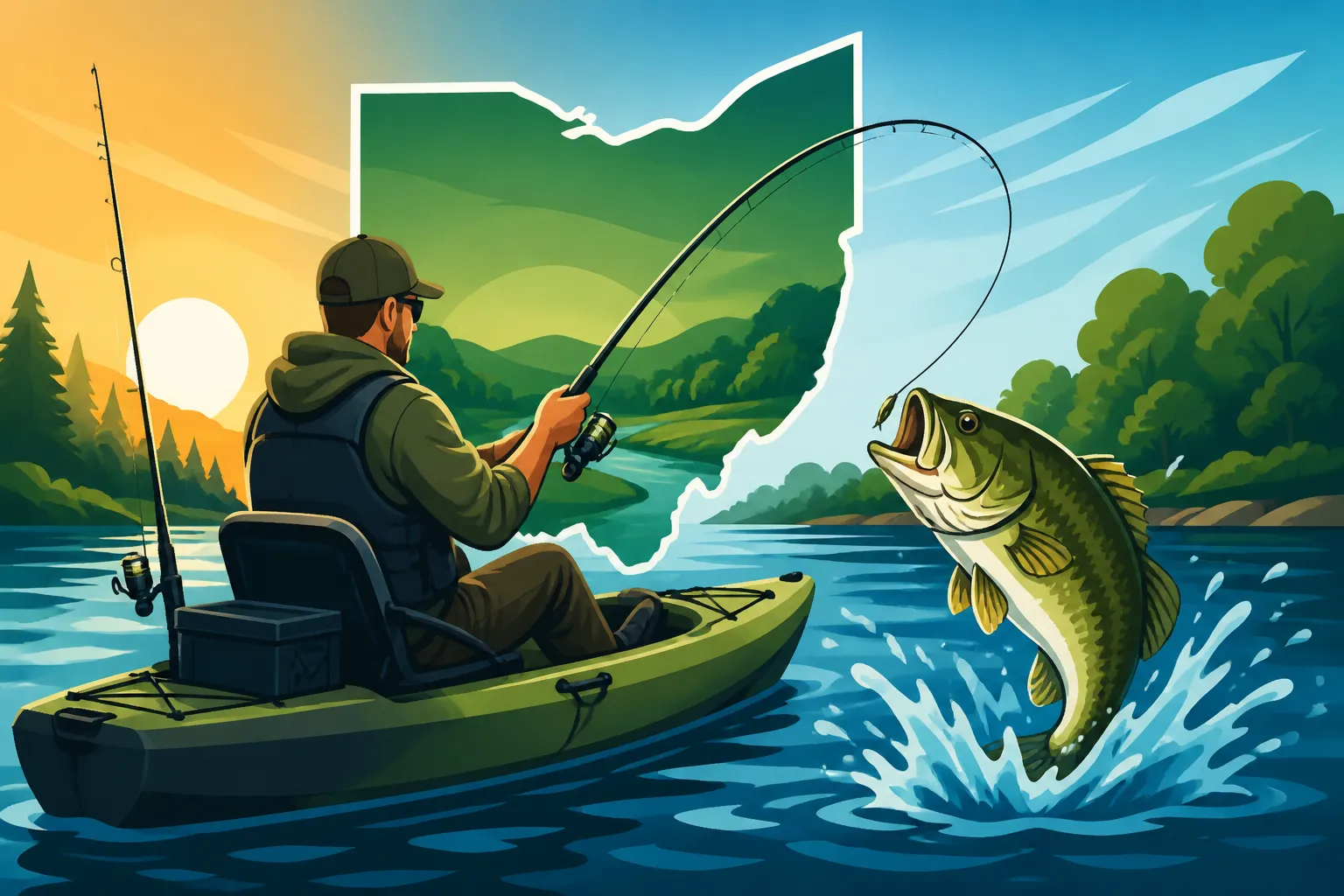
There's nothing quite like the feeling of being out on the water, soaking in the peace and quiet, and pursuing your favorite fish. But let's be honest, traditional powerboats come with a hefty price tag, storage headaches, and fuel costs that can make a weekend trip feel like a major investment. That's where kayak fishing swoops in like a hero, offering a unique blend of accessibility, stealth, and pure angling joy that's perfect for exploring Ohio's incredibly diverse fisheries. This guide is all about equipping you with the knowledge and techniques to make your kayak fishing adventures in the Buckeye State not just possible, but incredibly rewarding.
Why Kayak Fishing in Ohio is a Game Changer
Kayak fishing has exploded in popularity, and for good reason. It’s not just a trend; it’s a whole new way to experience the outdoors and connect with the water. For many Ohio anglers, it’s opened up possibilities they never thought they’d have.
The Freedom and Accessibility It Offers
One of the biggest frustrations for many aspiring anglers is the barrier to entry with traditional boats. The cost of a boat, trailer, motor, and all the associated upkeep can be astronomical. Then there's the hassle of storage – do you have a place for it at home, or are you paying for a slip or storage unit? Kayak fishing sidesteps almost all of these issues. A good fishing kayak is a fraction of the cost, requires minimal storage space (often fitting in a garage or even on a balcony), and can be transported on the roof of almost any car. This financial and logistical freedom means more people can get out on the water, more often, without breaking the bank or dedicating their entire weekend to boat maintenance.
Beyond the initial investment, kayaks also offer unparalleled physical accessibility. You don't need a boat ramp to launch; a shallow bank, a sandy beach, or even a small culvert can be your gateway to the water. This opens up countless spots along rivers, streams, and smaller lakes that are completely inaccessible to larger craft. Imagine being able to effortlessly paddle into that tucked-away cove or navigate through lily pads where big bass are hiding, spots that have never felt the churn of a propeller. It’s a game-changer for exploring every nook and cranny of Ohio’s waters.
Stealth and Access to Untouched Waters
If you've ever tried to sneak up on wary fish, you know how easily they can be spooked by engine noise or the slapping of a hull. Kayaks, by their very nature, are incredibly stealthy. You glide silently through the water, allowing you to approach fish in their natural habitats without disturbing them. This quiet approach often translates to better fishing, as you're able to present your bait or lure to unpressured fish that haven't been harassed by a parade of noisy boats.
This stealth also grants you access to those "secret spots" that anglers dream of. Think about the small, winding creeks that feed into larger rivers, or the remote backwaters of vast reservoirs that are too shallow or too choked with vegetation for powerboats. These are often untouched havens for healthy fish populations. Whether you're chasing elusive smallmouth bass in a rocky river or trying to pinpoint crappie holding tight to submerged timber in a quiet lake, a kayak lets you get right into the action, giving you a unique, intimate perspective of the aquatic world. This kind of access can be incredibly rewarding, leading to memorable catches in places you might have otherwise only dreamed of exploring.
Essential Gear for Ohio Kayak Anglers
Getting started with kayak fishing can feel a little overwhelming with all the gear options out there. But don't worry, you don't need everything all at once. Focusing on the essentials first will get you on the water safely and effectively.
Choosing the Right Fishing Kayak
The foundation of your kayak fishing journey is, naturally, the kayak itself. When choosing one for Ohio’s diverse waters, you’ll primarily be looking at two main types: sit-on-top (SOT) and sit-in. Sit-on-top kayaks are overwhelmingly popular for fishing due to their stability, ease of entry and exit (especially after a capsize), and ample deck space for gear. They typically have scupper holes that allow water to drain, keeping the deck dry. Within SOTs, you'll find a spectrum from basic, recreational models to highly specialized fishing platforms with built-in rod holders, storage, and even mounting tracks for accessories. Wider kayaks generally offer more stability, which is fantastic when you want to stand up and cast or fight a fish, a common desire for bass anglers.
Sit-in kayaks, while less common for dedicated fishing, offer better protection from the elements and can be faster and more efficient to paddle, particularly in colder weather or on longer trips. However, they lack the open deck space and can be harder to re-enter if you flip. Beyond the sit-on-top vs. sit-in debate, consider the propulsion: traditional paddle kayaks are versatile and often more affordable, while pedal-drive kayaks offer hands-free propulsion, which is a massive advantage for fishing as it frees your hands for casting, reeling, and managing your line. Brands like Hobie, Old Town, and Native Watercraft are well-known for their pedal-drive systems, which are excellent for covering water or maintaining position in a current. For fishing smaller lakes and calmer rivers, a 10-12 foot SOT paddle kayak will serve you wonderfully. For bigger waters or if you plan on covering serious distance, a longer, more stable pedal-drive model might be worth the investment.
Must-Have Accessories and Safety Gear
Safety should always be your top priority on the water. A properly fitting Personal Flotation Device (PFD), or life jacket, is non-negotiable and legally required in Ohio. Make sure it's comfortable enough to wear all day. Beyond the PFD, a whistle or other sound-producing device is mandatory, as are navigation lights if you plan to be on the water before sunrise or after sunset. A brightly colored flag on a tall mast can greatly increase your visibility, especially on larger bodies of water like Lake Erie. A basic first-aid kit, a communication device (like a waterproof cell phone in a dry bag, or a VHF radio for Lake Erie), and a headlamp are also crucial.
When it comes to fishing-specific accessories, dry bags are your best friend for protecting electronics, extra clothes, and snacks. Leashes for your rods, paddles, and other valuable gear are also incredibly important; losing a favorite rod or paddle overboard in open water is a heartbreaking and easily avoidable mistake. Many useful accessories, from paddle leashes to waterproof phone cases, can be found readily on Amazon. Consider a small tackle management system designed for kayaks, which often includes waterproof boxes and easy-access compartments. Don't forget a sharp pair of pliers or braid scissors, and a measuring device to ensure your catch meets all Ohio Statewide Bag and Size Limits.
Paddle, Propulsion, and Anchoring Systems
Your paddle is your primary means of locomotion on most kayaks. Investing in a lightweight, appropriately sized paddle can make a huge difference in your endurance and comfort on the water. Carbon fiber or fiberglass paddles are lighter than aluminum and can reduce fatigue significantly over a long day. If you choose a pedal-drive kayak, you’ll still want a paddle for shallow water, tricky maneuvers, or as a backup. The beauty of pedal drives is that they free up your hands, allowing you to cast and fish while maintaining position or slowly trolling. This is a game-changer for many anglers, especially when trying to target specific structure or hold against a gentle current.
An effective anchoring system is another critical piece of gear for kayak anglers. Trying to cast or fight a fish while constantly drifting or being blown around by the wind can be incredibly frustrating. For calm, shallow waters, a simple stake-out pole pushed into the bottom works wonders. For deeper water or softer bottoms, a small, collapsible grapple anchor or a mushroom anchor (often purchased from Amazon) is ideal. The real secret to effective kayak anchoring, however, is an anchor trolley system. This allows you to easily deploy your anchor from the bow or stern of your kayak, adjusting your position relative to the anchor point to best suit the wind or current, without having to awkwardly reach over your kayak. It’s a simple rigging solution that provides immense control and makes fishing much more enjoyable.
Kayak Fishing Techniques for Ohio's Diverse Waters
Ohio boasts an incredible array of fishing environments, from sprawling reservoirs to winding rivers and, of course, the mighty Lake Erie. Each calls for slightly different kayak fishing techniques to maximize your success.
Freshwater Lakes and Reservoirs
Ohio's inland lakes and reservoirs are fantastic places to learn and hone your kayak fishing skills. They're often less intimidating than larger rivers or Lake Erie, offering more sheltered waters. Here, you'll be primarily targeting popular species like largemouth and smallmouth bass, crappie, bluegill, and sometimes even walleye or saugeye. The key to success on these waters from a kayak is stealth and precision. You can effortlessly glide along weed lines, docks, and submerged timber, making precise casts into prime fish-holding cover without making a sound.
For bass, flipping and pitching jigs, Texas-rigged worms, or soft plastics into heavy cover is incredibly effective. A kayak allows you to get right up to those brush piles, lily pads, or overhanging trees that larger boats can't reach. For crappie, drift fishing with live minnows or small jigs suspended under a bobber can be deadly, especially in spring when they move shallow. Alternatively, spider rigging with multiple rods (if Two-Pole and Line Limit Rules in Ohio allow and your kayak is set up for it) can cover more water, presenting baits at different depths. For open water areas, slow trolling small crankbaits or spinnerbaits from your kayak can entice cruising walleye or saugeye, especially in lakes like Hoover Reservoir or Alum Creek Lake. Always remember to check the Ohio Fishing Season Dates and Effective Periods for the waters you plan to fish to ensure you're compliant with all regulations.
River and Stream Tactics
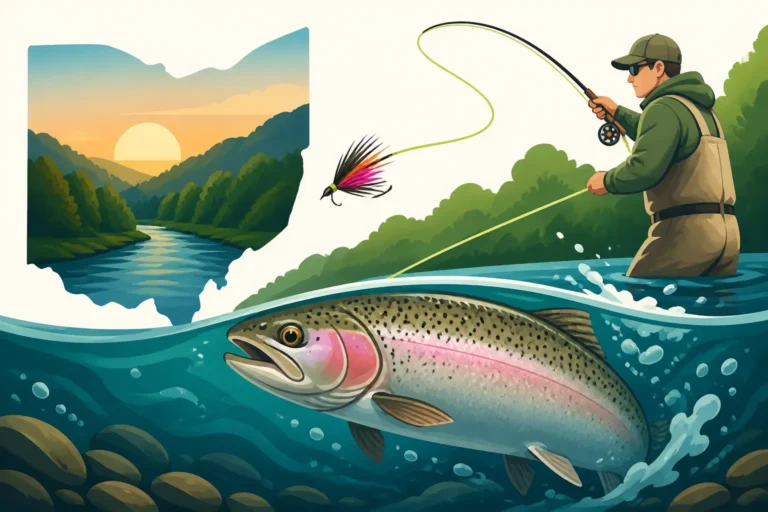
Ohio's rivers and streams, from the smallest trickles to larger waterways like the Muskingum or Maumee, offer an entirely different kayak fishing experience. The primary challenge and opportunity here is the current. Species like smallmouth bass, sauger, channel catfish, and even steelhead in the Lake Erie tributaries thrive in river environments. The most common and effective technique is often to "drift and cast." You allow the current to carry your kayak downstream, casting ahead of you to prime spots like eddies, log jams, rock piles, and undercut banks. The silent drift of a kayak is perfect for ambushing these river dwellers.
For smallmouth bass, casting topwater lures, crankbaits, or soft plastic tube jigs around rocky structure is highly productive. When fishing larger rivers like the Ohio River, you might focus on deeper holes, current breaks, and feeder creek mouths for catfish or sauger. Here, a drag chain or a small anchor deployed from an anchor trolley can help slow your drift or hold you in specific spots. Learning to "ferry" your kayak across current by angling it slightly and using subtle paddle strokes is an essential skill for river anglers. Always be mindful of river conditions, especially after heavy rains, as water levels and currents can change rapidly. For targeting steelhead, checking out "Ohio Steelhead Fishing Guide Services" could be beneficial, as these guides often know the best spots and techniques for river fishing.
Tackling Lake Erie from a Kayak
Lake Erie, the "Walleye Capital of the World," can be an intimidating but incredibly rewarding destination for kayak anglers. It demands respect and careful planning due to its size and potential for rapidly changing weather conditions. Kayak fishing on Lake Erie is generally best suited for calmer days and sticking closer to shore or launching near accessible islands. Safety is paramount here; always check the weather forecast rigorously, especially wind speed and direction, and consider having a VHF radio in addition to your phone.
For walleye, especially during the spring and fall, jigging blade baits or soft plastics near rocky breakwalls, reefs, or points can be highly effective. The Western Basin of Lake Erie is particularly popular for this. During summer, when walleye move deeper, a kayak can still be productive nearshore, or for those with more experience, for short trolling runs with smaller crankbaits. For yellow perch, drift fishing with a spread of minnows or perch rigs is a classic technique. Launching from protected harbors or state park access points such as those found around Port Clinton or Sandusky can provide safer access. For deep dives into what to expect, read the full "Lake Erie Fishing Guide for Ohio Anglers". While the big waves and long runs of traditional walleye trolling charters are usually out of reach for kayakers, the nearshore opportunities for both walleye and perch are fantastic, especially when the lake is calm. Remember to consult the Lake Erie Walleye Bag Limits and Lake Erie Yellow Perch Zone Limits before heading out.
Mastering Stability, Safety, and Navigation
Kayak fishing is incredibly rewarding, but it’s crucial to prioritize safety and learn the skills that will keep you confident and in control on the water.
Staying Safe on the Water
Let's not sugarcoat it: a kayak is a small vessel, and mistakes or unexpected conditions can quickly turn a fun day into a dangerous one. As mentioned, a PFD is your most important piece of safety gear. Wear it! It’s not just a suggestion, it’s a lifesaver. Beyond that, always dress for the water temperature, not the air temperature. If the water is cold, even on a warm day, a capsize could lead to hypothermia. Wearing layers of synthetic clothing (no cotton!) or even a dry suit or wet suit in very cold conditions can literally save your life.
Before every outing, tell someone your float plan: where you're going, when you expect to return, and who to call if you don't check in. This simple step is critical. Familiarize yourself with self-rescue techniques, specifically how to perform a "wet exit" (getting out of your kayak if it flips) and how to re-enter it from the water. Practice these in a safe, shallow environment. Avoid large boating channels, especially on busy days or larger lakes. While kayak fishing offers incredible freedom, it also demands personal responsibility for your safety. Reviewing general Ohio Fishing Regulations Every Angler Should Know can also help ensure you're aware of all applicable rules before you hit the water.
Reading the Water and Weather Patterns
Becoming a proficient kayak angler means becoming a student of the water and the weather. The conditions can dictate not only where you fish but if you fish. Always check a reliable weather forecast before heading out, paying close attention to wind speed, wind direction, and any chances of thunderstorms. Wind is the kayak angler's nemesis; even a moderate breeze can make paddling exhausting and control difficult, especially on open water. A sudden shift in wind can create dangerous chop very quickly on larger lakes.
On rivers and streams, understanding current is key. Look for eddies where fish can rest out of the main current, riffles where oxygen is abundant, and deeper pools. On lakes, observe how wind creates chop, affects water clarity, and pushes baitfish. Learning to read subtle changes in water color, temperature breaks, and even bird activity can help you locate fish. Many anglers use apps like AccuWeather, NOAA Weather Radio, or even dedicated marine weather apps to stay informed. Never hesitate to cut your trip short if the weather takes an unexpected turn; no fish is worth risking your life.
Efficient Paddling and Positioning
Paddling effectively isn't just about moving forward; it's about control, stealth, and conserving energy. Learn various paddle strokes: the forward stroke for efficient travel, the sweep stroke for wide turns, and the draw stroke for moving sideways. Practice subtle rudder strokes with your paddle to maintain a straight line with minimal effort. The quieter and smoother your paddling, the less likely you are to spook fish, which is a huge advantage for kayak anglers.
Beyond just moving the kayak, mastering positioning is crucial for fishing. You want to be able to hold your kayak in the ideal spot to cast to structure, work a retrieve, or fight a fish without being pushed away by wind or current. This might involve using your paddle as a rudder, employing your anchoring system to hold precise spots, or even using a pedal drive to creep along a shoreline. When fighting a fish, particularly a larger one, try to keep your bow pointed into the wind or current to maintain stability and prevent the fish from wrapping your line around the kayak. Efficient paddling and smart positioning allow you to spend more time fishing and less time fighting your kayak.
Strategic Planning for a Successful Kayak Trip
A great kayak fishing trip often starts long before you even get to the water. A little strategic planning can make all the difference in your enjoyment and success.
Pre-Trip Checks and Launch Site Selection
Before you even load your kayak onto your vehicle, take a moment to run through a quick checklist. Is your PFD easily accessible? Do you have your paddle, anchor, and essential safety gear? Is your tackle organized and ready for the species you're targeting? Don't forget water, snacks, sunscreen, and a hat. Secure all your gear in your kayak before you launch, using leashes for anything you can’t afford to lose. When loading your kayak onto your car, ensure it's properly tied down and secure for travel – nobody wants to be "that guy" on the highway.
Next, consider your launch site. Not all access points are created equal for kayaks. Look for public boat ramps, designated paddle craft launches, or even quiet, undeveloped shorelines that offer easy access to the water. Consider the distance you'll need to paddle to reach your fishing grounds. If you're targeting distant spots, a pedal-drive kayak might be more practical than a paddle kayak. Also, think about parking and security at the launch. For rivers, consider putting in upstream and taking out downstream, or planning a shuttle with a friend. Before you even head out, ensure your Ohio Fishing License Guide for Residents and Nonresidents is in order, as a valid license is essential for legal angling in Ohio.
Fish-Finding and Targeting from a Kayak
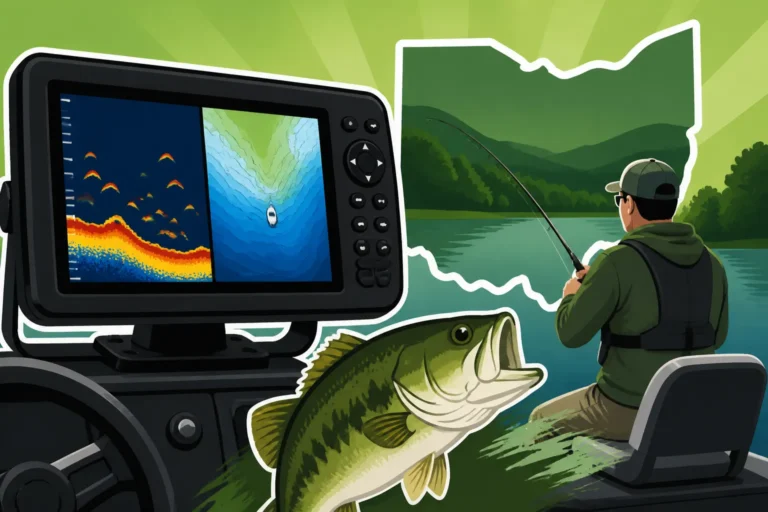
Finding fish from a kayak is a bit different than from a larger boat. While you don't have the luxury of big, powerful sonar units, modern portable fish finders have revolutionized kayak angling. Brands like Lowrance, Humminbird, and Garmin offer compact, battery-powered units that can be easily mounted to your kayak and provide crucial information about depth, water temperature, and fish arches. Many even have GPS functionality, allowing you to mark waypoints for productive spots. These units, which can be found on Amazon or at local sporting goods stores, are invaluable for locating structure, drop-offs, and schools of baitfish.
Beyond electronics, traditional fish-finding skills are amplified in a kayak. You're closer to the water, which means you can often spot subtle changes that a larger boat might miss. Look for points, coves, submerged vegetation, rock piles, and timber – these are classic fish-holding structures. Pay attention to changes in current, water clarity, and even the presence of baitfish jumping or birds diving, all of which can indicate where the predators are hiding. When targeting species like walleye, consider their preferred water temperatures; colder waters often mean deeper fish, while warmer periods bring them shallower. Similarly, for bass, knowing What Largemouth Bass Eat in Ohio Lakes or What Smallmouth Bass Eat in Ohio Lakes can help you choose the right presentation. By combining your eyes, your electronics, and a good understanding of fish behavior, you can effectively locate and target fish from your kayak, making every paddle stroke count.
Ohio Kayak Types and Water Suitability
| Kayak Type | Pros | Cons | Ideal Ohio Waters |
|---|---|---|---|
| Sit-on-Top (SOT) Paddle Kayak | Very stable, easy re-entry, ample gear space, affordable, versatile. | Slower than sit-ins, can be tiring to paddle long distances, less protection from elements. | Smaller lakes, calm rivers, protected Lake Erie bays, ponds. |
| Sit-on-Top (SOT) Pedal Kayak | Hands-free propulsion, efficient for covering water, excellent for trolling, very stable. | More expensive, heavier, more complex maintenance, can struggle in very shallow or weedy water. | Larger lakes, slower rivers, Lake Erie (calm days), reservoirs. |
| Sit-in Kayak | Faster, more efficient paddling, better protection from elements, lighter (often). | Less stable for fishing, harder re-entry after capsize, limited gear space, enclosed feeling. | Long river floats, cold weather fishing (less common for dedicated fishing). |
Disclaimer
The information provided in this guide is for general informational purposes only. Kayak fishing, especially on large bodies of water like Lake Erie or swift rivers, carries inherent risks. Always prioritize safety, wear a PFD, check weather conditions, and be aware of all local, state, and federal regulations. Conditions on the water can change rapidly, and your safety is your sole responsibility.