Lake Erie Fishing Guide for Ohio Anglers
For many Ohio anglers, the vast, shimmering expanse of Lake Erie can feel like a different world, almost overwhelming. You’ve heard the legendary tales of massive walleye and endless schools of perch, but actually figuring out where to go, what to use, and how to stay legal can be a real head-scratcher. This comprehensive guide is here to cut through the confusion, offering a seasoned perspective on everything you need to know to confidently tackle Ohio's incredible Lake Erie fishery.
Why Lake Erie is a Fishing Powerhouse for Ohio Anglers
When you talk about fishing in Ohio, eventually, all roads lead to Lake Erie. It's not just a big lake; it’s an ecosystem teeming with life, a true gem that draws anglers from all over the country. The sheer abundance of game fish, particularly walleye and yellow perch, is simply unmatched in many other freshwater systems. But it's more than just numbers; it's the quality of the fishing, the diverse opportunities, and the thrill of battling a hard-fighting fish that makes Lake Erie truly special. Many a seasoned angler, myself included, will tell you that a day on Lake Erie can be anything from a peaceful cruise to a full-on adrenaline rush, depending on the fish and the conditions. It's a place that consistently challenges and rewards.
The Walleye Capital of the World
There’s a reason Ohio proudly boasts the title "Walleye Capital of the World," and it’s all thanks to Lake Erie. This designation isn't just marketing; it's backed by incredible fish populations and catch rates. Year after year, the lake produces record-breaking numbers of walleye, making it a prime destination for those seeking these delicious and hard-fighting fish. The western basin, in particular, is often lauded as the epicenter of this walleye boom, largely due to its shallower, nutrient-rich waters that provide ideal spawning grounds and an abundance of forage.
What makes Lake Erie walleye so special? For starters, their growth rates are phenomenal. Abundant baitfish, like emerald shiners and gizzard shad, provide a constant buffet, allowing walleye to pack on size quickly. It’s not uncommon to land walleye in the 20-inch range, with many pushing into the upper 20s and even hitting the trophy-sized 30-inch mark. The sheer quantity means that even on a slow day, you still have a great shot at putting fish in the cooler. The feeling of a big walleye thumping at the end of your line, especially after hours of anticipation, is a core memory for countless anglers.
More Than Just Walleye
While walleye definitely steal the spotlight, Lake Erie offers a much broader fishing experience. Don't fall into the trap of thinking it's a one-fish wonder. In fact, many anglers make regular trips specifically to target other species that thrive in these waters. One of the most popular alternatives is the yellow perch. These schooling panfish provide fast-paced action and are absolutely delicious on the dinner table. They are often found in different areas and depths than walleye, offering a completely different challenge and technique.
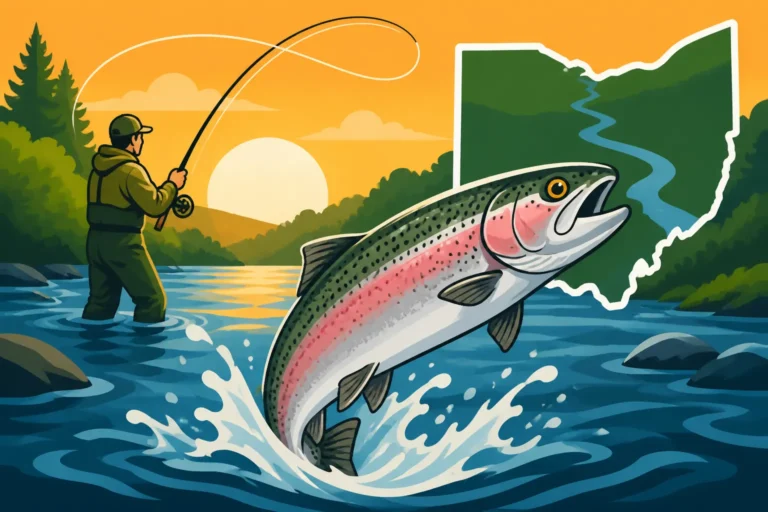
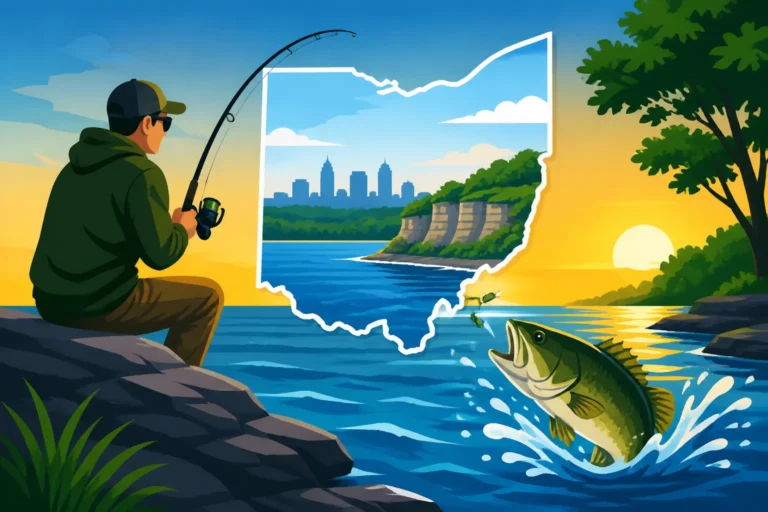
Beyond perch, the lake is also home to robust populations of smallmouth and largemouth bass, especially around rocky structures, islands, and nearshore areas. Smallmouth bass, in particular, are renowned for their aggressive strikes and acrobatic fights, making them a favorite among sport anglers. As you move into the eastern sections and near tributary mouths, you'll also find opportunities for steelhead trout, especially during their migratory runs. Even species like channel catfish, white bass, and drum offer fantastic angling opportunities, ensuring that no matter your preference, Lake Erie has something to offer. It truly is a multi-species angler's paradise.
Understanding Lake Erie's Basins
Lake Erie is vast, but for fishing purposes, it's typically broken down into three distinct basins: the Western, Central, and Eastern Basins. Each has its own characteristics, depth profiles, and primary fishing opportunities, which are important to understand when planning your trip. Anglers often specialize in one or two basins, depending on their target species and preferred fishing style. The transition zones between these basins can also be highly productive as fish migrate.
The Western Basin is the shallowest, generally less than 30 feet deep, and is characterized by its numerous islands (like the Lake Erie Islands), reefs, and warmer waters. This is the fabled "Walleye Capital" due to its excellent spawning habitat and abundant forage. Major ports like Port Clinton and Sandusky are hubs for Western Basin fishing. Think of it as the nursery and primary feeding ground. The Central Basin, stretching from roughly Sandusky to Erie, Pennsylvania, is deeper, reaching depths of over 60 feet. It's a fantastic fishery for both walleye and yellow perch, especially as walleye move to deeper, cooler waters in the summer months. Ports like Cleveland and Huron are central to this basin. Finally, the Eastern Basin is the deepest, plunging to over 200 feet, and extends into New York and Canada. While it still holds walleye and perch, it’s also known for its cold-water species and is a prime area for targeting steelhead trout, particularly in its tributary rivers. Understanding these distinctions is key to maximizing your success on the water.
Essential Gear and Tackle for Lake Erie Success
Heading out onto Lake Erie without the right gear is like trying to hike Mount Everest in flip-flops—you’re setting yourself up for a struggle. The lake can be demanding, and the fish, especially walleye and smallmouth, can put up a serious fight. Investing in reliable equipment not only increases your chances of success but also ensures a more enjoyable and safer experience. You don't need to break the bank, but quality over quantity often pays off here. A good starting point is always to think about the fish you primarily want to target.
Rods, Reels, and Lines for Main Targets
For walleye, versatility is key. If you're planning on trolling, which is arguably the most popular method, you'll want medium-heavy action trolling rods, typically 7 to 10 feet long, paired with line-counter reels. These reels are crucial for knowing exactly how much line you have out, which directly correlates to the depth your lure is running. For line, 10-15 pound monofilament or fluorocarbon is common, or a 30-pound braid main line with a fluorocarbon leader. If you're jigging or casting, a sensitive 6'6" to 7' medium-light or medium action spinning rod with a matching spinning reel spooled with 8-10 pound braid and a fluorocarbon leader will be ideal.
For yellow perch, a lighter touch is required. A 6 to 7-foot light or medium-light action spinning rod with a fast tip is perfect for detecting those subtle perch bites. Pair this with a small spinning reel (2000-2500 series) spooled with 4-6 pound monofilament or a thin braid with a fluorocarbon leader. The key here is sensitivity and the ability to feel light taps. As for bass, particularly smallmouth, a medium-heavy fast-action baitcasting rod (6'8" to 7'4") with a quality baitcasting reel spooled with 12-17 pound fluorocarbon or 30-pound braid is a versatile setup for throwing a variety of lures. Having a few different setups allows you to quickly adapt to changing conditions and techniques.
Must-Have Lures and Baits
Lake Erie’s diverse fishery calls for a diverse tackle box. For walleye, crankbaits are king, especially when trolling. Deep-diving models from brands like Rapala (Deep Husky Jerks, Down Deep Rattlin' Fat Raps), Reef Runner, and Bandits are incredibly effective. Blade baits and lipless crankbaits, such as those from the Berkley Flicker Shad series, also excel for vertical jigging or casting. Crawler harnesses, often trolled behind bottom bouncers or planer boards, are another absolutely deadly presentation, especially from late spring through summer.
For yellow perch, simplicity often wins. Live emerald shiners are the gold standard bait, but small pieces of nightcrawler or even scented soft plastics can work. Rig them on a crappie-style rig or a simple dropper rig with a bell sinker. Small jigs tipped with minnows or soft plastics are also effective. When targeting bass, especially smallmouth, tubes, drop shot rigs with small worms (like a Berkley Gulp! Minnow), Ned Rigs, and jerkbaits are all highly productive. Topwater lures can also produce explosive strikes during low-light conditions. Always have a variety of colors, from natural baitfish patterns to brighter, more aggressive options, as fish preferences can change throughout the day and with water clarity.
Electronics and Navigation
In a body of water as vast and complex as Lake Erie, electronics aren't just a luxury; they're practically a necessity for consistent success. A good fish finder, also known as a sonar unit, is your window into the underwater world. It helps you locate baitfish schools, identify structure where game fish might be holding, and even mark individual fish. Modern units from companies like Humminbird, Lowrance, and Garmin offer advanced features like Down Imaging, Side Imaging, and CHIRP sonar, providing incredibly detailed views of the bottom and water column. Learning to interpret these readings takes time and practice, but it's an invaluable skill.
Equally important is a reliable GPS unit or a chartplotter, often integrated into your fish finder. Lake Erie can get rough, and fog can roll in quickly, making navigation tricky. A GPS allows you to mark productive fishing spots (waypoints), navigate safely between locations, and track your trolling passes with precision. Having up-to-date nautical charts loaded into your unit is also crucial for identifying depth contours, reefs, and potential hazards. Always carry a physical map as a backup, and ensure your phone is charged with a marine navigation app as an additional layer of safety. These tools not only make you a more efficient angler but also a much safer one.
Mastering Lake Erie Fishing Techniques
Lake Erie fishing isn't just about dropping a line and hoping for the best; it's an art and a science, demanding specific techniques tailored to the target species and conditions. Whether you're a seasoned pro or a newcomer, understanding and mastering these methods will dramatically increase your catch rates and overall enjoyment on the water. The sheer size of the lake means that fish can be spread out, so precision and adaptability are key.
Trolling for Walleye
Trolling is undeniably the most dominant and effective technique for covering vast expanses of Lake Erie and consistently putting walleye in the boat. This method involves dragging lures behind a moving boat, allowing you to present your bait at various depths and speeds. There are several popular trolling setups. Planer boards are widely used, especially in the Western and Central Basins. These devices are deployed off the sides of the boat, carrying your fishing lines away from the boat's wake, allowing you to spread out multiple lines and cover a wider swath of water. This is particularly effective when fish are scattered or boat traffic is high.
Another common approach is using downriggers or Dipsy Divers. Downriggers are typically used for deeper presentations, letting you precisely control the depth of your lure. Dipsy Divers are disc-shaped devices that dive to a specified depth, pulling your lure with them, and can be adjusted to run to the side of the boat as well. The choice of lure is critical: deep-diving crankbaits that mimic baitfish are favorites, but spinner rigs (crawler harnesses) trolled behind bottom bouncers are also incredibly effective, especially in summer. Experiment with different speeds (typically 1.0 to 2.5 mph), depths, and lure colors until you find what the walleye are keying in on. Precision is paramount; knowing your Trolling for Lake Erie Walleye techniques can make all the difference.
Drift Fishing for Perch
If you're looking for consistent action and a delicious meal, drift fishing for yellow perch on Lake Erie is a phenomenal experience. Perch are schooling fish, so when you find one, you're often in for a treat. This technique involves allowing your boat to drift with the wind or current, dragging baits along the bottom where perch typically feed. It’s less about speed and more about covering ground while staying in touch with the bottom.
The setup is usually quite simple. A traditional perch rig, often called a crappie rig or a "spreaders rig," consists of two hooks spaced a foot or so apart, with a bell sinker at the bottom. The bait of choice is almost always live emerald shiners, but pieces of nightcrawler or even small soft plastics can work. When you locate a school of perch on your fish finder, it's time to drop anchor or make repeated drifts over the school. Pay close attention to your rod tip; perch bites can be subtle, feeling like light taps or a slight weight. When you feel that tell-tale tap, a gentle sweep of the rod tip is usually enough to set the hook. Knowing the Drift Fishing for Lake Erie Yellow Perch approach will definitely put more fish in your cooler.
Casting and Jigging for Bass and Walleye
While trolling dominates for walleye and drifting for perch, casting and jigging offer exciting, hands-on alternatives, especially for bass and when walleye are holding tight to structure or in shallower waters. Casting involves actively throwing lures and retrieving them, making it a very engaging form of fishing. For smallmouth bass, casting tube jigs, Ned Rigs, jerkbaits, and spinnerbaits around rocky outcrops, shoals, and breakwalls is incredibly effective. These fish are aggressive and often strike hard, offering thrilling battles. Look for areas with current or defined structure, as smallmouth love to ambush prey from cover.
Jigging can be done vertically from a boat or by casting and retrieving. For walleye, particularly in deeper water or around specific structure, vertical jigging with blade baits (like Silver Buddies or Vib-E’s) or heavy jigging spoons can be deadly. You drop the lure to the bottom, lift it sharply, and let it flutter back down, imitating a dying baitfish. The strike often comes on the fall. For both casting and jigging, feeling the bite and reacting quickly is paramount. This style of fishing is often favored by anglers who prefer a more interactive approach, demanding constant attention and precise lure presentation. It’s a great way to put your angling skills to the test and experience the raw power of Lake Erie’s sportfish.
Prime Fishing Seasons and Times on Lake Erie
Understanding the seasonal patterns and optimal times to fish on Lake Erie is just as important as knowing your gear and techniques. The lake's vastness means that fish behavior, location, and preferred baits change dramatically throughout the year. What works in April might be completely ineffective in August. Keeping an eye on the calendar and the water temperature will give you a significant advantage. This knowledge will help you plan your trips to coincide with peak activity for your target species, ensuring a more productive and enjoyable outing. The Ohio Fishing Season Dates and Effective Periods are always a good reference to check before heading out.
Springtime Blitz
Spring on Lake Erie, especially the Western Basin, is nothing short of legendary. As ice recedes and water temperatures begin to climb into the 40s and 50s Fahrenheit, the walleye migration truly kicks off. This is the time when massive schools of walleye move into the shallower, warmer waters to spawn. March, April, and early May are prime months for this "walleye run." Anglers often focus on areas like the Maumee River and Sandusky River mouths, as well as the reef complexes in the Western Basin. Trolling with crankbaits or casting jigs tipped with plastics or live bait are highly effective methods during this period. The fish are hungry and aggressive, making for some truly epic fishing days.
Beyond walleye, spring also signals the return of yellow perch to shallower waters, particularly around structure and harbors. They become active as water temperatures rise, offering excellent opportunities for early-season panfish action. Furthermore, as the lake thaws, the tributary rivers that feed into Lake Erie, like the Rocky River or Vermilion River, often still hold migratory steelhead trout, providing thrilling opportunities for anglers willing to brave the chilly conditions. Spring is a time of renewed life and intense activity on Lake Erie, a must-experience for any serious angler.
Summer's Bounty
As spring transitions into summer, Lake Erie walleye begin to disperse from their spawning grounds and move into deeper, cooler waters across all three basins. While the Western Basin remains productive, the Central Basin often heats up as walleye head offshore, following baitfish concentrations. This is prime time for trolling with planer boards and downriggers, targeting depths ranging from 20 to 50 feet or more. Anglers will often spend their days searching for schools of suspended walleye using their electronics, covering miles of water. Crawler harnesses and deep-diving crankbaits continue to be top producers.
Summer also offers fantastic opportunities for yellow perch across the lake. They often school up in large numbers over mud bottoms or around natural and artificial reefs, and drift fishing with emerald shiners remains the most consistent method. For smallmouth bass, summer means they are actively feeding around rocky islands, reefs, and breakwalls in both shallow and deeper waters. Topwater action can be explosive in the mornings and evenings, while tube jigs, drop shots, and crankbaits work well throughout the day. The warmer, more stable weather of summer makes for comfortable fishing, though you always need to be mindful of sudden storms on this big lake.
Fall Frenzy
Fall on Lake Erie is a truly magical time for anglers, offering some of the year's best fishing as game fish go on a feeding binge to prepare for winter. As water temperatures begin to cool, walleye become incredibly active, often moving back into shallower feeding grounds. The Western and Central Basins can experience a "second season" for walleye, with many anglers reporting excellent catches. Trolling with crankbaits and crawler harnesses remains effective, but vertical jigging and casting can also produce some real giants, especially during low-light conditions. These fish are fat and feisty, making for memorable battles.
Yellow perch fishing also remains strong into the fall, with large schools aggressively feeding. They often congregate in predictable areas, making it easier to load up on these delicious panfish. But perhaps the most anticipated fall phenomenon on Lake Erie is the beginning of the steelhead trout run. As rains raise water levels and cool temperatures in the tributary rivers (like the Grand River or Rocky River), chrome-bright steelhead push in from the lake, offering incredible fly-fishing and spin-fishing opportunities. This overlap of excellent walleye, perch, and steelhead action makes fall a truly premier season for Ohio anglers.
Top Fishing Hotspots and Access Points in Ohio's Lake Erie
Knowing where to launch your boat, or even where to fish from shore, is crucial when planning a Lake Erie adventure. Ohio's coastline offers a wealth of access points, from bustling charter towns to quiet public parks. While the fish are constantly moving, certain areas consistently hold fish due to their unique habitat, structure, or proximity to spawning grounds. These locations have earned their reputation for a reason, becoming regular stops for local anglers and visitors alike.
Western Basin Wonders
The Western Basin of Lake Erie is often regarded as the heart of Ohio's walleye fishery, and for good reason. Its shallower waters, numerous reefs, and proximity to spawning grounds make it incredibly productive. The town of Port Clinton is arguably the most famous hub, earning its moniker "Walleye Capital of the World." It boasts numerous marinas, charter services (many of which you can find and book on platforms like FishingBooker), and excellent boat launches that provide direct access to some of the lake's most productive waters, including the famous reefs. Many anglers launch here to target walleye around the Lake Erie Islands, such as Kelleys Island and South Bass Island, which also hold excellent smallmouth bass.
A short drive east, Sandusky offers similar access and is another prime location. It provides direct access to Sandusky Bay, which can be fantastic for both walleye and yellow perch at certain times of the year, as well as the main lake. Further west, the Maumee River mouth near Toledo is legendary for its spring walleye run, attracting thousands of shore and wading anglers. Public access points like Cullen Park in Toledo or the Metzger Marsh Wildlife Area offer diverse opportunities, from shore fishing to excellent boat launching facilities. The Western Basin is where many Lake Erie fishing dreams are made, providing incredible action throughout the year.
Central Basin Charms
Moving eastward, Ohio’s Central Basin of Lake Erie presents a different, but equally rewarding, fishing experience. Characterized by deeper waters and more varied bottom structure, it becomes a prime walleye and perch destination, especially during the warmer summer months when fish seek cooler temperatures offshore. Cleveland stands as a major urban fishing hub, with multiple marinas and public boat ramps providing excellent access. The Cleveland Metroparks system offers several excellent fishing piers and breakwalls, perfect for shore anglers targeting yellow perch, white bass, or even the occasional walleye. Edgewater Park and Gordon Park are popular choices.
Further west, the communities of Huron and Lorain are also significant access points. Huron offers a fantastic public boat launch and direct access to some productive walleye grounds, particularly during the summer. Lorain, with its large harbor and breakwalls, is another excellent spot for both boat and shore anglers. The deeper waters off the Central Basin often require more advanced trolling techniques, but the rewards can be substantial, with many trophy-sized walleye coming from these areas. The Central Basin also sees robust yellow perch fishing, with anglers often finding large schools over mud flats offshore. Whether you're chasing walleye, perch, or looking for Best Places to Fish in Ohio for a diverse bag, the Central Basin holds endless possibilities.
Shore and Pier Fishing Opportunities
Not everyone has a boat, and that's perfectly okay because Lake Erie offers a surprising number of fantastic shore and pier fishing opportunities throughout Ohio. These spots are often accessible, family-friendly, and can be incredibly productive, especially for species like yellow perch, white bass, and channel catfish. During the spring and fall, even walleye can be caught from shore in certain locations.
Along the Western Basin, Port Clinton’s municipal pier and the jetties near the Portage River mouth are popular for perch. In Sandusky, the Battery Park Marina area and the long fishing pier at Cedar Point often yield good numbers of perch and white bass. Moving into the Central Basin, Cleveland is a goldmine for shore anglers. Edgewater Park, the Cleveland Metroparks East 55th Street Marina, and Gordon Park all offer excellent pier and breakwall fishing. You can often catch yellow perch, white bass, crappie, and even the occasional steelhead (especially near river mouths). Further east, Fairport Harbor and Ashtabula also have accessible piers and breakwalls that provide great fishing. Always check local regulations for specific pier rules and remember to be courteous to other anglers. Shore fishing is a fantastic, accessible way to experience the bounty of Lake Erie without the need for a large boat.
| Basin | Key Ports/Access | Primary Fish Targets | Typical Depths | Key Characteristics |
|---|---|---|---|---|
| Western Basin | Port Clinton, Sandusky, Toledo (Maumee River) | Walleye, Yellow Perch, Smallmouth Bass | 10-30 ft | Shallow, numerous islands & reefs, warmest water, primary walleye spawning grounds. Excellent spring walleye fishing. |
| Central Basin | Cleveland, Huron, Lorain | Walleye, Yellow Perch, Smallmouth Bass, Steelhead (near tributaries) | 30-60 ft+ | Deeper than Western, varied structure. Productive for summer walleye (offshore), consistent perch. Good urban access. |
| Eastern Basin | Conneaut, Ashtabula | Steelhead, Walleye, Yellow Perch, Brown Trout | 60-200 ft+ | Deepest basin, cooler water. Main focus for steelhead in tributary rivers; some walleye/perch. |
Navigating Ohio's Lake Erie Regulations and Licenses
Before you even think about casting a line into Lake Erie, understanding Ohio's fishing regulations and license requirements is non-negotiable. The rules are in place to conserve fish populations and ensure fair chase, and ignorance is no excuse for a violation. Fishing without a valid license or exceeding bag limits can lead to hefty fines and a ruined day on the water. It’s always best to be prepared and informed. The Ohio Fishing Regulations Every Angler Should Know can be found online or in print.
Understanding Ohio Fishing License Requirements
Simply put, almost everyone aged 16 and older needs an Ohio fishing license to fish in Lake Erie. There are a few exemptions, such as those fishing on private ponds that don't allow public access or during Ohio's designated Ohio's Free Fishing Days. However, for Lake Erie, you'll need one. Licenses are available in various durations: one-day, one-year, three-year, five-year, and even lifetime options. Residents generally pay less than non-residents, and there are specific licenses and discounts for seniors and disabled veterans.
You can purchase your license easily online through the Ohio Department of Natural Resources (ODNR) website, at authorized license vendors (like bait shops or sporting goods stores), or by calling their toll-free number. It's crucial to carry proof of your license while fishing, whether it's a physical copy, a printout, or a digital image on your phone. Wildlife officers regularly patrol Lake Erie, and they will check. Don't let a simple oversight spoil your fishing trip. If you're wondering about the specifics, check out the Ohio Fishing License Guide for Residents and Nonresidents.
Lake Erie Specific Bag and Size Limits
Lake Erie is a unique fishery, and as such, it often has specific bag and size limits that differ from inland Ohio waters. The two most critical species with specific rules are walleye and yellow perch, and these limits can even vary by season and basin to ensure sustainable harvesting. For example, Lake Erie Walleye Bag Limits are usually generous, often at 6 fish per angler per day, but there might be minimum length requirements that change.
Yellow perch also have their own set of rules, with Lake Erie Yellow Perch Zone Limits often varying depending on whether you're in the Western, Central, or Eastern Basin, and by specific dates. It's not uncommon to see limits of 30 or even 40 perch per angler, reflecting their abundant populations. Always, always check the current year's Ohio Fishing Regulations booklet or the ODNR website before you head out. These regulations are subject to change annually, and staying up-to-date is your responsibility. Pay close attention to these details; measuring your fish accurately and counting your catch ensures you're a responsible and legal angler.
General Lake Erie Rules to Remember
Beyond licenses and species-specific limits, there are a few other general regulations and practices that are particularly relevant to fishing on Lake Erie. One common question revolves around how many fishing lines you can use. In Ohio, anglers are generally allowed to use up to two poles and lines at once, unless specific local regulations state otherwise. This "two-pole and line limit" applies to Lake Erie as well. Trying to manage more lines can lead to tangles, lost fish, and potential violations, so stick to the rules.
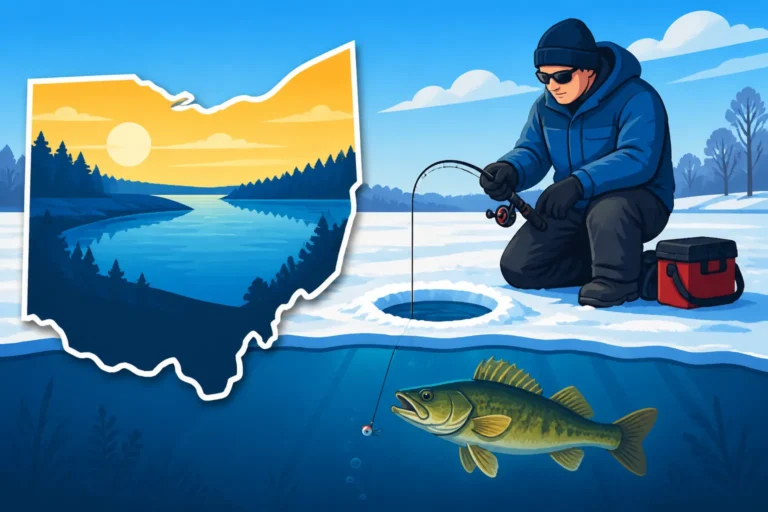
If you're considering ice fishing on Lake Erie, be aware that while it's a popular activity in the Western Basin during suitable conditions, strict safety guidelines and specific regulations apply. Ice conditions can be notoriously unpredictable, and the ODNR often issues advisories. Additionally, proper identification of your catch is important. While walleye and saugeye can sometimes be confused, there are clear identification characteristics. Keeping undersized fish or misidentifying a protected species can lead to penalties. Always handle fish you intend to release carefully, minimizing stress and injury. Responsible angling helps maintain Lake Erie's incredible fishery for generations to come.
Hiring a Lake Erie Fishing Charter or Guide
For many anglers, especially those new to Lake Erie or those looking to maximize their chances of a trophy catch, hiring a fishing charter or guide is an excellent investment. The lake’s immense size and ever-changing conditions can be daunting, and a seasoned professional can provide an unparalleled advantage. It's not just about catching fish; it's about learning the lake, understanding techniques, and ensuring a safe and enjoyable experience.
Benefits of a Guided Trip
The benefits of going out with a professional Lake Erie fishing charter are numerous, especially if you're unfamiliar with the immense body of water. First and foremost, you're tapping into a wealth of local expertise. A good captain lives and breathes Lake Erie, constantly monitoring fish movements, baitfish patterns, and weather conditions. They know where the fish are, what they’re biting on, and the best techniques to employ on any given day. This dramatically increases your chances of success compared to going it alone.
Secondly, charters provide all the necessary, high-quality gear. You don't need to worry about investing in expensive trolling setups, specialized rods, or an array of lures. The captain will have everything you need, from top-tier electronics to bait. This means less stress, less prep work, and more time focusing on the fishing. Furthermore, safety is paramount. Charter captains are licensed, insured, and experienced in navigating Lake Erie's sometimes challenging waters. They have all the required safety equipment and know how to handle adverse conditions. Finally, it’s a fantastic learning experience. Many captains are happy to share their knowledge, teaching you techniques, how to read sonar, and even how to clean your catch. It’s an invaluable educational opportunity for anglers of all skill levels. If you're looking for Port Clinton Ohio Fishing Charters, a guided trip can transform your understanding of the lake.
Choosing the Right Charter
With so many charter captains operating on Lake Erie, choosing the right one can feel a bit overwhelming. A great starting point is to define what you want out of your trip. Are you looking for a trophy walleye, a limit of yellow perch, or a family-friendly outing? Once you have a target in mind, start your research. Websites like FishingBooker are fantastic resources, allowing you to browse captains, see their boats, read reviews from past clients, and compare pricing and availability. Look for captains who specialize in the type of fishing you want to do.
When vetting potential charters, don't hesitate to ask questions. Inquire about their experience, their typical target species for the season you're booking, and what's included in the price. Ask about their cancellation policy, especially regarding weather, as Lake Erie can get rough. Good captains will be transparent and happy to answer all your queries. Pay attention to reviews – look for consistent praise for professionalism, fish-finding ability, and overall customer experience. A captain who prioritizes safety and customer satisfaction is always a good choice. Remember, the best charters are often booked months in advance, so plan ahead, especially for peak season trips.
What to Expect and Bring on a Charter
Once you've booked your Lake Erie charter, a little preparation on your part will ensure a smooth and enjoyable day. Most charters will depart early in the morning, so confirm the meeting time and location beforehand. While the captain provides the boat, tackle, and often bait, you are still responsible for your Ohio Fishing License Guide for Residents and Nonresidents. Don't forget it!
You'll also need to bring your own food and drinks in a small cooler. Dress in layers, as temperatures on Lake Erie can change dramatically throughout the day, even in summer. A good waterproof jacket, hat, sunglasses, and non-slip shoes are essential. Don't forget sunscreen! A camera to capture your catches is also a must. Most importantly, bring a positive attitude and be ready to learn and have fun. Tipping your captain and mate is customary, typically 15-20% of the trip cost, especially if they worked hard and put you on fish. Remember, Lake Erie charters are designed to provide a hassle-free and productive fishing experience, so relax and enjoy the ride!
Safety and Etiquette on Lake Erie
Lake Erie is a magnificent fishery, but it demands respect. Its vastness and potential for rapidly changing weather conditions mean that safety should always be your top priority. Beyond safety, practicing good etiquette on the water ensures a pleasant experience for everyone. A little common sense and courtesy go a long way in fostering a positive angling community.
Boating Safety Essentials
If you're heading out onto Lake Erie in your own boat, comprehensive safety preparations are non-negotiable. First and foremost, always check the marine weather forecast before you leave the dock, and continuously monitor it throughout your trip. Lake Erie is infamous for its ability to go from calm to treacherous in a matter of minutes. Conditions can change rapidly, and waves can build quickly. If the forecast looks iffy, err on the side of caution and postpone your trip. No fish is worth risking your life.
Ensure your boat is equipped with all required safety gear, including enough U.S. Coast Guard-approved life jackets for everyone on board, a sound-producing device (horn or whistle), visual distress signals (flares), a fire extinguisher, and navigation lights for dawn/dusk/night operation. File a float plan with a trusted friend or family member, letting them know where you're going, who's with you, and when you expect to return. Consider carrying a marine radio for communication and a fully charged cell phone. If you're new to boating or operating on large bodies of water, consider taking a boater education course. Staying safe is the most important part of any fishing trip.
Respecting Fellow Anglers and the Environment
Fishing on Lake Erie, especially during peak seasons, means you'll likely be sharing the water with many other anglers. Practicing good etiquette ensures everyone has an enjoyable and conflict-free experience. When you're trolling or drifting, be mindful of other boats. Maintain a respectful distance, especially if they appear to be hooked into a fish or are working a particular spot. Avoid cutting across other anglers' lines, which can lead to tangled messes and frustration. If you're setting up for a drift, don't drop anchor directly in front of someone else's drift.
Beyond respecting fellow anglers, it's our collective responsibility to protect Lake Erie's pristine environment and its incredible fishery. Always practice responsible waste disposal; pack out everything you pack in, and never, ever throw trash overboard. Handle fish you plan to release with care, minimizing their time out of water and avoiding excessive handling. If you see litter or pollution, report it to the authorities. By being good stewards of the lake, we help ensure that future generations can continue to enjoy the fantastic fishing opportunities Lake Erie provides.
Disclaimer
Please remember that fishing regulations and conditions on Lake Erie are subject to change. Always consult the most current Ohio Department of Natural Resources (ODNR) fishing regulations booklet or website before your trip to ensure compliance. This guide is for informational purposes only and does not constitute legal advice or an exhaustive list of all rules and regulations. Stay safe and fish responsibly.