Paint Creek Lake Fishing Guide
Stepping onto the shores of a new lake, or even one you haven't visited in a while, can feel a bit like cracking open a mystery novel. You know there are treasures hidden beneath the surface, but figuring out where to start, what to use, and what to expect can be a real head-scratcher. That's exactly why we're diving deep into Paint Creek Lake today. This guide aims to pull back the curtain on this fantastic Ohio fishery, giving you the insider knowledge to make your next trip a truly memorable one.
Understanding Paint Creek Lake's Unique Fishing Environment
Paint Creek Lake, nestled beautifully in southern Ohio, isn't just another pretty body of water; it’s a diverse and dynamic fishery that offers something for nearly every angler. Its unique characteristics, from its depth and structure to its seasonal changes, play a huge role in how the fish behave and, more importantly, how you can successfully target them.
Lake Characteristics and Fish Habitat
Covering roughly 1,190 acres, Paint Creek Lake might not be as vast as Lake Erie, but it boasts an impressive array of underwater features that create fantastic fish habitat. The lake was formed by damming Paint Creek, and much of the original creek channel, along with standing timber and submerged stumps, remains intact. These provide crucial cover and ambush points for predatory fish. Anglers often find success by focusing on these deep-water structures, especially during the warmer months when fish seek cooler temperatures and protection.
Beyond the deep channels, you'll discover numerous coves, points, and shallow flats, many of which develop healthy weed beds as the season progresses. These shallower areas become magnets for baitfish and, consequently, hungry game fish like bass and crappie, particularly during their spawning periods in spring. The water clarity can vary throughout the year, but generally, Paint Creek is considered a moderately clear lake, which means fish can sometimes be a bit more wary of heavy lines or unnatural presentations. Understanding these nuances helps you adapt your approach, whether you’re throwing a jig into a submerged brush pile or casting a spinnerbait along a weed line.
Prime Fishing Seasons and Weather Considerations
Like most Ohio lakes, Paint Creek Lake's fishing action ebbs and flows with the seasons, each offering distinct opportunities and challenges. Spring is arguably one of the most anticipated times, as warming water temperatures ignite the feeding frenzy for many species. As the ice recedes and water temperatures climb into the 50s and 60s, species like crappie and bass move into shallower coves and flats to spawn, making them more accessible to anglers, including those fishing from shore. You'll find a lot of folks specifically targeting Ohio Largemouth and Smallmouth Bass Limits during this time, taking advantage of their aggressive pre-spawn behavior.
Summer fishing at Paint Creek shifts to slightly deeper patterns. As surface temperatures rise, bass often retreat to cooler, deeper water around submerged timber, creek channels, and rock ledges. Early mornings and late evenings can still produce good action in shallower areas, especially around shady cover. Catfish, however, become incredibly active throughout the summer, often biting well into the night. Fall brings another surge in activity, as fish bulk up for winter. The cooler water revitalizes many species, and they become highly aggressive, feeding heavily on baitfish. This can be an excellent time for targeting saugeye, which are often stocked in the lake, as they begin to school up and feed actively. Even winter, for those brave enough for Ohio Ice Fishing Guide, can offer opportunities for crappie and saugeye when the ice is safe.
Target Species and Proven Techniques at Paint Creek Lake
Paint Creek Lake is renowned for its diverse fishery, hosting a vibrant population of bass, crappie, catfish, and even saugeye. Knowing what to target and how to approach each species can dramatically improve your success rate. It's not just about throwing a line in the water; it's about understanding their habits and preferences in this specific lake.
Largemouth Bass and Smallmouth Bass Strategies
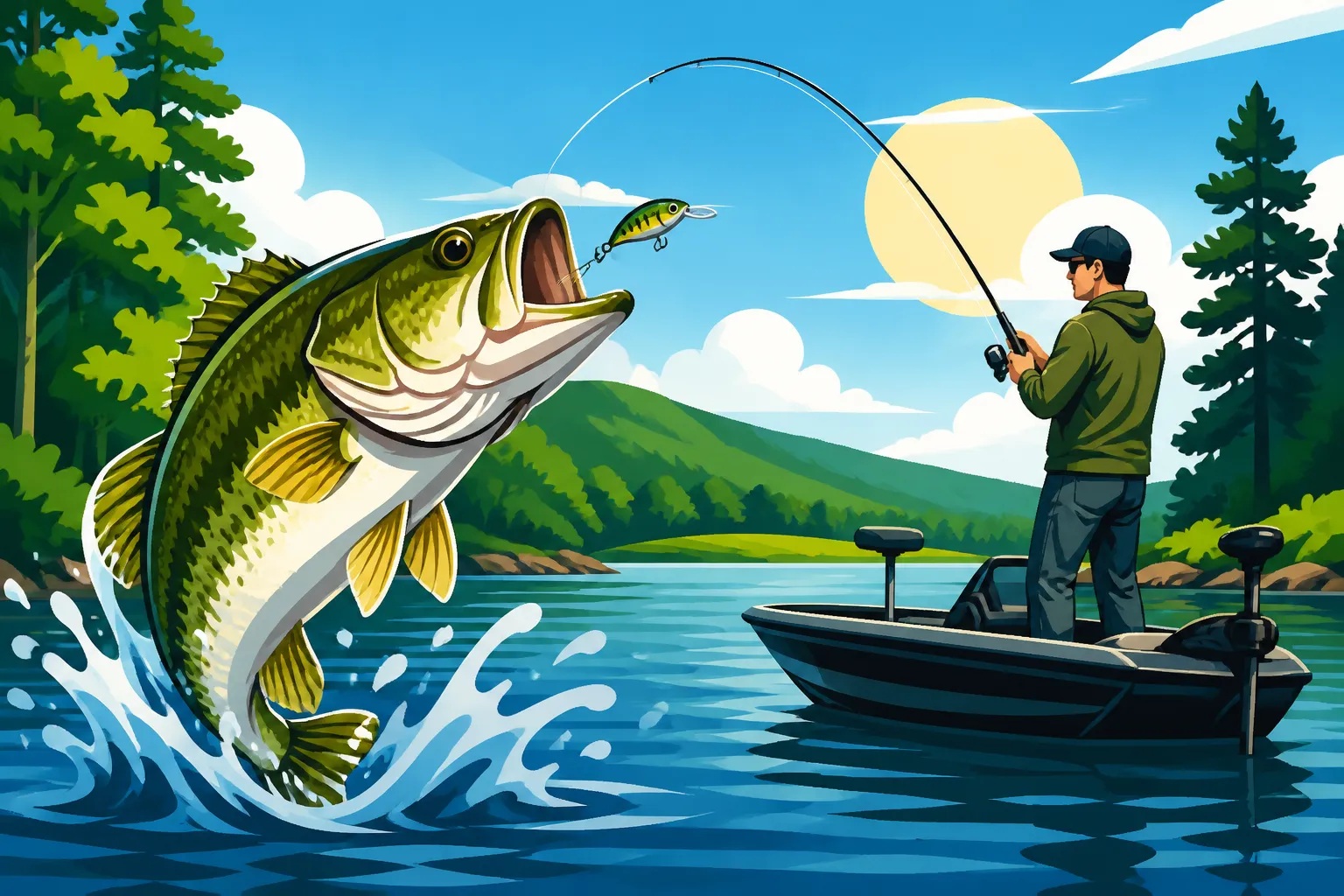
Paint Creek Lake is a fantastic destination for bass anglers, boasting healthy populations of both largemouth and smallmouth bass. For largemouth, you'll want to focus on the ample shallow-water cover. Think thick weed beds, fallen trees, brush piles, and shallow points with submerged timber. In the spring, spinnerbaits, chatterbaits, and shallow-diving crankbaits in shad or bluegill patterns can be incredibly effective as bass move into those spawning flats. As summer heat sets in, flipping jigs or Texas-rigged soft plastics into dense cover or pitching a shaky head around deeper structure like creek channel bends becomes the go-to. Don't overlook topwater lures like frogs or poppers during low-light conditions – a big largemouth blowing up on a topwater is an unforgettable experience!
Smallmouth bass, while less prevalent than largemouth, are present and can offer a thrilling fight, especially around the rockier areas of the lake or deeper main lake points. Look for them near gravel bottoms, rocky banks, and drop-offs. Techniques like drop-shotting with finesse worms, dragging tube jigs, or casting small crankbaits that mimic crawfish are often productive. In the cooler months of spring and fall, jerkbaits can be deadly for enticing these bronze warriors. Pay attention to changes in bottom composition and use your electronics to identify underwater humps or rock piles where smallmouth might be ambushing bait.
Crappie and Panfish Hotspots
If you're after delicious panfish, Paint Creek Lake is a crappie paradise, along with a healthy population of bluegill and other sunfish. Both black and white crappie thrive here. In spring, as the water warms, crappie move into incredibly shallow water to spawn, often congregating around submerged brush, standing timber, and docks in protected coves. A simple bobber rig with a live minnow or a small jig (1/32 or 1/16 ounce) under a bobber can be lights out. Try colors like chartreuse, white, or black-and-chartreuse for your jigs.
As the season progresses, crappie will move deeper, often suspending over brush piles or around the base of standing timber in 10-20 feet of water. Vertical jigging with minnows or small plastic jigs (like tube jigs or tiny swimbaits) becomes the most effective method. Using a fish finder to locate schools of crappie or submerged cover is incredibly helpful. For bluegill, target similar shallow areas, especially around lily pads, docks, and weed edges, using worms, crickets, or tiny jigs. A lightweight ultralight setup makes catching these feisty little fighters a blast, and they're perfect for a family outing. If you're looking to explore the lake with a local expert who knows these hotspots inside and out, platforms like FishingBooker can help you connect with experienced guides.
Catfish Tactics for Paint Creek
Paint Creek Lake offers excellent opportunities for catfish anglers, with strong populations of channel catfish, flathead catfish, and even some blue catfish. Channel catfish are the most common and can be found almost everywhere in the lake. They love stink baits, cut bait, chicken livers, and nightcrawlers. Fishing on the bottom in channels, coves, or near deeper structure is usually productive. They are active day and night, but often become particularly aggressive after dark. You can often find great numbers of them in the shallower coves during spring and early summer as they seek out warmer water.
Flathead catfish are the true titans of Paint Creek, known for their massive size and preference for live bait. To target these giants, you’ll want to use live bluegill, sunfish, or large shiners fished on heavy tackle near deep holes, submerged logs, or rocky ledges, especially in the main creek channel. Flatheads are ambush predators and prefer fresh, lively bait. While they can be caught during the day, nighttime is when they truly come alive, prowling the depths for a meal. For a chance at the Ohio State Record Flathead Catfish Weight, dedicated flathead fishing requires patience and robust gear. For those new to the area, consulting local guides or charter services found on sites like FishingBooker can provide invaluable insights into the best spots and tactics for these elusive fish.
Essential Gear and Local Regulations for Paint Creek Anglers
Having the right gear and understanding the rules of the water are fundamental to a successful and enjoyable fishing trip at Paint Creek Lake. You wouldn't go hiking without the right shoes, and the same principle applies to fishing.
Recommended Tackle and Bait Selection
When it comes to tackle, versatility is key for Paint Creek Lake. For bass fishing, a medium-heavy action casting rod with a baitcasting reel spooled with 12-17 lb fluorocarbon or monofilament is a great all-around choice for throwing jigs, plastics, and crankbaits. A medium action spinning rod with 8-10 lb line is excellent for finesse presentations like drop shots or lighter spinnerbaits, especially for smallmouth. Popular bass lures include square bill crankbaits (chartreuse, firetiger, or shad patterns), Texas-rigged creature baits (dark colors like green pumpkin or black/blue), and ½ oz jig-and-pig combos.
For crappie and panfish, an ultralight or light action spinning rod (5-7 feet) paired with a small spinning reel spooled with 4-6 lb monofilament is ideal. This setup allows for sensitive bite detection and maximum fun with smaller fish. Essential baits include live minnows, wax worms, red worms, and a variety of small jigs in sizes from 1/32 to 1/16 ounce. Soft plastic grubs, tubes, and tiny swimbaits in white, chartreuse, or black are also very effective. When targeting larger catfish, you'll need heavier gear: a sturdy medium-heavy to heavy action casting or spinning rod, a robust reel with a good drag system, and line testing 20-50 lbs, either monofilament or braided. As mentioned, cut bait, live bluegill, chicken livers, and prepared stink baits are perennial favorites.
Boating Access, Shore Fishing, and Facilities
Paint Creek Lake offers excellent access for both boaters and shore anglers, which is a huge plus for families or those who prefer not to launch a boat. The main boat ramps are located within Paint Creek State Park. The Paint Creek State Park Marina provides multiple launching lanes and ample parking, making it easy to get your boat in the water. These facilities are generally well-maintained and offer a convenient starting point for exploring the lake. For those without a boat, there are also areas where you can rent boats or pontoons.
Shore anglers will find numerous accessible spots, particularly along the state park shoreline, around designated fishing piers, and in various coves. These areas often provide access to structure and decent depths, allowing shore-bound anglers a fair shot at crappie, bluegill, and even some bass. Always be mindful of park rules and private property when seeking out shore fishing spots. The state park also features campgrounds, picnic areas, and hiking trails, making Paint Creek Lake a great destination for a full day or weekend outdoors. Even if you're not planning a multi-day trip, knowing that many amenities are available can significantly enhance your experience.
Navigating Ohio Fishing Regulations at Paint Creek
Before you even think about wetting a line at Paint Creek Lake, it's absolutely crucial to be familiar with the local fishing regulations. Like all public waters in Ohio, a valid Ohio Fishing License Guide for Residents and Nonresidents is required for most anglers aged 16 and older. You can easily purchase these online through the Ohio Department of Natural Resources (ODNR) website, or at many local bait and tackle shops.
While Paint Creek Lake generally falls under Ohio's statewide fishing regulations, it's always wise to consult the current ODNR fishing regulations booklet or website for any specific lake-specific rules that might be in place. This is especially important for species like saugeye, where specific size and bag limits might differ from other lakes. For instance, you’ll want to be familiar with Ohio Statewide Bag and Size Limits for species like crappie and bass, as these dictate how many fish you can keep and their minimum length. Always carry your license and be prepared to show it if a wildlife officer requests it. Ignorance of the law is not an excuse, and fines for violations can be significant. Stay informed, fish responsibly, and help preserve this fantastic resource for future generations.
| Species | Best Seasons | Recommended Baits/Lures | Key Locations |
|---|---|---|---|
| Largemouth Bass | Spring, Fall, Summer (early/late) | Spinnerbaits, Jigs, Texas-rigged Plastics, Crankbaits, Topwater | Weed beds, submerged timber, shallow coves, docks |
| Smallmouth Bass | Spring, Fall | Drop-shot Rigs, Tube Jigs, Small Crankbaits, Jerkbaits | Rocky points, deep main lake points, gravel bottoms |
| Crappie | Spring, Fall, Winter (ice) | Live Minnows, Small Jigs, Plastic Grubs | Brush piles, standing timber, docks, coves |
| Catfish (Channel) | Summer, Fall | Stink Bait, Cut Bait, Chicken Livers, Nightcrawlers | Deep channels, coves, bottom fishing |
| Catfish (Flathead) | Summer (especially night) | Live Bluegill, Shiners | Deep holes, submerged logs, rocky ledges |
| Saugeye | Spring, Fall, Winter (ice) | Jigs, Blade Baits, Crankbaits, Live Minnows | Creek channels, deeper humps, main lake points |
| Bluegill/Sunfish | Spring, Summer | Worms, Crickets, Tiny Jigs | Lily pads, weed edges, docks, shallow cover |
Disclaimer
Fishing conditions and regulations can change without notice. Always consult the latest Ohio Department of Natural Resources (ODNR) fishing regulations before heading out. This guide provides general information and should not be considered a substitute for official regulations or professional guidance.