Top Ohio Fishing Spots for Muskie
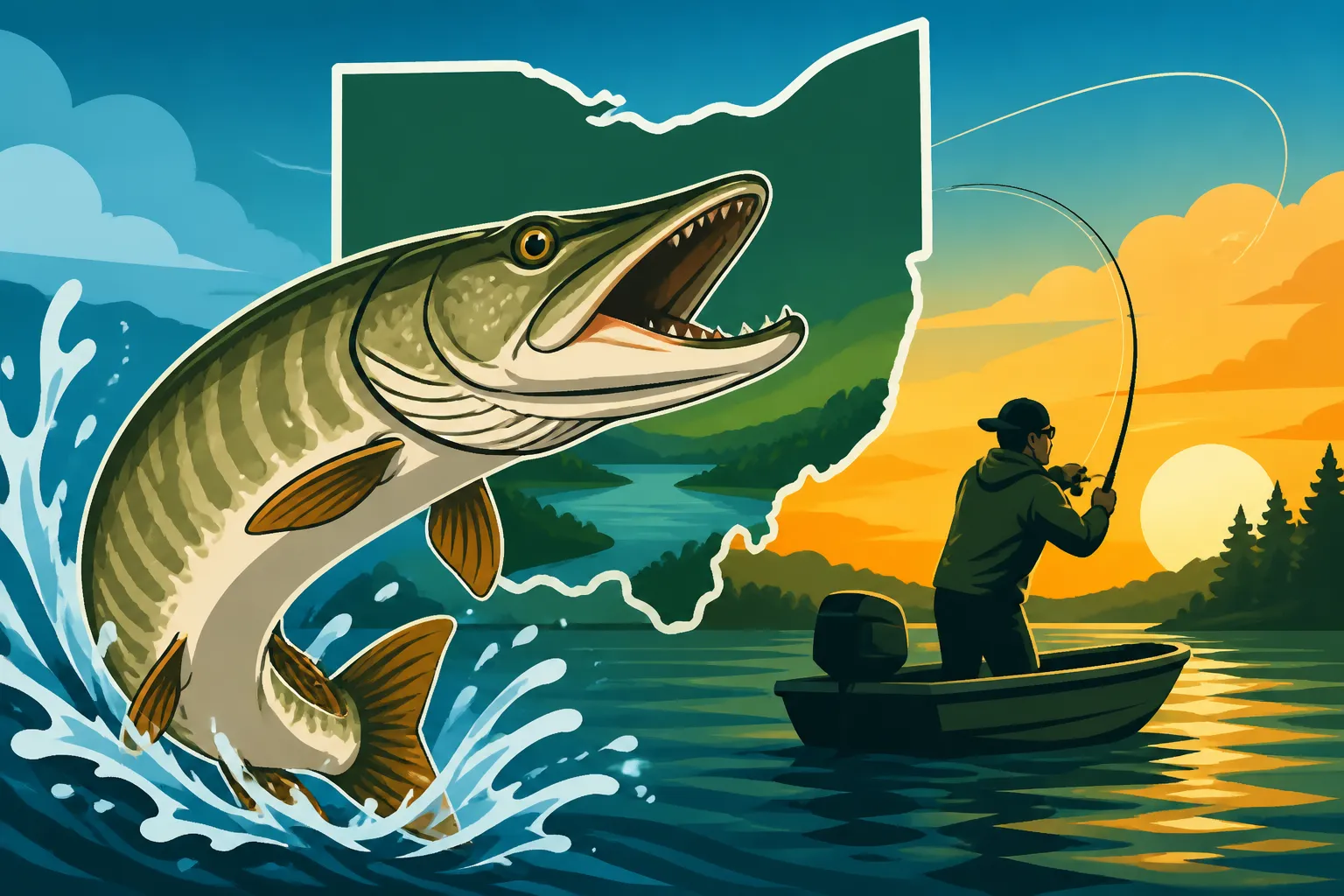
There's something truly special, almost mythical, about chasing muskie in Ohio. It's not just fishing; it's a full-on obsession for many, often earning the moniker "the fish of 10,000 casts." The sheer challenge of hooking one of these apex predators, let alone landing it, can be incredibly frustrating, especially when you're not sure where to even start looking. This comprehensive guide is here to cut through the mystery, detailing the top fishing spots across Ohio where you stand the best chance of encountering these freshwater giants.
Understanding the Elusive Ohio Muskie
Before we dive into specific locations, let's talk a little about what makes the muskie such an enigma. They aren't like bass, schooling up in predictable patterns, or walleye, which can often be found in numbers. Muskie are solitary, territorial, and incredibly wary, making every encounter a hard-won victory.
The Elusive Nature of the 'Fish of 10,000 Casts'
The nickname "fish of 10,000 casts" isn't an exaggeration; it's a badge of honor in the muskie community. These are not fish you accidentally stumble upon. They require immense patience, dedication, and a certain level of stubbornness. Unlike many other species that might bite out of hunger or instinct, muskie often seem to strike out of pure aggression or curiosity. You might spend an entire day casting massive lures, meticulously working cover, only to have a follow-up to the boat or a fleeting glimpse of a shadow. This isn't a failure; it's part of the game.
The thrill comes from knowing that at any moment, that next cast could produce a monstrous strike that rips the rod from your hand. They are apex predators, sitting at the top of the food chain in many Ohio waters, meaning their numbers are naturally lower than other sport fish. Their intelligent nature, combined with their impressive size and fighting ability, transforms muskie fishing into a true hunt, rather than just a casual angling trip. It's a mental game as much as a physical one, demanding constant focus and an unwavering belief that a giant could be lurking in the next weed bed or fallen timber.
Preferred Habitats and Behavior
Ohio's muskie, whether they're purebred muskellunge or the popular hybrid saugeye, have very specific preferences when it comes to their homes. They are ambush predators, meaning they love structure that allows them to hide and then explode onto unsuspecting prey. Think about areas with dense weed beds, submerged timber, rock piles, drop-offs, and points. Any place where baitfish might congregate or where a muskie can lurk undetected is prime territory. They also tend to favor cooler, well-oxygenated water, which influences their movement throughout the seasons.
In the warmer months, you'll often find them tucked into deeper weed lines or around significant underwater structures. As water temperatures cool in the fall, muskie become incredibly active, feeding aggressively to bulk up for winter, often moving shallower to ambush prey. This "fall bite" is legendary among muskie anglers. Even in winter, under the ice, muskie can be targeted, often holding tight to deep structure. Understanding these seasonal movements and habitat preferences is crucial for increasing your odds. They are territorial fish, so if you find one, there's a good chance that spot consistently holds muskie, or at least provides the right conditions for them to thrive.
Ohio Muskie vs Northern Pike Identification
It's easy to confuse muskie with their close cousin, the northern pike, especially since both inhabit some of Ohio's waterways. While both are long, toothy predators, there are distinct differences in their markings, tail fin, and the scale patterns on their heads. Knowing these differences is vital, not just for bragging rights, but because they often have different regulations, especially concerning size and bag limits.
A key identifier is the scale pattern on the cheek and gill cover. Muskie have scales only on the upper half of both their cheek and gill cover, while northern pike have scales fully covering their gill cover and typically the upper half of their cheek. Another common identifier is the coloration and markings. Muskie tend to have dark spots or bars on a lighter background, sometimes almost tiger-like stripes (hence "tiger muskie," a sterile hybrid between muskie and pike). Pike, on the other hand, usually have lighter, bean-shaped spots on a darker background. The tail fin of a muskie is typically more pointed, whereas a pike's is more rounded. Pay close attention to these details, especially if you're fishing in waters known to hold both species, like parts of Lake Erie and some northern Ohio reservoirs. For a detailed breakdown of these differences, check out our guide on Ohio Muskie vs Northern Pike Identification.
Top Inland Lakes for Muskie
Ohio boasts several fantastic inland lakes that are renowned for their muskie populations. These aren't just places where muskie might be; these are places specifically managed and stocked for trophy muskie, offering anglers a real shot at landing a fish of a lifetime.
Leesville Lake: A Muskie Sanctuary
Nestled in Carroll County, Leesville Lake is arguably Ohio's most famous muskie lake, often referred to as a true muskie sanctuary. This lake has a long-standing reputation for producing not just numbers, but some truly massive fish, including the state record muskie that weighed over 55 pounds. The lake's irregular shoreline, abundant standing timber, submerged weed beds, and numerous coves create a perfect habitat for these apex predators. It's a relatively smaller lake compared to some, which means muskie can be more concentrated.
Anglers here often find success by thoroughly working the deep points, creek channels, and the edges of weed lines. The lake's clarity can vary, but generally, it offers good visibility, which can make for exciting follows. Leesville is managed by the Muskingum Watershed Conservancy District (MWCD) and the Ohio Department of Natural Resources (ODNR), which actively stock muskie, ensuring a healthy and thriving population. It's a challenging lake, no doubt, but the rewards can be monumental. Many dedicated muskie anglers make annual pilgrimages to Leesville, understanding that persistence often pays off with a truly memorable fish.
West Branch Reservoir: Known for Giants
Located in Portage County, West Branch Reservoir is another premier muskie destination in Ohio, particularly known for its potential to produce truly giant muskie. While Leesville might be famous for numbers and state records, West Branch consistently kicks out fish in the 40-50 inch range, with some exceeding that. It's a much larger, sprawling reservoir with a diverse underwater landscape, featuring extensive weed flats, deep main lake channels, timber, and rock formations. This variety of structure means muskie can be spread out, requiring anglers to cover a lot of water.
The lake's forage base, including gizzard shad and various panfish, helps muskie grow to impressive sizes. Popular tactics here include trolling large crankbaits and bucktails along depth contours and over deep weed beds, especially during the fall. Casting large jerkbaits and swimbaits into shallower cover is also effective. Anglers often target the larger coves and bays, as well as the main lake points. Patience is key at West Branch, as is a good understanding of seasonal movements. It’s a fantastic lake to test your skills against some of Ohio’s biggest muskie, and many consider it a must-fish for serious muskie enthusiasts.
Piedmont Lake: Southern Ohio's Gem
Moving south into Belmont County, Piedmont Lake offers another excellent muskie fishing experience, often lauded as southern Ohio's best muskie lake. It's a beautiful lake with a rugged, hilly shoreline, deep clear waters, and plenty of standing timber, especially in its upper reaches. Piedmont's relatively deep and clear waters make it a bit different from some of the weedier northern lakes, often requiring different tactics. Muskie here tend to relate more to submerged timber, deep rock structures, and steep drop-offs.
Fall is a prime time at Piedmont, as muskie aggressively feed before winter, often moving into shallower bays and points during low-light conditions. Trolling can be very effective in the main lake basin, targeting defined channels and contours. Casting large spoons, deep-diving crankbaits, and soft plastics around timber is also a productive strategy. Piedmont also holds the state record for channel catfish, so if the muskie aren't cooperating, there are other species to target. The sheer beauty of the lake, combined with the chance at a trophy muskie, makes Piedmont a rewarding destination. You can find more details on Piedmont Lake Muskie Fishing Guide to help plan your trip.
Alum Creek Lake: Central Ohio's Challenge
For those in central Ohio, Alum Creek Lake, located just north of Columbus, offers a formidable challenge for muskie anglers. It's a large, sprawling reservoir with diverse depths, numerous coves, and significant areas of standing timber and rock. While Alum Creek might not have the same "numbers" reputation as Leesville, it certainly has the potential for large fish, and its proximity to a major metropolitan area makes it a popular choice for many anglers.
Muskie at Alum Creek relate heavily to the extensive deep timber and brush piles found throughout the lake, particularly in the northern reaches. The fish here can be found suspended over deep water, or holding tight to structure. Early spring and late fall are often productive seasons, with muskie becoming more active and feeding heavily. Trolling large baits or casting heavy jigs and swimbaits near submerged structure are common approaches. It's a challenging lake to learn, but once you start to decipher its patterns, Alum Creek can yield impressive results for persistent muskie hunters. If you're planning a trip, be sure to check out Alum Creek Lake Muskie Fishing Tips.
Salt Fork Lake: Diverse Muskie Waters
Located in Guernsey County, Salt Fork Lake is another excellent muskie fishery, known for its diverse habitat and solid population of healthy muskie. It's Ohio's largest state park, offering a variety of fishing experiences within its 2,952 acres. The lake features extensive weed beds, standing timber, rock formations, and numerous coves and points, providing ample ambush opportunities for muskie. The average size of muskie caught here is impressive, with plenty of fish in the 36-48 inch range.
Salt Fork's varied structure means anglers can employ a wide array of techniques, from casting bucktails and jerkbaits along weed edges to trolling large crankbaits over deeper flats. The fish are often found relating to the abundance of natural cover. Like many Ohio muskie lakes, the fall bite is particularly strong, but consistent anglers can find success throughout the open water season. Its diverse nature makes it a great lake for both seasoned muskie hunters and those looking to gain more experience in different types of muskie habitat.
Clear Fork Reservoir: Consistent Action
Just south of Mansfield, Clear Fork Reservoir is a consistent producer of muskie, making it a reliable choice for anglers looking for action. It's a relatively clear, deep lake with a good mix of weed beds, rock structures, and some standing timber. Clear Fork is known for having a healthy population of muskie, with a good number of legal-sized fish being caught regularly.
Anglers often focus on the many points and coves that dot the shoreline, as well as the main lake basin where muskie can be found suspended. Trolling is a very popular and effective method here, especially when covering large areas of open water. Casting large spinners, crankbaits, and soft plastics into the weed edges and around submerged structures is also productive. The lake's consistent stocking program and strong forage base contribute to its reputation as a dependable muskie fishery. If you're looking for a good chance at a muskie without necessarily chasing a state record, Clear Fork offers consistent opportunities.
Lake Erie and Its Tributaries: A Surprising Muskie Frontier
While Lake Erie is predominantly known for its world-class walleye and yellow perch fishing, it's also a legitimate, albeit often overlooked, muskie destination, particularly in its nearshore waters and connecting tributaries. These areas offer a different kind of muskie challenge, blending riverine and large-lake characteristics.
Tributaries and Nearshore Zones
Lake Erie's tributaries, particularly those feeding into the Western Basin, offer unique opportunities for muskie anglers. Rivers like the Maumee, Sandusky, and Portage, known for their walleye runs, also hold muskie populations in their lower stretches, especially where they widen and slow down, creating more lake-like conditions or extensive weed beds. These river sections provide an incredible amount of forage and diverse habitats where muskie can thrive.
The nearshore zones of Lake Erie itself, especially around breakwalls, rock reefs, and large embayments with extensive submerged vegetation, can also hold surprising numbers of muskie. These fish often follow baitfish schools moving in and out of the rivers or hugging the coastline. Fishing in these areas often involves casting large jerkbaits, swimbaits, or even trolling heavy bucktails and crankbaits just outside the main shipping channels or along structure-rich shorelines. It's a different approach than inland lake fishing, but the potential for a truly massive Great Lakes muskie is always present. Just remember to be mindful of Lake Erie's often unpredictable weather and water conditions.
Western Basin Hotspots
The Western Basin of Lake Erie is perhaps the most promising area for muskie on the "big lake." This shallower, warmer basin has abundant weed growth in certain areas, particularly around the Lake Erie Islands, Catawba Island, and the numerous marshes and channels that feed into the lake. Areas like East Harbor, West Harbor, and the expansive weed flats near Metzger Marsh and Maumee Bay offer ideal muskie habitat. These zones are rich in baitfish, providing a robust food source for growing trophy muskie.
Anglers targeting these areas often use stout conventional gear, casting large spoons, spinnerbaits, and topwater lures over and around the weed beds. Trolling can also be effective in the slightly deeper channels within these embayments. The key here is to identify areas with healthy, green weeds and access to deeper water nearby. While you might be sharing the water with walleye and perch anglers, don't underestimate the potential for a massive muskie lurking in these fertile waters. You may even find guided trips for these specific areas listed on platforms like FishingBooker, making it easier to navigate the unique waters.
River Systems: Exploring Muskie in Ohio's Larger Rivers
Beyond Lake Erie's tributaries and inland lakes, Ohio's larger river systems also harbor healthy populations of muskie, offering a different, often more challenging, angling experience. River muskie are known for their strong currents and often cover vast stretches of water, requiring a strategic approach.
Ohio River Tributaries
The mighty Ohio River itself, and its larger tributaries, can be surprisingly productive for muskie. While the main stem of the Ohio River is a powerhouse for catfish and sauger, some of its larger feeders, particularly those with dams, slower pools, and significant rocky or woody cover, can hold muskie. Rivers like the Muskingum, Scioto, and Great Miami have areas where muskie thrive. These river systems often present unique challenges, such as strong currents, fluctuating water levels, and extensive snags.
When targeting muskie in these tributaries, focus on slackwater areas downstream of dams, large eddies, deep holes, and stretches with significant downed trees or rock formations. Muskie in rivers tend to relate strongly to current breaks where they can ambush prey without expending too much energy. Casting large crankbaits, swimbaits, and bucktails that can be retrieved through current are effective. Another often overlooked method is fishing from a boat, systematically working shorelines with heavy cover. Knowing the specific river sections that hold muskie is often gained through local knowledge or by hiring an experienced guide, which you can often arrange through services like FishingBooker.
Smaller Inland Rivers and Creek Systems
Don't discount Ohio's smaller inland rivers and larger creek systems when it comes to muskie. Many of these waterways, particularly in the eastern and southern parts of the state, have self-sustaining populations of muskie that might not reach the trophy sizes of reservoir fish but offer exciting angling opportunities. Rivers such as the Mohican, Kokosing, and Licking can surprise anglers with aggressive muskie strikes.
Fishing these smaller systems often involves wading or using kayaks and canoes to access remote stretches. Focus on deeper pools, log jams, undercut banks, and current seams where baitfish might gather. Smaller lures, relative to typical muskie gear, might be more effective in these tighter quarters. The challenge and reward of catching a wild river muskie, sometimes in a remote and untouched setting, is an experience truly unique in Ohio fishing. These fish are often incredibly hard fighters, honed by the river's current, making for an unforgettable battle.
Gear and Techniques for Ohio Muskie Fishing
Chasing muskie isn't just about finding the right spot; it's also about having the right tools and knowing how to use them. Muskie fishing demands specialized gear that can handle these powerful, toothy predators, and techniques refined through countless hours on the water.
Heavy-Duty Rods, Reels, and Line
You wouldn't bring a butter knife to a sword fight, and you shouldn't bring light tackle to a muskie hunt. Muskie require heavy-duty equipment capable of casting large, often heavy lures, withstanding brutal strikes, and controlling powerful fish. A typical muskie rod is 7'6" to 9' in length, with a heavy or extra-heavy power rating and a fast action. This length helps with casting distance and leverage during a fight.
Pair this with a robust baitcasting reel, specifically designed for muskie, with a strong drag system and a high line capacity. Look for reels with a fast retrieve ratio to quickly pick up slack and keep lures moving. For line, braided line is the standard. Most muskie anglers opt for 80-100 pound test braid for its incredible strength, zero stretch (which aids in hooksets), and abrasion resistance. At the business end, a heavy-duty fluorocarbon or steel leader (at least 100-pound test) is absolutely essential to prevent those razor-sharp teeth from cutting your main line. Investing in quality gear is not just about performance; it's about angler safety and ensuring the fish can be landed efficiently for a healthy release. You can find more details on Best Rod and Reel Setup for Ohio Muskie to ensure you're geared up correctly.
Essential Lures and Baits
Muskie lures are a spectacle in themselves – often massive, colorful, and sometimes quite expensive. The type of lure you choose depends on the season, water conditions, and the specific forage in the lake you're fishing. Bucktails are perhaps the most iconic muskie lure, consisting of spinning blades and a skirt of deer hair or synthetic fibers. These are fantastic for covering water and triggering strikes, especially when fish are active. Common sizes range from 8 to 14 inches.
Jerkbaits, both glide baits and dive-and-rise models, are incredibly effective when muskie are holding tight to structure or when a slower, more erratic retrieve is needed. Large crankbaits, especially deep divers, are excellent for trolling or casting over deep weed lines and open water. Soft plastics, particularly large swimbaits, can also be deadly when presented correctly. Topwater lures create explosive strikes, making them exhilarating to fish during low-light conditions or over shallow weed flats. Always carry a variety of lure types and colors to adapt to changing conditions and muskie moods. If you're wondering Best Lure Colors for Muskie in Stained Water, consider darker, more contrasting colors.
Effective Retrieval and Figure-Eight Techniques
Presentation is everything in muskie fishing. Unlike many species where a simple retrieve might suffice, muskie often demand a specific cadence and action from your lure. For bucktails, a fast, steady retrieve is usually best, allowing the blades to spin rapidly and create a lot of flash and vibration. For jerkbaits, a stop-and-go retrieve with sharp rod snaps to make the bait dart and glide is often the ticket. Experiment with different speeds and pauses until you find what triggers a strike.
The "figure-eight" maneuver is an absolutely critical technique, especially when a muskie follows your lure all the way to the boat. Instead of pulling your lure out of the water, smoothly guide it into a large, figure-eight pattern beside the boat, keeping the lure in the water. This erratic, darting motion often triggers a follow-up strike from a hesitant muskie that might have otherwise turned away. It's a high-adrenaline moment that separates successful muskie anglers from those who miss out on close calls. Mastering this technique, along with knowing How to Fish a Bucktail for Muskie and How to Work a Jerkbait for Ohio Muskie, can dramatically increase your hook-up rates.
Timing Your Muskie Hunt: Best Seasons and Conditions
Understanding the seasonal movements and environmental factors that influence muskie behavior is paramount to success. These fish are highly sensitive to changes in water temperature, weather patterns, and even lunar phases.
Peak Seasons for Muskie Activity
While you can technically catch muskie year-round in Ohio, there are distinct peak seasons that offer the best odds. The spring bite, especially after ice-out but before water temperatures get too warm (typically late April to early June), can be fantastic. Muskie are often found shallower, feeding aggressively after a long winter, and they are preparing for or recovering from spawning. Target warmer bays and shallow flats during this time.
However, the undisputed king of muskie seasons in Ohio is the fall. As water temperatures begin to drop from late September through November, muskie enter a hyper-feeding mode, gorging themselves on baitfish to build up fat reserves for the winter. This is when the biggest muskie are often caught, as they move shallower and are incredibly aggressive. This "fall turnover" period is a magical time for muskie anglers. For more on this, check out When Muskie Fishing Peaks in Ohio. Even in winter, dedicated ice anglers can find success, often targeting deeper basin areas or structures.
Weather and Water Temperature Considerations
Muskie are creatures of comfort, and their activity levels are heavily influenced by their environment. Ideal water temperatures for muskie activity generally fall between 55 and 70 degrees Fahrenheit, which aligns perfectly with the spring and fall peaks. In summer, when water temperatures soar, muskie often retreat to deeper, cooler water or become more active during low-light hours.
Weather patterns also play a significant role. Stable weather, especially a few days of consistent conditions, can be excellent. A falling barometer before a cold front or storm can often trigger a feeding frenzy, but the fishing can shut down quickly once the front passes. Overcast days and periods of low light are often preferred, as muskie are ambush predators and use the reduced light to their advantage. Wind can also be a factor; a good "muskie chop" on the water surface can break up light penetration and make fish more aggressive by creating ambush opportunities near structure. Always consult a local weather forecast and water temperature charts before heading out.
Catch and Release Practices for Ohio Muskie
Muskie are a precious resource, and given their slow growth rates and the immense effort required to catch them, responsible catch and release practices are non-negotiable. Ensuring the survival of every muskie caught is vital for the health of Ohio's muskie fisheries.
Proper Handling for Muskie Survival
When you finally land that muskie of a lifetime, the excitement can be overwhelming, but it's crucial to prioritize the fish's well-being. The goal is to minimize its time out of the water. Avoid holding muskie vertically by the gill plates or jaw, as this can severely damage their internal organs and spine, especially for larger fish. Instead, support the fish horizontally with one hand under the belly and the other gripping the lower jaw. If possible, keep the fish in the water while unhooking and taking photos.
Do not allow the fish to flop around on the boat deck or ground. If a photo is desired, prepare your camera beforehand, quickly lift the fish, snap a few shots, and immediately return it to the water. The entire process from net to release should ideally take less than 60 seconds. Handle the fish gently, avoiding excessive squeezing or rubbing off its protective slime coat. Your actions directly impact its chances of survival, contributing to future angling opportunities.
Essential Tools for Release
Being prepared with the right tools makes a huge difference in facilitating a quick and safe release. First and foremost, a large, rubber-coated landing net is essential. The rubber coating protects the fish's slime coat and fins, and the large size ensures the entire fish can be safely cradled. Traditional nylon nets can abrade the fish and get hooks tangled.
Next, you need long-nose pliers (at least 12 inches) and jaw spreaders. The pliers are for removing hooks quickly, especially if they're deep-set. Jaw spreaders are invaluable for safely opening the muskie's mouth to access hooks without putting your fingers in harm's way – those teeth are no joke! A bolt cutter or side cutter is also highly recommended. If a hook is deeply embedded or difficult to remove, cutting the hook will cause less stress to the fish than tearing at its mouth. Once the hook is cut, the barb can often be pulled through with minimal damage. Carrying these tools, along with knowing How to Revive a Muskie Before Release and Best Landing Net for Ohio Muskie Fishing, shows respect for the fish and the sport.
Finding a Muskie Guide: When to Consider Professional Help
Muskie fishing has a steep learning curve, and sometimes, the best way to accelerate that learning and increase your chances of success is by enlisting the help of a professional guide.
Benefits of a Guided Muskie Trip
Hiring an experienced Ohio muskie guide can be an absolute game-changer, especially if you're new to the sport or fishing a particular lake for the first time. Guides bring years, often decades, of experience on specific bodies of water. They know the subtle nuances of each lake, the seasonal patterns, the best baits, and the most productive spots—knowledge that can take years to acquire on your own. A guide has the right boat, the specialized gear, and an arsenal of proven lures, saving you significant upfront investment.
Beyond just finding fish, a guide can teach you proper casting techniques for large lures, effective retrieve methods, and most importantly, how to safely handle and release these powerful fish. They can turn a potentially frustrating day into a valuable learning experience, greatly increasing your chances of success and enjoyment. For those who travel to fish, or who simply have limited time on the water, a guided trip ensures your precious angling hours are spent efficiently and productively. It's an investment in your muskie education and a shortcut to understanding these challenging fish. To explore options, check out Ohio Muskie Guide Services available in the state.
Choosing the Right Ohio Muskie Guide Service
Selecting the right muskie guide is crucial for a successful and enjoyable trip. Start by researching guides who specialize in the specific Ohio lake or river you're interested in fishing. Look for guides with proven track records, positive testimonials, and clear communication. A good guide will be licensed and insured, prioritizing safety above all else. Platforms like FishingBooker are excellent resources for finding reputable guides, as they often include reviews, photos, and detailed information about the captain's experience and what's included in the trip.
Don't hesitate to contact potential guides directly. Ask about their experience, their typical approach (e.g., casting vs. trolling), their philosophy on catch and release, and what you should expect to bring. A good guide will be happy to answer your questions and set clear expectations. Consider their personality too; you'll be spending a full day in the boat with them, so a compatible personality can make the experience even better. Ultimately, choosing a guide who aligns with your fishing goals and style will ensure a memorable and educational muskie adventure. You can find more information on Best Lakes for a Guided Ohio Muskie Trip which often pairs well with finding guides experienced on those specific waters.
Disclaimer
The information provided in this guide is for general informational purposes only and should not be considered legal advice. Fishing regulations, license requirements, and seasonal restrictions in Ohio are subject to change. Always consult the most current regulations published by the Ohio Department of Natural Resources (ODNR) before planning any fishing trip. Adherence to all local, state, and federal laws is the responsibility of the angler.