Ohio Fishing Season Calendar
It can feel overwhelming to keep track of when the best fishing is for your favorite species across Ohio's incredibly diverse waters, from the vast expanse of Lake Erie to countless inland lakes and winding rivers. With ever-changing conditions and varying regulations, understanding the rhythms of fish activity throughout the year is crucial for a successful outing. This comprehensive guide is designed to cut through the confusion, offering you a clear, month-by-month breakdown of Ohio's fishing seasons so you can plan your trips with confidence and maximize your catches.
Understanding Ohio's Fishing Seasons: Why It Matters
Ohio boasts an incredible variety of fish species and fishing environments, making it a true angler's paradise. However, this diversity also means that there's no single "best time" to fish for everything. What's perfect for walleye on Lake Erie might be entirely wrong for steelhead in a tributary or crappie in a quiet inland pond. Understanding the seasonal calendar isn't just about knowing when fish are legally in season; it's about predicting their behavior, their feeding patterns, and where they're likely to be found. It's the secret sauce to turning a slow day into a memorable one.
The Dynamic Nature of Ohio's Waters
Ohio's geography plays a huge role in its fishing calendar. You've got the immense, often temperamental Lake Erie, which acts like an inland sea, completely different from the serene depths of inland reservoirs like Alum Creek or the rapid currents of steelhead streams like the Rocky River. Each body of water has its own microclimate, its own forage base, and its own population dynamics. Fish in smaller, shallower lakes will react to temperature changes much faster than those in deep, sprawling reservoirs or the mighty Lake Erie. For instance, the shallow western basin of Lake Erie warms up quicker in spring, triggering an earlier walleye bite than in the deeper central basin. This constant flux means that a good angler is always a student of the calendar, observing and adapting to these natural cycles.
Why a Calendar is Your Best Friend
Think of an Ohio fishing season calendar not just as a schedule, but as a strategic planning tool. It helps you mentally prepare for what you'll encounter, what gear you'll need, and what techniques will be most effective. Without it, you might be casting for bass in deep summer when they're lethargic, missing out on the explosive topwater action of spring. Or you could be chasing steelhead in late summer when they're still out in Lake Erie, instead of waiting for their thrilling fall runs. A solid grasp of the yearly cycle also helps you navigate the sometimes complex regulatory framework. For example, knowing the nuances of the Ohio fishing season dates and effective periods can prevent you from inadvertently running afoul of length or bag limits that might change throughout the year for certain species or bodies of water. Having a clear calendar empowers you to make informed decisions, ensuring you're always fishing smart, not just hard.
Spring Fishing: Awakening the Waters
As the ice retreats and the days grow longer, Ohio's waters begin to shake off their winter slumber, signaling the start of one of the most exciting fishing seasons of the year: spring. This period is characterized by rapid changes, from icy meltwater to warming shallows, and it brings with it a flurry of activity as fish shake off their winter lethargy and prepare for the spawn.
Early Spring Opportunities and Challenges
The very first hints of spring, usually in March, can be a mixed bag. Water temperatures are still quite cold, often in the low 40s to low 50s. This means fish metabolism is still slow, and they might not be as aggressively feeding as they will be later. However, these cold temperatures also concentrate certain species. For example, the early steelhead runs in Lake Erie's tributaries are in full swing, offering anglers a fantastic opportunity to target these powerful fish as they push upstream. Similarly, early spring can be excellent for pre-spawn crappie and perch, which start to stage in slightly deeper water adjacent to their eventual spawning grounds. The challenge lies in unpredictable weather – late snowfalls, sudden cold snaps, and muddy river conditions can make fishing tough. You need to be patient, fish slow, and often use smaller, subtler presentations. Checking the latest weather patterns for Ohio fishing is crucial during this time.
Late Spring Spawning Frenzies
By late April and May, water temperatures are typically rising into the 50s and 60s, triggering the spawning cycles for many of Ohio's most popular game fish. This is when the action really heats up!
Walleye, especially on Lake Erie and in its tributaries like the Maumee River and Sandusky River, will have finished their spawning runs and begin to spread out, often staging in shallower, warmer waters to feed aggressively. This post-spawn period can offer some of the best walleye fishing of the year. You can learn more about the best time of year to fish Lake Erie for walleye to plan your trip.
Largemouth and smallmouth bass move into the shallows to build nests and guard their eggs, making them highly visible and often vulnerable to well-placed lures. This is a fantastic time for sight fishing and targeting aggressive, territorial fish. Crappie also move into very shallow cover, like brush piles, docks, and lily pads, becoming extremely accessible to bank anglers and boaters alike. This is also when bluegill and other panfish start to gather, making for excellent family fishing outings. The key here is to respect the spawn; practice catch-and-release for bass, especially during their nesting period, to protect future populations.
Target Species and Prime Months
Here's a quick look at the prime species and months for spring fishing:
- March: Focus on steelhead in tributaries. Sauger in the Ohio River. Crappie and yellow perch can be found staging in deeper waters of inland lakes. Early walleye runs in major rivers.
- April: Walleye fishing heats up post-spawn on Lake Erie and inland reservoirs. Steelhead still active. Pre-spawn crappie and yellow perch are abundant. Early bass activity.
- May: Peak for bass (largemouth and smallmouth) as they spawn. Crappie fishing remains excellent. Perch on Lake Erie become more active. Inland walleye and saugeye fishing is strong. Catfish start to become more active as waters warm.
A lot of anglers find that spring offers some of the most diverse fishing opportunities. You can often target multiple species in one Ohio trip by adapting your approach to different waters and stages of the spawn. Whether you're casting spoons for steelhead or flipping jigs for shallow bass, spring is a time of renewed excitement on Ohio's waters.
Summer Fishing: Long Days and Warm Waters
As spring transitions into the long, hot days of summer, Ohio's fishing scene takes on a different character. The intense heat and often stable weather patterns mean fish behavior shifts, requiring anglers to adjust their strategies. While some species might become more challenging, summer offers unique opportunities for others, especially those that thrive in warmer temperatures.
Mid-Summer Patterns and Deepwater Tactics
Once July and August roll around, water temperatures across much of Ohio can climb significantly. In many inland lakes and reservoirs, surface temperatures can easily reach the 70s and even low 80s. This is when many cold-water species, like walleye and trout, will retreat to deeper, cooler waters where oxygen levels are often more stable. This means anglers need to shift from shallow-water tactics to deepwater presentations.
For Lake Erie walleye, this is prime trolling season. Anglers use planer boards to spread out their lines and cover vast expanses of water, targeting suspended schools of walleye with crankbaits and crawler harnesses. These fish might be found anywhere from 20 to 50 feet deep, depending on the thermocline and baitfish location. For inland reservoirs, focusing on deep points, ledges, humps, and submerged timber becomes crucial. You'll often find crappie holding to deeper brush piles, and bass might relate to offshore structure. This is where modern electronics really shine, helping you read Ohio fish finders and electronics to pinpoint these deeper schools. Sometimes, investing in quality gear, even on platforms like Amazon, for deep-water presentations can make a huge difference.
Evening and Night Fishing Exploits
The mid-day summer sun can be brutal, making fishing uncomfortable for anglers and lethargic for many fish. This is why summer often becomes the season of evening and night fishing. As the sun dips below the horizon, surface temperatures begin to cool, and many predatory fish move shallower to feed under the cover of darkness.
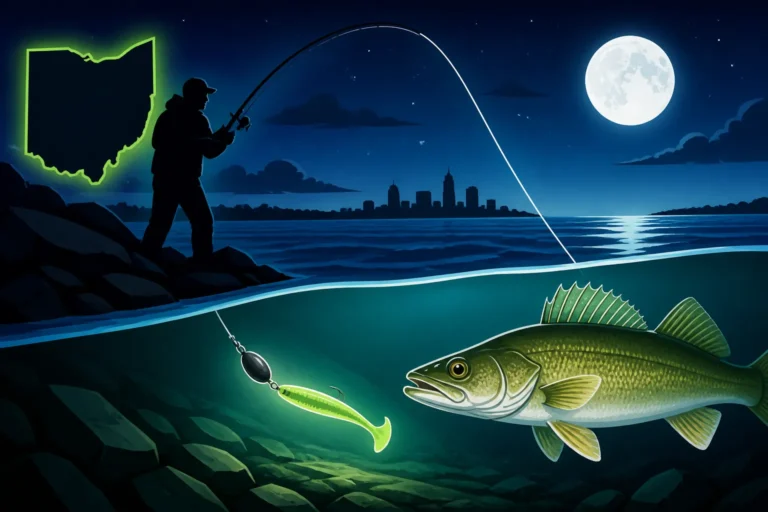
Channel catfish are notorious night feeders, often moving into shallower flats, channels, and creek mouths to forage. Using stink baits, cut bait, or even live bait under a lighted bobber can produce fantastic results. Learn about the best techniques for catching channel catfish at night. Largemouth bass, too, will often abandon their deep-water haunts and prowl the shallower edges, docks, and weed lines, making for exciting topwater action in the dim light. Even walleye in some inland lakes can be caught closer to shore after dark, especially near lighted areas or points where baitfish congregate. This shift to night fishing not only offers a cooler, more comfortable experience but can also unlock entirely new patterns and trophy opportunities.
Species Thriving in Summer Heat
While some fish slow down, others absolutely flourish in the summer heat:
- June: Walleye fishing on Lake Erie is in full swing, often a prime month for trolling. Largemouth and smallmouth bass are post-spawn and actively feeding, often moving to deeper cover as the month progresses. Catfish are very active. Crappie begin to move to deeper structure.
- July: Excellent month for Lake Erie walleye, with many charters operating daily. Catfish action is red hot, especially at night. Panfish like bluegill are abundant and accessible. Bass can be found on deep structure or feeding shallow during low light.
- August: Continues to be strong for Lake Erie walleye, though they might be deeper. Catfish remain a top target. Bass fishing often requires adapting to deepwater tactics or focusing on early morning/late evening bites. White bass can offer fast action on Lake Erie and some inland rivers.
Summer fishing in Ohio is about embracing the warmth and adjusting your timing and tactics. It's a fantastic time for long days on the water, whether you're chasing trophy walleye offshore or enjoying a peaceful night of catfishing from the bank.
Fall Fishing: The Transition and Feeding Frenzy
Autumn in Ohio isn't just about vibrant foliage; it's a phenomenal time to be on the water. As water temperatures begin to drop from their summer highs, fish sense the approaching winter and engage in a vigorous feeding frenzy to pack on calories. This transitional period often brings some of the most aggressive bites and diverse opportunities of the year.
Early Fall Migration and Aggressive Bites
As September rolls around, cooler nights start to bring down water temperatures, especially in shallower areas. This signals the start of significant fish migrations and a noticeable increase in feeding activity. Baitfish, which have been abundant all summer, begin to group up, and predatory fish follow suit.
On Lake Erie, walleye fishing remains strong, but their location might shift from deep, open water to more defined structures or areas where baitfish are concentrated. Trolling is still effective, but jigging can also come into its own, especially over reefs and humps. Inland, largemouth and smallmouth bass become much more aggressive, moving out of their deep summer haunts and often pushing baitfish into the backs of creeks or onto shallow flats. This is a fantastic time for power fishing techniques, throwing crankbaits, spinnerbaits, and topwater lures. The cooling water reinvigorates them, making them eager to strike. For those targeting salmonids, the early fall marks the beginning of the annual steelhead runs in Lake Erie tributaries, with fresh fish entering the rivers as water levels and temperatures become favorable. You can find more details on when Ohio steelhead runs start to plan your tributary trips.
Late Fall Preparation for Winter
By October and November, the days shorten significantly, and water temperatures can plummet quickly, often into the 40s. This is the last major push for many fish before winter truly sets in. Species like muskie become incredibly active, as they know time is running out to feed. This is often considered prime time for trophy muskie, requiring dedication and large baits, but the rewards can be immense.
Bass, particularly smallmouth, will seek out deep structure near drops-offs and wintering holes, but they will still feed aggressively when conditions are right. They become highly predictable, often grouping up in specific locations, making them easier to target once found. Crappie and yellow perch will also congregate in large schools over deep structure or channel bends, offering fast action for anglers willing to locate them. This is a time when understanding the behavior of baitfish becomes paramount, as game fish will be relentlessly pursuing them.
Top Species to Target in Autumn
Here’s a breakdown of the best species for fall fishing:
- September: Excellent for walleye on Lake Erie, often transitioning from deep to shallower structures. Bass fishing is red hot, with aggressive feeding. Early steelhead begin entering tributaries. Muskie activity picks up.
- October: Peak for steelhead fishing in Lake Erie tributaries. Muskie fishing is often at its best. Walleye remain active, especially in inland reservoirs. Crappie and perch school up on deep structure.
- November: Late fall steelhead fishing continues, often with larger fish entering rivers. Muskie fishing remains strong until ice up. Walleye, crappie, and perch can be caught deep. Focus shifts to cold-water tolerant species.
The fall shoulder season demands adaptability, as weather can change quickly from warm sunny days to cold, blustery conditions. However, the reward for persistence is often some of the most productive and exciting fishing of the entire year, a true feeding frenzy before winter's chill.
Winter Fishing: Ice and Open Water Opportunities
When winter blankets Ohio in snow and ice, many anglers hang up their rods, but for those who embrace the cold, a unique and rewarding fishing season unfolds. Whether you're drilling holes through solid ice or finding open water on milder days, winter offers distinct opportunities for hardy anglers.
Ice Fishing Adventures and Safety
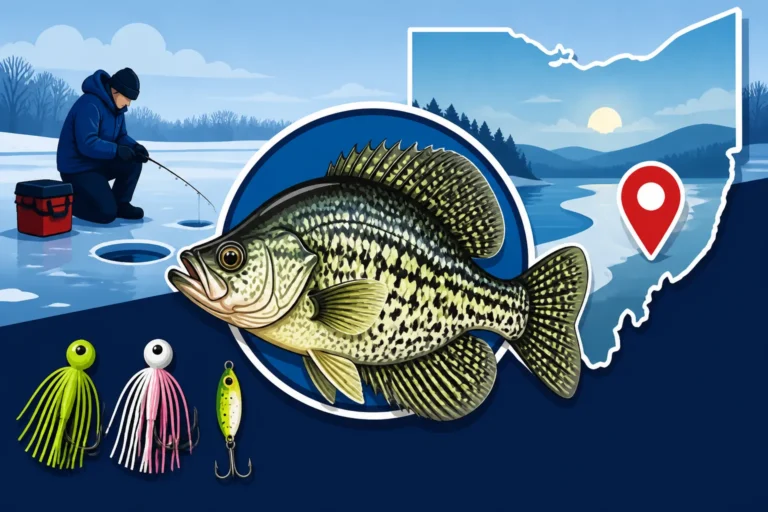
For many, winter fishing means ice fishing, an activity that transforms popular summer fishing spots into a social hub of shanties and tip-ups. When the ice is safe – generally four inches or more of clear, solid ice – lakes like Mosquito Creek Lake, Indian Lake, and many smaller ponds become bustling fishing villages. Walleye, crappie, bluegill, and perch are common targets. Anglers use specialized short rods, jigs, and tip-ups to entice bites. The key to success often lies in finding schools of fish under the ice, which might be suspended or relating to bottom structure. Understanding light penetration and oxygen levels under the ice is also crucial.
Safety, however, is paramount. Never venture onto ice that isn't completely safe, and always tell someone where you're going and when you expect to return. Always carry safety equipment like ice picks and a rope. You can learn more by checking out a comprehensive Ohio ice fishing guide to prepare yourself. This type of fishing offers a serene, almost meditative experience, punctuated by the thrill of a flag popping up or a reel screaming under the ice.
Rivers and Open Water Fishing in Cold
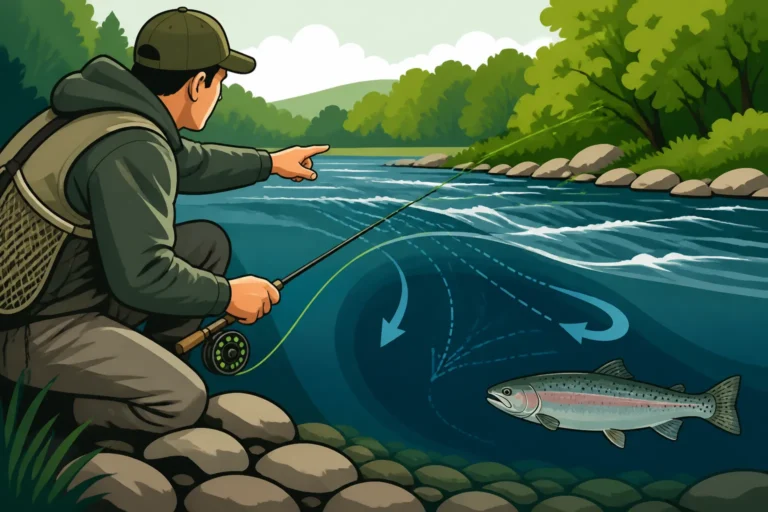
Even during the coldest months, not all of Ohio's waters freeze solid. The larger rivers, especially the Ohio River, and the open waters of Lake Erie often remain ice-free, providing year-round opportunities. Lake Erie's steelhead tributaries continue to offer excellent fishing through much of the winter, with fresh pushes of fish coming in during thaws or after rain events. Anglers brave the cold to swing flies or drift baits for these powerful lake-run rainbow trout.
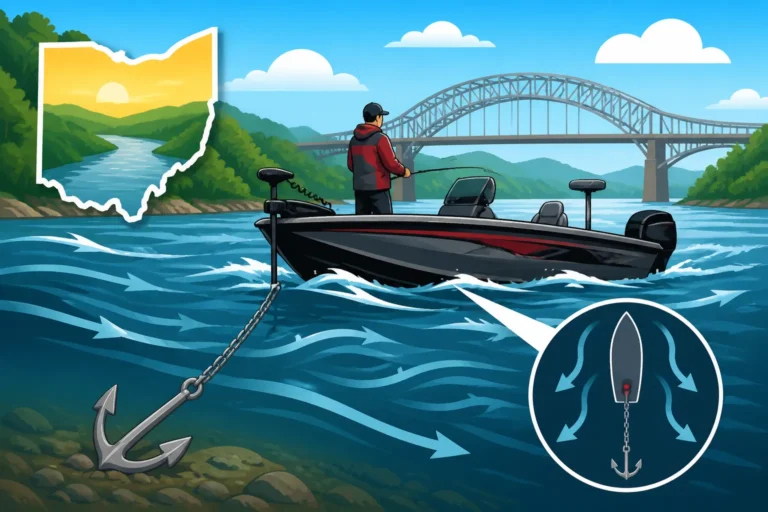
On the Ohio River, cold-tolerant species like sauger and catfish remain active. Sauger often congregate in deeper holes and eddies, making for excellent jigging opportunities. Even during bitter cold snaps, if you can find open water, you can often find willing biters, as fish still need to feed. The key here is proper layering, heated gear (like gloves or boot warmers), and having a warm beverage on hand.
Hardy Species That Bite in Winter
Certain species truly shine in the winter months:
- December: Early ice fishing begins on smaller, shallower lakes. Steelhead fishing continues strong in Lake Erie tributaries. Sauger become a prime target in the Ohio River.
- January: Peak ice fishing for walleye, crappie, bluegill, and perch on safely frozen lakes. Steelhead fishing in tributaries remains good, especially during thaws.
- February: Continues to offer excellent ice fishing. Steelhead are often at their largest in tributaries before returning to Lake Erie. Pre-spawn activity for some species can begin towards the end of the month as days lengthen.
Winter fishing in Ohio is not for the faint of heart, but for those who embrace the challenge, it provides a unique brand of solitude and the chance to catch some truly impressive fish when others have packed it in. Just remember to prioritize safety above all else.
Key Species-Specific Season Breakdowns
While the general seasonal overview is helpful, serious anglers often focus on specific species. Understanding the detailed calendar for your target fish is critical for maximizing success. Ohio's diverse fisheries mean different peaks and techniques for different species.
Walleye: Lake Erie and Inland Waters
Ohio's walleye fishing is legendary, especially on Lake Erie, often called the "Walleye Capital of the World." The season effectively runs year-round, but peak activity varies dramatically.
- Spring (March-May): The early spring sees the famous Maumee River Walleye Run Fishing and similar runs in other tributaries like the Sandusky River, where millions of walleye gather to spawn. This is primarily a shore and wading fishery. After the spawn (late April-May), these fish disperse into Lake Erie's western basin, initiating an aggressive post-spawn bite, often found shallower before moving deeper. Inland reservoirs like Mosquito Creek Lake and Alum Creek Lake also experience strong pre- and post-spawn bites in spring.
- Summer (June-August): This is prime time for open-water walleye on Lake Erie. The fish spread out across the western and central basins, often suspended or relating to deep structure. Trolling with crankbaits and crawler harnesses dominates the scene. Charter boats are in full swing, offering fantastic opportunities. Inland, walleye will move to deeper thermoclines, requiring deep jigging or trolling.
- Fall (September-November): Lake Erie walleye begin to move back towards shallower depths as water cools, often staging near reefs and islands, offering excellent casting and jigging opportunities. This is also a fantastic time for larger inland walleye to become very active, feeding aggressively before winter.
- Winter (December-February): Ice fishing for walleye is popular on Lake Erie's western basin and many inland lakes when safe ice forms. Open water trolling on Lake Erie continues when conditions allow.
For more in-depth information, check out our comprehensive Ohio Walleye Fishing Guide.
Steelhead: Tributary Runs and Lake Opportunities
Steelhead, the lake-run rainbow trout, provide an adrenaline-pumping fishery in Ohio's Lake Erie tributaries.
- Fall (October-December): This marks the primary fall run. As cooler temperatures and rain events raise river levels, steelhead begin their migration from Lake Erie into tributaries like the Rocky River, Chagrin River, Grand River, and Vermilion River. They are often aggressive and fresh from the lake.
- Winter (January-March): Steelhead continue to hold over in the rivers through the winter, often congregating in deeper pools and slower runs. Thaws and slight rises in water levels can trigger new pushes of fish and renewed feeding activity.
- Spring (March-May): This is the peak spawning run, often seeing the largest fish of the season enter the rivers. After spawning, "drop-back" steelhead head back to Lake Erie, offering some of the most aggressive bites of the entire season. By late May, most have returned to the lake.
- Summer (June-September): While primarily a tributary fishery, steelhead are present in Lake Erie during the summer. They are often caught incidentally by walleye and perch anglers trolling in deeper, cooler water.
Anglers can dive deeper into this exciting fishery with our Ohio Steelhead Trout Fishing Guide.
Bass and Panfish: When and Where to Find Them
Largemouth bass, smallmouth bass, crappie, bluegill, and other panfish are mainstays for Ohio anglers, offering action across diverse habitats.
- Spring (April-June): This is prime time! Bass move shallow for their pre-spawn and spawn. Largemouth often relate to weeds and woody cover in shallow bays, while smallmouth prefer rocky areas. Crappie and bluegill invade shallow bays, brush piles, and docks for their spawn, offering fantastic action for bank anglers and boaters.
- Summer (July-August): Bass often move deeper to escape the heat, relating to submerged structure, weed edges, and thermoclines. Early morning and late evening topwater bites can be good. Crappie and bluegill also retreat to deeper brush piles, bridge pilings, and sunken timber.
- Fall (September-November): Bass experience a strong fall feeding frenzy, moving shallower again to chase baitfish. They become very aggressive. Crappie and bluegill school up over deep structure, offering consistent action as they prepare for winter.
- Winter (December-March): Bass are generally slow, holding deep, though they can be caught through the ice or with slow, deep presentations in open water. Crappie and bluegill are popular ice fishing targets, schooling tightly over deep humps and structure.
Catfish and Muskie: Their Peak Activity Windows
Catfish and muskie offer unique and exciting challenges, each with their distinct seasonal peaks.
- Catfish (Channel, Flathead, Blue):
- Spring (April-May): As waters warm, catfish become very active, feeding heavily in preparation for their spawn. They are often found in river bends, log jams, and warmer shallow flats.
- Summer (June-August): This is peak catfishing season, especially at night. They are highly active and aggressive. The Ohio River is famous for its trophy flatheads and blue catfish.
- Fall (September-October): Catfish continue to feed actively as they fatten up for winter, often moving into deeper holes.
- Winter (November-March): While slower, catfish can be caught in deep holes in rivers and lakes, even through the ice.
- Muskie: Ohio has some fantastic muskie fisheries in lakes like Piedmont, Leesville, West Branch, and Alum Creek.
- Spring (May-June): Muskie spawn in spring, often in weedy bays. Post-spawn, they become active, but often still lethargic from the spawn.
- Summer (July-August): Muskie fishing can be tough in the heat, requiring fast retrieves, large baits, and patience. They often relate to deep weed edges or open water structure.
- Fall (September-November): This is unequivocally prime muskie season. As waters cool, muskie go on a massive feeding binge, making them much more aggressive and willing to chase large baits. Many trophy muskie are caught during this period.
- Winter (December-March): Muskie are still present under the ice or in cold open water, but they are extremely slow and challenging to catch.
No matter your target, knowing the seasonal behavior patterns for these species, combined with a good understanding of Ohio Statewide Bag and Size Limits, will significantly improve your chances of success.
Navigating Regulation Changes and Resources
Understanding the fishing calendar isn't just about fish behavior; it's also about staying compliant with Ohio's fishing regulations. These rules are put in place to manage fish populations and ensure sustainable fishing for generations to come, but they do change, sometimes annually.
Annual Updates and How to Stay Informed
The Ohio Department of Natural Resources (ODNR) Division of Wildlife is the primary authority for setting and enforcing fishing regulations in Ohio. They regularly review scientific data, angler feedback, and conservation needs to adjust rules such as bag limits, size limits, and season dates. These changes are usually announced in late winter or early spring, typically taking effect on March 1st, which marks the start of Ohio's new fishing regulation year. For instance, Lake Erie Walleye Bag Limits or Lake Erie Yellow Perch Zone Limits might be adjusted based on population assessments.
It's your responsibility as an angler to stay informed. Relying on outdated information can lead to unintentional violations, which can result in fines or loss of fishing privileges. I always recommend checking the ODNR website directly each year. You can usually find a downloadable PDF of the current regulations, or even pick up a physical copy at most bait shops or sporting goods stores. Never assume the rules are the same as last year – a quick check can save you a lot of headache.
Essential Resources for Anglers
Beyond the ODNR website, there are several invaluable resources to help you stay on top of the fishing calendar and regulations:
- ODNR Fishing Regulations Booklet/Website: This is your bible. It contains all current rules, including general statewide regulations and special regulations for specific lakes or rivers. It will detail everything from bag limits to legal methods of take.
- Local Bait and Tackle Shops: These places are goldmines of local, up-to-the-minute information. The folks working there are often avid anglers themselves and know exactly what's biting, where, and under what rules. They can also point you to local hotspots and offer advice tailored to current conditions.
- Online Forums and Social Media Groups: Many Ohio fishing communities exist online where anglers share tips, ask questions, and discuss current conditions. Just be sure to cross-reference any regulatory information you find with official ODNR sources, as rumors or misunderstandings can spread quickly.
- Weather and Water Condition Apps: Tools like NOAA weather apps, river gauge websites (like USGS for stream flows), and marine forecasts for Lake Erie are critical for planning safe and successful trips. Knowing the water temperature, clarity, and flow can tell you a lot about fish behavior and which techniques might work best. For instance, knowing the current water flow for steelhead fishing on the Rocky River is crucial for safety and success.
- Fishing Reports: Many charter captains, bait shops, and online platforms provide regular fishing reports, giving you insight into what's being caught and how. While not regulatory, these reports can help you pinpoint peak times for certain species.
Being a responsible angler means not only enjoying the sport but also understanding and respecting the rules that protect our shared fisheries. A little homework goes a long way in ensuring your time on the water is both enjoyable and compliant. And of course, securing your Ohio Fishing License Guide for Residents and Nonresidents is step one before you even cast a line.
Planning Your Ohio Fishing Adventures Year-Round
Armed with a better understanding of Ohio's fishing calendar, you can now approach your angling adventures with a more strategic mindset. From the first thaws of spring to the depths of winter ice, there's always an opportunity to wet a line and make lasting memories.
Maximizing Your Time on the Water
The key to year-round success in Ohio is variety and adaptability. Don't be a one-species angler if you want to fish consistently. If walleye aren't biting in August, maybe it's time to target catfish at night or chase panfish in a local pond. If the rivers are blown out for steelhead, perhaps try ice fishing on a calm lake.
Think about your local resources. Are you near Lake Erie, a large inland reservoir, or a small stream? Each offers different opportunities at different times. Planning ahead, even just a week or two, by checking forecasts, water conditions, and recent fishing reports, can make a huge difference. Don't be afraid to travel a bit, either. Ohio's diverse regions often offer excellent fishing for different species simultaneously. For example, while the Maumee River might be bustling with walleye in spring, southern Ohio might be seeing excellent bass action.
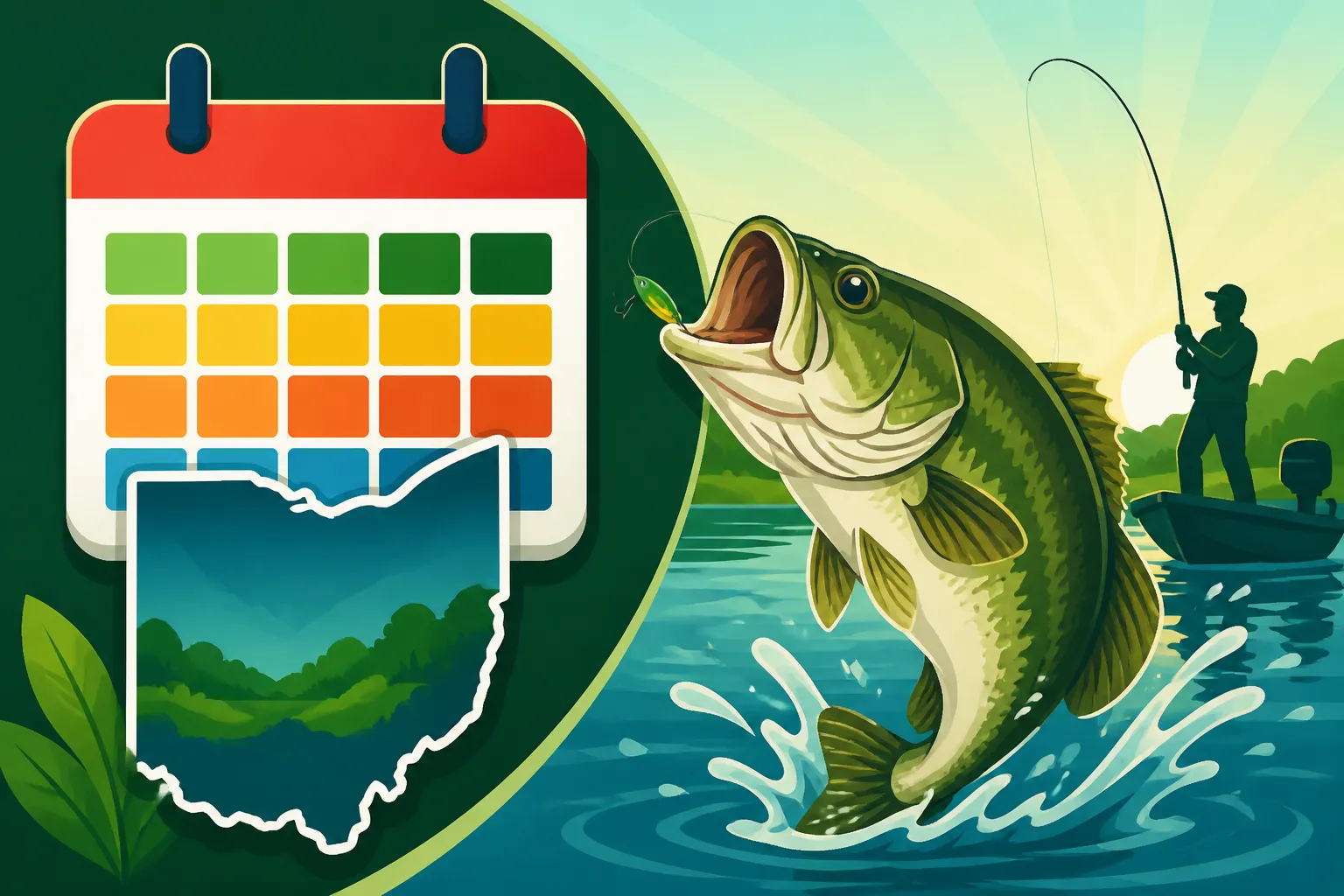
Here's a generalized table to help visualize peak opportunities throughout the year:
| Species / Month | January | February | March | April | May | June | July | August | September | October | November | December |
|---|---|---|---|---|---|---|---|---|---|---|---|---|
| Walleye (L. Erie) | Fair (Ice) | Fair (Ice) | Good | Excl. | Excl. | Excl. | Excl. | Excl. | Excl. | Good | Good | Fair |
| Walleye (Inland) | Good (Ice) | Good (Ice) | Good | Excl. | Excl. | Good | Good | Good | Good | Excl. | Good | Good (Ice) |
| Steelhead (Rivers) | Excl. | Excl. | Excl. | Excl. | Good | Fair | Fair | Fair | Good | Excl. | Excl. | Excl. |
| Largemouth Bass | Fair | Fair | Good | Excl. | Excl. | Excl. | Good | Good | Excl. | Excl. | Good | Fair |
| Smallmouth Bass | Fair | Fair | Good | Excl. | Excl. | Excl. | Good | Good | Excl. | Excl. | Good | Fair |
| Crappie | Good (Ice) | Good (Ice) | Excl. | Excl. | Excl. | Good | Good | Good | Excl. | Excl. | Good | Good (Ice) |
| Yellow Perch | Good (Ice) | Good (Ice) | Good | Excl. | Excl. | Excl. | Excl. | Excl. | Excl. | Excl. | Excl. | Good (Ice) |
| Catfish | Fair | Fair | Good | Good | Excl. | Excl. | Excl. | Excl. | Excl. | Good | Good | Fair |
| Muskie | Fair | Fair | Fair | Fair | Good | Good | Good | Good | Excl. | Excl. | Excl. | Good |
Excl. = Excellent, Good = Good, Fair = Fair
Gear Considerations for Each Season
Just as fish behavior changes with the seasons, so too should your tackle. While you don't need a whole new arsenal for every month, some adjustments are essential. A general guide to Best Ohio Fishing Gear and Tackle Guide is always a good read, but here are some seasonal specific thoughts:
- Spring: You'll want a versatile setup for finesse techniques (jigs, soft plastics) for cold-water fish and heavier gear for powerful steelhead. Consider lighter lines for finicky crappie, but be ready for stronger leaders for aggressive bass. Don't forget waders for river fishing.
- Summer: Trolling gear for Lake Erie walleye (downriggers, planer boards, specific rods for different presentations) becomes paramount. For bass, you'll want a mix of heavy-duty gear for flipping and pitching into dense cover, and lighter setups for topwater. Catfishing calls for sturdy rods and heavy lines. Sun protection is key – hats, long sleeves, and plenty of sunscreen. You might even find good deals on summer fishing essentials on Amazon.
- Fall: This is a great time for power fishing for bass, so a variety of crankbaits, spinnerbaits, and jerkbaits are a must. For steelhead, switch to lighter, longer rods for drifting and float fishing. Muskie fishing requires specialized, heavy-duty rods, reels, and large, expensive baits. Layered clothing is critical as temperatures fluctuate wildly.
- Winter: Ice fishing demands specific gear: ice augers, short ice rods, tip-ups, and a reliable sonar flasher. For open-water river fishing, insulated waders, warm boots, and layering are non-negotiable. Headlamps are useful for early mornings or late evenings. Always bring a thermos of a warm drink!
By understanding the calendar and adapting your approach, you can truly embrace Ohio as a year-round fishing destination. Every month offers a unique challenge and a chance to connect with nature and the thrill of the catch.
Disclaimer
Fishing regulations, conditions, and fish behavior can change rapidly. This guide provides general information based on typical patterns. Always consult the most current Ohio Department of Natural Resources (ODNR) Division of Wildlife regulations before fishing. Exercise caution and good judgment, especially concerning weather and ice safety.