Bottom Bouncing for Lake Erie Walleye
There's nothing quite like the thrill of chasing walleye on Lake Erie, but let's be honest, it can sometimes feel like those elusive fish have a secret handshake you're not in on. When walleye are holding tight to the bottom, especially over irregular terrain, traditional trolling methods can struggle to put your bait right in front of their faces without constant snags or losing proper depth. This guide is all about demystifying one of the most effective and versatile techniques for Lake Erie walleye: bottom bouncing. We'll dive deep into everything you need to know to rig up, present, and successfully catch more walleye using this incredibly productive method.
Understanding the Bottom Bouncing Advantage on Lake Erie
If you've spent any time on the water, you know Lake Erie's walleye can be finicky. Sometimes they're suspended, sometimes they're chasing baitfish near the surface, but often, especially when the water warms up, or they're keying in on crawfish or gobies, those walleye are glued to the bottom. This is where bottom bouncing truly shines, giving you a distinct advantage over other presentations.
Why Bottom Bouncing Excels for Walleye
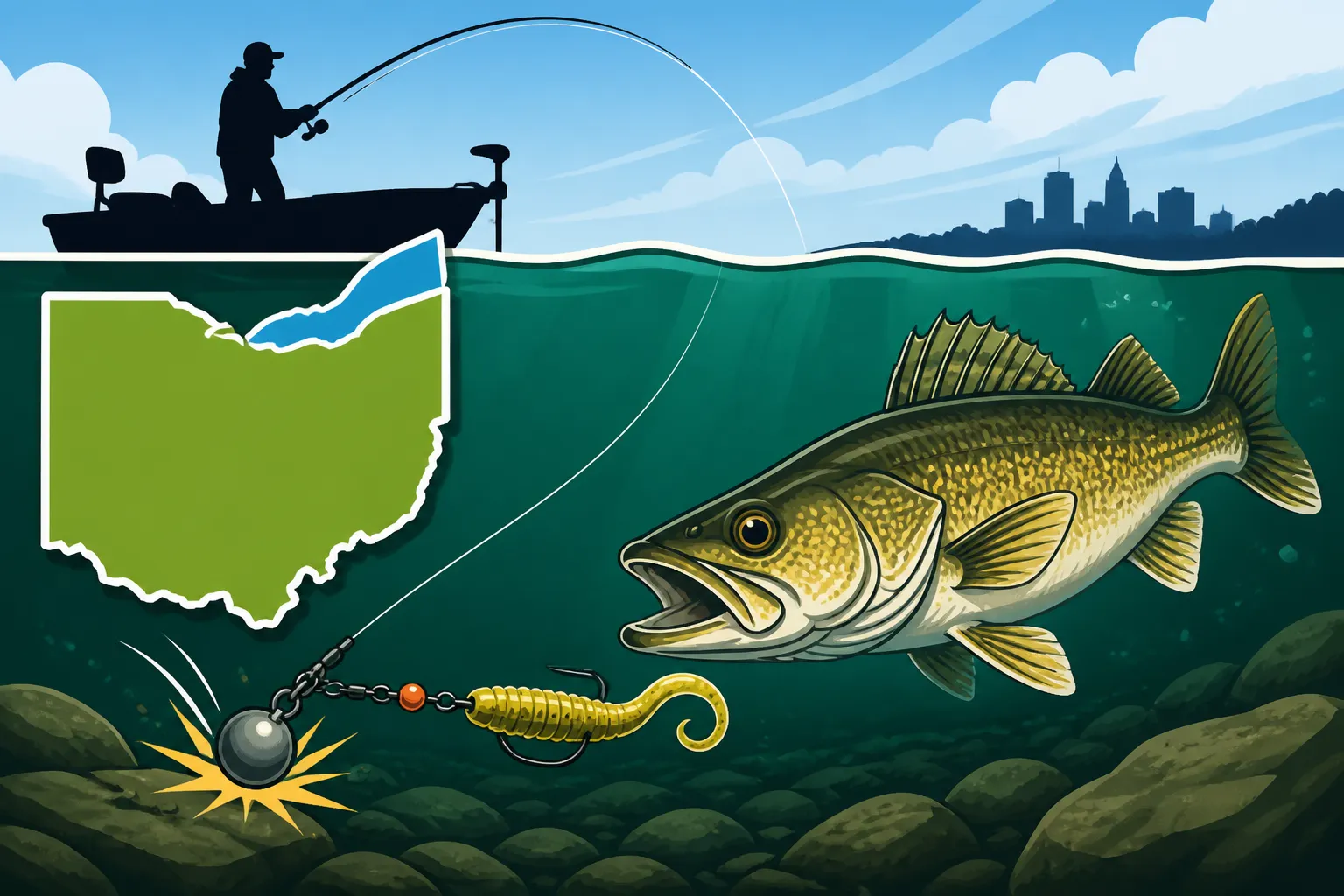
Bottom bouncing is precisely what it sounds like: a weighted rig designed to literally "bounce" along the lakebed, keeping your bait in the strike zone longer and more consistently than almost any other technique when fish are holding deep. Unlike a three-way rig that can be clunky, or a simple weight that drags and snags, a good bottom bouncer is engineered to hop, skip, and glide over obstacles like rocks, zebra mussel beds, and subtle humps.
The magic lies in its L-shaped wire arm. The longer arm, tipped with lead, acts as a feeler, deflecting off snags and transmitting critical information about the bottom composition right up your line to your rod tip. The shorter arm extends horizontally, keeping your bait – usually a crawler harness, spinner, or even a small crankbait – slightly elevated and trailing tantalizingly behind the weight. This natural, erratic movement mimics an injured baitfish or a crawling invertebrate, a buffet presentation that walleye simply can't ignore, especially in the murky or turbulent waters often found in the Western and Central Basins of Lake Erie. This technique also allows for a slower presentation, which can be critical when walleye aren't aggressively chasing fast-moving baits. For more general insights into why walleye respond to different approaches, check out our comprehensive guide on Ohio Walleye Fishing Guide.
When to Deploy This Technique
While bottom bouncing is effective year-round, it truly comes into its own during specific conditions and seasons on Lake Erie. The prime window often kicks off in late spring, as walleye begin to disperse from their spawning grounds and settle into their summer patterns. As the water temperature rises, walleye tend to move deeper, seeking cooler, more oxygenated water and congregating around structure. This is when they become excellent targets for bottom bouncing.
You'll find bottom bouncing particularly deadly from late May through September, especially in areas like the Western Basin's "A-Can" or the reefs and rocky areas of the Central Basin. It's fantastic when fish are scattered over varied depths, or when they are tightly concentrated on specific contours or bottom transitions. If your fish finder shows schools of walleye hugging the bottom, or you're marking a lot of baitfish near the lakebed, it's time to tie on a bouncer. It's also an excellent choice on windy days when maintaining a consistent trolling depth with traditional methods can be a real struggle. The heavy bouncer helps cut through the chop and keeps your bait where it needs to be. Understanding When Ohio's Walleye Season Peaks on Lake Erie can give you an even better idea of prime times.
Essential Gear for Successful Bottom Bouncing
Getting set up properly for bottom bouncing isn't overly complicated, but having the right tools makes all the difference between frustration and a boatload of walleye. We're talking about more than just a rod and reel; specific components are designed to maximize your success with this technique.
Selecting the Right Rod, Reel, and Line
For bottom bouncing, you want a rod with a good backbone but a sensitive tip. This combination allows you to feel the bouncer "tick" along the bottom and detect those often subtle walleye bites. A medium-heavy power rod, typically between 7' and 8' long, with a fast or extra-fast action, is ideal. The longer length helps spread out your lines if you're running multiple rods and provides more leverage for fighting larger fish. Many anglers opt for a specialized "bottom bouncer" rod, which you can find from brands like Fenwick or St. Croix, but a good quality trolling rod will also do the trick.
Pair your rod with a baitcasting reel that has a reliable drag system and a line counter. A line counter reel is absolutely essential for bottom bouncing, as it allows you to precisely control how much line you're letting out, ensuring you maintain optimal bottom contact. For line, a 10-15 lb test monofilament or a 20-30 lb test braided line with a 15-20 lb fluorocarbon leader is a popular choice. Braid offers incredible sensitivity for feeling those bottom ticks and subtle bites, while mono provides a bit of stretch for forgiveness on hooksets. If you go with braid, remember that the lack of stretch means your drag setting is even more critical. You can find a wide selection of these specialized rods and reels on platforms like Amazon, making it easy to get exactly what you need delivered to your door. For a deeper dive into optimal setups, check out our guide on Best Rod and Reel Setup for Lake Erie Walleye.
Choosing Your Bottom Bouncers and Leaders
The star of the show, of course, is the bottom bouncer itself. These come in various shapes and weights, typically ranging from ½ ounce up to 3 ounces, with 1 to 2 ounces being the most common for Lake Erie walleye. The weight you choose depends entirely on your boat speed, depth, and the amount of current or wind you're encountering. The goal is to select the lightest bouncer possible that still allows you to consistently maintain bottom contact at your desired speed, keeping your line at roughly a 45-degree angle to the water.
There are a few main types:
- Wire Form Bouncers: These are the classic L-shaped wires with a lead weight molded on the long arm. They're excellent for most situations and come in various wire gauges.
- Sliding or "Snagless" Bouncers: These often have a more rounded, bullet-like weight that slides on your main line, with a short leader tied to a swivel at the end of the main line. The idea is that if the weight snags, the fish can still pull on your bait, potentially freeing the weight.
- Stand-Up Bouncers: Designed to keep your bait elevated off the bottom, these are good for extremely snaggy terrain or when you want a little more separation from the lakebed.
The leader is the section of line connecting your bouncer's short arm to your bait. A good rule of thumb for Lake Erie walleye is a leader length between 4 and 8 feet, made of 10-15 lb test fluorocarbon. Fluorocarbon is nearly invisible underwater and has excellent abrasion resistance, which is crucial when fishing around sharp zebra mussel beds. You can adjust the leader length based on how high you want your bait to ride off the bottom or how spooky the fish are. Shorter leaders keep the bait closer to the bouncer's action, while longer leaders offer a more subtle, natural presentation. You can even experiment with specialized leaders or Best Lures for Ohio Fishing to find what works best.
Bottom Bouncer Weight Guide for Lake Erie Walleye
| Weight (oz) | Typical Use Case |
|---|---|
| ½ – ¾ | Shallow water (under 15 ft), very slow speeds (under 0.8 mph), minimal current, calm conditions. Good for early season. |
| 1 – 1 ½ | Most common for typical Lake Erie conditions (15-30 ft), speeds 0.8-1.5 mph, moderate wind/current. Our go-to choice. |
| 1 ½ – 2 | Deeper water (30-45 ft), faster speeds (1.5-2.0 mph), stronger currents, or rougher water. Maintains bottom contact effectively. |
| 2 – 3 | Very deep water (45+ ft), aggressive speeds (2.0+ mph), strong currents, or very rough conditions. Less common but useful in specific scenarios. |
Always choose the lightest weight that allows you to maintain bottom contact at your desired speed and depth.
Crafting the Perfect Bottom Bouncing Rig
Now that you've got your main gear, it's time to get down to the nitty-gritty: assembling the business end of your bottom bouncing setup. This usually involves a crawler harness, but there are other effective options too.
Assembling Your Crawler Harnesses and Spinners
The classic Lake Erie bottom bouncing bait is a crawler harness. These are pre-tied rigs designed to present a juicy nightcrawler in a natural, enticing way. A standard harness consists of:
- Hooks: Typically two or three snelled hooks, often Aberdeen style, sized #2 or #1. The hooks are spaced out to run through the body of a nightcrawler, keeping it stretched out and swimming.
- Beads: Colorful beads strung between the hooks and up to the swivel add attraction and help space out the hooks.
- Blades: This is the real key. A spinner blade (Colorado, Indiana, or Willowleaf style) rotates as the rig moves through the water, creating flash, vibration, and an irresistible appeal. Colorado blades offer the most thump and flash at slower speeds, while Willowleaf blades are better for higher speeds and less drag. Indiana blades are a good all-around choice.
- Swivel: A small, quality ball-bearing swivel at the front of the harness prevents line twist, especially important with spinning blades.
When assembling, ensure your hooks are sharp. Many anglers prefer to tie their own harnesses, allowing for customization of blade color, bead pattern, and hook size. Popular blade colors on Lake Erie include chartreuse, orange, pink, purple, and various metallic finishes like silver, gold, and copper. Glow-in-the-dark blades can also be deadly in deeper or stained water. Don't be afraid to experiment! You can often find pre-tied harnesses from brands like P-Line or Northland Fishing Tackle, or components to build your own on Amazon.
Adding Live Bait and Artificials to Your Rig
While nightcrawlers are the undisputed king of bottom bouncing baits for Lake Erie walleye, they aren't your only option. Varying your bait can be crucial, especially on tough days or when trying to "match the hatch" to what the walleye are feeding on.
- Nightcrawlers: Thread a whole nightcrawler onto your harness hooks, making sure it's stretched out and lively. A little trick is to "nip" the very tip of the crawler's head to prevent it from balling up on the hook. The scent and natural movement are hard to beat.
- Leeches: Larger leeches can also be incredibly effective, especially in cooler water or when walleye are finicky. Hook them once through the sucker, allowing them to swim naturally.
- Minnows: While less common for spinner rigs, a large shiner or emerald minnow can be deadly on a simple plain hook harness behind a bouncer, particularly in colder water or for larger trophy walleye.
- Artificial Worms/Soft Plastics: If you're tired of constantly re-baiting with live crawlers (or dealing with messy bait boxes), artificial soft plastic worms like Berkley Gulp! Alive! Killer Crawlers or PowerBait Wiggler Worms can be a fantastic alternative. They offer incredible scent dispersion and durability. Many anglers will even tip a live crawler with a piece of artificial plastic for added attraction and scent.
- Small Crankbaits/Stickbaits: Don't limit yourself to just harnesses. Sometimes, a smaller diving crankbait or stickbait (like a Bandit Walleye Deep or a Smithwick Rogue) on a short fluorocarbon leader behind a bottom bouncer can trigger strikes, especially when walleye are chasing bigger baitfish. The bouncer keeps the lure at the desired depth while allowing its natural wobble and dive.
Remember, the goal is presentation. Whether it's live bait or artificial, it needs to look natural and enticing. Regularly check your bait for twists, debris, or if it's been nibbled on. A fresh, lively presentation is key to attracting those hungry Lake Erie walleye.
Mastering the Art of Presentation and Retrieval
Having the right gear is only half the battle; knowing how to properly present your bottom bouncing rig is where the real skill comes in. It's about feel, finesse, and constant adjustment.
Dialing in Boat Speed and Depth Control
Maintaining proper bottom contact is paramount to successful bottom bouncing. This requires a delicate dance between your boat speed, the weight of your bouncer, and the amount of line you have out. The ideal boat speed for bottom bouncing typically ranges from 0.8 mph to 1.8 mph, but this can vary. Faster speeds require heavier bouncers to keep your bait down, while slower speeds allow you to use lighter weights.
Here's how to dial it in:
- Start with a consistent speed: Use your trolling motor or main engine to maintain a steady speed.
- Let out line: Drop your bottom bouncer straight down until you feel it hit the bottom. Use your line counter reel to note the exact amount of line out.
- Adjust for angle: As your boat moves forward, let out more line until your line is at approximately a 45-degree angle to the water. This angle provides the best sensitivity for feeling the bottom and detecting bites, while also helping the bouncer deflect off snags. If your line is too vertical, your bait won't have enough action. If it's too horizontal, you'll be constantly snagging.
- Feel the "tick": You should feel a rhythmic "tick-tick-tick" as your bouncer makes contact with the bottom. If you stop feeling it, let out more line. If you're constantly snagging, reel in a little or increase your speed slightly.
- Monitor conditions: Wind and current will heavily influence your boat speed and the required bouncer weight. Always adjust as conditions change. Stronger wind or current means more drag on your line, so you'll either need to increase bouncer weight or slow your boat down (relative to the bottom, not necessarily to the water).
Remember, consistency is key. Keep that bouncer ticking the bottom without dragging excessively. This also applies to Trolling for Lake Erie Walleye, where depth control is also crucial.
Interpreting Bites and Setting the Hook
This is often where new bottom bouncers get frustrated. Walleye bites on a bottom bouncer can range from a violent strike that nearly rips the rod out of your hand to the most subtle "mushy" feeling, like you've dragged through a patch of weeds. Learning to distinguish between a bottom tick, a snag, and a bite takes practice.
- The Aggressive Strike: Sometimes, a walleye will absolutely hammer your bait, leaving no doubt it's a fish. Your rod tip will bend sharply, and line will start peeling off.
- The Subtle Tug/Mush: More often, particularly with larger or less aggressive walleye, the bite will be a soft "thump," a slight pull, or a sudden increase in weight on your line that feels like you've picked up a wad of weeds. Your rhythmic "tick-tick-tick" will simply stop, replaced by a dead weight. This is often a walleye mouthing your bait.
When you suspect a bite, don't immediately yank!
- Drop back slightly: Many anglers find success by quickly letting out a few feet of line immediately after feeling a suspected bite. This allows the walleye to fully inhale the bait without feeling resistance. Count to two or three.
- Sweep Set: Instead of a sharp, upward jerk, execute a long, smooth, sweeping hookset. Lift the rod tip horizontally or at a slight angle towards the stern of the boat, firmly but not violently. This provides enough power to drive the hook home without ripping the bait out of the fish's mouth.
- Maintain Pressure: Once you've hooked up, keep steady pressure on the fish. Walleye have notoriously soft mouths, so a continuous, firm retrieve is important to prevent them from shaking the hook.
It's a learning curve, but with experience, you'll start to recognize those subtle walleye grabs.
Advanced Tips and Troubleshooting Common Issues
Even seasoned anglers encounter challenges. Knowing how to adapt to changing conditions and troubleshoot problems will significantly improve your bottom bouncing success.
Reading Electronics and Locating Structure
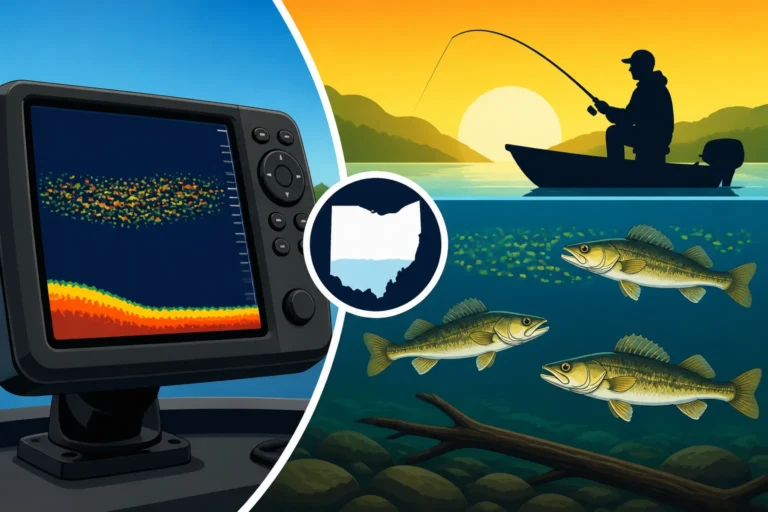
Your fish finder is your best friend when bottom bouncing on Lake Erie. It's not just for marking fish; it's also crucial for understanding the bottom composition and contours that walleye relate to.
- Identify Depths and Contours: Pay close attention to your depth sounder. Look for changes in depth, humps, ledges, and drop-offs. Walleye often stage on these transitions.
- Bottom Hardness: Many modern fish finders can display bottom hardness. Harder bottoms (rocks, gravel) often appear as thicker, more intense lines on your sonar, while softer bottoms (mud, sand) appear thinner. Walleye prefer harder bottoms where their prey (like crawfish or gobies) thrive.
- Mark Fish: Obviously, when you see those distinct arches or "bananas" hugging the bottom, that's your cue to deploy your bottom bouncers. Adjust your presentation to match the depth where the fish are holding.
- Side Imaging/Down Imaging: If you have advanced sonar, utilize it to scan wider areas for schooling fish or subtle structure you might miss directly under the boat. This can help you identify a productive troll path before you even get over the fish. For more on this, check out our guide on Reading Ohio Fish Finders and Electronics.
- GPS Trails: Always mark waypoints when you get bites or see concentrations of fish. Your GPS trail will help you repeat successful passes over productive structure.
Avoiding Snags and Adapting to Conditions
Snags are an inevitable part of bottom bouncing, especially on the rocky, zebra mussel-encrusted bottom of Lake Erie. However, you can minimize them with smart adjustments.
- Adjust Bouncer Weight: Too light of a bouncer will drag horizontally and snag more frequently. Too heavy of a bouncer won't give you the necessary feel and might spook fish. Find that sweet spot.
- Line Angle: Maintain that 45-degree line angle. If your line is too far back (too horizontal), you're more prone to snags. If it's too vertical, your bait isn't presenting naturally.
- Rod Holder Angle: If using multiple rods, set them in rod holders at different angles to help spread out your lines and prevent tangles, while also allowing you to maintain better bottom contact with each rod.
- Monitor Your Speed: Small changes in boat speed can significantly impact snagging. If you enter an area with more structure, slow down or lift your rod slightly.
- Listen to the Bottom: Pay attention to the sound and feel transmitted through your rod. A sharp "thump" might mean a rock, a softer "tick" might be gravel. Learn what different bottom types feel like.
- Weeds: If you're consistently picking up weeds, try a shorter leader to keep your bait closer to the bouncer (which often rides above smaller weeds), or switch to an artificial bait that sheds weeds better. In extreme weed beds, bottom bouncing might not be the most effective technique.
- Line Twist: Spinner blades, especially poor-quality ones, can cause line twist. Always use a good quality swivel at the front of your harness and check your line regularly. If you see twist forming, reel in, remove your rig, and let the line free-spool behind the boat to untwist. Investing in higher quality components will save you headaches in the long run.
By proactively monitoring your gear and the bottom, and making timely adjustments, you'll spend less time freeing snags and more time battling those glorious Lake Erie walleye. And remember to always adhere to Ohio Fishing Regulations Every Angler Should Know and specific Lake Erie Walleye Bag Limits to ensure you're fishing legally and sustainably.
Disclaimer
Fishing involves inherent risks, including but not limited to adverse weather conditions, boating hazards, and personal injury. Always prioritize safety, wear a life jacket, and be aware of your surroundings. Regulations, including license requirements, bag limits, and size limits, can change. Always consult the latest Ohio Department of Natural Resources (ODNR) fishing regulations before heading out on the water. This guide is for informational purposes only and does not constitute professional advice.