Best Lure Colors for Muskie in Stained Water
It's incredibly frustrating when you head out muskie fishing, full of anticipation, only to find the water is murkier than expected. Stained water can make even the most seasoned angler doubt their lure choices, leading to missed opportunities and questions about what exactly those elusive "fish of 10,000 casts" can see. This guide will dive deep into understanding how muskie react to low visibility, and more importantly, equip you with the best lure colors and tactics to succeed when fishing Ohio's stained waters.
Understanding Stained Water and Its Impact on Muskie Vision
Before we even talk about specific colors, it’s crucial to understand what "stained water" actually means and how it affects muskie, some of the most opportunistic predators in our Ohio lakes and rivers. It’s not just about what you can see, but what the muskie can perceive in those murky depths.
What Stained Water Really Means for Anglers
When we talk about stained water, we're not just referring to one type of murky condition. There are several culprits, and each can affect light penetration and water clarity differently. For instance, you might encounter water that's:
- Muddy: This is typically caused by heavy rains and runoff, especially prevalent in river systems like the Ohio River or after a significant weather event on a larger lake. The water contains a high concentration of suspended sediment, giving it a brown or reddish hue. Light penetration here is severely limited, often only a few inches.
- Tannic (Tea-Stained): Common in lakes surrounded by wetlands or dense foliage, like many of the smaller reservoirs in eastern Ohio, this water type gets its color from decaying organic matter like leaves and wood. It can range from a light amber to a deep, dark tea color. While it might look dark, it often has better clarity than truly muddy water, allowing light to penetrate a bit deeper, but with a strong color filter.
- Algal Bloom: Especially during warmer months, some nutrient-rich lakes, such as parts of Grand Lake St. Marys, can experience algal blooms, turning the water green, pea-soupy, or even brownish-green. This type of stain can significantly reduce visibility and oxygen levels, impacting fish behavior.
- Industrial or Agricultural Runoff: Unfortunately, in some areas, discharge can stain waters with various colors and chemicals, creating unique challenges for anglers. Always be aware of local conditions and advisories.
The key takeaway here is that "stained" isn't a single condition, and a nuanced approach to lure selection will always pay off. Knowing the source of the stain can give you clues about how muskie might be reacting.
How Muskie Perceive Color in Low Visibility
Muskellunge are ambush predators, and while their eyesight is generally good, it's not their only tool for hunting. In stained water, their other senses become even more critical.
Muskie eyes are adapted for detecting movement and contrast, especially in lower light conditions. They have a higher concentration of rod cells, which are excellent for detecting light and shadow, but fewer cone cells, which are responsible for color vision. This means they are highly sensitive to changes in light intensity and silhouette. In dark, stained water, the traditional vibrant colors we see above the surface might appear very different, or even indistinguishable, to a muskie just a few feet down. Light is absorbed as it penetrates water, with red and orange disappearing first, followed by yellow, green, and finally blue and violet. This means a bright red lure might look dull brown or even black at certain depths in murky water.
What becomes paramount in these conditions is contrast and silhouette. A muskie needs to be able to see or feel the lure against the background of the water or the sky above. Their highly developed lateral line system, a row of sensory pores along their body, is incredibly effective at detecting vibrations and pressure changes in the water. This allows them to "feel" a lure's presence and movement, even if they can't clearly see its color. Therefore, lure choice isn't just about color, but also about the lure's profile, displacement of water, and inherent vibration.
Top Lure Color Categories for Stained Water Muskie
When the water turns murky, it’s easy to panic and just throw anything. But with a bit of strategy, you can drastically improve your odds. Think less about matching a specific forage color, and more about making your lure stand out or present a clear target.
High-Contrast and Bright Colors
These are your attention-grabbers, designed to cut through the murk and scream "I'm here!" to a muskie. The goal isn't necessarily realism, but maximum visibility.
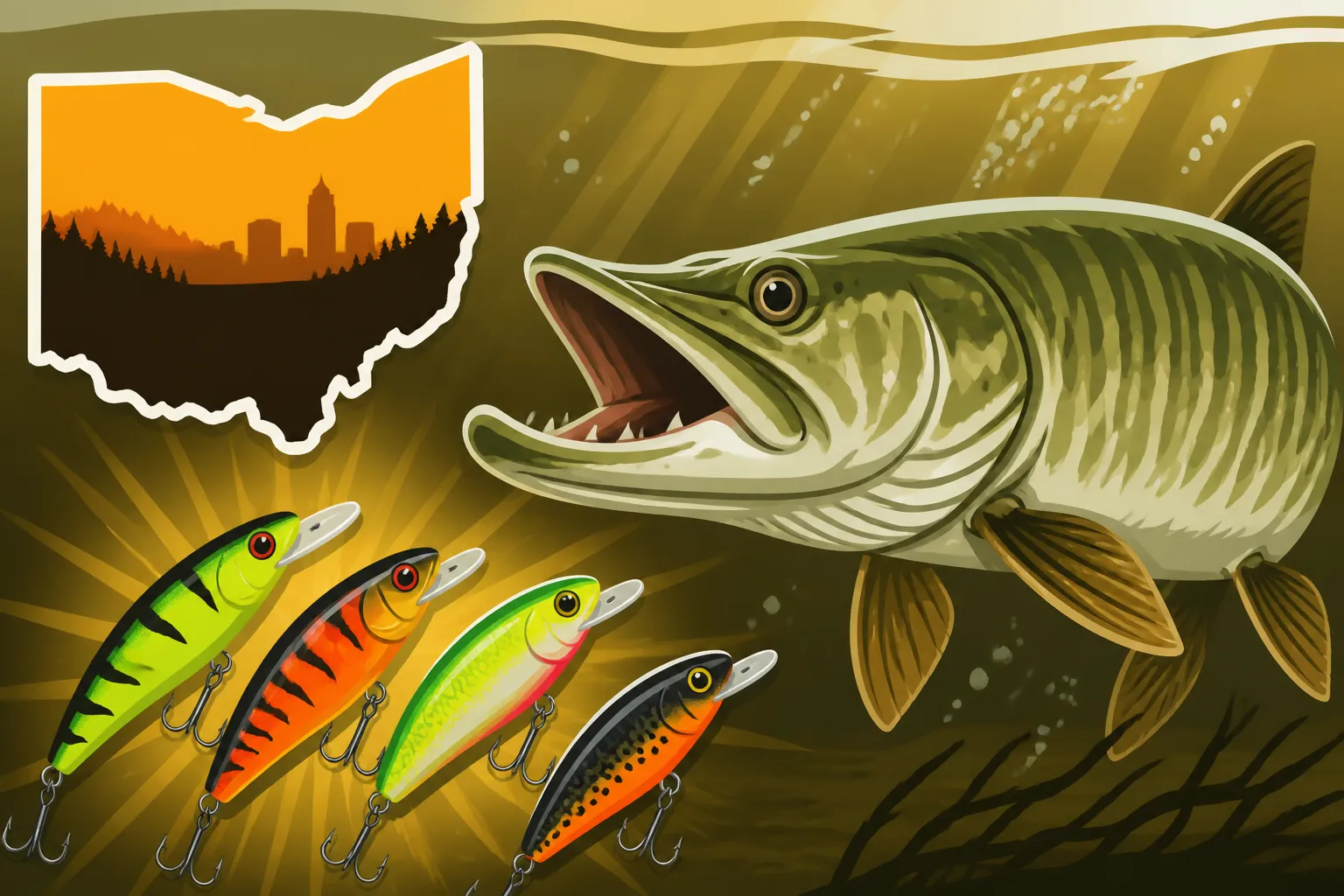
- Firetiger: This is arguably the king of stained water muskie lures. Its vibrant chartreuse, orange, and black stripes create an incredibly high contrast pattern that stands out even in extremely low visibility. The black lines provide a strong silhouette, while the bright colors reflect any available light, making it highly visible. Many anglers consider a Firetiger pattern a go-to choice for fishing the muskie-rich waters of places like Piedmont Lake or West Branch Reservoir, especially after heavy rains. You'll find it in various lure types, from crankbaits to bucktails.
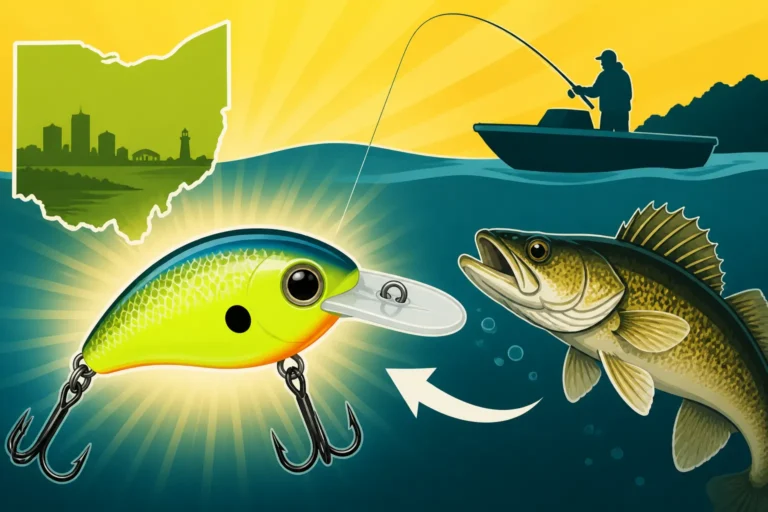
- Chartreuse (or Fluorescent Yellow-Green): Extremely effective because its wavelength penetrates water quite well and it's highly reflective. Whether it's a solid chartreuse bucktail, a chartreuse spinnerbait skirt, or accents on a crankbait, this color provides excellent visibility in stained conditions. It's especially good on overcast days when overall light levels are low.
- Orange: Similar to chartreuse, orange is a highly visible color. Think hot orange crankbaits or bucktail blades. It offers a different contrast than chartreuse, sometimes performing better in tannic, tea-stained waters where chartreuse might blend in too much with the greenish tints. It's also excellent when paired with black for a strong silhouette.
- Hot Pink/Fluorescent Pink: While less common than firetiger or chartreuse, hot pink can be a surprising winner in certain stained water conditions. It’s an "unnatural" color that can trigger an aggressive reaction strike when muskie are finicky. It’s particularly effective in lakes with a lot of pressure, where fish might be conditioned to ignore more traditional colors. Many anglers keep a pink-accented bucktail or jerkbait in their Best Lures for Ohio Muskie box specifically for these tough conditions.
The strategy with these colors is to ensure the muskie can easily spot the lure from a distance. A muskie's strike zone narrows in stained water, so getting their attention early is paramount.
Dark and Silhouetted Colors
Sometimes, bright colors aren't enough, or they might even be too much. In very dark or deep stained water, creating a stark, undeniable silhouette is often more effective than trying to be bright.
- Black: This is a surprisingly potent color for stained water. When light penetration is minimal, a black lure creates the strongest possible silhouette against the brighter surface light. It becomes a definite, distinct shape that a muskie can easily track with its limited vision and lateral line. Think black bucktails, black rubber baits, or even large black crankbaits. It's often killer on overcast days, at dawn or dusk, or when fishing deep, dark holes in rivers like the Scioto River.
- Purple/Dark Blue: These dark colors work similarly to black, offering a strong silhouette but with a subtle color hue that can make a difference. Purple can be especially effective, as it’s a color that maintains some visibility at deeper depths than red or orange, yet still appears dark. A deep purple bucktail or swimbait can be a game-changer when muskie are ignoring brighter offerings.
- Black/Orange or Black/Chartreuse Combinations: These blends offer the best of both worlds. The black provides the powerful silhouette, while the splash of orange or chartreuse adds a critical flicker of visibility or contrast that can draw the muskie in. These hybrid patterns are incredibly versatile for various stained water scenarios.
The trick here is to maximize the visual target without relying on vibrant reflection. A dark lure presents a clear, defined profile that's hard for a muskie to ignore, especially when they're relying on their lateral line to detect movement.
Natural-ish Tones with Flash or Contrast
While the general rule for stained water is "go bright or go dark," there are times when a muskie might prefer something a little more subtle, but still with an edge. These lures aim for a more natural look but compensate for low visibility with added flash or stark internal contrast.
- Perch Patterns (with heavy black or chartreuse accents): In many Ohio lakes, yellow perch are a primary forage for muskie. While a standard perch pattern might disappear in stained water, one with bold black bars, bright chartreuse fins, or a strong metallic flash can still mimic the profile of a wounded baitfish without being overtly "unnatural." Consider the vibrant perch patterns found on some of the larger Muskie-specific crankbaits.
- Black/Gold or Black/Silver: These combinations leverage the strong silhouette of black with the added reflective qualities of gold or silver blades or bodies. Gold often works better in brownish or tannic water, reflecting a warmer light, while silver is effective in any stained condition, mimicking flash. Think black bucktails with gold or silver blades, or black crankbaits with gold or silver accents. These can be particularly effective when fishing during the When Muskie Fishing Peaks in Ohio in fall, as fish are bulking up on available forage.
- White/Chartreuse or White/Orange: White is a highly visible color, and when combined with a bold contrast like chartreuse or orange, it creates a powerful visual signal. A white spinnerbait with a chartreuse skirt, or a white jerkbait with orange belly, can provide just enough brightness and contrast to entice a strike in moderately stained conditions.
These patterns are about hitting a sweet spot – offering a semblance of natural prey while still ensuring the lure is easily detectable in the reduced visibility. The key is that "natural" doesn't mean subtle in these conditions; it means a natural profile boosted by high visibility elements.
Here's a quick reference table for choosing your muskie lure colors in stained water:
| Water Condition | Primary Lure Colors Recommended | Why They Work | Lure Types (Examples) |
|---|---|---|---|
| Heavy Muddy/Dark Stain | Black, Dark Purple, Black/Orange, Firetiger (heavy black bars) | Maximize silhouette against low light, strong contrast. Firetiger's black lines cut through. | Large bucktails, dark rubber baits, deep-diving crankbaits. |
| Moderate Tannic Stain | Firetiger, Chartreuse, Orange, Black/Gold | Good light reflection, strong contrast against brownish water. Gold provides warm flash. | Bucktails, crankbaits, gliders. |
| Algal Bloom (Greenish) | Firetiger, Hot Pink, Dark Purple, Chartreuse | Stands out against green. Purple/Pink offer unnatural contrast. Chartreuse penetrates green. | Jerkbaits, spinnerbaits, bucktails. |
| Overcast/Low Light | Black, Firetiger, Chartreuse, Dark Blue | Strong silhouettes for dim light conditions, bright colors reflect minimal light. | Any lure type, focus on large profiles. |
| Bright Sun/Light Stain | Perch patterns (bold), Black/Silver, Firetiger, Chartreuse | Blend of natural and high visibility. Silver reflects sharp light. | Swimbaits, crankbaits, bucktails. |
Beyond Color: Other Factors for Stained Water Success
While color is a crucial piece of the puzzle, it’s far from the only factor. Muskie are highly sensory predators, and when one sense (sight) is diminished, they lean heavily on others. Focusing on vibration, profile, and presentation can make all the difference.
Vibration and Sound
As mentioned earlier, a muskie's lateral line is its superpower in low visibility. It can detect even the slightest pressure changes in the water, allowing the fish to pinpoint prey without ever seeing it. Therefore, lures that create significant vibration and sound are often superior in stained water.
- Bucktails with Large Blades: This is a classic for a reason. Bucktails with big Colorado or magnum blades displace a lot of water and create a tremendous thump that travels far through murky conditions. The larger the blade, the more vibration. Consider the popular Mepps Musky Killer or Bucher Outdoors offerings. The flash of the blades, even if muted by the stain, still provides a visual flicker. When fishing for muskie in Ohio, especially in spots like Alum Creek Lake for Muskie and Saugeye, these high-vibration lures are often key.
- Lipped Crankbaits and Divers: Deep-diving crankbaits with large bills often have a strong wobble that sends out significant vibrations. The aggressive action helps muskie locate them. Some even have internal rattles, adding a sonic element.
- Jerkbaits with Rattles: Many modern jerkbaits feature internal BBs or tungsten rattles that emit sound during their erratic, darting retrieve. This combination of unpredictable movement and sound can be irresistible to a lateral-line-hunting muskie. Learning How to Work a Jerkbait for Ohio Muskie effectively can make a big difference.
- Topwater Lures that "Plopp" or "Click": While topwater might seem counter-intuitive in stained water, lures like the Bucher TopRaider or Whopper Plopper, which create a distinct "plopping" or "clicking" sound, can draw muskie up from surprising depths. The surface disturbance and sound act as powerful attractants.
Always think about the "thump" or "buzz" a lure creates. If you can feel it strongly on your rod, chances are the muskie can feel it even more intensely.
Lure Size and Profile
In stained water, a muskie's strike zone shrinks. This means they might not travel as far to investigate a potential meal. To compensate, a larger, bulkier lure can be more effective.
- Bigger is Often Better: A larger lure displaces more water and presents a more substantial profile, making it easier for a muskie to detect visually or with its lateral line. While smaller muskie might shy away, a trophy-sized fish is less likely to hesitate at a big meal. Don't be afraid to throw 10-inch crankbaits or bucktails with tandem 10+ sized blades.
- Bulkier Profiles: Think about rubber baits like Bull Dawgs or Medussas. Their soft plastic bodies are naturally bulky and move a lot of water. The undulating tails add to the vibration and visual presence, even if the color is muted.
- Slower, Heavier Lures: Lures that can be retrieved slowly while maintaining action are excellent. Slower movement allows the muskie more time to zero in on the lure in reduced visibility. Heavier lures sink faster and stay in the strike zone longer.
Ultimately, the goal is to make your offering as unmissable as possible. A large, vibrating, dark, or brightly contrasted lure gives the muskie every chance to find it.
Retrieve Speed and Presentation
Even with the perfect lure and color, your presentation can make or break your success in stained water. Muskie behavior changes in low visibility, and your tactics need to adapt accordingly.
- Slow Down Your Retrieve: This is often the most critical adjustment. A muskie needs more time to locate, track, and commit to a lure when they can't see it clearly. A slower retrieve allows them to hone in using their other senses.
- Erratic, Stop-and-Go Retrieves: While slow, don't make it monotonous. Incorporate pauses, twitches, and sudden bursts of speed. These erratic movements create varying vibrations and can mimic a wounded baitfish, often triggering a reaction strike. For example, a slow pull and pause with a jerkbait can be incredibly effective.
- Focus on Structure and Cover: In stained water, muskie will often hold tighter to cover or structure, using it as an ambush point. Fan-cast around fallen trees, rock piles, weed edges, and sudden depth changes. These fish aren't cruising open water as much in murky conditions.
- The Figure-Eight Retrieve: This technique is absolutely paramount, especially in stained water. Many muskie will follow a lure right to the boat, often unseen until the last moment. Performing a Figure-Eight Retrieve for Muskie Fishing at the boat side gives that following fish a final, close-quarters target, often resulting in a last-ditch strike. Don't skip it, even if you think the water is too dirty to see them following.
Remember, every twitch, pause, and speed change sends a new message through the water that a muskie's lateral line can interpret. Make those messages compelling.
Putting It All Together: Tactics for Ohio's Stained Waters
Now that we’ve covered the "why" and the "what," let's talk about the "how" in the context of Ohio's diverse fishing opportunities. Applying these principles to specific bodies of water will give you an edge.
Matching Colors to Specific Ohio Water Bodies
Ohio boasts a variety of muskie waters, and their clarity can vary significantly. Understanding the typical conditions of a lake or river can help you pre-select your arsenal.
- Lake Erie Tributaries (e.g., Maumee River, Sandusky River): While these rivers are famous for walleye runs, they can also hold muskie. After heavy rains, they become notoriously muddy. Here, your absolute darkest or brightest, highest-contrast lures will shine. Think solid black bucktails, Firetiger crankbaits, or even a chartreuse jigging spoon in the deeper holes. The current helps disperse scent and vibration, so loud, rattling lures are key.
- Inland Reservoirs (e.g., Mosquito Creek Lake, Hoover Reservoir, Piedmont Lake): These lakes can range from moderately clear to heavily stained depending on the season and recent weather. Mosquito Creek Lake, for instance, can often be on the darker side due to its bottom composition and potential for algae. For such waters, a diverse selection of Firetiger, black, and chartreuse in various lure types (bucktails, crankbaits, rubber baits) is essential. On Hoover Reservoir, known for its extensive crappie population, a perch-patterned lure with strong contrasting colors might work well in stained sections, mimicking their abundant forage.
- The Ohio River: The Ohio River is a large, flowing body of water that can be heavily stained, especially after rain or snowmelt. Muskie here will be used to lower visibility. Focus on big, bold presentations. Dark-colored rubber baits, large black or Firetiger bucktails, and crankbaits that dig deep and vibrate strongly are your best bet. Because of the current, muskie often hold tight to current breaks and eddies, so target these areas precisely. Check out our Ohio River Fishing Guide for more insights on fishing this powerful waterway.
Always pay attention to local conditions. If you're unsure, start with a high-contrast, confidence bait (like Firetiger or black) and adjust based on observations of what other anglers are catching or if you see any follows. Remember, sometimes the most "unnatural" color is exactly what a muskie needs to see to react in a dimly lit world.
Building Your Stained Water Muskie Tackle Box
Having a well-stocked tackle box specifically for stained water conditions will save you a lot of guesswork and ensure you’re prepared for whatever Ohio’s waters throw at you.
- Diversified Bucktails: Include several sizes (8-12 blades) and colors. Have at least one solid black, one Firetiger, one chartreuse, and one black/orange or black/gold combination. Brands like Musky Mayhem Tackle, Mepps, and Bucher have excellent options.
- Assortment of Crankbaits: Pack a variety of diving depths. Again, Firetiger, black, and hot orange are essential. Look for models with internal rattles to maximize sound. Rapala Super Shad Raps or Livingston Lures' EBS Technology crankbaits are great choices.
- Rubber Baits: A few different sizes and colors of soft plastic "swim-baits" or "pull-baits" are a must. Black, dark purple, and maybe a white/chartreuse are good starting points. The Medussa and Bull Dawg are popular choices.
- Jerkbaits/Gliders: Ensure you have at least one or two with rattles in high-contrast colors. Phantom Lures and Salmo are excellent for this category.
- Topwater Lures: Don't forget a noisy topwater bait like a Whopper Plopper or TopRaider in a dark or high-contrast pattern. You never know when a muskie might be willing to come to the surface.
- Terminal Tackle: Always have heavy-duty leaders (fluorocarbon or steel, 100lb+), strong snaps, and split rings. Muskie in stained water will hit hard and fast.
You can find a wide range of these lures and tackle on platforms like Amazon, making it easy to build a versatile arsenal. Just make sure you're getting quality gear designed for the abuse muskie dish out. Knowing Best Ohio Fishing Gear and Tackle Guide will also give you a leg up on outfitting yourself properly for these powerful fish.
Ultimately, muskie fishing in stained water requires confidence and adaptability. Don’t be afraid to experiment with different colors, retrieves, and lures until you find what triggers those magnificent predators.
Disclaimer
Fishing regulations and conditions in Ohio can change. Always consult the latest Ohio Department of Natural Resources (ODNR) fishing regulations before heading out on the water. This guide provides general advice and recommendations based on common fishing practices and biological understanding.