Best Bait for Flathead Catfish in the Ohio River
There's nothing quite as frustrating as heading out to the mighty Ohio River, armed with your best intentions and gear, only to have those elusive flathead catfish snub their noses at your offerings. These bottom-dwelling giants are notorious for being incredibly finicky, making bait selection a make-or-break decision. This comprehensive guide is dedicated to helping you crack the code, revealing the absolute best baits to entice those trophy flatheads lurking in the Ohio River's depths.
Understanding the Flathead's Palate: Why Live Bait Reigns Supreme
Before we dive into the specific baits, it’s crucial to understand what makes a flathead tick. Unlike their opportunistic channel catfish cousins, flatheads are primarily ambush predators. They prefer live, struggling prey, and they hunt by sight and vibration more than by scent alone, especially in clearer waters. This isn't to say scent doesn't play a role, but the lively action of a fresh baitfish is usually what seals the deal. Trying to tempt a big flathead with stale, dead bait is often an exercise in futility, leading to countless hours of frustration. Your goal is to present something that looks, feels, and acts like a natural meal.
The Instinctual Hunter: Sight and Vibration
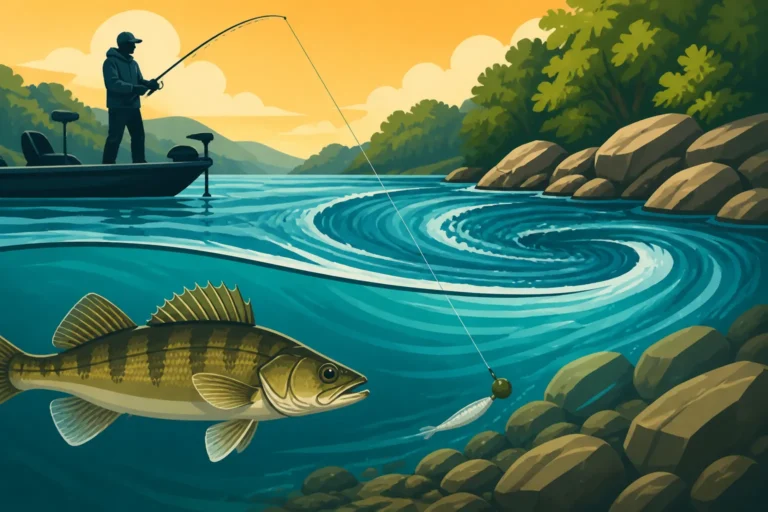
Flathead catfish are built for ambush. They have wide, flat heads (hence the name!) and eyes positioned to look upward, perfect for spotting prey swimming above them. Their lateral lines are highly sensitive, detecting the slightest vibrations from struggling baitfish. This means a bait that's putting off good vibration and movement is going to get their attention far more reliably than something inert. Think about the natural food chain in the Ohio River; flatheads are looking for that easy, live meal struggling in the current or hiding near structure. When you consider their feeding patterns at night, this becomes even more critical, as vibrations guide them in low-light conditions.
The Importance of Freshness
This isn't just about the bait being alive; it's about how lively it is. A sluggish, half-dead baitfish might as well be a piece of rubber. Flatheads want something that's fighting for its life, sending out distress signals. This is why investing in a good baitwell or a sturdy aerated bucket from a place like Amazon is essential. You want your bait to be as spry at the end of your trip as it was when you caught or bought it. The fresher and livelier your bait, the higher your chances of getting that coveted flathead strike.
The Undisputed Champions: Best Live Baits for Ohio River Flatheads
When it comes to flatheads on the Ohio River, live bait is almost always the answer. These are the top contenders that consistently produce results. Remember, bigger baits often equal bigger fish – a flathead isn't afraid to inhale a substantial meal.
Live Sunfish and Bluegill
If there's one bait that's synonymous with flathead fishing, it's the humble sunfish, especially bluegill. These panfish are abundant in the Ohio River and its backwaters, making them a natural food source for flatheads. Their disc-like bodies, tough scales, and strong swimming action make them incredibly effective. They're also quite hardy on a hook, meaning they'll stay lively for a long time.
- Why they work: Bluegill are a staple of a flathead's diet. They're noisy in the water, sending out plenty of vibrations. Their size is also perfect for attracting large flatheads. You can catch these easily in smaller creeks, ponds, or even slow sections of the Ohio River itself using small hooks and a bit of worm.
- Size matters: Don't be shy with the size. A 4-7 inch bluegill is often ideal for targeting those true trophy flatheads. Anything smaller, and you might attract more channel catfish or smaller flatheads.
- Rigging tips: Hook them just behind the dorsal fin, being careful not to hit the spine. This allows them to swim naturally and stay alive. Another popular method is to hook them through both lips, which can keep them swimming into the current.
Live Shad and Skipjack Herring
For anglers targeting serious flatheads, especially those in the lower stretches of the Ohio River where they are more abundant, live shad and skipjack herring are absolutely lethal. These silvery baitfish are extremely common in the river system and are a primary food source for many predatory fish, including flatheads.
- Why they work: Shad and skipjack are incredibly oily and release a potent scent trail, even when alive. Their frantic swimming action when hooked is irresistible to a hungry flathead. Skipjack, in particular, are extremely energetic and can draw strikes from a long distance.
- Catching them: This is where it gets tricky. You typically need a cast net to catch shad, and for skipjack, you'll often need to jig for them in current, sometimes requiring specific gear you might find on Amazon. They are notoriously difficult to keep alive, requiring excellent aeration and water circulation in a large baitwell. Don't even think about a small bucket for these guys.
- Rigging tips: Hook shad or skipjack gently through the nose or just in front of the dorsal fin. Their delicate nature means you need to be extra careful not to damage them. Keep your hooks sharp and your presentation clean.
Live Creek Chubs and Suckers
Often overlooked by some anglers, creek chubs and various sucker species are phenomenal flathead baits, especially in areas where smaller tributary creeks flow into the Ohio River. These are tough, bottom-dwelling fish that mimic many of the native forage fish found in the river.
- Why they work: These baits are incredibly hardy and can withstand being fished in strong currents for extended periods. They put off a lot of natural scent and vibrations. Their robust nature means they'll stay lively and appealing even after multiple casts or extended periods on the bottom.
- Catching them: You can often catch chubs and suckers in smaller streams or river eddies using traps, small hooks with worms, or even by seining. They're much easier to keep alive than shad or skipjack.
- Size considerations: Again, lean towards the larger end. A 6-10 inch sucker or chub is not too big for a true Ohio River flathead.
- Rigging tips: Similar to bluegill, hook them through the back near the dorsal fin or through both lips for optimal swimming action.
Other Effective Live Baits
While the above are the top three, other live baits can also be very effective depending on local forage and availability.
- Large Minnows (Golden Shiners, Fatheads): Good for smaller flatheads or when larger baits are hard to come by. Make sure they are truly "large" minnows, not the tiny ones used for crappie.
- Small Carp: In areas where small carp (especially common carp or quillback) are abundant, a 4-8 inch carp can be a very effective and hardy flathead bait. They are excellent at stirring up the bottom, attracting attention.
- Bullheads: Another very hardy baitfish, bullheads are tough and can survive a lot. Flatheads naturally prey on these, especially in muddy or slow-moving water.
Here’s a quick comparison of some popular live bait options:
| Bait Type | Pros | Cons | Best Usage |
|---|---|---|---|
| Bluegill/Sunfish | Hardy, natural prey, excellent vibration | Can be regulated in some areas (check local laws), sometimes harder to find in large quantities | All-around best, especially for trophy flatheads |
| Shad/Skipjack | Highly effective, strong scent/vibration | Extremely difficult to keep alive, often requires cast netting | Targeting active fish in strong currents, day or night |
| Creek Chubs/Suckers | Very hardy, natural prey, good in current | Can be harder to source consistently, less flashy than shad | Long soaks, in current or near structure |
| Large Minnows | Easy to find/buy, relatively hardy | Less attractive to truly giant flatheads, may attract smaller fish | When other live baits are unavailable, smaller flatheads |
| Small Carp/Bullheads | Very hardy, natural food source, bottom-oriented | Can be hard to catch specifically for bait, may not be as 'flashy' as other baits | In muddy water, near structure, long soaks |
Beyond Live Bait: When and How to Use Cut Bait Effectively
While live bait is king for flatheads, there are specific situations where cut bait can still produce, albeit usually for a wider range of catfish species, not just flatheads. If you're specifically targeting flatheads, stick to live bait. However, if you're out for general Ohio River catfish or can't source live bait, here's what to consider. For more general advice on baits, check out our guide on the best baits for Ohio catfish.
The Power of Fresh Cut Bait (If You Must)
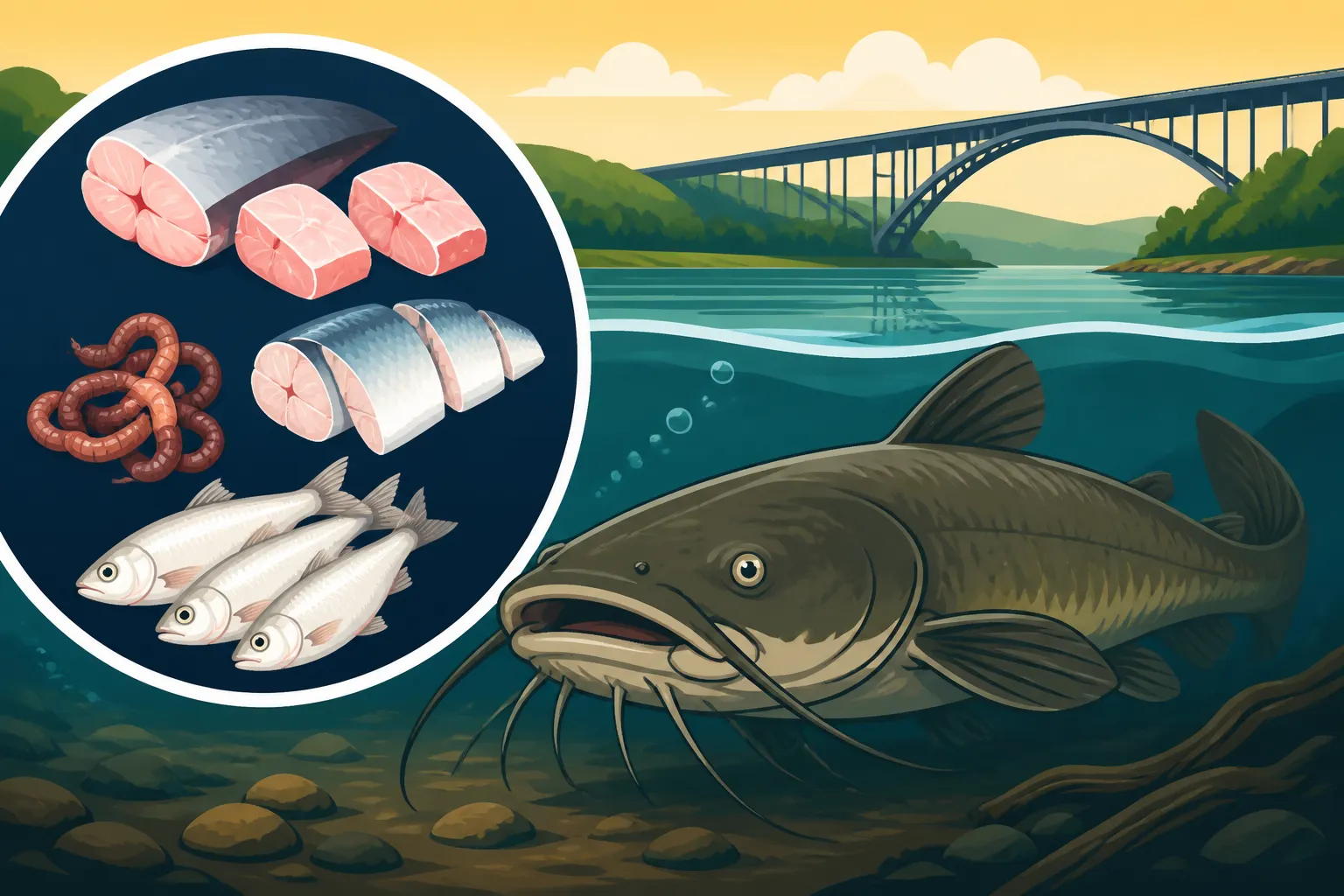
The key word here is fresh. If you are going to use cut bait for flatheads, it absolutely must be fresh, bloody, and preferably from a fish that would naturally be in the river. Stinky, rotten bait is excellent for channel catfish and even blue catfish, but flatheads typically turn their nose up at it. They prefer a fresh kill over a decomposing meal.
- Why it might work: The fresh blood and oils can create a strong scent trail in the water, potentially attracting a flathead that happens to be in a feeding mood or cruising for an easy meal.
- Best options: Fresh cut pieces of carp, shad, or even the belly meat of larger panfish can be used. The fattier and bloodier, the better.
- Presentation: Use larger chunks, often 2-4 inches, to appeal to a flathead's large mouth. Rig it on a sturdy circle hook that exposes the hook point.
Ideal Scenarios for Cut Bait
- Mixed bag fishing: If your primary goal isn't only flatheads, and you're happy catching channel cats or even a blue cat, then fresh cut bait is a solid option.
- Pre-spawn/post-spawn: Sometimes, during or immediately after the spawn, flatheads can be a bit more lethargic and might take an easy, scent-laden meal.
- Opportunistic situations: If you're on the river and have some fresh baitfish that died in your bucket, cutting them up and trying a few casts with them is better than throwing them away.
Remember, if you're serious about flatheads, focus your efforts and resources on live bait. Cut bait is more of a fallback for these particular fish.
Gear and Techniques to Maximize Your Bait's Potential
Even the best bait won't work if it's not presented properly. Flathead fishing on the Ohio River requires robust gear and thoughtful techniques to get your bait to the fish and, crucially, to land them once they bite.
Rods, Reels, and Line
Big flatheads demand heavy-duty tackle. A medium-heavy to heavy action rod, usually 7 to 9 feet long, paired with a stout baitcasting reel is ideal. Look for reels with a strong drag system and high line capacity.
- Line choice: Monofilament line in the 30-50 lb test range is a good all-around choice, offering a bit of stretch for shock absorption. However, many experienced anglers prefer braided line in the 50-80 lb test for its no-stretch sensitivity and incredible strength, which is invaluable when fishing around heavy cover. You can find excellent options for both on Amazon.
- Leader material: A strong monofilament or fluorocarbon leader, slightly heavier than your main line (e.g., 60-80 lb test), is highly recommended, especially if you're fishing near rocks, logs, or other abrasive structures common in the Ohio River. This provides an extra layer of protection against break-offs.
Terminal Tackle Essentials
Your hooks, sinkers, and swivels are the direct link to the fish. Don't skimp here.
- Hooks: Large, strong circle hooks are the standard for flathead fishing. Sizes 7/0 to 10/0 are common, depending on the size of your bait. Circle hooks are designed to hook the fish in the corner of the mouth, minimizing deep hooking and making catch-and-release easier. They also tend to set themselves when the fish runs, reducing the need for a hard hookset.
- Sinkers: Flatheads often live in current, so you'll need enough weight to keep your bait on the bottom. Egg sinkers, pyramid sinkers, or no-roll sinkers in the 2-8 ounce range (or even heavier in strong current) are necessary. Use a sliding sinker rig to allow the fish to take the bait without feeling immediate resistance.
- Swivels: High-quality barrel or SPRO power swivels will prevent line twist and provide a strong connection between your main line and leader. Look for those rated for 100+ lbs.
Anchoring and Positioning
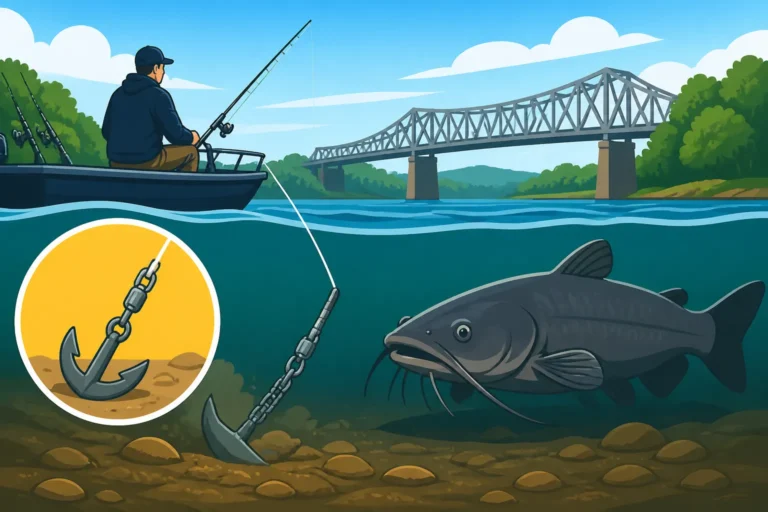
Successfully targeting flatheads means putting your bait in the right spot and keeping it there. This often means anchoring your boat securely.
- Finding structure: Flatheads love structure – submerged logs, rock piles, bridge pilings, drop-offs, and deep holes. Use a good fish finder to locate these areas. For more details on finding fish, check out our guide on reading Ohio fish finders and electronics.
- Strategic anchoring: When anchoring, always approach from upstream and slowly drift down to your desired spot, dropping your anchor well above it. Use two anchors (one off the bow, one off the stern) to hold your boat steady in the Ohio River's current. This prevents your boat from swinging and allows your bait to stay in the strike zone. You also need to know how to anchor for catfish on the Ohio River effectively to ensure your bait stays put.
Patience is a Virtue
Flathead fishing is not for the impatient. These fish are ambush predators, and they might take their time to investigate a bait before committing. Long soaks, especially after dark, are often required. Don't be surprised if you sit for hours without a bite, only for the rod to double over violently when a monster finally decides to eat. Remember, the best time to fish for catfish in the Ohio River is often during low light or at night.
By combining the right live bait, robust gear, and thoughtful techniques, your chances of landing a trophy flathead from the Ohio River will dramatically increase. Tight lines!
Disclaimer
Fishing regulations can change frequently. Always consult the latest Ohio Department of Natural Resources (ODNR) fishing regulations before heading out. This guide is for informational purposes only and does not constitute legal advice.