Best Way to Locate Walleye Suspended Over Deep Water
It's incredibly frustrating, isn't it? You head out to your favorite deep-water walleye spots in Ohio, fire up your electronics, and see all sorts of "marks" suspended down there, but you just can't seem to get a bite. It's like the fish are playing hide-and-seek in plain sight! This guide is going to walk you through the precise steps and strategies for deciphering your sonar, understanding why walleye suspend, and ultimately, how to locate and catch those elusive fish holding over deep water.
Understanding Why Walleye Suspend in Deep Water
Before you can effectively target suspended walleye, it's crucial to understand why they're even there in the first place. It’s not random; these fish are making intentional choices based on their needs, and once you grasp those motivations, you'll be much better equipped to find them. Too many anglers just motor around, staring at a screen, hoping a walleye mark will magically appear. But a true walleye whisperer knows what to look for and why.
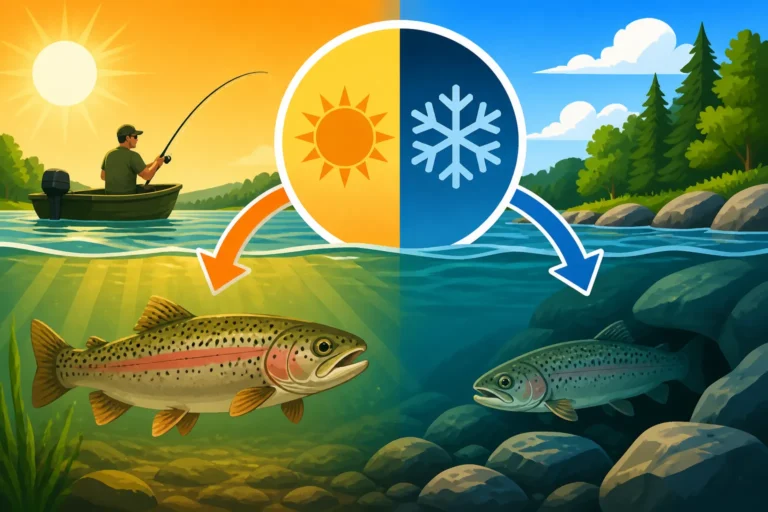
Walleye are opportunistic predators, and their movements are primarily dictated by two things: food and comfort. When they're over deep water, especially in large reservoirs like Lake Erie or even some of Ohio's deeper inland lakes like Mosquito Creek Lake or Caesar Creek Lake, they're not necessarily hugging the bottom. Instead, they might be following schools of baitfish, seeking specific water temperatures, or avoiding bright sunlight. For instance, in the summer, when surface temperatures soar, the deeper, cooler water offers thermal refuge. However, they can't just go anywhere deep; they need oxygen, and they need food.
Often, walleye will suspend at the top or bottom of a thermocline. A thermocline is that invisible layer in the water column where the temperature changes rapidly. It's like an underwater ceiling or floor, and baitfish like emerald shiners or gizzard shad often congregate around these temperature breaks because that's where plankton, their food source, thrives. If the bait is suspended at 25 feet over 60 feet of water, you can bet the walleye won't be far behind. It's a mobile buffet, and walleye are simply following their dinner. Understanding these patterns is key to productive fishing.
Deciphering Your Fish Finder for Suspended Walleye
Your fish finder is your most invaluable tool when it comes to locating suspended walleye. It's not just about seeing blobs; it's about interpreting the information it's giving you. Modern sonar technology has come a long way, but it's only as good as your ability to understand what you're seeing.
Advanced Sonar Settings and Interpretation
The first step is making sure your fish finder is properly set up. Many anglers leave their units on factory default, which might be fine for basic bottom fishing, but it won't cut it for suspended fish. You'll want to adjust your sensitivity, gain, and even the frequency you're using. A higher frequency (like 200 kHz) generally provides better detail and target separation, which is crucial for distinguishing individual walleye from bait balls or debris. Lower frequencies (like 50 kHz) penetrate deeper and give a wider cone angle, but with less detail. Experimenting with a split-screen view showing both frequencies can be incredibly illuminating.
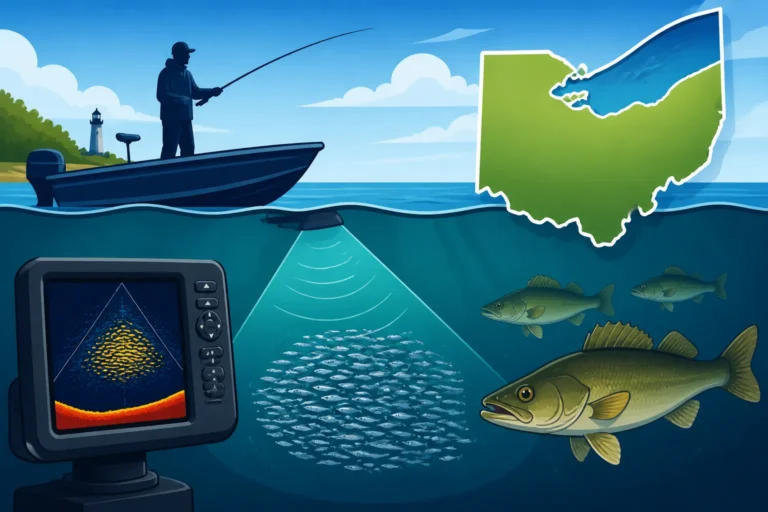
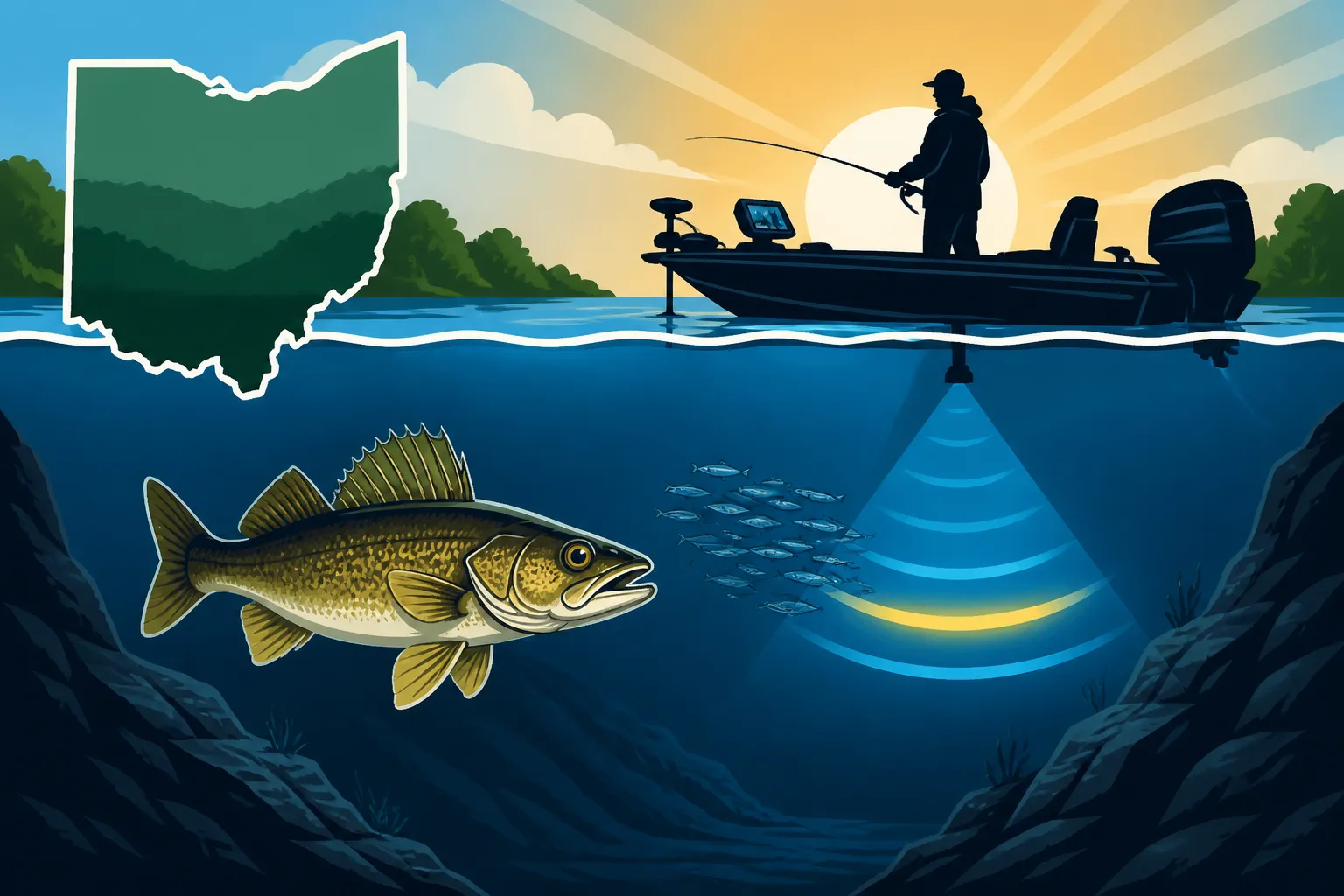
When looking for suspended walleye, pay close attention to arches, dots, and bait balls. A clear, strong arch typically indicates a fish, and the thickness and length of that arch can tell you something about the fish's size. However, walleye might appear as elongated dots or even short dashes if they're not moving directly through the sonar cone or if your boat is moving slowly. Crucially, look for these marks above the bottom. If you see a cluster of smaller dots or a hazy cloud, that's almost certainly a school of baitfish. Walleye will often be positioned just below, within, or directly above these baitfish schools, shadowing them. If you see a large, distinct arch on the edge of a bait ball, that’s a prime target. Learning to differentiate these signals is a skill that develops with practice.
Identifying Baitfish Schools and Walleye Marks
Spotting baitfish is often the first clue to finding suspended walleye. Think of baitfish as the neon sign for a restaurant: if they're there, dinner is probably being served. On your fish finder, baitfish typically appear as dense clouds of small, faint marks. These clouds can be tight and compact, or spread out in a hazier fashion. The key is their depth and density.
Walleye, being apex predators in many Ohio waters, will position themselves strategically around these baitfish schools. They might be lurking just below the school, waiting to ambush any stragglers, or they could be cruising through the middle, picking off targets. Sometimes, you'll see large, distinct arches or even solid lines (depending on your display and boat speed) directly within or adjacent to these bait balls. These are your target walleye. It’s not uncommon to see a single, large arch directly above or below a smaller school of bait. That lone wolf is likely a big walleye eyeing its next meal. Always look for these larger, more defined marks amidst the smaller baitfish returns. If you're on Lake Erie, for example, and seeing huge schools of emerald shiners, keep a sharp eye out for larger, more defined marks on the edges or within these bait clouds. You can find excellent quality marine electronics on Amazon for various budgets, making it easier to see these subtle distinctions.
Effective Techniques for Catching Suspended Walleye
Once you've honed your skills at locating suspended walleye, the next challenge is getting them to bite! This often requires specific techniques that cater to their behavior when they're not hugging the bottom.
Trolling with Crankbaits and Crawler Harnesses
Trolling is arguably the most effective way to cover vast amounts of water and present baits to suspended walleye, especially on larger bodies of water like Lake Erie. The key is to match your lure's running depth to the depth where you're seeing walleye and baitfish. This might mean using diving crankbaits that reach specific depths, or employing planer boards and lead core line to get your baits further away from the boat and down to the desired zone.
When trolling crankbaits, different models are designed to dive to different depths. A dive curve chart, often found online or with the lure packaging, can help you understand how deep a particular crankbait will run at a given speed and line length. For suspended walleye, you might need deep-diving models or even add weight to shallower running baits. Crawler harnesses, often pulled behind bottom bouncers or inline weights, are also highly effective. The spinner blade on a harness creates flash and vibration, attracting walleye. Consider using brightly colored blades or beads in stained water. The goal is to present your bait right at or just above the depth of the suspended fish. If you're seeing walleye at 30 feet, make sure your lure is consistently running at 28-32 feet. Speed is also crucial; often, a slower troll (1.0-1.5 mph) with crawler harnesses or a slightly faster troll (1.8-2.5 mph) with crankbaits will trigger bites. You can learn more about specific techniques in our guide to Trolling for Lake Erie Walleye.
Jigging and Drifting for Finesse Presentations
While trolling covers water, sometimes a more subtle, vertical presentation is what's needed, especially if walleye are tightly schooled or less active. This is where jigging and drifting come into play.
Vertical jigging directly over suspended fish can be deadly. Using a jigging spoon, a blade bait, or a soft plastic jig, you drop your lure directly down to the depth you're seeing the fish on your sonar. The trick is to position your boat precisely over the marks and then make short, sharp lifts and drops with your rod, letting the lure flutter or fall enticingly. Watch your fish finder intently; sometimes, a walleye will rise to meet the bait, or you'll see it follow the lure before committing. A common mistake is jigging too aggressively or too far above the fish. Remember, you want your lure right in their strike zone.
Drifting with live bait is another fantastic option for suspended walleye. This involves letting your boat be carried by the wind or current while presenting a baited hook at a specific depth. A slip bobber rig is perfect for this, allowing you to set your bait precisely where the fish are. Use a lively minnow, a nightcrawler, or even a piece of cut bait. The natural movement of the bait as you drift can be irresistible to suspended walleye. Make sure you use enough weight to get your bait down quickly to the desired depth and keep it there, even with some boat movement. This is a very effective strategy on lakes with good natural current or a steady breeze. Our article on Ohio Walleye Fishing Guide has more in-depth information on techniques like these.
Best Lures and Gear for Suspended Walleye
Having the right gear makes a huge difference. For trolling, invest in good quality trolling rods that have a moderate action, capable of handling the fight of a walleye while absorbing the shock of pulling heavy diving baits or planer boards. Reels with line counters are a game-changer, allowing you to consistently reproduce the exact line length that was successful. Many anglers find durable and reliable line counter reels on Amazon. As for lures, a diverse selection of crankbaits in various diving depths and colors is a must. Consider natural baitfish patterns, but also have some bright, gaudy colors for stained or low-light conditions.
For jigging, sensitive graphite rods are preferred, as they help you feel those subtle walleye bites. A fast-action rod will allow for quick hooksets. Line choice is also important; many anglers prefer braid with a fluorocarbon leader for jigging, as it offers superior sensitivity and less stretch. Keep a variety of jigging spoons, blade baits, and soft plastics on hand, varying in weight and color. Blade baits like the Silver Buddy or Vibrato work wonders, as do soft plastic swimbaits on a jig head. Don't forget live bait for drifting – fresh minnows and nightcrawlers are often irresistible. A good tackle box organizer (which you can also find readily on Amazon) to keep all these specific lures and weights organized by depth and type will save you headaches on the water.
Here's a quick comparison of techniques for suspended walleye:
| Technique | Best For | Typical Depth Range | Advantages | Disadvantages | Key Gear |
|---|---|---|---|---|---|
| Trolling | Covering large areas, active fish, searching | Mid-water to deep | Efficient, targets wide depth range, multiple lines | Requires boat, specific equipment, less "feel" | Line counter reels, planer boards, diving crankbaits, crawler harnesses |
| Vertical Jigging | Precise targeting, less active fish, specific marks | Anywhere in water column | Direct presentation, excellent "feel" for bites, good for small schools | Requires precise boat control, can be slower than trolling | Sensitive rod, braid/fluoro line, jigging spoons, blade baits, soft plastic jigs |
| Drifting | Moderate current/wind, natural presentation | Any depth (slip bobber) | Very natural, effective with live bait, less boat noise | Dependent on natural drift, slower search, less precise depth control | Slip bobbers, live bait (minnows/crawlers), light weights |
Remember to always consult the Ohio Fishing Regulations Every Angler Should Know before heading out, especially concerning the number of lines you can use. The Ohio Department of Natural Resources (ODNR) also provides valuable resources on Ohio Fishing Season Dates and Effective Periods that can influence walleye behavior. For specific rod and reel setups, our guide on Best Rod and Reel Setup for Lake Erie Walleye might offer some useful insights. And if you're ever looking for a guided trip to learn these techniques firsthand, check out our Ohio Fishing Charter Guide.
Locating and catching suspended walleye over deep water can seem daunting, but by understanding their motivations, properly utilizing your electronics, and employing the right techniques, you can turn those elusive marks into memorable catches. It’s all about putting the pieces of the puzzle together, and with a little practice, you'll be a pro at it in no time!
Disclaimer
This article is for general informational purposes only and does not constitute professional advice. Laws, prices and regulations vary by location and change over time. Consult a qualified professional for guidance on your specific situation.