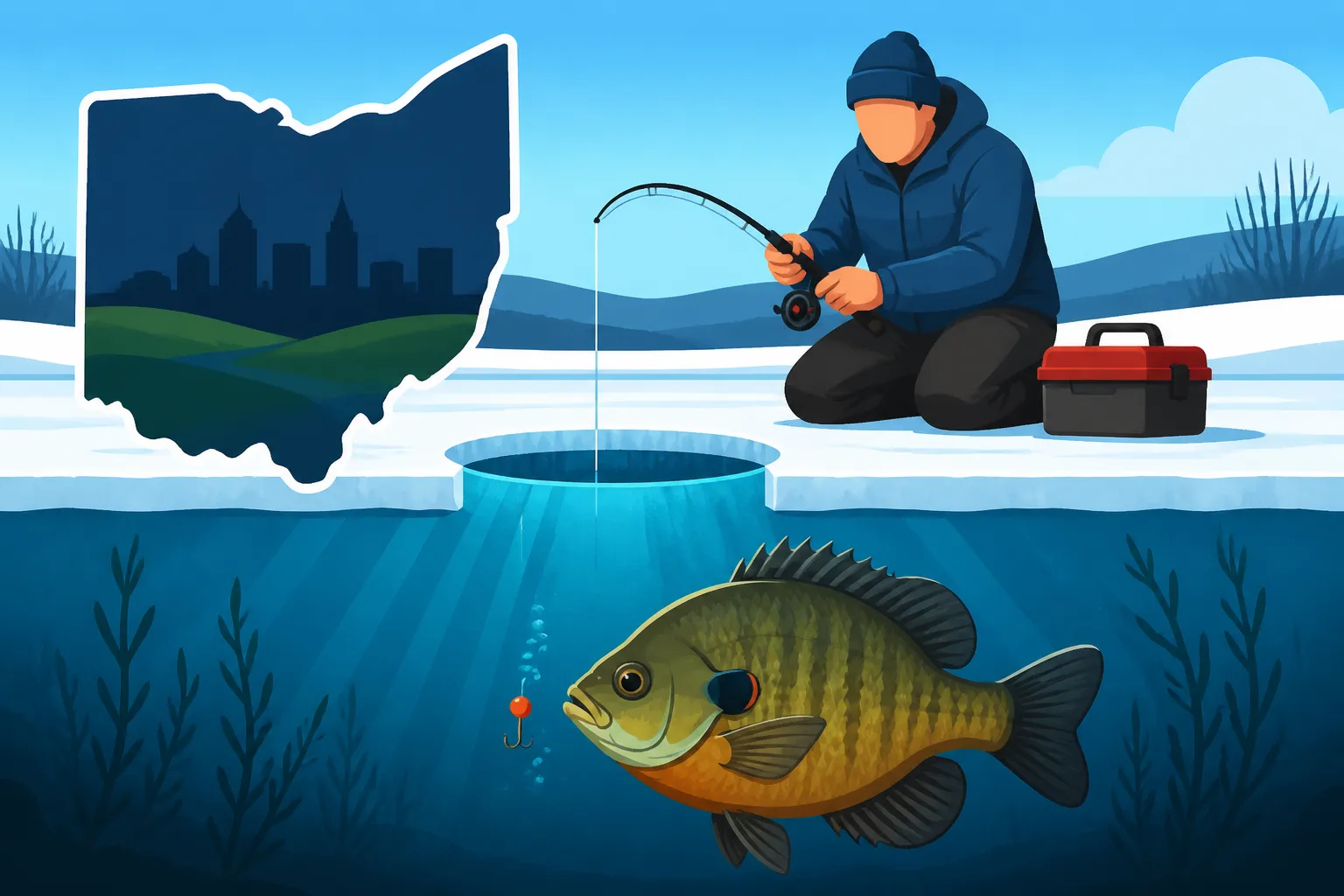
How to Catch Bluegill Through the Ice in Ohio
There's nothing quite like the crisp, quiet solitude of ice fishing in Ohio, but let's be honest, it can sometimes feel like you're fishing in a frozen desert, especially when you're targeting those elusive bluegill. It's frustrating when you drill hole after hole, brave the biting wind, and still come up empty-handed while others seem to be pulling them out left and right. This comprehensive guide is designed to cut through that frustration, giving you the knowledge and techniques to consistently catch bluegill through the ice across Ohio's many fantastic frozen waterways.
Understanding Bluegill Behavior Under Ice
Bluegill might seem simple, but their behavior changes drastically once the hard water arrives. Understanding their winter patterns is your first step to filling that bucket. They're not just swimming around aimlessly; they're conserving energy, seeking warmth, and looking for easy meals. Knowing their habits will help you narrow down your search and present your bait effectively.
Where Bluegill Hide in Winter
When the ice covers Ohio's lakes and ponds, bluegill don't just disappear. They tend to congregate in specific areas that offer them a combination of food, shelter, and slightly warmer water. Think structure, structure, structure. Submerged weeds, fallen trees, brush piles, old dock pilings, and even subtle changes in bottom contours like small humps or depressions are prime real estate. These areas hold insect larvae, small crustaceans, and other forage that bluegill rely on.
In early ice conditions, bluegill often remain in shallower water, especially if there's still green vegetation providing oxygen and cover. As winter progresses and ice thickens, they might move to deeper water where the temperature is more stable, usually along the edges of drop-offs or near the basin of smaller ponds. They'll hug the bottom or suspend just above submerged structures. You might find them in depths of 8 to 20 feet, but sometimes even shallower if there’s a good weed bed. Don't be afraid to experiment with different depths, but always start by looking for some kind of cover. Remember, bluegill are schooling fish, so when you find one, you've likely found a whole group!
What Bluegill Eat When It's Cold
Bluegill are opportunistic feeders, but their metabolism slows down significantly in cold water. This means they're looking for small, easy-to-digest meals that require minimal effort to catch. You won't see them chasing down big minnows like a walleye might. Instead, they focus on aquatic insects like bloodworms, midge larvae, mayfly nymphs, and zooplankton. Small freshwater shrimp and even tiny snails are also on their menu.
This preference for small, subtle prey directly influences your bait and lure choices. You need to mimic these tiny organisms. Think small jigs tipped with live bait or micro-plastics. Forget the big, flashy stuff; winter bluegill want finesse. The presentation needs to be gentle and enticing, making it seem like an easy snack rather than something they have to work for. A tiny tungsten jig with a single spike of a waxworm often proves irresistible because it perfectly imitates their natural food source.
Ideal Ice Fishing Conditions for Bluegill
While bluegill can be caught throughout the ice season, certain conditions can make them more active and willing to bite. Overcast days, often with light snow or flurries, tend to be excellent for bluegill. The reduced light penetration makes them feel more secure and encourages them to move out from heavy cover. Bright, sunny days can push them deeper or tighter into dense structure, making them harder to find.
Stable barometric pressure is also key. Dramatic swings in pressure, whether rising or falling rapidly, often put fish into a funk. A steady high pressure system or even a slowly falling pressure front before a snowstorm can trigger a feeding frenzy. Also, pay attention to the moon phase. Anecdotally, many experienced ice anglers swear by the days leading up to and after a full or new moon. Regardless of the conditions, patience and persistence are always your best allies when ice fishing for bluegill. If you’re not finding them in one spot, be prepared to move and drill more holes.
Essential Gear for Ohio Bluegill Ice Fishing
Having the right gear makes all the difference between a frustrating day and a fantastic bluegill bite. You don't need a huge budget, but investing in a few key items tailored for ice fishing will dramatically improve your success.
Rods, Reels, and Line Selection
For bluegill, you want ultra-light finesse gear. A specialized ice fishing rod, typically 24 to 30 inches long, with a very sensitive tip is crucial. This allows you to detect those incredibly subtle bites that feel like nothing more than a slight "tick" or even just slackening of your line. A good example might be an ugly Stik GX2 Ice Rod or something similar. Pair this with a small spinning reel, often a 500 or 1000 size, that has a smooth drag system. When you're battling a nice Ohio bluegill, you want that drag to work flawlessly, preventing line breaks on those thin lines.
Speaking of line, fluorocarbon is often preferred for its near-invisibility and low stretch, which helps with bite detection. Monofilament can also work, especially if you prefer a little more stretch. The key is to go light – typically 2 to 4-pound test line is all you need. Thicker lines are too visible and will inhibit the natural action of your tiny lures. Many anglers spool up with a high-visibility monofilament backing and then tie on a short, 2-3 foot leader of clear fluorocarbon. This gives you the best of both worlds: easy line monitoring above the ice and stealth below. You can find excellent spools of line like Berkley Trilene Ice or P-Line Floroice on Amazon, ensuring you're ready for those delicate panfish bites.
Choosing the Right Baits and Lures
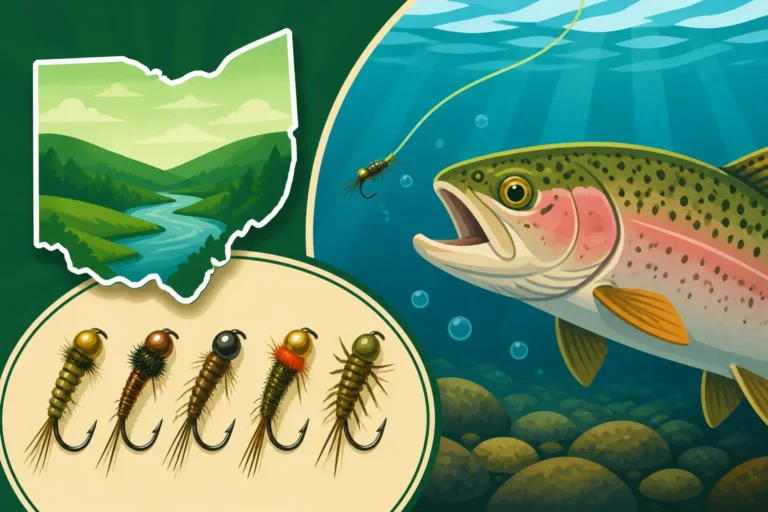
This is where the magic happens for bluegill. Your arsenal should be tiny and varied. Tungsten jigs are a game-changer because they're much heavier than lead for their size, allowing them to get down to depth faster and feel better on your ultra-light rod. Popular styles include teardrops, horizontal jigs, and small fly-imitating jigs. Colors can vary, but generally, glow-in-the-dark, chartreuse, pink, orange, and natural insect colors (like black, brown, and olive) are excellent choices.
For tipping these jigs, live bait is often king. Waxworms, spikes (maggots), and mousses are incredibly effective. A single spike or half a waxworm is usually enough to entice a bluegill without overpowering your tiny jig. Artificial soft plastics are also gaining popularity. Micro-sized soft plastics like Northland Tackle's Impulse Bloodworm or Maki Plastics' series, mimicking worms, larvae, or small aquatic insects, can be incredibly potent, especially when tipped with scent or paired with a tungsten jig. These tiny plastics provide action and profile without the need to constantly re-bait. For finding the best selection, search for "ice fishing panfish jigs" on Amazon to see a wide range of options.
Must-Have Ice Fishing Accessories
Beyond your rod and reel, a few key accessories will make your bluegill ice fishing experience more comfortable and productive. First, an ice auger is essential for drilling holes. Whether you prefer a hand auger, a propane-powered auger like a Strikemaster, or a modern electric auger, it needs to be sharp and efficient. You’ll be drilling a lot of holes when you're targeting bluegill, so ease of use is paramount. Check out our guide on the Best Auger for Ohio Ice Fishing to help you choose.
Next, a portable flasher or fish finder is almost a necessity. These devices, like those from Vexilar or Marcum, allow you to see your lure, detect fish below, and observe how they react to your presentation in real-time. This feedback is invaluable. Other essentials include a comfortable bucket or portable chair, a scoop to clear ice chips from your hole, needle-nose pliers or a hemostat for hook removal (especially with tiny hooks), and a small tackle box for your jigs and baits. Don’t forget a cooler to keep your catches fresh and your live bait lively – knowing Best Way to Keep Minnows Alive While Perch Fishing applies equally to your waxworms and spikes.
Proven Techniques for Targeting Bluegill Through the Ice
Once you've got your gear and you know where bluegill tend to hang out, it's time to put some proven techniques into practice. Ice fishing for bluegill is often about finesse and quick adjustments.
Hole-Hopping for Active Fish
This is arguably the most effective strategy for bluegill, especially in mid-winter. Bluegill, while schooling, don't always stay in one tight spot. Instead of sitting stubbornly over one hole hoping fish will eventually swim by, you need to be proactive. Drill a series of holes, perhaps 10-20 feet apart, spanning different depths or along a structure like a weed line or drop-off. Then, you "hole-hop," fishing each hole for only a few minutes, maybe 5-10 at most.
If you don't get a bite or see fish on your flasher, move to the next hole. The goal is to quickly locate active schools of bluegill that are willing to bite. When you do find them, stay on that hole until the action slows down, then move back to check previous productive holes or continue exploring new ones. This aggressive approach is far more effective than waiting around, especially on larger lakes in Ohio. Remember to always be mindful of Ice Fishing Rules on Ohio Lakes regarding hole spacing and number of lines.
Jigging Strategies and Presentation
Bluegill bites can be incredibly subtle, so your jigging presentation is paramount. The general rule is to start subtle and gradually get more aggressive until you find what the fish want. Begin by lowering your tiny jig to the depth where you expect fish (or where your flasher shows them). Gently "quiver" the rod tip, just enough to make your lure dance without moving it too far vertically. Imagine a tiny insect struggling. After a few seconds of quivering, let the lure rest completely still for 5-10 seconds. Many bites happen on the pause.
If this subtle approach isn't working, try a slightly more aggressive lift-and-drop. Lift your rod tip 6-12 inches, then let the lure fall back on a semi-slack line. Watch your line very closely on the fall; bluegill often hit as the lure drops. Sometimes a small "snap" of the wrist, just enough to make the bait jump a few inches, can trigger a strike. Always pay attention to what depth you get bites at. If you’re catching them at 12 feet, try to keep your presentation in that zone. These techniques are very similar to what works when learning Ice Fishing Techniques for Ohio Crappie, as both species share similar winter habits.
Using Electronics to Your Advantage
A portable flasher or fish finder is a game-changer for bluegill ice fishing. It takes away the guesswork and allows you to understand what's happening beneath the ice in real-time. With a flasher, you can see your lure on the screen, identify the depth you're fishing, and most importantly, detect fish as they approach your bait.
When you drop your lure, you'll see it as a distinct mark on the flasher. If fish appear as arcs or lines below or near your lure, you can then adjust your presentation. Are they rising to meet your bait aggressively? Or are they just suspending below it, needing more coaxing? You can raise or lower your lure to match their depth, or change your jigging cadence to try and entice a strike. Without a flasher, you're fishing blind. With one, you're actively engaging with the fish, making adjustments, and learning what works right then and there. This real-time feedback is invaluable for finding bluegill schools and maximizing your catch rate.
Safety and Practical Tips for Ohio Ice Anglers
Ice fishing is a fantastic winter pastime, but it comes with inherent risks. Prioritizing safety and following best practices will ensure you have a fun, successful, and most importantly, safe day on the hard water.
Ice Safety First
This cannot be stressed enough: NEVER ASSUME ICE IS SAFE. Ice thickness can vary dramatically, even on the same body of water. Always check ice thickness as you go, especially at the beginning of the season or after warm spells. A minimum of 4 inches of clear, solid ice is generally recommended for walking, but 5-7 inches is much safer for groups. Avoid areas with current, springs, or inlets/outlets, as these can create thinner ice. Our detailed guide on How Thick Ice Should Be Before Fishing in Ohio provides crucial information on this topic.
Always tell someone where you're going and when you expect to return. Carry ice picks around your neck, a spud bar to check ice thickness ahead of you, and a throw rope. Consider fishing with a buddy. If you do fall through, remain calm, use your ice picks to get a grip, and kick your legs to propel yourself onto the ice. Once out, roll away from the hole to distribute your weight, then seek shelter and warm up immediately to prevent hypothermia.
Dressing for Success on the Ice
Staying warm and dry is essential for enjoying your time on the ice. Layering is key. Start with a moisture-wicking base layer (not cotton!), add insulating middle layers like fleece or wool, and finish with a waterproof and windproof outer shell. A good ice fishing suit, often insulated and buoyant, is an excellent investment. Brands like Eskimo or Striker Ice offer great options available on Amazon that provide both warmth and safety features.
Don't forget your extremities. A warm hat that covers your ears, insulated gloves or mittens, and waterproof, insulated boots are non-negotiable. Chemical hand warmers and foot warmers can also be a lifesaver on bitterly cold days. It's always better to overdress and shed layers than to be underdressed and miserable (or worse, hypothermic). A warm angler is a comfortable angler, and a comfortable angler is a patient angler – a trait often rewarded with more fish!
Regulations and Best Practices
Before heading out, always familiarize yourself with the current Ohio Fishing Regulations Every Angler Should Know. The Ohio Department of Natural Resources (ODNR) updates these annually, and they can vary by water body. Pay close attention to daily bag limits and any special regulations for particular lakes or reservoirs. For bluegill, the statewide daily bag limit is generous, but it's important to know the rules.
Practice ethical angling. Only keep what you can realistically eat, and consider releasing larger bluegill to ensure healthy breeding populations. Handle fish gently, especially if you plan to release them, and get them back in the water quickly. Pick up all your trash, including discarded fishing line and bait containers. We all share Ohio's beautiful waterways, and it's our responsibility to keep them clean and healthy for future generations of anglers. By following these guidelines, you're not just ensuring your own safety and success, but also contributing to the overall health of our cherished fishing resources. You might even discover some of the Best Places to Catch Bluegill in Ohio along the way!
Disclaimer
The information provided in this guide is for general informational purposes only and is subject to change. Always consult the official Ohio Department of Natural Resources (ODNR) regulations and guidelines before engaging in any fishing activities. Ice conditions can be unpredictable; prioritize safety and exercise extreme caution when on the ice.