Do Ohio Trout Survive the Summer in Stocked Lakes?
It's a question every Ohio angler who loves chasing trout eventually asks: "Do those beautiful rainbow trout the ODNR stocks actually make it through our hot Ohio summers?" We spend so much time planning our spring trips, enjoying the rush of catching these feisty fish, and then as the temperatures climb, a little piece of us hopes they're still down there, hanging out in some cool pocket of water. Unfortunately, the reality for most stocked trout in Ohio's lakes and ponds is a pretty tough one once the dog days of summer hit. This guide will dive deep into why that is, where exceptions might exist, and what it means for your fishing strategy.
Understanding Ohio's Trout Stocking Program
For many years, the Ohio Department of Natural Resources (ODNR) has done a fantastic job of providing put-and-take trout fishing opportunities across the state. It's a cherished program that introduces countless people, especially kids, to the joy of fishing.
Why Ohio Stocks Trout Annually
The primary reason Ohio stocks trout is to create immediate fishing opportunities, especially during the cooler months of spring and sometimes fall, when these fish can thrive. Think of it as a "put-and-take" fishery. These trout are raised in hatcheries, like the London Fish Hatchery, until they reach a catchable size, typically around 10-13 inches. They are then released into dozens of lakes and ponds across Ohio, from community ponds in major cities to larger state park lakes. The goal isn't necessarily long-term survival for the individual fish, but rather to provide a fun, accessible fishing experience for a wide range of anglers. It’s a fantastic program that gets people outdoors and rods bent when other species might be less active.
The Species of Trout Stocked in Ohio
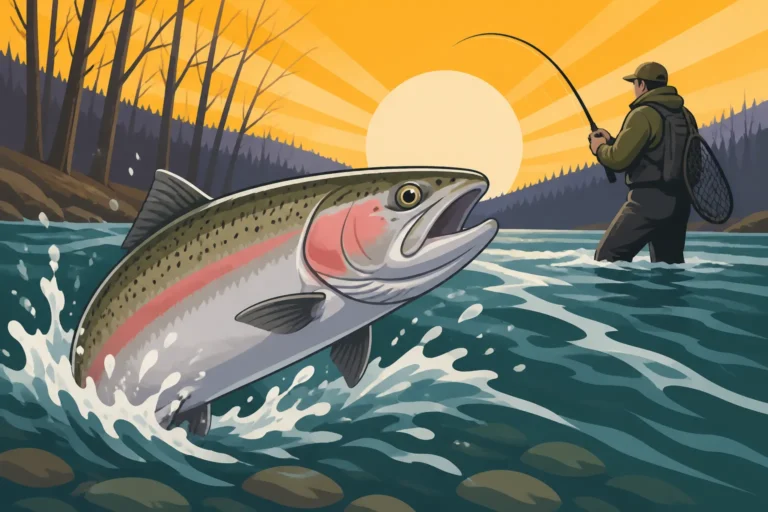
When we talk about stocked trout in Ohio, we're almost exclusively talking about rainbow trout. These hardy, colorful fish are a favorite for their feisty fight and decent eating quality. They grow relatively fast in a hatchery environment, making them ideal for the put-and-take program. While some specialized coldwater streams in Ohio might hold native brook trout or have very limited brown trout populations, the vast majority of what you'll encounter in a stocked lake are rainbows.
The ODNR aims to stock trout that are a good size for immediate angling. If you're wondering about the specific dimensions, we have a detailed guide on the Size of Rainbow Trout Stocked in Ohio Lakes that breaks down what you can typically expect. These fish, while robust for their size, are still quite sensitive to environmental changes once they leave the controlled conditions of the hatchery.
The Harsh Reality: Summer Survival Challenges for Trout in Ohio
Now, let's get to the heart of the matter. While we all wish those stocked trout could hang on through the sweltering heat, the natural conditions of most Ohio waters are simply not conducive to their long-term survival once summer truly sets in.
The Critical Role of Water Temperature
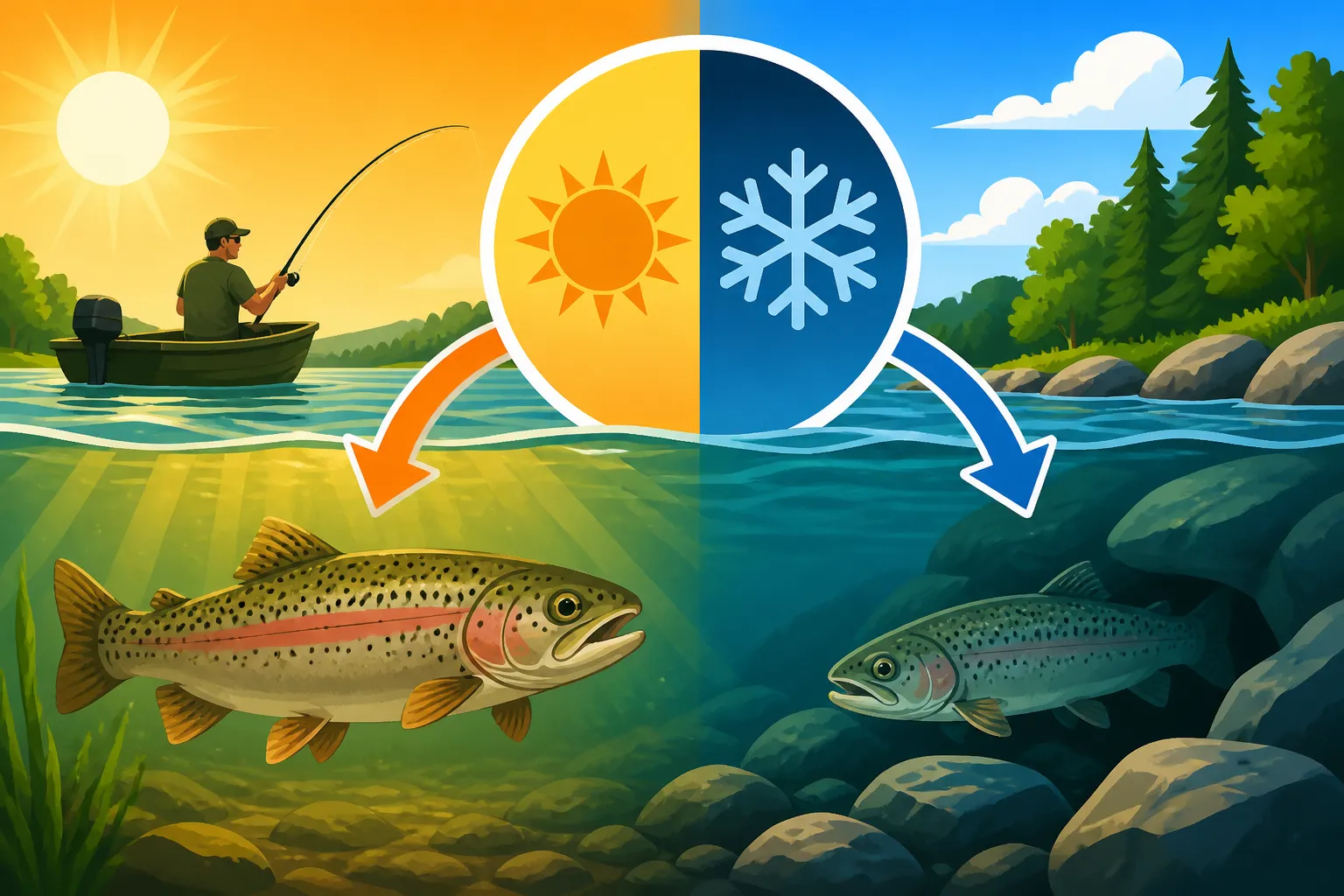
Trout are coldwater fish, plain and simple. They thrive in water temperatures generally between 45°F and 65°F. Once the water temperature consistently climbs above 70°F, they start to experience significant stress. Above 75°F, it quickly becomes lethal.
Here in Ohio, our summers are hot, and our lakes and ponds, especially the shallower ones, warm up rapidly. Picture a sunny July afternoon on a local pond. The surface water can easily reach the high 70s or even 80s. While some fish, like bass or bluegill, are perfectly happy in these warmer conditions, trout simply can't cope. Their metabolism goes into overdrive, they can't get enough oxygen from the warmer water, and their immune systems weaken, making them susceptible to disease. It's like asking someone who thrives in cool, crisp mountain air to run a marathon in a sauna – it's just not going to end well.
Limited Deep-Water Refuges and Oxygen Depletion
You might think, "Well, can't they just go to deeper water where it's cooler?" And that's a great thought! In some natural, deep lakes with consistent coldwater input, that might be possible. However, many of the lakes and ponds stocked in Ohio are relatively shallow or, even if they have depth, they suffer from a common summer phenomenon called thermal stratification.
When a lake stratifies, it forms distinct layers: a warm upper layer (epilimnion), a rapidly cooling middle layer (thermocline), and a cold, deep bottom layer (hypolimnion). The problem is, while the hypolimnion might be cold, it often becomes severely depleted of oxygen (anoxic) during the summer. This oxygen depletion happens because decaying organic matter (leaves, algae, dead plants) on the lake bottom consumes oxygen, and without circulation, that oxygen isn't replenished.
So, a trout seeking refuge from the heat might find cold water in the depths, only to suffocate due to lack of oxygen. It's a cruel Catch-22. They can either stay in the warm, oxygenated water and slowly die from heat stress, or go to the cold, anoxic water and quickly suffocate. Most smaller, man-made lakes and urban ponds in Ohio lack the perfect combination of deep, consistently cold, and oxygenated water that trout need for summer survival.
Predation and Competition
Even if a stocked trout manages to find a sliver of cool, oxygenated water, it then faces increased predation and competition. Warmer waters are prime territory for Ohio's native warm-water game fish like largemouth bass, channel catfish, and even larger panfish. These species are actively feeding and thriving in the summer heat.
Imagine a hatchery-raised rainbow trout, stressed from the heat and lack of oxygen, trying to evade a hungry, healthy largemouth bass. The trout, likely weakened and disoriented, becomes an easy target. Furthermore, even if direct predation isn't an issue, these native species are competing for the same limited food resources. Our stocked trout are accustomed to a hatchery diet and often struggle to adapt to foraging efficiently in a new environment, especially when stressed by environmental conditions. This combination of factors stacks the odds heavily against their summer survival.
Rare Exceptions: Where Trout Might Survive the Summer
While the outlook is generally bleak for stocked trout in most Ohio waters, there are a few rare instances and specific types of water bodies where some trout might, against all odds, make it through a typical Ohio summer, or at least survive longer than their counterparts.
Spring-Fed Lakes and Streams
The key to long-term trout survival in Ohio is a consistent source of cold, clean, oxygenated water, and that often comes from natural springs. Spring-fed lakes and streams can act as coldwater oases, maintaining cooler temperatures even when air temperatures soar. These springs continually introduce fresh, cold groundwater, which helps to keep water temperatures within a tolerable range for trout and often provides a higher dissolved oxygen content.
Ohio does have a few precious spring-fed streams, like parts of the Mad River in west-central Ohio, or sections of the Clear Fork River below Pleasant Hill Dam. These areas are unique and are often managed as year-round trout fisheries, sometimes even supporting wild or naturally reproducing trout populations. However, these are exceptions, not the rule, for the majority of Ohio's stocked waters. For most of the ODNR's standard put-and-take stocking locations, don't count on a robust spring-fed system keeping those trout alive.
Tailwaters Below Dams
Another potential scenario for extended trout survival is in the "tailwaters" below certain large dams. When water is released from the bottom of a deep reservoir, it often comes from the colder, deeper layers of the lake. This creates a stretch of river downstream from the dam that can remain significantly cooler than other waterways, even during hot weather.
A prime example in Ohio would be the Clear Fork River below Pleasant Hill Dam, which I just mentioned. The dam releases cold water from the bottom of the reservoir, creating a stretch of river that can sustain trout. These tailwater fisheries are highly prized because they offer a unique coldwater habitat in a generally warm-water state. But again, these are specific, geographically limited areas, and not typical of your average stocked park pond or small lake.
Unusually Cool Summers
Of course, Mother Nature always has the final say. An unusually cool summer, characterized by consistently lower air temperatures, frequent rainfall, and prolonged periods without intense heat, could theoretically extend the survival window for some stocked trout. If water temperatures never consistently breach that critical 70°F mark, and oxygen levels remain stable, a few hardy individuals might indeed make it through.
However, relying on an "unusually cool summer" is not a fishing strategy. It's a rare occurrence, and even then, factors like predation and disease still take their toll. For practical purposes, anglers should assume that stocked trout in most Ohio waters are a seasonal resource, intended to be caught shortly after stocking.
Implications for Anglers: What This Means for Your Fishing Strategy
Understanding the short-term nature of most stocked trout fisheries in Ohio is crucial for planning successful and enjoyable fishing trips. It changes your approach and helps manage expectations.
Targeting Trout in Spring and Fall
Given the challenges of summer survival, the absolute best times to target stocked trout in Ohio are during the spring and, where applicable, the fall stocking periods. The ODNR typically announces their stocking schedules, and these are the windows when you'll find the highest concentrations of healthy, active fish.
You can often find the exact schedule by looking up Ohio Inland Trout Stocking Months or by keeping an eye on the ODNR's website. They aim to get these fish out when water temperatures are ideal, usually from March through May and then again in October or November, depending on the specific location and species. Fishing during these times means you're targeting fish that are fresh from the hatchery, less stressed, and eager to bite. It's a great opportunity to introduce beginners to fishing because the action can be fast and furious! We even have a guide specifically on When Ohio's Rainbow Trout Are Stocked that can help you plan your outings.
Adjusting Expectations and Techniques
Because these fisheries are often "put-and-take," you need to adjust your expectations. Don't go to a stocked pond in August hoping to catch the same trout you caught in April; it's highly unlikely. Instead, embrace the immediate opportunity these stockings provide.
When fishing for freshly stocked trout, you don't always need complex techniques. Simple and effective baits like PowerBait (especially the bright, colorful varieties), corn, nightcrawlers, or even small inline spinners (like those from Panther Martin or Mepps, readily available on Amazon) can be incredibly effective. A light action rod with 4-6 lb test line is usually plenty.
One critical piece of gear that becomes more important as temperatures rise, even early in the season, is a reliable water thermometer. You can find excellent, easy-to-use models on Amazon. Monitoring the water temperature will not only tell you if trout are likely to be active but also inform your decisions about catch and release, as stressed fish in warm water have a much lower survival rate if released. For more general guidelines, check out Ohio Fishing Season Dates and Effective Periods to help plan your year.
Catch and Release Considerations
This is where empathy and realistic expectations truly come into play. While catch and release is a noble and often encouraged practice in fishing, it's essential to consider the trout's welfare in warmer conditions. If you're fishing a stocked lake in late spring or early summer, and the water temperatures are already pushing into the high 60s or 70s, a released trout's chances of survival are significantly diminished, even if handled carefully.
When water temperatures are marginal or warm, it's generally more humane to keep your legal limit of fish, rather than releasing them only for them to succumb to stress or die shortly after. The ODNR provides specific Ohio Inland Trout Daily Limit guidelines, and it's always wise to be familiar with the broader Ohio Fishing Regulations Every Angler Should Know before you head out. These stocked trout are, by design, intended to be harvested. If you do choose to release, do so quickly, keep the fish in the water as much as possible, and avoid excessive handling.
| Factor | Impact on Trout Survival in Ohio Summer | Explanation |
|---|---|---|
| Water Temperature | Extremely Negative | Trout need 45-65°F; Ohio summers push temperatures well above 70°F, causing stress and death. |
| Dissolved Oxygen | Extremely Negative | Warm water holds less oxygen. Deeper, cooler layers often become anoxic (no oxygen) due to decomposition, creating a "squeeze" for trout. |
| Lake/Pond Depth | Negative (for shallow waters) | Shallow waters heat up uniformly, leaving no cold refuge. Even deeper lakes often stratify and have oxygen-poor bottom layers. |
| Spring/Tailwater Input | Positive (in specific areas) | Constant influx of cold, oxygenated water from springs or dam releases can create microclimates where trout can survive. These are rare in Ohio. |
| Predation | Negative | Warm-water predators like bass and catfish are active and thrive in summer, easily targeting stressed and disoriented stocked trout. |
| Competition | Negative | Native warm-water species compete for dwindling food resources with hatchery-raised trout, which are often less adept at foraging in wild environments. |
| Summer Weather | Varies (usually negative) | Typical hot Ohio summers are detrimental. Unusually cool summers with frequent rain could prolong survival, but this is uncommon. |
Disclaimer
The information provided in this guide is for general informational purposes only and is not a substitute for official regulations. Always consult the latest Ohio Department of Natural Resources (ODNR) fishing regulations before engaging in any fishing activities. Fishing conditions and regulations can change, and it is the angler's responsibility to stay informed.