How to Chum for Yellow Perch
There’s nothing quite like the thrill of feeling that quick, tell-tale peck on your line, setting the hook, and reeling in a plump Ohio yellow perch. But let's be honest, sometimes those schools of perch seem to play hide-and-seek, leaving you wondering where they went or how to get them to bite consistently. If you've ever felt that frustration, you're not alone, and this guide is here to walk you through one of the most effective strategies for attracting and holding yellow perch: the art of chumming.
Understanding Why Chumming Works for Yellow Perch
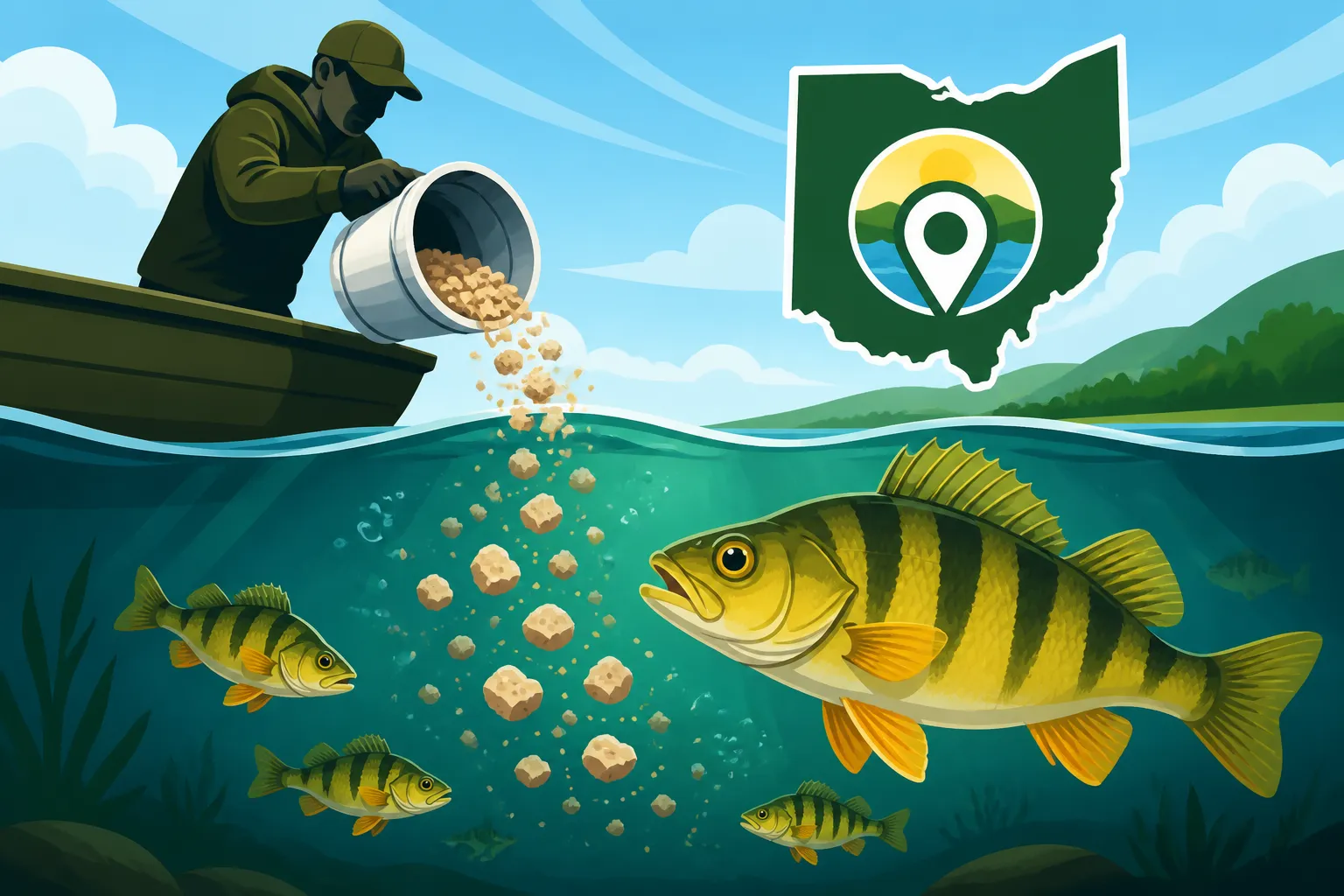
Chumming isn't just about throwing food in the water; it's a strategic technique that taps into the natural instincts of yellow perch. These schooling fish are constantly on the lookout for their next meal, and by creating a steady, appealing scent and visual trail, you're essentially ringing the dinner bell right in their neighborhood. It takes away the guesswork and brings the fish to you, concentrating them in a manageable area.
The Perch's Keen Sense of Smell and Sight
Yellow perch are opportunistic feeders with incredibly sharp senses. They use their eyes to spot movement and flashes in the water, but their sense of smell is arguably even more crucial for locating food sources, especially in stained or deeper water where visibility is limited. When you introduce chum into the water column, you’re creating a plume of scent particles that can travel a surprising distance, acting like an invisible magnet.
Imagine a perch cruising along the bottom of Lake Erie. Suddenly, it picks up a faint whiff of something delicious – crushed minnow, perhaps, or a bit of ground worm. This subtle scent trail immediately triggers its feeding instinct. As it follows the trail, the scent intensifies, leading it directly to your chumming zone. It’s not just about what they see, but what they smell that draws them in. This is especially true when you're targeting perch in the deeper sections of lakes or during periods of low light, where visual cues are less effective.
Creating a Feeding Frenzy
Once the initial perch are attracted by the scent, the visual component of the chum comes into play. Small pieces of bait or feed scattered in the water simulate a natural feeding opportunity, signaling to other perch that food is readily available and safe to consume. This often initiates a cascade effect. One perch starts feeding, then another, and soon you have an entire school congregated around your chum.
This "feeding frenzy" aspect is incredibly beneficial. Perch, being competitive feeders, will often become less wary and more aggressive when surrounded by other actively feeding fish. This means they're more likely to strike your baited hook. A well-executed chumming strategy not only attracts fish but also keeps them engaged and focused on eating, which can prolong your bite window and lead to much more consistent catches. Think of it as creating your own little self-sustaining ecosystem for a short time, drawing in fish that might otherwise be scattered and difficult to locate. For more insights on how these fish behave, check out our comprehensive guide on Yellow Perch Identification and Habits.
What to Use as Chum for Ohio Yellow Perch
Choosing the right type of chum is paramount to your success. The goal is to present something appetizing that will attract perch without immediately filling them up. A variety of options exist, from natural baits to commercial blends and even homemade concoctions. The key is often a mix of scent, visual appeal, and a texture that disperses well in the water.
Natural Bait Options
Using natural baits as chum is often the most effective approach, as it closely mimics the perch's natural diet.
- Minnows: Small, live or dead minnows, often cut into pieces, are perhaps the most potent perch chum. Their natural oils and scent are irresistible. You can simply cut a few up and toss them over, or for slower release, crush them slightly and put them in a chum bag. The flash of tiny minnow pieces can also be a strong visual attractant. Just be mindful of local regulations regarding live bait use and species-specific rules.
- Worms: Earthworms, nightcrawlers, or redworms are another fantastic option. Chopping them into small pieces releases their scent and creates a wriggling, enticing visual. A handful of chopped worms can go a long way in attracting perch. Many anglers will save their leftover bait worms specifically for this purpose.
- Maggots (Larvae): These tiny, squirming morsels are incredibly attractive to perch. They are small enough not to fill the fish quickly, and their constant movement creates a lively, natural appearance in the water. You can buy them in bulk from bait shops or even some pet stores. A small pinch tossed overboard periodically can keep a school of perch engaged for a long time.
The beauty of using these natural baits is that they are already part of the perch's diet, making them highly recognizable and trustworthy food sources.
Commercial Chum Mixtures
If you’re looking for convenience or a specific formulation, commercial chum is an excellent choice. Many tackle shops and online retailers, like Amazon, offer a variety of ready-made chum products designed for panfish and perch.
- Pellets and Blocks: These often contain a concentrated blend of fish meal, oils, and other attractants. Pellets can be slowly released from a dispenser or scattered, while chum blocks are designed to slowly dissolve, releasing a steady stream of scent and particles. They are particularly effective for a consistent, hands-off approach.
- Powdered Mixes: These usually require mixing with water to form a paste or dough. You can customize the consistency to control how quickly it disperses. Some powdered mixes contain glitter or reflective flakes to add a visual element that mimics baitfish scales, making them even more attractive. Many anglers like to add extra ingredients to these mixes, such as garlic scent or an extra splash of fish oil, to give them a unique edge. A quick search on Amazon will reveal numerous options, from concentrated fish meal pellets to finely ground attractant powders. Always check reviews to see what other anglers in your area are finding success with.
DIY Chum Recipes
For the angler who loves a project, making your own chum can be both cost-effective and highly rewarding. The beauty of DIY chum is that you can tailor it exactly to your preferences and the conditions you’re fishing.
- Oatmeal & Bread Crumb Mix: This is a classic base. Mix rolled oats, bread crumbs, and a bit of cornmeal. Add water to create a thick paste or dough. To boost its appeal, incorporate a few key ingredients:
- Garlic Powder: Fish, especially perch, are often attracted to garlic scent.
- Anise Oil: A classic fish attractant, anise oil has a strong, liquorice-like smell.
- Fish Oil: A few drops of menhaden oil or other fish oil will create a strong, oily scent slick on the water, drawing fish from a distance. You can often find fish oil products specifically for fishing on Amazon.
- Leftover Fish Parts: If you’ve cleaned fish recently, grind up the guts, heads, and bones into a fine paste. This is incredibly potent and free!
- Canned Cat Food: Believe it or not, cheap canned cat food (especially fish-flavored varieties) makes excellent chum. Mash it up, and the strong scent and finely ground particles will create an appealing cloud in the water. You can even poke holes in the can and lower it into a chum pot for a slow release.
When creating DIY chum, aim for a consistency that disperses slowly. You want a constant, gentle release, not a massive dump that might spook the fish or fill them up too quickly.
Effective Chumming Techniques for Yellow Perch in Ohio
Chumming isn't just what you use, but how you use it. The best chum in the world won't do much good if it's deployed incorrectly. Strategic dispersal, placement, and timing are crucial for drawing in and holding those elusive yellow perch.
Dispersal Methods
How you get your chum into the water can significantly impact its effectiveness.
- Chum Pots (Cages): These are perhaps the most common and effective tools for chumming. A chum pot is typically a mesh or perforated container that you fill with your chosen chum and then lower to the desired depth. The holes allow the scent and small particles to slowly escape, creating a controlled, continuous trail. This method is ideal for drift fishing for Lake Erie yellow perch or when anchored, as it maintains a consistent bait cloud directly below your boat. Some chum pots even have weights built in, or you can attach one to ensure it sinks quickly and stays put in a current. This steady, measured release is often more effective than simply tossing handfuls of chum, which can disperse too quickly or attract unwanted species.
- Hand-Tossing: For finer, lighter chum like maggots, breadcrumbs, or very small chopped worms, a gentle hand-toss every few minutes can work. The key here is moderation. You want to create a subtle rain of food, not a deluge. Hand-tossing is great for covering a wider area if you're slowly drifting, but it requires more active management.
- Mesh Bags: Similar to chum pots, a mesh bag (like an onion bag or a specialized bait bag) can be filled with larger pieces of chum, such as crushed minnows or larger chunks of fish. The mesh allows the scent and small particles to leach out, creating an attractive plume. These are often weighted and tied off to the boat, allowing them to hang at a specific depth. They're particularly useful for larger, chunkier chum that wouldn't easily fit or disperse from a small chum pot.
Strategic Placement and Timing
This is where the "art" of chumming really comes into play.
- Depth and Current: For yellow perch, you generally want your chum to be near or on the bottom, as that's where they often feed. However, if you're marking fish suspended mid-water on your fish finder, you might adjust your chum pot to that depth. Pay close attention to current. If there's a strong current, your chum will drift downstream, so you'll want to position your boat slightly upstream of where you intend to fish. If there's no current, dropping it directly below your boat is usually sufficient. Remember that your scent trail will travel with the current, creating an attractant zone downstream.
- Consistency is Key: Don't just dump all your chum at once. The goal is to create a sustained attractant. Start with a moderate amount to get things going, then add small amounts periodically. For a chum pot, this might mean occasionally lifting and shaking it to release more particles. For hand-tossing, it means a small handful every 5-10 minutes. Consistency keeps the perch interested and prevents them from moving away once the initial burst of food is gone.
- Reading Your Fish Finder: Your fish finder is your best friend here. Drop your chum, and then watch for schools of fish to appear on the screen. If they're not showing up, try adjusting your depth or even moving to a slightly different spot. Knowing how to read a fish finder for suspended walleye or perch is a valuable skill that applies across species.
- Wind Direction: Wind can also affect the drift of your boat and the dispersal of your chum. If possible, try to position your boat so the wind helps carry your scent down current into the area you want to fish, or at least doesn't blow your chum away from your fishing lines.
The Art of "Less is More"
This is a critical principle in chumming. The biggest mistake beginners make is over-chumming.
- Don't Overfeed: You want to attract fish, not fill them up. If you dump too much food, the perch will simply eat the free offerings and ignore your baited hooks. Use just enough chum to pique their interest and keep them in the area, but not so much that they become satiated.
- Keep Them Hungry: The ideal chum quantity creates a competitive feeding environment where perch are eager to strike anything that looks like food, including your bait. If you’re seeing lots of fish on your finder but not getting bites, you might be over-chumming. Ease back on the quantity and see if that makes a difference. This delicate balance is something you'll learn through experience on the water, but always start small and increase if needed.
Combining Chumming with Active Fishing
Chumming should complement your fishing technique, not replace it.
- Presentation Matters: Even with a strong chum line, your bait presentation is crucial. Use light lines, small hooks, and natural baits to entice the perch. Techniques like how to fish for perch near the bottom with a simple drop shot or perch rig are highly effective in a chummed area.
- Rod and Reel Setup: A sensitive rod and reel setup will help you detect those subtle perch bites. Consider a light or ultralight spinning rod with a fast action tip, paired with a small reel spooled with light monofilament or fluorocarbon line. The best rig for yellow perch on Lake Erie often involves multiple hooks, allowing you to present several baits within the chummed zone simultaneously.
- Vary Your Bait: While chum provides a general attractant, individual perch might have preferences. Try tipping your hooks with a variety of baits, such as a piece of worm on one hook and a tiny minnow on another, to see what they’re hitting best. Keeping your live bait alive while perch fishing is also critical for presenting the most enticing offering.
When and Where Chumming is Most Effective for Yellow Perch
While chumming can be effective in many situations, certain conditions and locations in Ohio lend themselves particularly well to this technique. Knowing these can help you maximize your efforts.
Optimal Conditions
Understanding the environmental factors that influence perch behavior can help you decide when chumming will be most beneficial.
- Water Temperature: Yellow perch are cold-water fish, and they are generally most active and responsive to feeding cues when water temperatures are cool. This means spring, fall, and even winter (through the ice) can be prime times for chumming. During the heat of summer, perch might be deeper and less inclined to chase scent trails as vigorously, though chumming can still help concentrate them if you find a school. The Best Month to Catch Yellow Perch on Lake Erie is often during the cooler seasons.
- Current: A gentle current is your friend when chumming. It helps disperse the scent and particles, creating a wide attractant zone. Too strong a current, however, can sweep your chum away too quickly, making it hard to concentrate fish. On the other hand, little to no current means the chum sinks almost vertically, keeping the fish directly below your boat.
- Time of Day: Perch are often most active during dawn and dusk, but in a chummed area, you can extend this feeding window. If the perch are actively feeding, a steady stream of chum can keep them engaged even through midday. Cloudy days can also prolong active feeding periods, making chumming more effective. To get a better sense of the annual fishing patterns, consult the Ohio Fishing Season Calendar.
Key Ohio Locations
Chumming can work wonders in many Ohio waters, but some stand out more than others for yellow perch.
- Lake Erie: Without a doubt, Lake Erie is the place for yellow perch fishing in Ohio, and chumming is a widely used and highly effective technique here. Whether you’re fishing the western basin, known for its vast schools, or the deeper central basin, a good chum line can turn a slow day into a productive one. When Drift Fishing for Lake Erie Yellow Perch, a chum pot consistently releasing scent behind your boat can make a huge difference, creating a trail that draws fish to your drifting lines. Target depths where you’re marking baitfish or structure, often in 20-40 feet of water. Always be aware of the Lake Erie Yellow Perch Daily Limit in the West Zone and other zone-specific regulations.
- Inland Lakes and Reservoirs: Don’t discount Ohio's many inland lakes and reservoirs for perch. While perch might not reach the trophy sizes seen in Lake Erie, healthy populations exist in places like Indian Lake, Buckeye Lake, and various state park lakes. In these smaller, often shallower bodies of water, a more subtle chumming approach might be best. Focus on weed lines, drop-offs, and submerged structures where perch naturally congregate. The principles of using chum to attract panfish also apply to species like crappie, so insights from topics like Best Baits for Ohio Crappie can sometimes cross over.
Considerations for Regulations
Before you start chumming, it's absolutely vital to double-check the local fishing regulations.
- Statewide and Local Rules: While chumming is generally permitted in Ohio, there might be specific regulations in certain waters or for particular species. For instance, some areas might restrict the use of certain types of bait as chum, or prohibit chumming altogether in very sensitive ecosystems. Always consult the most current Ohio Fishing Regulations Every Angler Should Know or the Ohio Statewide Bag and Size Limits booklet for up-to-date information. Ignorance of the law is no excuse, and violating chumming rules can lead to fines. Make sure you understand what's allowed in your chosen fishing spot before you even think about dropping that chum pot.
Making Your Chumming Session a Success
Successfully chumming for yellow perch in Ohio boils down to a few core principles: understanding the fish, choosing the right attractants, applying them strategically, and adhering to regulations. It's a method that requires a bit of planning and observation, but the payoff—a cooler full of delicious yellow perch and the satisfaction of cracking the code—is absolutely worth it.
So, next time you're gearing up for a perch trip, especially on Lake Erie or one of Ohio's productive inland waters, grab some minnows, worms, or a good commercial chum, and give this technique a try. You might just find yourself with a new favorite strategy for consistently bringing those beautiful yellow-sided fish to the net.
| Chum Type | Pros | Cons | Best Use |
|---|---|---|---|
| Minnows | Natural scent, strong attractant | Can be messy, might attract larger predators | Lake Erie, active perch schools |
| Worms | Readily available, excellent scent | Can be costly in large quantities, less visual dispersal | Inland lakes, slower currents |
| Maggots | Very active, small size doesn't fill fish | Can be tricky to handle, small visual | Light current, when perch are finicky |
| Commercial | Convenient, specialized formulas | Cost, may not be as "natural" as bait | Consistent release, long trips, specific targeting |
| DIY Mixes | Cost-effective, customizable | Preparation time, inconsistent results initially | Experimentation, specific scents |
Disclaimer
This article is for general informational purposes only and does not constitute professional advice. Laws, prices and regulations vary by location and change over time. Consult a qualified professional for guidance on your specific situation.