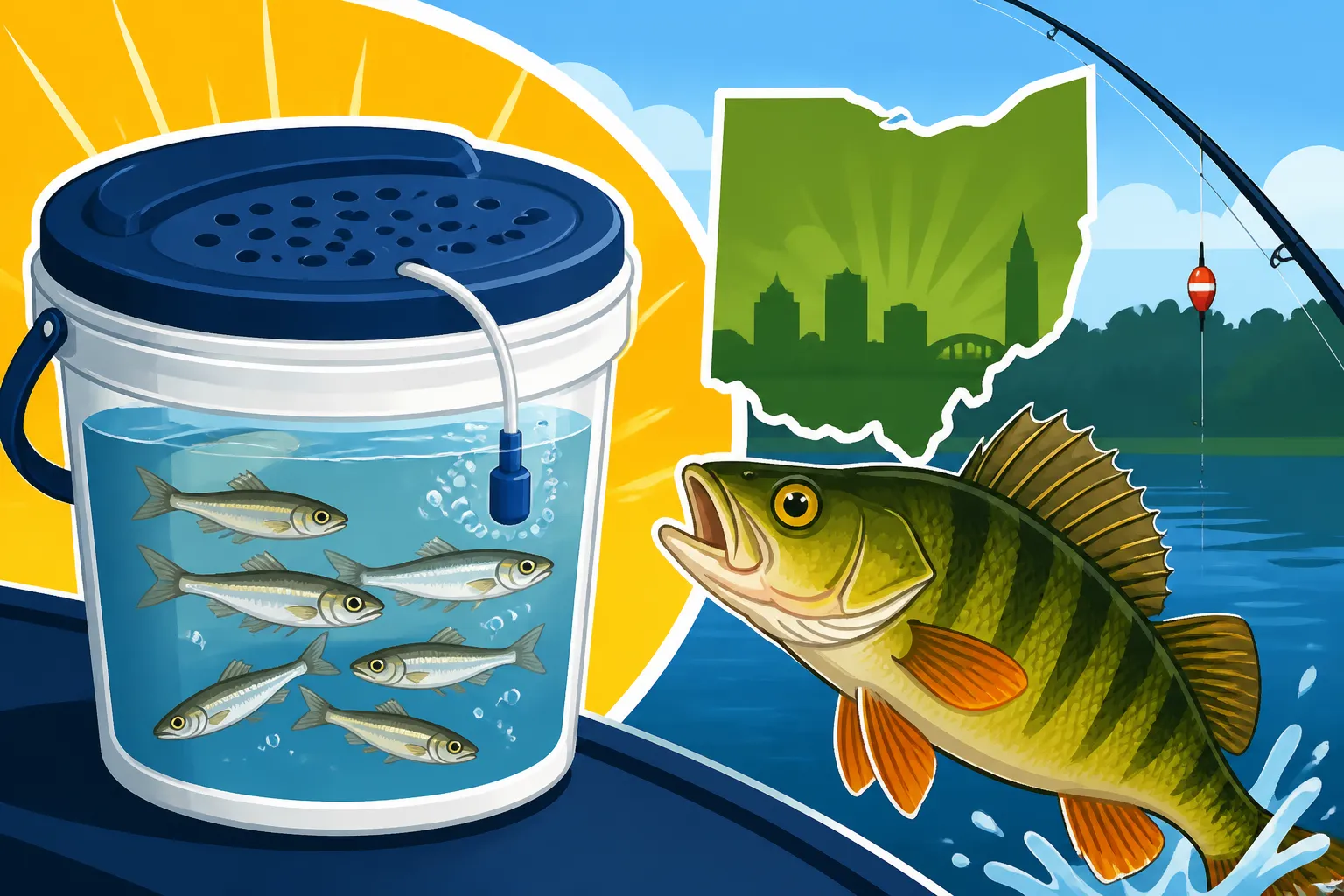
Best Way to Keep Minnows Alive While Perch Fishing
There’s nothing quite as frustrating as heading out for a productive day of perch fishing, eagerly reaching into your minnow bucket for a lively bait, only to find a sad, lifeless collection of floaters. We’ve all been there – that feeling of wasted money and missed opportunities because our precious minnows didn't make it through the trip. This comprehensive guide is dedicated to helping you master the art of keeping your minnows healthy, active, and ready to entice those hungry yellow perch, ensuring your bait stays alive longer and your fishing trips are more successful.
Understanding Why Minnows Die So Easily
It might seem like a simple task to keep a few minnows in a bucket, but these little fish are surprisingly delicate. They're not just swimming around; they're constantly interacting with their environment, and that environment changes drastically from the bait shop tank to your boat or shoreline. Ignoring their basic needs for just a short period can lead to a quick demise, and understanding why they perish is the first step to preventing it.
Temperature Shock and Stress
Imagine jumping from a warm bed into an ice bath, and then back into a hot shower – that's often what we put minnows through. Rapid changes in water temperature are incredibly stressful for minnows, and severe shifts can lead to immediate death or a weakened state that makes them more susceptible to other issues. Minnows thrive within a specific temperature range, which can vary slightly by species, but generally, extreme heat or cold is detrimental.
During a hot summer day, the water in a dark minnow bucket sitting in direct sunlight can heat up at an alarming rate. Just a few degrees increase can deplete oxygen faster and stress the minnows to their breaking point. Conversely, in colder months, like when you're gearing up for some serious Ohio Ice Fishing Guide, bringing minnows from a warm bait shop into freezing conditions without proper acclimation can be just as lethal. Stress makes minnows lethargic, less appealing to perch, and ultimately, shortens their lifespan in your bucket. The goal is to keep the water temperature as stable and within a comfortable range as possible, avoiding sudden fluctuations that shock their systems.
Oxygen Depletion
Just like us, minnows need oxygen to breathe. They extract dissolved oxygen from the water through their gills. When you pack a bunch of minnows into a small bucket, they all start using up that oxygen. If the water isn't adequately aerated, the dissolved oxygen levels will quickly drop to a point where the minnows literally suffocate. This problem is exacerbated by warmer water temperatures, as warm water holds less dissolved oxygen than cold water.
Think of it like being in a crowded, unventilated room. You'd quickly feel lightheaded and struggle to breathe. Minnows experience the same thing. Without a constant supply of fresh, oxygenated water, they'll become sluggish, start gulping at the surface, and eventually, perish. This is a primary reason why minnows bought from a bait shop, teeming with life, often start dying off within hours if not properly cared for. Maintaining sufficient oxygen levels is perhaps the single most critical factor in keeping your minnows alive and kicking for a long day of Drift Fishing for Lake Erie Yellow Perch.
Ammonia Buildup and Water Quality
Minnows, like all living creatures, produce waste. Their excretions, primarily ammonia, build up in the water over time. Ammonia is highly toxic to fish, even in small concentrations. In a confined space like a minnow bucket, this waste can quickly turn the water into a poisonous soup. The more minnows you have, the faster the ammonia accumulates, and the quicker your water quality deteriorates.
This is often a silent killer. The water might look clean, but beneath the surface, harmful toxins are accumulating. A minnow struggling with ammonia poisoning will appear stressed, discolored, and ultimately, die. Changing out water regularly, or using specialized water conditioners, is essential to dilute or neutralize these harmful compounds and maintain a healthy environment for your bait. It’s a bit like having a filter for an aquarium; without one, the water quickly becomes uninhabitable.
Physical Handling and Overcrowding
We're often in a hurry when we're fishing, but rough handling of minnows can cause significant injury and stress. Every time you grab a minnow, even gently, you can remove some of their protective slime coat, making them vulnerable to infection. Dropping them back into the bucket from a height, or even jostling the bucket too much, can also cause internal injuries.
Overcrowding is another major contributor to stress and mortality. While a bait shop might keep hundreds of minnows in a large, professionally aerated tank, trying to replicate that in a small, portable bucket is a recipe for disaster. Too many minnows in too little water instantly amplifies the problems of oxygen depletion, ammonia buildup, and physical stress as they constantly bump into each other. Giving your minnows enough space, along with proper aeration and clean water, drastically improves their chances of survival. Knowing the appropriate number of minnows for your bucket size is a crucial, often overlooked detail.
Essential Gear for Minnow Longevity
Now that we understand the common pitfalls, let's talk about the tools that will help you overcome them. Having the right equipment is just as important as knowing the techniques. Think of it as building a mini, portable life support system for your bait. You can find many of these items on platforms like Amazon, offering a convenient way to get set up.
The Right Minnow Bucket or Livewell
Your minnow bucket is more than just a container; it's their temporary home. Choosing the right one is paramount. Plastic buckets are common and affordable, but they can heat up quickly in direct sunlight. Insulated buckets, often made with a double-wall construction, are a game-changer for temperature stability. They keep water cooler in summer and prevent freezing in winter, acting like a mini-cooler for your bait.
Look for buckets with a separate, perforated inner bucket. This design allows you to easily lift your minnows out of the main bucket without having to scoop them, minimizing stress and handling. It also makes changing water much simpler. Sizes vary, from small 2-gallon buckets for a quick outing to larger 5-gallon or even boat-integrated livewells for serious anglers. The key is to match the bucket size to the number of minnows you plan to carry, always erring on the side of more space rather than less. A good minnow bucket should also have a secure, yet easy-to-open lid to prevent spills and escapes while offering quick access.
Aeration Systems
An aerator is the heart of your minnow's life support system. It actively pumps air into the water, creating bubbles that dissolve oxygen and circulate the water, preventing dead spots. There are several types of aerators available.
- Battery-Powered Aerators: These are perhaps the most common and versatile. They run on D-cell or C-cell batteries and consist of a small pump, an air hose, and an air stone. The air stone creates fine bubbles, maximizing oxygen transfer. Many modern battery-powered aerators are surprisingly efficient, with some models designed for extended run times. They're perfect for portable buckets and shore fishing. You can easily find various reliable models on Amazon.
- 12-Volt Aerators: If you have a boat with a 12-volt power source, these can be a more robust option. They offer continuous, powerful aeration without worrying about battery life, though they are less portable for bank fishing.
- Integrated Livewell Systems: Many fishing boats come equipped with built-in livewells that include pumps for circulation and aeration. These are designed for optimal bait storage and are fantastic if you spend a lot of time on the water.
Regardless of the type, ensure your aerator is functioning correctly, producing a steady stream of bubbles. A backup aerator or extra batteries are always a good idea, especially on longer trips.
Water Conditioning Products
While not always necessary, especially if you're frequently changing water, water conditioning products can significantly enhance minnow survival. These typically come in liquid form and offer several benefits:
- Dechlorinators: If you're using tap water, it often contains chlorine or chloramine, which are lethal to fish. A dechlorinator neutralizes these chemicals, making the water safe.
- Stress Coat/Slime Coat Replacers: These products help minnows replenish their natural slime coat, which can be damaged during handling or transportation. A healthy slime coat acts as a barrier against disease and stress.
- Ammonia Neutralizers: Some conditioners also contain ingredients that bind to or neutralize ammonia, reducing its toxicity until you can perform a water change.
These products are easy to use – just add a few drops to your water. They act as an extra layer of protection, particularly when you're using municipal water sources or if your minnows seem particularly stressed. A quick search on Amazon will reveal many brands offering these essential additives.
Best Practices for Keeping Minnows Alive on the Water
Having the right gear is only half the battle; knowing how to use it effectively is crucial. These practical tips will help you maximize your minnows' lifespan from the moment you leave the bait shop until your last cast.
Sourcing and Initial Care
The journey for your minnows begins at the bait shop. Always try to buy from a reputable dealer who keeps their tanks clean and their minnows lively. A healthy minnow starts with a healthy source. When you get your minnows, ask the bait shop what temperature their water is. This helps you acclimate them properly.
Once you have your minnows, get them home or to your fishing spot as quickly and safely as possible. Avoid leaving them in a hot car. As soon as you arrive, transfer them to your prepared minnow bucket or livewell, ensuring the water temperature in your bucket is as close as possible to the water they came from. If there's a significant difference, float the bag of minnows in your bucket for 15-20 minutes to allow the temperatures to equalize gradually. This simple step prevents immediate temperature shock. Make sure your aerator is running from the moment they enter your bucket. For tips on where to pick up your bait, you might check out resources like Where and How to Buy an Ohio Fishing License which often includes bait shop info.
Temperature Management in the Field
Maintaining a stable, cool water temperature is vital. This is especially true when you're after those elusive yellow perch, as discussed in the Ohio Yellow Perch Fishing Guide. In warmer weather, never leave your minnow bucket in direct sunlight. Find shade, or better yet, use an insulated bucket. You can also add frozen water bottles (not ice cubes, which can contain chlorine or other impurities) to slowly cool the water without diluting it or shocking the minnows. Keep a thermometer handy to monitor the water temperature; aim for a range between 50-65°F (10-18°C) if possible, adjusting for the specific minnow species.
During colder conditions, an insulated bucket will help prevent the water from freezing too quickly. You might even use a hand warmer wrapped in a towel and placed under the bucket if temperatures are extreme, though extreme cold is generally less immediately lethal than extreme heat for minnows, as long as the water doesn't freeze solid. The goal is consistency and moderation.
Optimizing Aeration and Water Changes
Your aerator should run continuously, or at least very frequently, while the minnows are in the bucket, especially if you have a lot of them. If you notice minnows gulping at the surface, it's a clear sign of low oxygen and you need to increase aeration immediately or change the water.
Regular water changes are also critical, especially if you don't have a strong ammonia neutralizer or filter. If you're fishing near a clean water source (like the lake or river you're fishing in, assuming it's unpolluted), you can periodically replace a portion of the bucket water. Aim to change about 25-50% of the water every few hours, depending on the number of minnows and water conditions. Always use water from the same body of water you're fishing, if possible, to avoid introducing new chemicals or drastically changing temperature or pH. If you're using a large boat livewell, many systems automatically circulate fresh water, which is ideal. You can also find additional information on general bait care in a good Best Ohio Fishing Gear and Tackle Guide.
Gentle Handling and Feeding (or Lack Thereof)
When retrieving minnows from the bucket, use a small net or your hand to gently scoop them out. Avoid grabbing them tightly or squeezing them, as this removes their protective slime coat. Always wet your hands before handling minnows to minimize damage. The less you handle them, the better.
Surprisingly, you generally should not feed your minnows while they are in the bucket. Feeding them will only lead to more waste production, accelerating ammonia buildup and fouling the water. Minnows can go for a surprisingly long time without food, especially if they are cool and calm. Their priority in the bucket is survival, not growth. Keeping them calm and unfed will significantly improve water quality and their overall health.
Advanced Tips for Extended Minnow Life
For those extended trips, or when fishing in challenging conditions, these advanced tactics can help you keep your minnows in prime condition even longer.
Portable Cooler Integration
For ultimate temperature control and stability, consider using a good quality insulated cooler as your minnow "livewell." A cooler will maintain water temperature far better than any standard minnow bucket. You can place your perforated minnow bucket (or just the minnows) directly into a larger cooler filled with temperature-controlled water.
Fill the cooler with well-aerated water at the desired temperature. You can use large, reusable ice packs or frozen plastic water bottles to maintain coolness without diluting the water. This setup is particularly effective for hot summer days when you're fishing for Ohio Walleye Fishing Guide or perch for many hours. The robust insulation prevents rapid temperature swings, giving your minnows a much more stable environment. Just be sure to still run your aerator within the cooler, or at least regularly remove the inner bucket for aeration if using a separate system.
Water Treatment and Filtration
For the truly dedicated angler or those planning multi-day trips, more advanced water treatment can be employed. Small, portable battery-operated filters designed for bait tanks can remove particulate matter and some toxins, though they won't fully replace water changes for ammonia.
Some anglers even carry small amounts of rock salt (non-iodized, like canning or pickling salt) to add to their minnow water. A very small amount of salt can help reduce stress and aid minnows in replenishing their slime coat. It's important to research the correct dosage, as too much salt can be detrimental. Always use specific products designed for bait fish care, following the manufacturer's instructions, rather than experimenting.
Minnow Species Considerations
While many general "minnows" are sold for bait, different species have varying tolerances for temperature, oxygen, and crowding. Fathead minnows, for example, are quite hardy and tolerate warmer temperatures and lower oxygen levels better than some other species. Golden shiners, another popular bait minnow, can be a bit more sensitive.
If you know what species of minnow you're buying, a quick online search can give you specific care requirements. Generally, erring on the side of caution with all the tips above will ensure maximum survival, regardless of the exact minnow species you've purchased. The healthier your bait, the more active it will be, and the better your chances of hooking those delicious yellow perch!
Here’s a quick summary of key minnow care tips:
| Factor | Problem | Solution |
|---|---|---|
| Temperature | Too hot/cold, sudden changes | Insulated bucket, frozen water bottles, shade |
| Oxygen | Depletion from respiration | Continuous aeration, sufficient water volume |
| Ammonia | Waste buildup from excretions | Regular water changes, water conditioners |
| Handling | Physical stress, slime coat loss | Gentle netting, wet hands, avoid overcrowding |
| Overcrowding | Limited space, faster resource depletion | Appropriate bucket size, fewer minnows per gallon |
| Water Source | Chlorine, impurities in tap water | Dechlorinators, use natural lake/river water |
Remember, keeping minnows alive is an investment in your fishing success. A lively minnow, fluttering on your hook, is far more attractive to a hungry perch than a still, dead one. With a little care and the right tools, your minnow bucket will be a bustling hub of activity all day long, leading to more successful catches and a much more enjoyable time on the water. Now go catch some perch!
Disclaimer
This article is for general informational purposes only and does not constitute professional advice. Laws, prices and regulations vary by location and change over time. Consult a qualified professional for guidance on your specific situation.