Best Way to Fish Muddy Water After a Storm
There’s nothing quite as frustrating as waking up after a good rain, itching to get out on the water, only to find your favorite fishing spot has turned into a chocolate milkshake. Muddy water after a storm can feel like a complete roadblock to a successful fishing trip, but it doesn't have to be. This guide will walk you through the best ways to adapt your approach and find fish even when the visibility is low, ensuring your post-storm outings are still productive and enjoyable here in Ohio.
Understanding the Impact of Muddy Water on Fish
When a heavy rainstorm rolls through Ohio, it's not just the roads that get washed out – our lakes and rivers can quickly become murky. This isn't just an aesthetic issue; it profoundly affects the underwater world and how fish behave. Understanding these changes is the first step to figuring out how to catch fish in less-than-ideal conditions.
The Science Behind the Murk
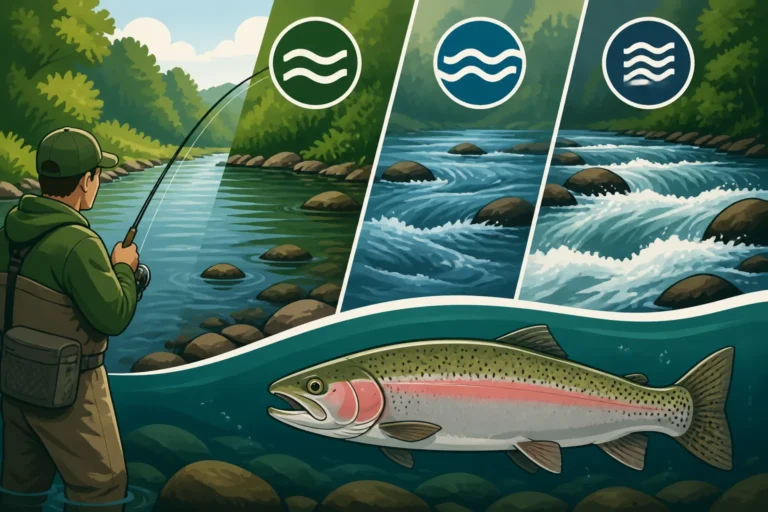
So, what exactly turns clear water into a muddy mess? It's primarily runoff from land. Rain washes soil, sediment, leaves, and other organic matter from fields, yards, and streambanks into the waterways. This influx of suspended particles drastically reduces water clarity, or turbidity. In rivers, increased current from heavy rainfall can also stir up bottom sediments, further clouding the water. Lakes and reservoirs experience similar effects, especially near inlets where feeder creeks dump in silt-laden water. The more intense the storm and the more disturbed the surrounding land, the muddier the water tends to get. This turbidity can linger for days, sometimes even weeks, depending on the size of the water body and subsequent weather patterns.
How Fish React to Low Visibility
Fish are highly adapted creatures, but sudden changes in their environment, like extreme turbidity, can really throw them off. First and foremost, muddy water severely limits their vision. Many fish species, especially sight feeders like walleye and bass, rely heavily on their eyesight to hunt for prey and avoid predators. When they can't see, they become disoriented and often less active in open water. This doesn't mean they stop eating entirely; it just means they shift their hunting tactics.
They often retreat to areas where they feel more comfortable and secure. This might be shallower water where light penetration is still somewhat effective, or deeper pockets where the suspended sediment might settle faster. They'll also hug structure and cover much more tightly, using it as ambush points or simply for refuge. Additionally, gills can become irritated by excessive sediment, making fish seek out clearer, more oxygenated water if available. Understanding these behavioral changes is key to predicting where they might be hiding and how to tempt them to bite.
Adapting Your Lures and Baits for Low Visibility Conditions
Since fish can't rely on sight as much in muddy water, we, as anglers, need to change our approach to appeal to their other senses. This means focusing on elements that stand out in the murk: vibration, sound, and scent.
Choosing High-Vibration Lures
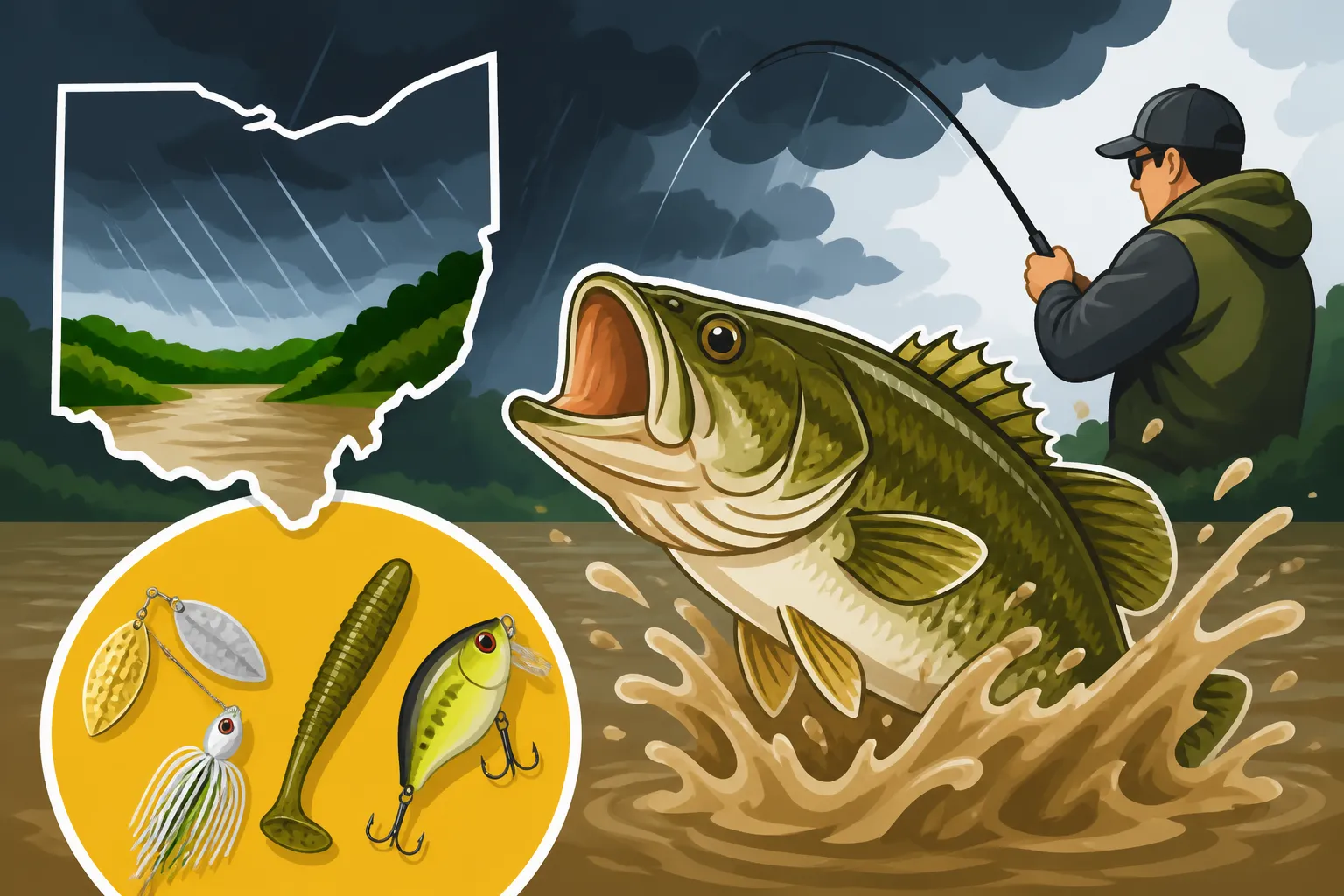
When fish can't see, they rely heavily on their lateral line system to detect movement and vibrations in the water. This is where lures that create a lot of commotion really shine. Think about lipless crankbaits, spinnerbaits, and ChatterBaits. These lures displace a lot of water and send out strong vibrations that fish can feel from a distance. A thumping blade or a rattling chamber can be the beacon that guides a fish to your offering.
For example, a chartreuse or white spinnerbait with large thumping blades can be incredibly effective for bass in muddy water. The flash combined with the vibration creates a target they can't easily ignore. Similarly, a lipless crankbait ripped through cover will send out strong vibrations and rattles, often triggering an aggressive reaction strike. Many anglers find a good selection of these high-vibration lures available on Amazon, making it easy to stock up before your next trip. When retrieving, try varying your speed to create different vibrational patterns, sometimes a sudden stop or jerk can be just the trigger they need.
Emphasizing Scent and Natural Baits
In addition to vibration, scent becomes paramount. If a fish can't see or feel your lure, perhaps it can smell it! This is why natural baits often excel in muddy water. Live bait, like worms, minnows, or leeches, naturally emits scent trails that can draw fish in from afar. A juicy nightcrawler on a simple bottom rig can be deadly for catfish or even sluggish bass when the water is thick. You can find robust worms and other live bait options at most local bait shops around Ohio, perfect for tough conditions.
For artificial lures, consider adding scent attractants. Sprays, gels, or dips can be applied to soft plastics, jigs, or even crankbaits to give them an added olfactory appeal. Many popular soft plastic baits are already infused with scents like garlic or salt, which can make a significant difference. If you're fishing for catfish, which are notoriously scent-driven, traditional baits like chicken liver, cut bait, or stink baits are almost a must. They create a strong, pungent plume that fish like channel catfish can track with incredible precision. Knowing your target species' preferred scents can give you a huge advantage when fishing muddy water. For more on targeting these species, check out our guide on Best Baits for Ohio Catfish.
The Role of Color and Contrast
While vision is impaired, fish aren't completely blind. High-contrast colors can still be perceived, even if only as a silhouette. Bright, fluorescent colors like chartreuse, orange, and neon green tend to stand out best against a muddy backdrop. White and black also offer strong contrast. The key is to create a visible profile that doesn't blend into the murky water.
For example, a jig with a black head and a chartreuse skirt might be more visible than a natural-colored bait. Consider pairing contrasting colors, such as black and blue or red and chartreuse. Sometimes, a lure with a reflective component, like a silver or gold blade on a spinnerbait, can also catch any ambient light and create a flash that draws attention. When buying new tackle, look for these bright, high-contrast options, many of which are readily available on Amazon for convenience. Don't be afraid to experiment with different combinations until you find what the fish are reacting to on that particular day. You might be surprised at how much difference a subtle color change can make.
Here's a quick look at some effective muddy water lure and bait strategies:
| Lure/Bait Type | Key Feature | Recommended Colors | Target Species (Examples) | Retrieval Style |
|---|---|---|---|---|
| Spinnerbaits | Vibration, Flash | Chartreuse, White, Black/Blue, Orange | Bass, Pike, Walleye | Slow roll, stop-and-go |
| Lipless Crankbaits | Rattle, Vibration | Bright orange, Red, Chartreuse, Firetiger | Bass, Walleye, Saugeye | Rip-and-fall, steady retrieve |
| ChatterBaits | Vibration, Jig-like | Chartreuse, Black/Blue, White, Green Pumpkin | Bass, Pike, Walleye | Slow roll, twitching |
| Jigs (with soft plastic) | Scent, Profile | Black/Blue, Chartreuse, Junebug | Bass, Crappie, Walleye | Drag, hop, slow retrieve |
| Live Worms | Natural Scent | N/A (natural color) | Catfish, Bass, Panfish, Trout | Bottom rig, under a bobber |
| Cut Bait/Stink Bait | Strong Scent | N/A (natural color) | Catfish (Channel, Flathead, Blue) | Bottom rig, drift rig |
Adjusting Your Location and Presentation Strategy
Muddy water doesn't just change how fish perceive lures; it changes where they decide to hang out. Your usual honey holes might be barren, requiring you to think like a fish and find spots where they feel more secure and can ambush prey effectively.
Finding Clearer Water or Transition Zones
After a heavy rain, not all parts of a lake or river will be equally muddy. Fish often seek out pockets of clearer water, even if it's only slightly better. In lakes, this might be upwind shores where the wind is pushing muddy water away, or deeper areas where sediment has settled faster. In rivers, look for eddies or slower-moving sections where cleaner upstream water might be less affected. Sometimes, tributaries with clearer water can act as a refuge, drawing fish to their mouths.
Another prime location is the "mud line" – the boundary where muddy water meets clearer water. This transition zone can be a feeding highway. Prey fish often hold in the clearer water, darting into the murky water to feed on dislodged organisms, while predators lie in wait in the murk, ready to ambush. Casting your lure right along this line, or even slightly into the muddy side, can be incredibly productive. Remember, fish are often seeking stability, so any area that offers a slight improvement in water quality or current flow can hold them.
Slowing Down Your Presentation
With reduced visibility, fish have less time to react to a fast-moving lure. They need more time to locate it, assess it, and decide to strike. This means slowing down your retrieve significantly. Forget burning crankbaits or rapidly ripping jigs. Instead, opt for slow, deliberate movements. Let your soft plastics soak, drag your jigs along the bottom, or slowly reel in a spinnerbait just fast enough to get the blades turning.
A slow retrieve also allows your lure to stay in the strike zone longer, increasing the chances a fish will encounter it. Consider using a heavier jig head or weight to ensure your bait maintains bottom contact or stays at the desired depth in current. For species like crappie, which might be hunkering down in cover, a slow jigging motion right in their face can be the only way to get a bite. Our guide on Best Baits for Ohio Crappie has some excellent ideas for these conditions. Think about the cadence: pause, twitch, pause. Give the fish every opportunity to find your offering.
Targeting Cover and Structure
Fish use cover and structure for safety, ambush points, and often to escape harsh conditions. In muddy water, this becomes even more pronounced. They will hug logs, submerged trees, rock piles, docks, and weed lines more tightly than usual. These areas provide a sense of security and often concentrate baitfish.
When approaching a piece of cover, make multiple casts from different angles to thoroughly work the area. Pitching jigs or soft plastics into the thickest parts of the cover can be very effective for bass. For walleye, who might be tucked tight to a drop-off or submerged humps, a slow-moving jig or a bottom-bouncing presentation is often best. You can explore Best Ohio Lakes for Bass Fishing to identify good structural fishing areas. Remember that fish often position themselves on the muddiest side of the cover, looking out into slightly clearer water, or conversely, on the clearest side, ambushing anything that emerges from the murk. Being observant and methodical about working these areas is crucial for success.
Essential Gear and Practical Considerations for Muddy Water Fishing
While your techniques are changing, so too should some of your gear choices. The right equipment can make a significant difference in detecting subtle bites and effectively presenting your lures in challenging conditions.
Rod, Reel, and Line Considerations
In muddy water, strikes can often be more subtle. Fish might just mouth the bait rather than aggressively hitting it. This makes a sensitive rod absolutely essential. A medium-heavy or heavy power rod with a fast action tip will allow you to feel those light taps and discern them from snagging on bottom debris. While you can find great options in local tackle shops, many anglers also find a diverse range of sensitive rods and reels on Amazon.
When it comes to line, a heavier monofilament or fluorocarbon line might be beneficial. Monofilament has a bit more stretch, which can be forgiving with aggressive head shakes, while fluorocarbon is nearly invisible in water and has excellent abrasion resistance, crucial when fishing around heavy cover. Braid is another excellent choice, especially if you need maximum sensitivity and strength to pull fish out of thick vegetation. Pair your line with a reel that has a smooth drag system, as even a small fish can fight hard in heavy cover. A good quality reel is an investment, but it pays dividends when you're trying to land that trophy fish.
Practical Tools for Anglers
Beyond the basic rod and reel, a few other tools can enhance your muddy water fishing experience.
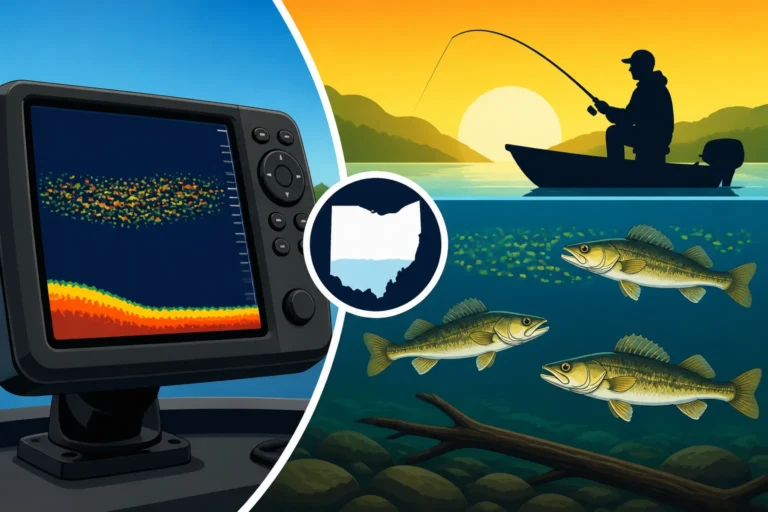
- Electronics: A good fish finder can be invaluable. While it won't help fish see your lure, it will help you locate structure, depth changes, and schools of baitfish or game fish that might be holding tight to the bottom or suspended in specific layers. Even in murky conditions, the sonar waves can penetrate the water and give you a clearer picture of what's beneath the surface. Knowing that fish are present in a certain area gives you the confidence to keep casting.
- Waders and Boots: Since you'll often be targeting shallower, bank-accessible areas, having comfortable and waterproof waders or boots is a game-changer. It allows you to get into better casting positions and access areas that might be too shallow for a boat. Many durable and comfortable waders can be found on Amazon, offering good value and reliability.
- Proper Attire: Dress for the weather, which after a storm might be cooler or still rainy. Layering is always a good idea, and waterproof outer layers are a must.
- Patience and Persistence: This isn't a "tool" you can buy, but it's perhaps the most important. Muddy water fishing requires a different mindset. You might not get as many bites, but the ones you do get can be memorable. Don't get discouraged if the action is slow; keep working your lures, try different colors and presentations, and move to new spots. Sometimes, just a slight change in angle or depth can unlock the bite. Always keep an eye on current Ohio Fishing Regulations Every Angler Should Know and bag limits as well, regardless of water conditions.
Fishing muddy water after a storm can certainly be a challenge, but with the right approach and a bit of patience, it can also lead to some surprisingly productive and rewarding days on the water.
Disclaimer
This article is for general informational purposes only and does not constitute professional advice. Laws, prices and regulations vary by location and change over time. Consult a qualified professional for guidance on your specific situation.