Can You Catch Walleye From Shore on Lake Erie?
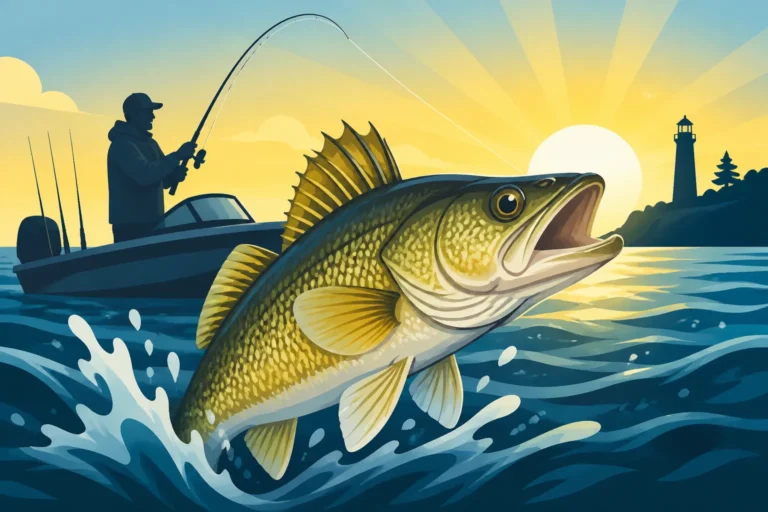
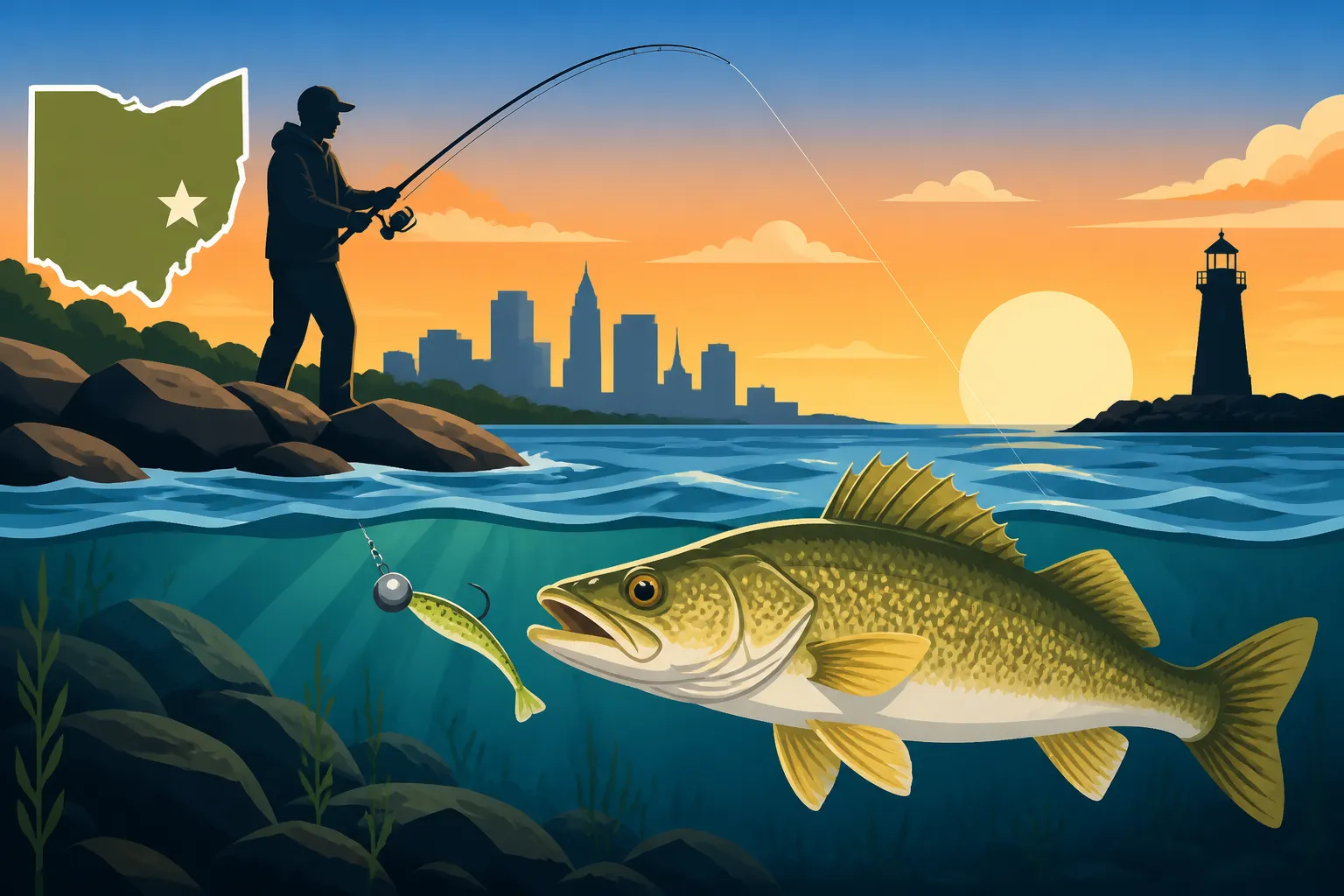
Many anglers dream of reeling in a trophy walleye from Lake Erie, but the thought of needing a big boat, expensive electronics, and specialized gear often feels like a barrier. You might find yourself wondering if it's even possible to catch those elusive walleye without venturing miles offshore, or if shore fishing on Lake Erie is strictly for panfish. Well, I'm here to tell you that while it presents its own unique challenges, catching walleye from the shore of Lake Erie is absolutely achievable with the right approach, patience, and understanding of the fish's habits. This guide will walk you through the realities, prime conditions, essential gear, and strategic spots to help you turn that dream into a thrilling reality.
The Reality of Shore Fishing for Walleye on Lake Erie
Let's be honest, when most people think of Lake Erie walleye fishing, they picture charter boats far out on the open water, trolling with planer boards or jigging over deep reefs. It's true that the vast majority of walleye are caught this way, simply because the fish often prefer deeper, cooler water and follow baitfish out in the lake. This reality can be disheartening for the shore-bound angler, making it feel like an impossible task. However, the dynamics of Lake Erie change with the seasons and the specific locations, creating windows of opportunity where walleye move closer to shore and become accessible to those of us with our feet firmly planted on solid ground.
Why Shore Walleye Fishing is Often Challenging
The biggest hurdle for shore anglers targeting walleye on Lake Erie is the sheer size and depth of the lake. Walleye are predators, and they follow their food source. For much of the year, that food source – primarily baitfish like emerald shiners and gizzard shad – is suspended over deeper water, far from the reach of a cast from shore. The thermal stratification of the lake during summer also pushes walleye into cooler, deeper water, making them even harder to reach from shore. Furthermore, shoreline access itself can be limited in many areas, with private property or steep banks preventing anglers from getting to potentially productive water. You're also often dealing with a lack of significant natural structure like deep rock reefs or pronounced drop-offs right at the immediate shoreline, which walleye often relate to in offshore locations.
Consider a hot July day. The sun is blazing, the water near shore feels like a bathtub, and any walleye worth its salt is likely sitting in 50 feet of water a mile offshore. Trying to catch one from a public pier at midday would be akin to finding a needle in a haystack. The challenges are real, and it's important to set realistic expectations.
Where Shore Walleye Fishing Can Be Done Successfully
Despite these challenges, there are specific times and places where Lake Erie walleye do come within casting range of shore. These opportunities typically revolve around seasonal migrations, spawning activity, and the unique geography of certain shoreline areas. River mouths, for example, are absolute magnets for walleye during their spring spawning runs. The Maumee River, the Sandusky River, and the Grand River are prime examples of tributaries that see incredible numbers of walleye push upstream, making them highly accessible for shore anglers during these periods. Think about the famous Maumee River walleye run – it's practically a national holiday for shore anglers!
Beyond river mouths, certain piers, jetties, and breakwalls extending out into the lake can put you over deeper water or near drop-offs where walleye might cruise, especially during low-light conditions. These man-made structures provide cover, concentrate baitfish, and disrupt currents, creating ambush points for predatory walleye. Harbors and marinas, with their deep channels and structures, can also hold walleye. Even certain stretches of natural shoreline with quick access to deeper water or areas with current might be productive. The key is finding spots where the walleye’s usual preference for deep water is temporarily overridden by other factors, bringing them to you.
Prime Times and Conditions for Shore Walleye Success
Timing is everything when it comes to landing walleye from the shore of Lake Erie. It's not a year-round, every-day opportunity. Instead, you need to understand the seasonal movements and daily habits of walleye to maximize your chances. Think of it like a puzzle – each piece, from the season to the weather, needs to fit just right.
Seasonal Considerations: Spring and Fall Runs
If you're serious about catching walleye from shore, you absolutely must focus on the spring and fall seasons. These are your golden tickets.
- Spring Walleye Run: This is arguably the best time for shore anglers. As the ice melts and water temperatures rise, mature walleye begin their annual migration from Lake Erie into its major tributaries to spawn. Rivers like the Maumee, Sandusky, and Grand literally teem with walleye. They stack up in these rivers and along their mouths, often in water shallow enough to be reached with a good cast. The exact timing varies each year based on water temperature and flow, but generally, late March through April is prime time. During this period, you'll find countless anglers lining the banks, particularly along the Maumee, casting jigs and blade baits. This is a phenomenal opportunity, and many shore anglers land their biggest walleye of the year during this frantic period. If you're wondering when exactly these fish show up, researching "When Ohio's Walleye Season Peaks on Lake Erie" can give you a better idea of the typical timeframe.
- Fall Feeding Frenzy: As autumn sets in and water temperatures begin to drop, walleye move shallower again, often returning to the mouths of rivers, harbors, and along breakwalls to feed aggressively before winter. They are bulking up, chasing baitfish that are also moving into these areas. This "second bite" can be incredibly productive for shore anglers. October and November often see good numbers of fish caught, especially as they stage near deeper drops or channel edges accessible from shore. They might not be as concentrated as during the spring spawn, but they are actively feeding, making them very susceptible to various lures and presentations.
During the height of summer, shore fishing for walleye becomes much tougher, though not entirely impossible, especially if you focus on night fishing from piers or jetties that reach out to deeper water. Winter, outside of potential ice fishing on protected bays, generally means the walleye are offshore in the main lake basin.
Time of Day: The Advantage of Low Light and Night Fishing
Walleye are notorious for being crepuscular, meaning they are most active during low-light conditions – dawn and dusk. This preference is a huge advantage for shore anglers, as it's precisely when walleye are most likely to move into shallower areas to hunt for baitfish.
- Sunrise and Sunset: Just before sunup and just after sundown, the diminished light gives walleye a distinct advantage over their prey, as their large, light-sensitive eyes allow them to see better in dim conditions. During these windows, walleye will often push into areas where they wouldn't dare venture during bright midday hours. Target these periods intensely from piers, jetties, or river mouths.
- Night Fishing: This is perhaps the most consistent time for shore-bound walleye success outside of the spring run. Lake Erie walleye, especially the bigger ones, are very active after dark. They'll move right up to breakwalls, sandy beaches, and harbor entrances under the cover of darkness. Many experienced shore anglers consider night fishing the premier "Best Shore Technique for Lake Erie Walleye at Night." If you're serious about this, check out guides on "How to Fish for Walleye After Dark" to learn the specific nuances. You might be surprised at how close to shore you can find them. The reduced boat traffic and angler pressure also make night fishing a more serene and often more productive experience.
| Time of Day | Walleye Activity | Shore Fishing Potential | Key Strategy |
|---|---|---|---|
| Midday | Low, retreat to deep | Very Low | Avoid |
| Sunset | High, move shallow | High | Aggressive casting |
| Night | Very High, hunt shallow | Very High | Stealth, slow retrieves, light tackle |
| Sunrise | High, move shallow | High | Similar to sunset, fading fast |
Weather and Water Conditions: Reading the Lake
Understanding how weather and water conditions influence walleye behavior is critical for shore anglers. You can't control the weather, but you can choose when and where to fish based on it.
- Wind Direction and Speed: A moderate wind, especially one blowing into a pier or shoreline, can be your friend. It creates a "walleye chop" that breaks up the water's surface, reducing light penetration and making walleye feel more comfortable in shallower water. It also pushes baitfish closer to shore. However, excessive wind can make casting impossible and create dangerous waves. A gentle breeze is often ideal.
- Water Clarity: Walleye prefer somewhat stained or turbid water. They are sight feeders, but clear water makes them skittish and more likely to stay deep. After a good rain, rivers might become muddy, which can be great for catfish but often less ideal for walleye. Look for that "walleye green" or slightly stained water where visibility is reduced to a few feet. Extremely clear water usually means tough fishing from shore during daylight.
- Barometric Pressure: While less intuitive for shore anglers to track on the fly, a stable or falling barometric pressure often corresponds with increased feeding activity. A sudden, sharp drop in pressure after a long period of stability can sometimes trigger a feeding frenzy, as fish sense an approaching weather change.
Essential Gear and Techniques for Shore-Bound Walleye
You don't need a boatload of specialized equipment to catch walleye from shore, but having the right tools for the job will significantly improve your success. Think durability, sensitivity, and casting distance. And while you might typically think of a tackle shop for fishing gear, remember that retailers like Amazon are often a convenient place to find a wide selection of rods, reels, and tackle, especially if you're looking for specific brands or models that aren't available locally.
Rod, Reel, and Line Choices
Your setup needs to be balanced for casting distance and the power to handle a good-sized walleye, especially if you're fishing near heavy current or structure.
- Rod: Look for a medium-heavy to heavy power spinning rod, typically 7 to 9 feet in length. The extra length is crucial for casting longer distances from shore and for managing line over obstacles like rocks or breakwalls. A fast action tip will provide the sensitivity needed to detect subtle walleye bites, which can often be very light, especially in cold water. You want a rod that can cast a half-ounce jig a good distance but also feel the tap-tap of a walleye mouthing your bait.
- Reel: A reliable spinning reel in the 3000 to 4000 series size is a good choice. It should have a smooth drag system, which is paramount when fighting a strong walleye. Make sure it has a decent line capacity, as you might need to cast far and fight a fish that tries to run. A good quality reel from a brand like Shimano or Daiwa will serve you well.
- Line: This is often debated, but for shore fishing, I lean towards braided line.
- Braided Line (Main Line): 10-20 lb test braided line offers superior casting distance due to its thinner diameter, incredible sensitivity (you'll feel every tap!), and minimal stretch for solid hooksets. Its strength-to-diameter ratio is unmatched.
- Fluorocarbon Leader: Because braid is highly visible and has no stretch, it's wise to tie on a 2-4 foot leader of 8-12 lb test fluorocarbon. Fluorocarbon is nearly invisible underwater, providing a stealthy presentation, and its slight stretch can act as a shock absorber during violent head shakes. A strong knot, like an Alberto knot or an FG knot, is essential for connecting braid to fluorocarbon. Choosing the right "Ohio Fishing Line" for your specific technique is vital.
Baits and Lures: Tempting Shore Walleye
The type of bait or lure you choose will largely depend on the season, water conditions, and the specific spot you're fishing.
- Jigs: These are staples for shore walleye.
- Weight: 1/4 to 3/4 ounce jigs are common, with heavier ones used in strong currents or deeper spots.
- Style: Ball head jigs, mushroom head jigs, or stand-up jigs work well.
- Trailers: Tip your jig with a soft plastic grub (paddle tail, curly tail), a minnow imitation, or a piece of live bait like a shiner or a nightcrawler. During the spring run, a jig tipped with a plastic grub or a live minnow is often irresistible. Learning "How to Jig for Walleye in Cold Water" can really pay off.
- Blade Baits: Vibrating blade baits are incredibly effective, especially in current and colder water. Their tight wiggle and vibration mimic a distressed baitfish, drawing strikes from aggressive walleye. Cast them out, let them sink to the bottom, and then lift and drop them, letting them flutter back down on a semi-tight line.
- Crankbaits and Stickbaits: Shallow-diving crankbaits or suspending jerkbaits can be deadly, particularly during low light or at night. Look for models that dive 3-8 feet. Cast them out and retrieve with a slow, steady retrieve or a stop-and-go action. Brands like Rapala and Berkley offer excellent options you can find on Amazon.
- Live Bait Rigs: While artificials are popular, never underestimate the power of live bait.
- Minnows: Live shiners or fatheads fished on a simple bottom rig (like a Carolina rig with a walking sinker) or under a slip bobber can be incredibly effective, especially when walleye are finicky.
- Nightcrawlers: Fished on a Walleye rig or a simple hook with a split shot, nightcrawlers can also entice bites, particularly in stained water.
For a broader understanding of options, consider looking at the "Best Lures for Ohio Fishing" guide.
Effective Casting and Retrieval Methods
The presentation of your lure is just as important as the lure itself.
- Fan Casting: Don't just cast in one direction. Fan cast by making a cast straight out, then slightly to your left, then further left, then straight out again, and so on, covering as much water as possible. This helps you locate where the fish are holding.
- Slow and Steady: Walleye often prefer a slower retrieve, especially in colder water. Experiment with pauses, twitches, and varying speeds until you find what triggers bites. When jigging, pay close attention to the fall of the lure – many bites occur as the bait sinks.
- Bottom Contact: Walleye are often associated with the bottom. When using jigs or blade baits, try to maintain contact with the bottom without constantly snagging. If you're not ticking rocks or feeling the occasional "thump," you might not be deep enough.
- Varying Depths: If you're using crankbaits or stickbaits, try different retrieve speeds to make the lure dive to different depths within the water column. Walleye might be suspended just off the bottom, or cruising higher up.
- Detecting Bites: Walleye bites can be subtle. It might feel like a light "tap," a spongy weight on your line, or simply your line going slack. If anything feels unusual, set the hook! The sensitivity of braided line will be your best friend here.
Strategic Spots: Identifying Productive Shoreline Walleye Areas
Finding the right spot is often the most challenging aspect of shore fishing for walleye on Lake Erie. It requires a bit of detective work and an understanding of what draws walleye close to land. While the main body of the lake can be vast and intimidating, specific features act as magnets for these fish.
Identifying Structure: Piers, Jetties, and River Mouths
These are your primary targets as a shore angler because they provide critical elements that attract walleye: cover, current breaks, and concentrated baitfish.
- Piers and Jetties: These man-made structures extend into the lake, often reaching deeper water than a natural shoreline. They provide shade, ambush points, and a place for baitfish to congregate. Walleye will often patrol the edges of these structures, especially at dawn, dusk, and throughout the night. Focus your casts along the sides, at the tip, and in any eddies or current breaks created by the pier.
- Hypothetical Scenario: Imagine fishing the Huron Pier. You'd want to cast along both sides, letting your jig or blade bait drop near the pilings or rocky structure, then working it back slowly. On an evening with a slight chop, you might cast parallel to the pier, letting your crankbait run right along the breakwall where walleye might be lurking.
- Breakwalls: Similar to piers, breakwalls offer protection from waves and create deeper channels in harbors or marinas. Walleye often stage along these, especially if there's an outflow from a river or stream nearby.
- River Mouths: As discussed, river mouths are goldmines, particularly during the spring spawning run. The confluence of river water and lake water creates a current seam and often concentrates baitfish and spawning walleye. The deeper channels associated with these mouths are also key. The "Ohio River Fishing Guide" might offer insights into general river fishing, but for Lake Erie specific tributaries, you'll want to hone in on the Maumee and Sandusky. Look for access points that allow you to cast into the main river channel or directly into the mouth where it meets the lake.
Remember, fishing around these structures can also mean snags. Bring extra jigs and learn to tie strong knots! For a general idea of good shore spots, even if they're focused on other species, "Best Shore Fishing Spots for Lake Erie Perch" can sometimes overlap with walleye locations.
Understanding Current and Depth: Locating Feeding Lanes
Walleye are opportunistic predators that use current to their advantage and gravitate towards areas with easy access to deeper water.
- Current Seams: Where currents meet or where a current flows past a stationary object (like a pier or point), a "seam" is created. These seams often concentrate baitfish and provide excellent ambush points for walleye. Cast your lure into the faster current and let it drift into the slower water of the seam, or present it directly in the seam. Walleye will often sit just out of the main current, waiting for food to be swept past them.
- Drop-offs and Channel Edges: Even from shore, you might have access to areas where the bottom drops off sharply or where a deeper channel runs parallel to the bank. Walleye use these depth changes as travel corridors and feeding zones. A fish finder is typically a boat angler's tool, but by observing navigation charts or asking local bait shop owners, you can often get an idea of underwater topography accessible from shore. Your goal is to get your lure to these deeper edges.
- Finding the Zone: It’s not always about the deepest water; sometimes it's about the quickest access to deep water. A shoreline that quickly plunges to 10-15 feet can be more productive than a long, shallow flat. Experiment with different casting distances and retrieval depths to locate the "strike zone" – the specific depth and distance from shore where walleye are active.
Safety and Access Tips for Shore Anglers
Shore fishing, while seemingly simpler than boat fishing, still requires careful consideration for safety and responsible access.
- Know Your Location's Rules: Always check local regulations for fishing hours, specific bait restrictions, and access rules for parks, preserves, or private properties. Some piers might have closures at night.
- Be Aware of Your Surroundings: When fishing from breakwalls or jetties, especially at night or in rough weather, be mindful of slippery surfaces, rogue waves, and other hazards. Wear appropriate footwear with good grip.
- Dress for the Conditions: Ohio weather can change quickly. Layer up, even on what seems like a warm day, especially if you're fishing at night or during the cooler spring and fall months. A good waterproof outer layer is essential.
- Light it Up (for night fishing): If fishing after dark, a headlamp or flashlight is indispensable. Not only for tying knots and handling fish, but also for navigating uneven terrain. Just be mindful of other anglers – don't shine your bright light directly into their eyes or casting lines.
- Pack Smart: Bring only what you need. A comfortable backpack with your tackle, extra line, a pair of pliers, a small first-aid kit, and a fish gripper will make your experience much more enjoyable. Don't forget snacks and water! Again, Amazon is a great place to stock up on these practical items like a good headlamp or a tackle backpack.
- Respect Other Anglers: Lake Erie's shore access points, especially during peak walleye runs, can get crowded. Be courteous, give others space, and don't cast over their lines. It's all part of the shared experience!
Catching walleye from the shore of Lake Erie is a rewarding pursuit that proves you don't always need a big boat to enjoy one of Ohio's premier fisheries. By understanding the seasonal patterns, leveraging low-light conditions, and using the right gear and techniques in strategic locations like river mouths and piers, you can absolutely enjoy the thrill of battling a Lake Erie walleye from the bank. It takes patience and persistence, but the satisfaction of landing a silver bullet with your feet on solid ground is a unique experience every angler should try.
Disclaimer
This article is for general informational purposes only and does not constitute professional advice. Laws, prices and regulations vary by location and change over time. Consult a qualified professional for guidance on your specific situation.