Best Diving Depth Crankbaits for Lake Erie Walleye
Navigating the vast waters of Lake Erie for walleye can be an incredible experience, but it also comes with its fair share of head-scratching moments. One of the biggest frustrations anglers face is figuring out how to get their lures down to where the walleye are holding, especially when those fish decide to suspend or hug deeper structures. This comprehensive guide will pull back the curtain on the world of diving depth crankbaits, helping you understand how these essential lures work, what factors influence their dive, and how to select the perfect bait to reach those elusive Lake Erie walleye.
Understanding Lake Erie Walleye Behavior and Depth Preferences
Before you even think about tying on a crankbait, you really need to get into the mind of a Lake Erie walleye. These fish are constantly on the move, and their depth preferences are far from static. Understanding why they are at a certain depth is just as crucial as knowing how to get your lure there.
Seasonal Walleye Movements and Depth
Lake Erie walleye are creatures of habit, but their habits shift dramatically with the seasons. In the spring, after the spawn, you'll often find walleye shallower, sometimes in less than 15 feet of water, especially in the Western Basin where they congregate after their spawning rituals. They're recovering and actively feeding, making them susceptible to shallower running baits. As the waters warm into summer, these fish often migrate to deeper, cooler water, following baitfish like emerald shiners and gizzard shad. During peak summer, it's not uncommon to find them suspended anywhere from 20 to 50 feet deep in the Central and Eastern Basins, or hugging the bottom in the same depth ranges. This is when deep-diving crankbaits become absolutely indispensable.
Come fall, as water temperatures begin to drop, walleye can become more scattered, but they often move back into shallower or mid-depth ranges, sometimes holding around structure or feeding heavily in preparation for winter. Even in early winter, before the ice forms, you might find them in various depths depending on current conditions. Matching your crankbait's dive to these seasonal patterns is key to success, and you can learn a lot more about these patterns in our comprehensive guide, "Ohio Fishing Season Calendar".
Factors Influencing Walleye Depth: Light, Forage, Temperature
Beyond just the calendar, several environmental factors play a huge role in dictating where walleye will hold in the water column. Walleye are notoriously light-sensitive, especially during bright sunny days. Their large, reflective eyes are designed for low-light conditions, which means they often retreat to deeper, darker water or seek shade under structure when the sun is high. This is why many anglers find the "Best Time of Day to Catch Walleye on Lake Erie" is often during dawn, dusk, or overcast days when they feel more comfortable feeding in shallower depths.
The location of their primary food source, the baitfish, is another huge driver. Walleye will almost always be where the food is. If schools of shiners are holding 25 feet down over a 40-foot bottom, that's precisely where you need to present your lure. Finally, water temperature is critical. Walleye prefer cooler water, generally in the 50-60 degree Fahrenheit range. During hot summer months, a thermocline (a layer of water where the temperature changes rapidly) forms in Lake Erie, and walleye will often stack up just above, below, or within this comfort zone. Paying attention to these environmental cues, often visible on your fish finder, will tell you exactly what depth your crankbaits need to reach. You might even discover more by reading our article on "Reading Ohio Fish Finders and Electronics".
Deciphering Crankbait Dive Curves and Specifications
The world of crankbaits can seem overwhelming, with countless shapes, sizes, and colors. But when it comes to Lake Erie walleye, understanding how a crankbait achieves its diving depth is paramount. It's not just about what it looks like; it's about what its design allows it to do in the water.
What Dive Curve Charts Really Mean
Most crankbait manufacturers provide a "dive curve" or a stated maximum diving depth for their lures. This information, often printed on the packaging, gives you a starting point, but it's rarely an exact science. These stated depths are typically achieved under specific, controlled conditions: usually a particular line type (often monofilament), a certain retrieve or trolling speed, and a set amount of line out.
In the real world of Lake Erie, variables like your line diameter, trolling speed, and the length of your lead (the amount of line between your rod tip and the lure) will significantly alter a crankbait's actual running depth. For example, a thinner diameter line, like braided fishing line, will cut through the water with less resistance, allowing the lure to dive deeper than it would on a thicker monofilament line. Trolling faster can sometimes make a lure dive deeper by forcing more water against its lip, but too fast can also cause it to "blow out" and run erratically. It's a delicate balance, and experimentation is often required to truly understand a particular lure's maximum potential. Many anglers find a good starting point for exploring different options on platforms like Amazon, where product descriptions often detail these specifications.
Different Crankbait Lip Designs and Their Impact on Depth
The most defining characteristic of a crankbait, when it comes to diving depth, is its lip. This small piece of plastic or metal determines how much water resistance the lure encounters and, consequently, how deep it dives and what action it has.
- Short, Small Lips (Shallow Divers): Lures with short, often rounded or square lips, are designed to run shallow, typically in the 0-10 foot range. They don't encounter much water resistance, making them ideal for fishing over submerged weeds, shallow rock piles, or when walleye are actively feeding near the surface in low-light conditions. Their action is often a tight wobble.
- Medium-Length, Broader Lips (Mid-Depth Divers): These crankbaits feature lips that are longer and sometimes wider than shallow divers, allowing them to dig deeper into the water column, often reaching depths of 10-20 feet. They are incredibly versatile for targeting suspended fish or structure in moderate depths. Their action can vary from a subtle wiggle to a more aggressive thump.
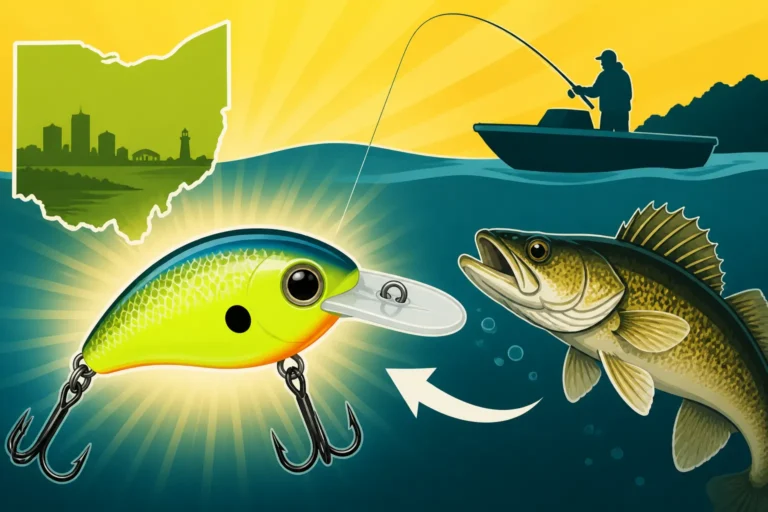
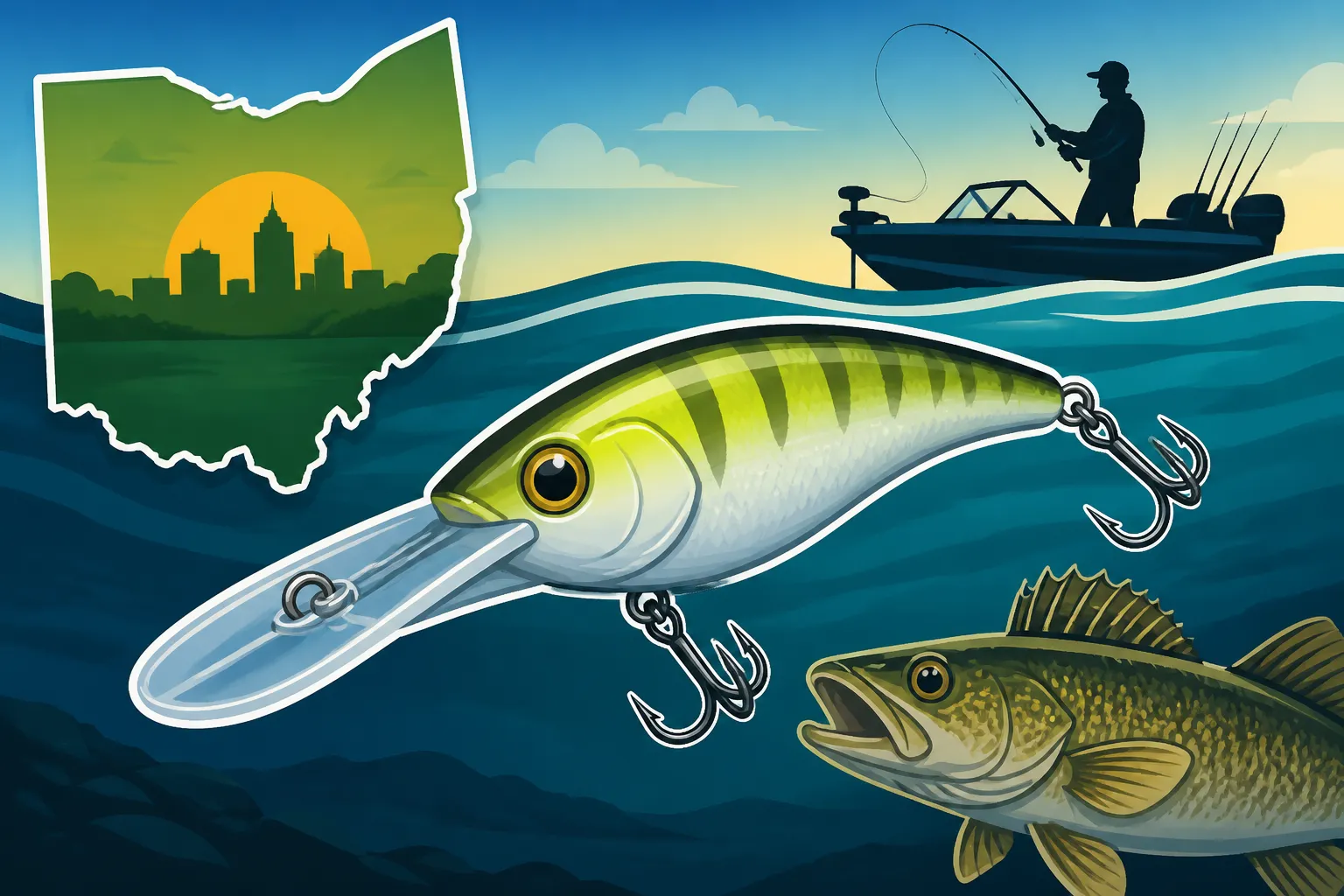
- Long, Steeply Angled Lips (Deep Divers): This is where you get into the true depth-seekers. Deep-diving crankbaits have very long, often paddle-shaped or steeply angled lips that create significant water resistance, forcing the lure down quickly. These baits are designed to reach depths of 20 feet or more, sometimes pushing past 30-35 feet, making them perfect for those deep summer walleye or when fish are hugging the bottom in deeper sections of Lake Erie. Their action tends to be a wider, more pronounced wobble.
Understanding these design differences allows you to quickly assess a crankbait and make an educated guess about its diving potential before it even hits the water.
Top Diving Depth Crankbaits for Lake Erie Walleye
When you're out on Lake Erie, the specific crankbait you choose can make or break your day. It’s not about finding one magic lure, but rather having a selection that covers various depths and conditions that walleye might present.
Shallow to Mid-Depth Options (5-15 feet)
These crankbaits are your workhorses for targeting active walleye in shallower water, especially during the spring, early summer, or late fall transitions. They shine when walleye are chasing bait near the surface, along weed lines, or over shallow reefs and humps. Think of areas like the Western Basin of Lake Erie, particularly during the post-spawn period when walleye are staging in shallower water.
Lures with smaller, less aggressive lips that create a subtle wobble are often excellent choices here. These include many traditional shallow-running stickbaits or smaller, rounder-bodied cranks. They mimic smaller baitfish like shiners or young-of-the-year perch, which are common forage in these shallower zones. Trolling these baits with a relatively short lead, maybe 50-100 feet back, allows them to achieve their maximum shallow dive without getting fouled on the bottom in skinny water. They're also fantastic for casting to visible structure or when "Night Fishing Techniques in Ohio" might bring walleye up from deeper haunts.
Mid-Depth to Deep Diving Options (15-30+ feet)
This is the bread and butter for many Lake Erie walleye anglers, especially during the peak summer months. When walleye move offshore and suspend in the open water or hold tight to the bottom in 20-30 feet of water, these are the baits you'll be reaching for. They are characterized by those longer, often wider lips that quickly pull the lure down to target depths.
Many of these crankbaits are designed with a specific dive curve that, when combined with proper line out, can precisely hit the thermocline or the top of baitfish schools. You might find a great selection of these on Amazon. When deploying these, paying attention to your "Trolling Speed for Lake Erie Walleye" is crucial, as too fast can cause the lure to blow out, and too slow might not get it to its maximum depth. These baits often have a more aggressive wobble or roll, creating a significant vibration that can draw walleye from a distance, even in stained water.
Specialty Deep Divers and Lead Core/Downrigger Considerations
Sometimes, even the deepest diving crankbaits can't get to where the walleye are. If fish are holding consistently below 30-35 feet, or even deeper in the Central and Eastern Basins, you might need to employ additional tools to get your presentation in front of them. This is where specialized techniques like lead core line or downriggers come into play.
Lead core line, with its weighted core, sinks the lure without needing extra weights directly on the line, allowing crankbaits to reach depths well beyond their natural dive. Downriggers use a heavy ball to carry your line down to a precise depth, from which your crankbait can then swim at its natural diving depth, but starting from a much lower point in the water column. While not strictly about the crankbait's inherent diving depth, these methods extend the effective range of any crankbait, allowing you to present even a shallow-running bait at extreme depths if that's what the walleye are hitting. This is a common strategy when following the "Ohio Walleye Fishing Guide" in situations where fish are really deep.
Here's a quick overview of crankbait types and their typical applications for Lake Erie walleye:
| Crankbait Type | Lip Design | Typical Dive Depth (feet) | Ideal Conditions/Target Zones |
|---|---|---|---|
| Shallow Runner | Short, often round or square lip | 0-10 | Early season, shallow structure, topwater, night fishing |
| Mid-Depth Diver | Medium length, broader lip | 10-20 | Moderate depths, suspended walleye, active feeders |
| Deep Diver | Long, steeply angled lip | 20-35+ | Summer thermocline, deeper structure, open water trolling |
| Specialty Deep Diver | Very long, exaggerated lip | 35+ (with assistance) | Extreme depths, combined with lead core or downriggers |
Maximizing Your Crankbait's Dive Depth on Lake Erie
Getting your crankbait to its advertised depth, or even beyond it, isn't always as simple as tying it on and casting. Several techniques and gear choices can significantly impact how deep your lure runs.
Trolling Speed and Line Selection
The speed at which you troll plays a critical role in how your crankbait behaves. Generally, a consistent trolling speed of 1.0 to 2.5 miles per hour is effective for walleye, but within that range, a slight increase in speed can make a crankbait dive deeper as more water pressure is applied to its lip. However, push it too fast, and the lure might start to "blow out," rising to the surface or swimming erratically, becoming ineffective. Finding that sweet spot for each lure and condition takes practice. Our guide on "Trolling for Lake Erie Walleye" offers more nuanced advice on this.
Your line choice is another major factor. Monofilament line has more stretch and a larger diameter, which creates more drag in the water, often reducing a crankbait's maximum dive depth compared to what's advertised. On the other hand, braided line, with its much thinner diameter for a given breaking strength and almost no stretch, cuts through the water with minimal resistance. This allows your crankbait to achieve its deepest possible dive. Using a thin diameter braid (e.g., 10-20 lb test) is a common strategy among serious Lake Erie walleye anglers when depth is crucial. You might pair it with a fluorocarbon leader for stealth, which also has a thinner diameter and less stretch than mono. When choosing "Choosing the Right Ohio Fishing Line", remember its impact on dive depth.
Lead Length and Weighting Strategies
The amount of line you let out, often called the "lead length," directly correlates to your crankbait's diving depth. The longer the lead, the deeper the crankbait will typically dive, up to its maximum potential. However, there's a point of diminishing returns; a crankbait will only dive so deep before its design limitations are met, regardless of how much more line you let out. Many anglers use line counter reels to precisely control their lead length, allowing them to duplicate successful presentations once a pattern is established.
For those times when your crankbait just isn't quite getting to the desired depth, even with maximum lead and optimal line choice, you can employ weighting strategies. Small clip-on weights, often called "snap weights," can be added to your line a certain distance in front of your crankbait. These weights pull the entire setup down, effectively increasing the dive depth of your crankbait without changing its inherent action. The amount of weight and its distance from the lure will determine the additional depth achieved. This technique is especially useful for targeting walleye that are holding just a few feet deeper than your crankbait's natural maximum. For those looking to master various setups, exploring "Best Rod and Reel Setup for Lake Erie Walleye" can provide additional insights.
Fishing Lake Erie for walleye is a journey of continuous learning, and mastering the art of crankbait depth is a huge part of that adventure. By understanding the fish, the lure, and the techniques, you'll be well on your way to more successful days on the water.
Disclaimer
This article is for general informational purposes only and does not constitute professional advice. Laws, prices and regulations vary by location and change over time. Consult a qualified professional for guidance on your specific situation.