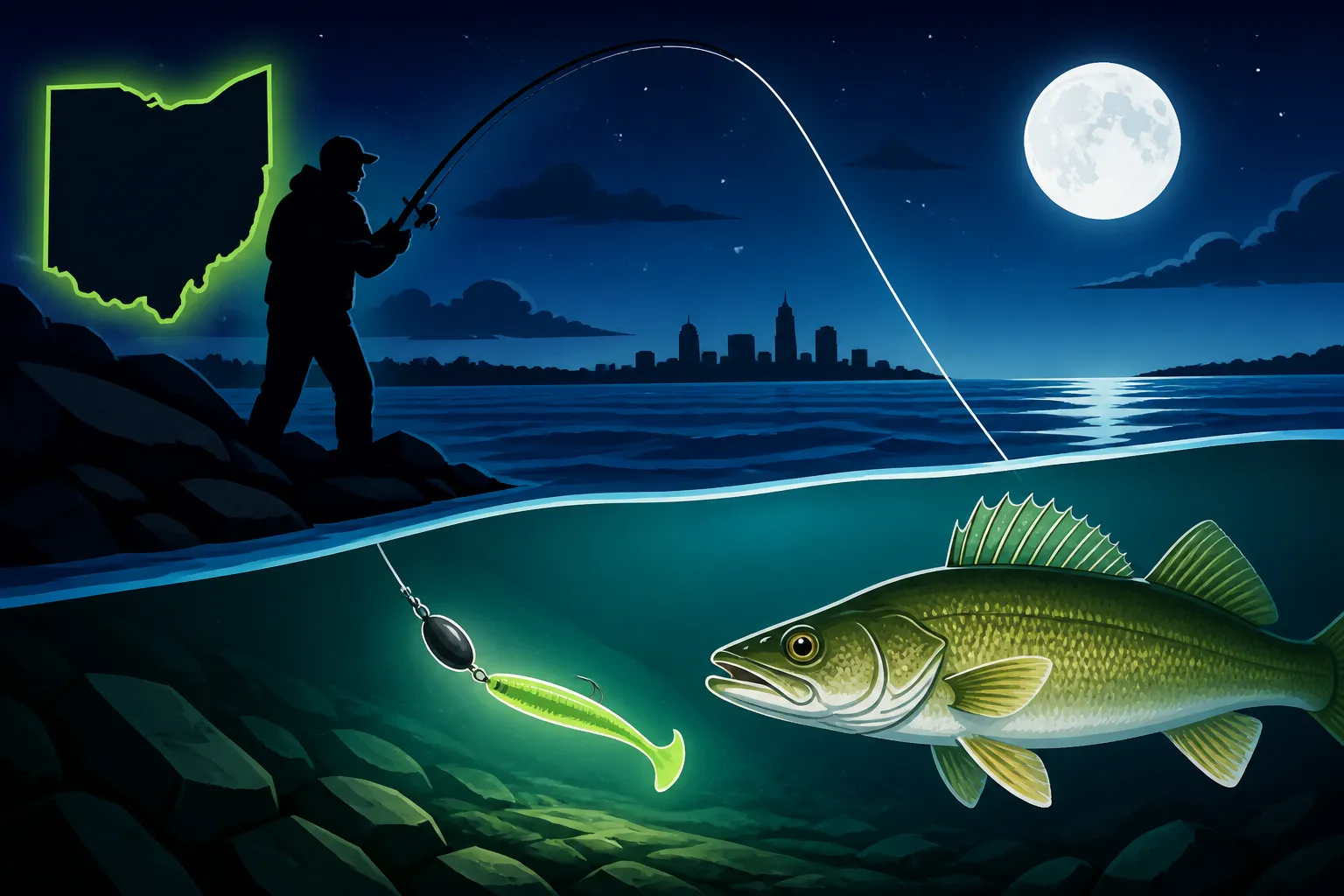
Best Shore Technique for Lake Erie Walleye at Night
There’s a unique kind of challenge, and often a lot of frustration, that comes with trying to catch Lake Erie walleye from shore after the sun dips below the horizon. Many anglers mistakenly believe you need a boat to truly tap into the phenomenal walleye fishery that Ohio boasts. But I'm here to tell you that’s simply not true! This guide will dive deep into the most effective techniques, essential gear, and crucial safety tips to help you successfully target those elusive Lake Erie walleye right from the bank under the cover of darkness.
Why Lake Erie Walleye Fishing at Night from Shore is a Game Changer
Fishing for walleye on Lake Erie from the shore at night might sound a bit unconventional, especially with the lake's reputation for massive open-water trolling success. However, for those who embrace the quiet solitude and cooler temperatures of the evening, it can be incredibly rewarding. The dynamics of the lake change drastically once the sun sets, and these changes often work directly in favor of the shore angler.
The Nocturnal Advantage for Walleye
Walleye are notoriously light-sensitive, often preferring dimmer conditions. This means that during the day, they're typically found in deeper, darker waters, or tucked away in areas with ample cover to avoid bright sunlight. As dusk turns to night, this behavior shifts dramatically. Walleye often move shallower, migrating closer to shore, piers, and structure to feed. They become more aggressive and less wary under the cloak of darkness, making them more accessible to shore-bound anglers. The lower light conditions give them a predatory advantage over their prey, and you can capitalize on this instinctual behavior.
Think about it: during the day, these fish might be hundreds of yards offshore. At night, they could be cruising within casting distance of a pier or a rocky break wall. This nocturnal feeding pattern is the primary reason why targeting walleye from shore at night is not just possible, but often highly productive. It’s all about being in the right place at the right time, and for walleye, that "right time" is frequently after dark in shallow water.
Challenges and Rewards of Night Fishing
Of course, night fishing isn't without its unique set of challenges. Visibility is naturally limited, which can make casting, tying knots, and landing fish more difficult. Safety also becomes a paramount concern, as uneven terrain, slippery rocks, and unexpected obstacles are harder to spot. You'll need to be extra cautious about your footing and aware of your surroundings at all times. The weather can also feel more intense at night; a mild breeze during the day can feel like a biting wind in the dark.
Despite these hurdles, the rewards are immense. The peace and quiet of Lake Erie at night, often punctuated only by the sounds of the waves and maybe a distant buoy bell, create a truly unique fishing experience. There's a certain thrill in battling a powerful walleye that you can barely see, relying on the feel of the bite and the strain on your line. And let's not forget the potential for trophy-sized walleye. Many of the biggest walleye caught from shore are landed at night, as these larger, more experienced fish are often the boldest feeders under low light conditions. If you're looking for an unforgettable angling adventure, facing these challenges head-on is well worth it.
Essential Gear for a Successful Night Shore Walleye Trip
Having the right gear is absolutely crucial when you venture out to fish Lake Erie for walleye at night from shore. It’s not just about what you’ll use to catch fish, but also what will keep you safe and comfortable. Preparing thoroughly can make the difference between a frustrating, potentially unsafe outing and a memorable, productive one.
Lighting and Safety First
When fishing at night, your personal lighting setup is probably the most important piece of gear. A reliable headlamp is non-negotiable. Look for one with multiple settings, including a red light option, which helps preserve your night vision and is less disruptive to other anglers and wildlife. You'll need both hands free for casting, tying knots, and handling fish, so a headlamp is far superior to a handheld flashlight. Always carry extra batteries, or a fully charged portable power bank if your headlamp is rechargeable. For added safety, especially if you're on a pier or a high-traffic area, consider a small, clip-on safety light for your back, making you more visible to others.
Beyond personal lighting, always have a general area light if possible, such as a lantern, to illuminate your immediate fishing spot for easier navigation and gear management. And for goodness sake, wear appropriate footwear! Non-slip, waterproof boots are essential, as shorelines, piers, and break walls can be wet and slick, even when it hasn't recently rained. A personal flotation device (PFD) might seem excessive for shore fishing, but if you're fishing near deep, fast-moving water or slippery rocks, it's a wise precaution. Safety is paramount, especially when visibility is low.
Rods, Reels, and Line Choices
For Lake Erie walleye from shore, you’ll want a rod that offers a good balance of casting distance and sensitivity. A medium-heavy power spinning rod, typically in the 7 to 9-foot range, is an excellent choice. This length allows for longer casts to reach those cruising walleye, while the medium-heavy action provides enough backbone to handle a strong walleye fighting in the current or waves. Pair this with a reliable spinning reel in the 3000-4000 series. A smooth drag system is key, as walleye can make powerful runs.
When it comes to line, a good quality braided line in the 10-20 lb test range is highly recommended. Braid offers superior sensitivity, allowing you to feel even the lightest walleye bite in the dark, and its lack of stretch provides excellent hook-setting power. However, because braid is highly visible, you'll want to tie on a fluorocarbon leader of 12-24 inches, in 10-15 lb test, to your main line using a strong knot like a FG knot or double uni-knot. Fluorocarbon is nearly invisible underwater and more abrasion-resistant, a real advantage when fishing around rocks or other submerged structures. You can find a wide range of fishing lines and gear on Amazon.
Lures and Bait that Glow in the Dark
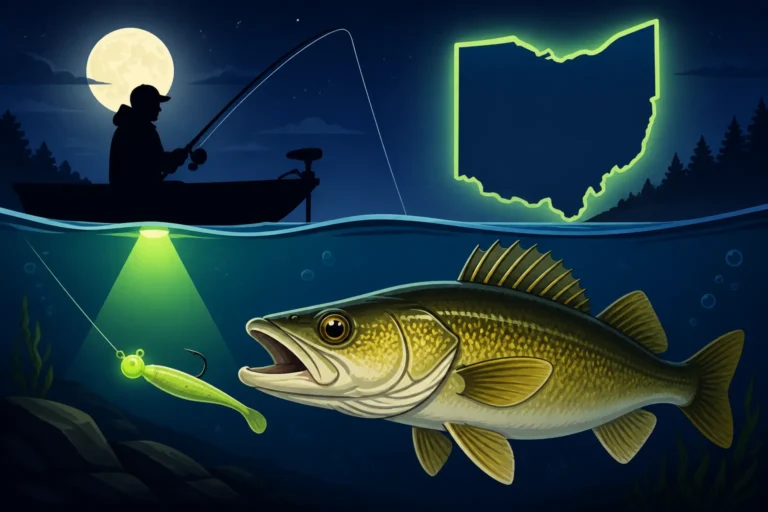
Walleye are sight feeders, and at night, they rely heavily on subtle visual cues and vibration. This is where glow-in-the-dark or UV-enhanced lures truly shine. Jigs tipped with soft plastics that glow brightly are incredibly effective. Think chartreuse, bright orange, or glow-white colors, sometimes infused with glitter for extra flash. You can "charge" these lures with a bright flashlight or a dedicated UV light for maximum luminescence. In colder water, a jig tipped with a live minnow can be absolutely deadly.
Hard baits like crankbaits and stickbaits that are designed for night fishing, often featuring rattling chambers and subtle glow patterns, are also excellent choices. Look for lures that dive to the depth you're targeting – typically shallower near shore at night. Many anglers also find success with blade baits that vibrate intensely, even if they don't glow, as the vibration can attract walleye in low light. Remember to experiment with different sizes and colors, and don’t be afraid to try some unique options you might find online from retailers like Amazon.
| Gear Category | Specific Item | Key Features for Night Fishing |
|---|---|---|
| Safety | Headlamp | Red light mode, long battery life, hands-free |
| Non-slip Boots | Waterproof, excellent grip on wet surfaces | |
| PFD | Added security near deep or moving water | |
| Rods/Reels | Spinning Rod | 7-9 ft, medium-heavy power, sensitive tip |
| Spinning Reel | 3000-4000 series, smooth drag | |
| Braided Line | 10-20 lb, high sensitivity | |
| Fluorocarbon Leader | 10-15 lb, low visibility, abrasion resistant | |
| Lures/Bait | Glow Jigs | 1/4 – 1/2 oz, chartreuse, glow white, tipped with soft plastic/minnow |
| Rattling Crankbaits | Shallow-diving, subtle glow patterns, loud rattles | |
| Stickbaits | Suspending or slow-floating, natural baitfish profiles | |
| UV Flashlight | To "charge" glow lures quickly |
Top Techniques for Targeting Walleye from Shore After Dark
Once you're geared up and ready to face the night, it's time to put some proven techniques into action. Walleye can be fickle, but by understanding their nocturnal habits and employing specific presentations, you can significantly increase your chances of success. It's often about subtle movements and enticing vibrations in the dark.
The Art of the Bottom-Bouncing Jig
Jigging is arguably one of the most effective techniques for shore walleye at night, especially when fish are holding near the bottom or around structure. The key is to present your jig in a way that mimics a wounded baitfish or a crayfish, irresistible to a hungry walleye. Start with a 1/4 to 1/2 ounce jig head, depending on current and wind conditions, to ensure it reaches the bottom effectively. Tip your jig with a soft plastic grub, paddle tail, or a live minnow. Glow-in-the-dark plastics are excellent for added visibility.
Cast your jig out and let it sink until it touches bottom. The retrieve should be slow and deliberate: lift your rod tip a foot or two, let the jig fall back to the bottom on a semi-slack line, and then reel in any slack before lifting again. This "lift-and-drop" or "hop-and-stop" motion is what triggers strikes. Pay close attention to your line as the jig falls; many bites occur on the drop as the walleye inhales the lure. Feeling a subtle "tick" or sudden heaviness often signals a bite. Mastering this technique, especially knowing How to Jig for Walleye in Cold Water, can be a game changer.
Sometimes, a steady, slow retrieve where the jig just barely scrapes the bottom can also be productive. This mimics a baitfish rooting around or a crawfish scuttling. Vary your retrieve speed and jigging cadence until you find what the walleye prefer on that particular night. Don't be afraid to experiment with different plastic body styles and colors as well. A change in the tail action or profile can often be enough to tempt a hesitant walleye into biting.
Suspended Walleye with a Slip Bobber
While many walleye hug the bottom at night, others might be suspended at various depths, especially if there's a thermocline or a band of baitfish holding higher in the water column. This is where a slip bobber setup becomes invaluable. A slip bobber allows you to present a live minnow or a small jig and plastic at a precise, pre-set depth, far beyond where a fixed bobber could reach with a cast. It's a fantastic way to target walleye that aren't quite on the bottom.
To set up a slip bobber, thread your main line through the bobber stopper, then a bead, then the slip bobber itself, another bead, and finally tie on your jig or hook. The bobber stopper, a small piece of string or rubber, slides freely on your line and can be adjusted to any depth. This means you can cast out, and the weight of your bait pulls the line through the bobber until the bobber stopper hits the bobber, suspending your bait at the desired depth. For night fishing, consider using a lighted bobber setup, where the bobber itself has a small LED light, making it incredibly easy to see when a walleye pulls it under. Learning Best Lighted Bobber Setup for Night Walleye Fishing can greatly enhance your visibility and success.
The key to success with a slip bobber is presenting natural bait. A lively minnow hooked lightly through the back or lips is often the most effective. Walleye will often cruise slowly, inspecting their prey before committing. The natural movement of a live minnow under a slip bobber is incredibly enticing. Watch your lighted bobber constantly; even a slight dip or movement could indicate a subtle walleye bite. Give the fish a moment to fully take the bait before setting the hook firmly.
Casting and Retrieving Stickbaits and Crankbaits
Stickbaits and crankbaits are powerful tools for covering water and mimicking baitfish that walleye actively pursue in the shallows at night. These lures are particularly effective when walleye are actively feeding and cruising just below the surface or in the mid-water column. The vibration, flash, and swimming action of these lures can draw strikes from aggressive walleye. Choose shallow-diving models that run in the 3-8 foot range, as walleye often come surprisingly shallow after dark.
Cast your stickbait or crankbait out and retrieve it with a steady, slow to medium pace. Experiment with different retrieve speeds, as walleye preferences can vary greatly from night to night. Sometimes a straight retrieve is all it takes, while other times a "twitch-twitch-pause" retrieve can be more effective. The pause allows the lure to suspend or slowly float up, often triggering a reaction strike from a following walleye. Lures with internal rattles can add an extra dimension of attraction in the dark water.
Consider using lures with a dark back and a silver or gold belly, or those with glow or UV enhanced finishes. The silhouette against the night sky, combined with the subtle flash and vibration, is what attracts the walleye. Always be prepared for a strike on the pause or as you begin your retrieve, and be ready to set the hook quickly. Regularly checking the diving depth of your lure ensures you're fishing in the optimal strike zone, and this method is excellent for anglers who prefer to cover a lot of ground from shore. You can find many effective stickbaits and crankbaits on retailers like Amazon.
Advanced Tips and Safety Considerations for Your Night Endeavor
Night fishing for Lake Erie walleye from shore is a commitment, and a successful outing often hinges on more than just the right gear and techniques. It's about understanding the subtle nuances of the environment and prioritizing your safety above all else. These advanced tips and safety considerations will help you refine your approach and ensure every trip is as enjoyable and productive as possible.
Reading the Water and Conditions
Understanding How to Fish for Walleye After Dark effectively means you need to be observant, even in the dark. Walleye activity is heavily influenced by conditions. Pay attention to wind direction and strength; a steady onshore breeze can push baitfish closer to shore, bringing walleye with them. Conversely, a strong offshore wind can make casting difficult and scatter bait. Look for areas with current breaks, eddies, or structure like submerged rocks or old pier pilings. These are prime ambush points for walleye.
Water clarity is another crucial factor. While walleye prefer low light, extremely muddy water can deter them. Look for areas where the water has some clarity, perhaps around a protected point or a calmer bay. Using your headlamp sparingly and observing the water's surface can reveal subtle signs, like baitfish flickering or even a walleye rolling. Often, the best advice is simply to keep moving if a spot isn't producing. Walk the shoreline, cast to different angles, and explore various depths until you find where the fish are holding. Remember, the fish aren't always in the same place every night.
Staying Safe and Respectful
Safety should always be your top priority when night fishing. Beyond the proper lighting and footwear, inform someone of your plans – where you're going and when you expect to return. This simple step can be a lifesaver in an emergency. Cell phone service can be spotty in some remote areas, so don't rely solely on it for communication. Carrying a small first-aid kit is also a smart move, as cuts from hooks or scrapes from rocks are common. If you’re ever in doubt about the legality of your setup, it's wise to consult the comprehensive Ohio Fishing Regulations Every Angler Should Know before you head out.
Respecting other anglers and the environment is also crucial. Keep your bright lights pointed downwards or away from other people's fishing areas. Be mindful of noise, especially if others are trying to hear subtle bites. Always pack out everything you pack in, including any discarded fishing line or bait containers. Let's keep Ohio's beautiful Lake Erie shoreline clean for everyone. Also, make sure you have your Ohio Fishing License Guide for Residents and Nonresidents in order, because the last thing you want is a run-in with a wildlife officer, especially since there are serious consequences for What Happens If You Fish Without a License in Ohio.
Handling Your Catch in the Dark
Landing and handling a walleye in the dark requires a bit more care. Have a landing net easily accessible and ready to go. A net with a long handle is a huge asset for shore fishing, allowing you to reach fish in the water without risking a fall. Once landed, quickly unhook the fish, especially if you plan to release it. Consider using a pair of long-nose pliers or a hook-removal tool, which helps protect both you and the fish.
If you plan to keep your catch, have a cooler with ice ready. Walleye is delicious, and keeping your fish on ice immediately will preserve its quality. Be mindful of current Lake Erie Walleye Bag Limits and minimum length limits. If you're practicing catch and release, handle the fish as little as possible. Wet your hands before touching it, support its body horizontally, and gently release it back into the water after a quick photo if desired. Observing these practices ensures the sustainability of our amazing Lake Erie walleye fishery for years to come.
Disclaimer
This article is for general informational purposes only and does not constitute professional advice. Laws, prices and regulations vary by location and change over time. Consult a qualified professional for guidance on your specific situation.