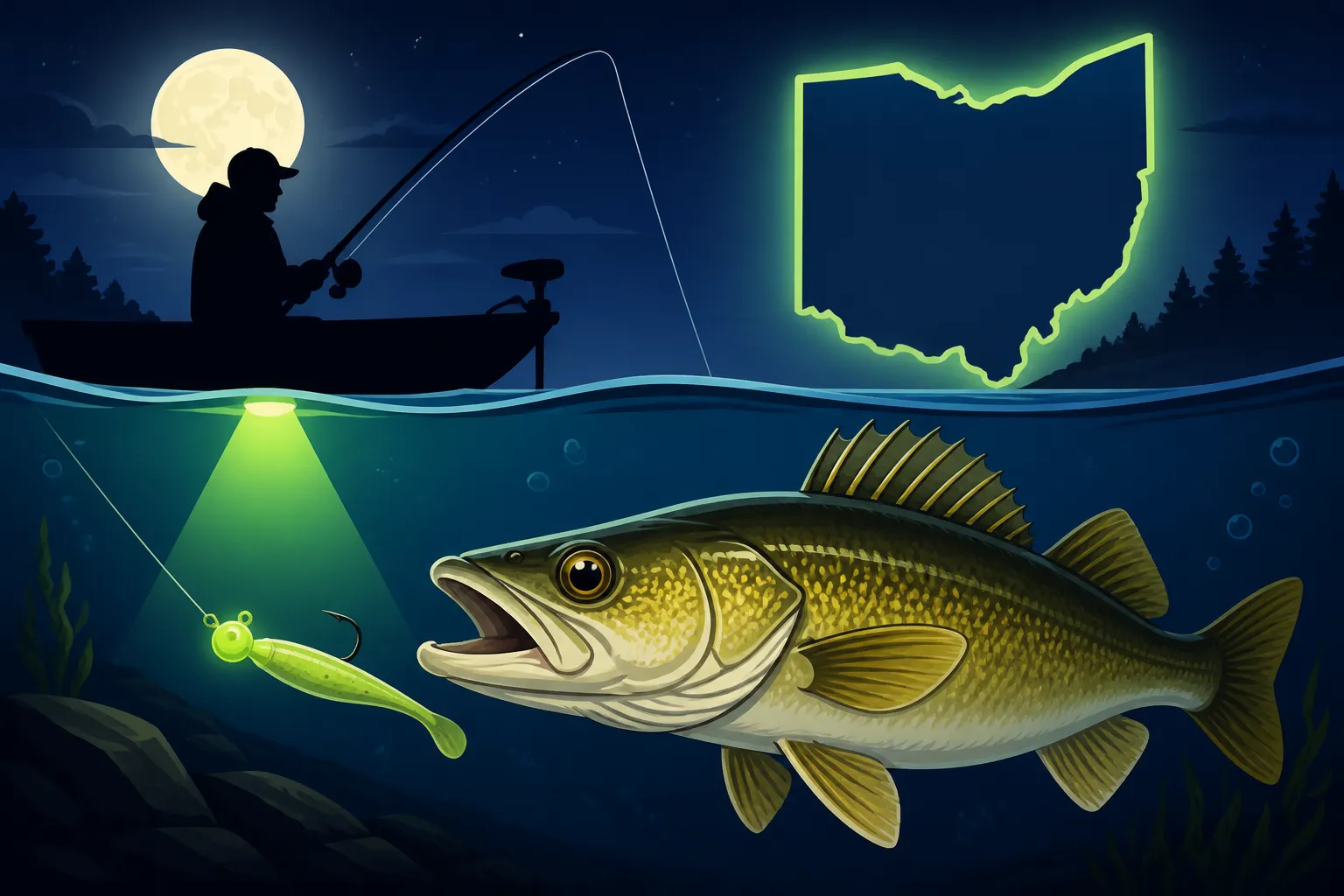
How to Fish for Walleye After Dark
There's nothing quite like the thrill of a walleye hitting your line, but if you've ever found yourself struggling to find these elusive fish during the bright daylight hours, you're not alone. Many anglers feel a familiar frustration when the midday sun glares down, making walleye seem to disappear. But what if I told you that the cover of darkness often opens up a whole new world of opportunity? Walleye are masters of the night, becoming incredibly active once the sun dips below the horizon. This guide is dedicated to helping you unlock the secrets of night fishing for walleye in Ohio, transforming those slow daytime trips into exhilarating moonlit adventures.
Why Walleye Love the Night Shift: Understanding Their Behavior After Dark
Walleye are fascinating fish, and understanding their daily patterns is key to consistently catching them. When the sun is high and bright, they tend to retreat to deeper, darker waters or hide within dense cover. But as dusk settles, a switch flips, and these keen-eyed predators emerge from their hiding spots, ready to hunt. It's a fundamental shift in their behavior that smart anglers can absolutely exploit.
The Nocturnal Advantage and Predator Instinct
Walleye possess large, light-sensitive eyes equipped with a reflective layer called a tapetum lucidum. This specialized vision gives them a distinct advantage in low-light conditions, allowing them to see far better than most of their prey fish, and certainly better than many other sport fish. Think of it like having built-in night vision goggles! While their prey might be fumbling around in the dark, the walleye is seeing with impressive clarity, making it the supreme predator of the night. This is why the walleye night bite can be so incredibly strong; they're no longer just feeding opportunistically, they're actively hunting with confidence.
During the day, intense light penetrates the water, making walleye shy and causing them to seek refuge from both the sun's glare and larger predators. But at night, the playing field changes dramatically. With their superior eyesight, they gain the upper hand, making them bolder and more willing to move into shallower areas to chase down baitfish. This natural adaptation is the primary reason why learning how to fish for walleye after dark is such a game-changer for many Ohio anglers, giving you access to fish that are otherwise hard to reach. It’s a complete reversal of roles, where the walleye becomes the hunter, and you, the angler, become adept at mimicking their nocturnal prey.
Where Walleye Relocate When the Sun Goes Down
Just as their behavior changes, so do their preferred locations. You won't typically find trophy walleye holding in the same deep, open water at midnight as you might at noon. Instead, they often migrate towards shallower feeding grounds. This might mean moving up onto points, humps, rocky ledges, or even into the skinny water along shorelines, especially those with access to immediate deep water. Think about ambush points where baitfish gather – that’s where the walleye will be.
On larger bodies of water like Lake Erie, walleye might move from offshore structures to nearshore reefs or shallow shoals. In inland reservoirs, they'll often push right up to main lake points, channel edges, or even the mouths of feeder creeks. These are the areas where baitfish, like shad or minnows, feel safer during the day but become vulnerable as darkness falls. Understanding this nocturnal migration is paramount. If you're fishing a spot that's productive during the day, don't just assume it will hold walleye after dark; you might need to adjust your position significantly to target these roaming predators. Often, the best night walleye spots are relatively close to where they hold during the day, just a shallower extension of that structure. For more on where these fish typically hang out, check out our Ohio Walleye Fishing Guide.
Essential Gear for Your Ohio Night Walleye Adventure
Venturing out after dark requires more than just a different mindset; it demands specific gear to ensure both your success and your safety. Trying to use your daytime setup without modifications can lead to frustration and missed opportunities. Investing in the right tools will make your night fishing experience far more enjoyable and productive.
Lighting the Way: Headlamps, Boat Lights, and Lighted Bobbers
When you're fishing in the dark, reliable light sources are non-negotiable. A good quality headlamp is your best friend. Look for one that offers multiple brightness settings, including a red light option. Red light helps preserve your natural night vision, making it easier to see subtle changes on the water without blinding yourself or your fishing partners. You'll need it for tying knots, rigging baits, or navigating your boat. Speaking of boats, if you're on the water, ensure your navigation lights are fully functional and in compliance with all regulations. Having an extra spotlight or floodlight on board is also a smart move for safety and for scanning the water if needed.
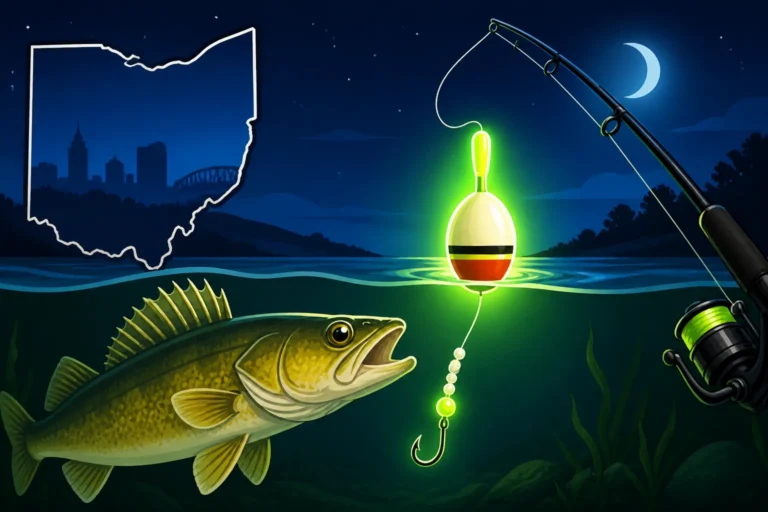
For your actual fishing, illuminated tackle can be a huge advantage. Lighted bobbers, for instance, are fantastic for live bait presentations, allowing you to easily see strikes even on the darkest nights. Some of these bobbers activate automatically in low light, making them incredibly convenient. You can find a variety of these and other handy gadgets on platforms like Amazon, making sure you're well-equipped. For specific recommendations, our article on Best Lighted Bobber Setup for Night Walleye Fishing dives even deeper into this topic. These specialized lights help you stay aware of your line and detect those often-subtle walleye bites, turning a guess into a definite hookset.
Rods, Reels, and Line for the Low Light Bite
While your trusty daytime rod and reel setup might work, there are some considerations for night fishing. Sensitivity is key, as bites can be notoriously light after dark. A medium-light to medium-heavy action rod, typically 6'6" to 7'6" in length, with a fast tip will give you the feel you need. Graphite rods are excellent for this as they transmit subtle bumps and taps wonderfully. Pair it with a smooth-casting spinning or baitcasting reel, depending on your preference and technique.
When it comes to line, many night anglers prefer a low-visibility fluorocarbon or monofilament line, especially for clear water. While braided line offers incredible sensitivity, its lack of stretch can be a disadvantage when walleye are shy biters, and it can be tougher to tie in the dark if you're not practiced. A good 8-12 lb test line is usually sufficient for most Ohio walleye. The key is to have a setup that allows you to feel everything that's happening at the end of your line, even when you can't see it. This precision in your gear will directly impact your success, as often the difference between a missed fish and a landed one is how quickly you can react to the take. To learn more about selecting the right gear, check out our guide on Best Rod and Reel Setup for Lake Erie Walleye, which has many principles applicable to other Ohio waters.
Baits and Lures That Shine in the Dark
Choosing the right bait or lure for night walleye fishing is where a lot of anglers get tripped up. While some of your daytime favorites might still work, adapting your selection can significantly increase your strike rate. Walleye rely heavily on their lateral line system to detect vibrations in the water, especially at night when visual cues are limited. This means lures with a strong thumping action or rattles can be incredibly effective.
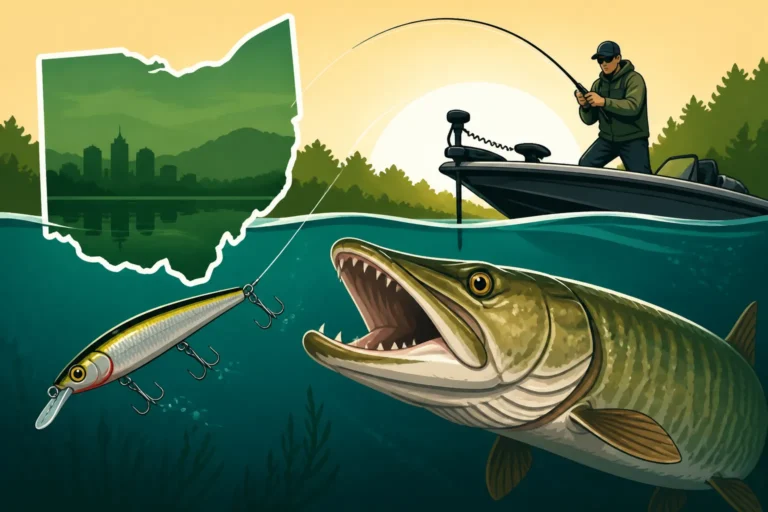
Deep-diving crankbaits in dark colors like black, blue, or purple, or those with glow-in-the-dark features, are excellent choices. Trolling these at slower speeds along those shallow feeding flats can be deadly. Spinnerbaits with large thumping blades or soft plastic paddle-tail swimbaits rigged on jig heads also produce a lot of vibration, making them easy for walleye to locate. Don't forget the power of live bait either – a lively shiner or nightcrawler on a slip bobber or a bottom-bouncing rig is often irresistible. Consider adding a glow bead or a small light stick near your bait to give it just a hint of visibility. Sometimes, a tiny bit of glow is all it takes to entice a strike when walleye are being particularly finicky. For a broader look at lure choices, our Best Lures for Ohio Fishing guide offers valuable insights.
Proven Techniques for Catching Walleye After Dark in Ohio
Once you've got your gear ready and you understand walleye behavior, it's time to put those skills to the test. Night fishing for walleye isn't just about showing up; it's about employing specific strategies that capitalize on their nocturnal habits. Patience and stealth are your best friends here.
Slow Trolling and Casting Shorelines
One of the most effective ways to cover water and find actively feeding walleye after dark is through slow trolling. This technique is particularly potent on larger lakes and reservoirs, including Lake Erie, where walleye often move into shallower areas to chase baitfish. Use deep-diving crankbaits that reach the depth you expect the walleye to be, typically 8-20 feet, depending on the specific body of water and time of year. Experiment with trolling speeds, but generally, a slower pace (1.0-1.8 mph) allows the walleye more time to react and strike in the dark. Utilizing planer boards can help spread your lines out and cover a wider swath of water, especially useful for mimicking scattered baitfish. Remember, the goal is to present your lure as a vulnerable meal that's easy to ambush.
Casting along shorelines, especially rocky banks, points, and weed edges, can also be incredibly productive. Walleye will often push baitfish against these structures. From a boat, position yourself a good cast away from the bank and fan-cast a variety of lures, such as stickbaits, shallow-diving crankbaits, or even a jig and soft plastic. Pay close attention to structure, current breaks, and areas where baitfish might congregate. If you're fishing from shore, target drop-offs near piers or rock walls. Cast and retrieve slowly, allowing the fish ample time to track your offering. For a more general overview of effective walleye strategies, our Best Ohio Walleye Fishing Techniques article is a great resource.
Jigging and Slip Bobber Strategies Under the Stars
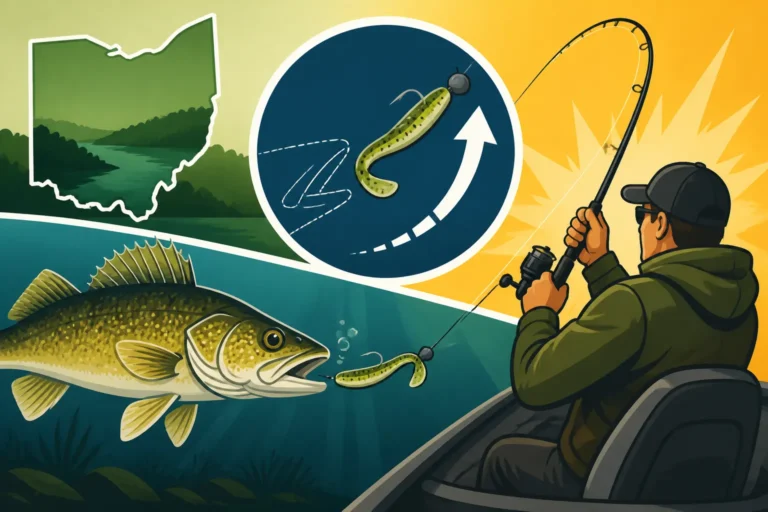
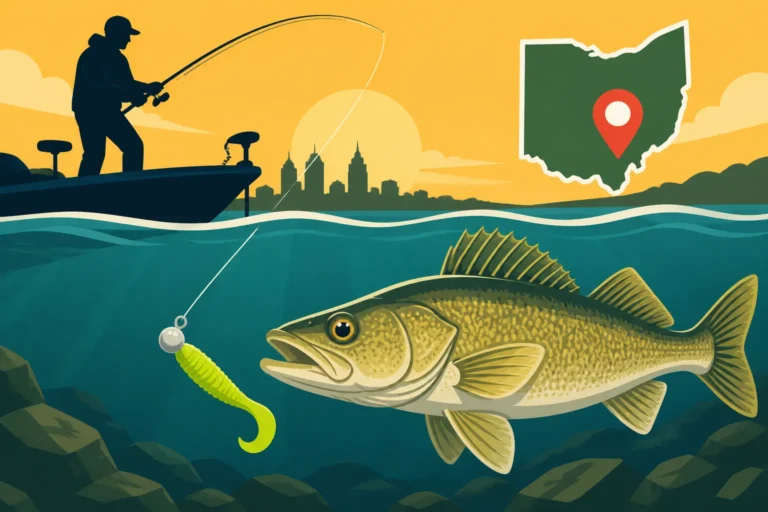
When walleye are concentrated in a specific area, or if you prefer a more stationary approach, jigging and slip bobber fishing are stellar options for night walleye. Jigging involves vertically presenting a jig-and-minnow combination or a jig-and-soft plastic directly below the boat, often over known structure like humps, rock piles, or channel edges. Use a light to moderate jig, typically 1/4 to 3/8 ounce, and impart a subtle lift-and-drop retrieve. The key is to keep your bait in the strike zone and be ready for those light taps. Some anglers find glow-in-the-dark jigs to be particularly effective after dark.
Slip bobber fishing with live bait, such as shiners, leeches, or nightcrawlers, is another phenomenal strategy, especially for targeting fish suspended at specific depths or when fishing near submerged cover. The beauty of a slip bobber is its versatility: you can adjust your depth easily to present your bait exactly where the fish are holding. When using a lighted bobber, watching it disappear or subtly twitch in the darkness is an unforgettable experience. This method allows you to soak your bait in high-percentage areas for extended periods, enticing even the most cautious walleye. For anglers interested in maximizing their live bait presentations, learning Night Fishing Techniques in Ohio offers further guidance on these strategies.
Safety First: Navigating Ohio Waters at Night
While the rewards of night fishing for walleye are immense, safety must always be your top priority. Ohio waters can be challenging enough during the day, and adding darkness to the mix elevates the risks. Before you even think about launching, thoroughly check all your boat's navigation lights and ensure they are working properly. Carry extra batteries for your headlamp, a backup flashlight, and a fully charged cell phone. It's always a good idea to let someone know your float plan – where you're going, when you expect to return, and who is with you.
Familiarize yourself with the body of water during daylight hours. Know where the hazards are – submerged stumps, rock reefs, shallow sandbars – as they become invisible obstacles in the dark. Reduce your speed significantly, especially when approaching unfamiliar areas or busy ramps. Bring all required safety equipment, including life jackets for everyone on board, and make sure they are easily accessible. Consider having a GPS unit on board, even if you know the lake well, as disorientation can occur quickly after dark. Remember, a successful night fishing trip is one where everyone returns home safely, with or without a cooler full of walleye. Always adhere to Ohio Fishing Regulations Every Angler Should Know, as they also cover boating safety.
Adapting to Conditions: Weather, Moon, and Water Clarity
Just like daytime fishing, night fishing for walleye isn't a static activity. The success of your trip often hinges on how well you adapt your approach to the ever-changing conditions. Factors like the moon phase, cloud cover, and water clarity can drastically influence the walleye bite after dark. Being able to "read the night" will set you apart from other anglers.
How Moon Phase and Clouds Affect the Night Bite
The moon, surprisingly, plays a significant role in night walleye activity. A full moon, or even a bright half-moon, can act like a natural spotlight, illuminating the shallow feeding grounds. While this might seem counterintuitive for a light-sensitive fish, the increased visibility can sometimes make walleye more aggressive, as they can track their prey more easily. On these bright nights, you might find success with slightly faster retrieves or more visually appealing lures. However, on exceptionally bright nights, walleye might also stay a bit deeper than usual, still preferring the comfort of lower light.
Conversely, a new moon or heavily overcast conditions create pitch-black darkness. These are often considered prime conditions for night walleye fishing, as the walleye's superior low-light vision gives them the ultimate advantage. They tend to move even shallower and feed with greater confidence. On these darker nights, focus on lures with strong vibrations or scent, as walleye will rely more on their lateral line and sense of smell. Pay close attention to weather patterns, as sudden changes in barometric pressure can impact feeding activity day or night. Our Reading Weather Patterns for Ohio Fishing article can provide more context on how atmospheric changes influence fish behavior.
Reading Water Temperatures and Current in the Dark
Water temperature is always a critical factor in fishing, and it doesn't lose its importance after the sun sets. Walleye are cold-water fish, generally preferring temperatures between the mid-40s to low 70s Fahrenheit. At night, especially during the summer, shallow water that was too warm during the day might cool down enough to become comfortable for walleye, drawing them in to feed. Carrying a reliable thermometer is invaluable for identifying these prime temperature zones.
Current, whether it's from a river, wind-driven currents on a lake, or even minor seiches on Lake Erie, can also be a major determinant of where walleye position themselves. Walleye will often use current breaks as ambush points, allowing them to conserve energy while waiting for prey to be swept past. In a river system like the Ohio River or its tributaries, identifying eddies, seams, and current lines becomes even more crucial at night. These subtle variations in water flow might be difficult to spot in the dark, but they are often key indicators of where walleye are holding. Learning to interpret your fish finder in low light, as detailed in How to Read a Fish Finder for Suspended Walleye, can give you an edge in finding those hidden current breaks and temperature transitions.
Here's a quick comparison of general walleye tactics from day to night:
| Feature | Daytime Walleye Tactics | Nighttime Walleye Tactics |
|---|---|---|
| Location | Deeper water, offshore humps, main lake basins, dense cover, shaded areas. | Shallower feeding flats, points, rock piles, nearshore reefs, weed edges, channel mouths. |
| Activity Level | Often lethargic, hiding, less aggressive. | Highly active, aggressive, bold, and actively hunting. |
| Best Techniques | Deep cranking, vertical jigging, bottom bouncing, slow trolling deep. | Slow trolling shallow, casting stickbaits, jigging (subtle), slip bobber with live bait. |
| Lure Colors | Natural, metallic, bright (depending on water clarity). | Dark, glow-in-the-dark, black, blue, purple, or fluorescent for contrast. |
| Bait | Minnows, crawlers (deeper presentations), artificials. | Live minnows (slip bobber), nightcrawlers, scented soft plastics. |
| Visibility | High light penetration, reliance on visual cues. | Low light, reliance on vibration, lateral line, and superior night vision. |
| Gear Notes | Standard rods/reels, sensitive line. | Headlamps, boat lights, lighted bobbers, highly sensitive rods. |
| Safety | Standard boating/fishing safety. | Enhanced navigation, extra lighting, float plans, reduced speed, known waters. |
Don't let the darkness intimidate you. With the right preparation, gear, and techniques, night fishing for walleye in Ohio can be one of the most rewarding angling experiences you'll ever have. The quiet calm of the water, the crisp night air, and the electrifying strike of a big walleye under the stars – it’s a truly unique adventure that every angler should experience. So, charge up your headlamp, pack your gear, and get ready to discover the magic of the walleye night bite!
Disclaimer
This article is for general informational purposes only and does not constitute professional advice. Laws, prices and regulations vary by location and change over time. Consult a qualified professional for guidance on your specific situation.