Best Water Temperature for Ohio Walleye
One of the biggest frustrations for Ohio walleye anglers is knowing where these elusive fish are hiding, especially when the water temperature seems to be a mystery. You've heard that water temp is crucial, but what does it really mean for your day on the water? This guide is going to peel back the layers on how water temperature dictates walleye behavior in Ohio's diverse fisheries, from the vastness of Lake Erie to our smaller inland lakes and reservoirs, helping you unlock more consistent catches.
Understanding Walleye Thermoregulation and Preferred Temps
Walleye, like all fish, are cold-blooded creatures, meaning their internal body temperature is directly influenced by the temperature of the water around them. This isn't just a biological fact; it's the key to understanding their activity levels, metabolism, and ultimately, where you'll find them and how aggressively they'll bite. Ignoring water temperature is like trying to navigate a dark room without a flashlight – you might bump into something, but you're probably going to miss a lot.
Why Water Temperature Matters for Walleye Behavior
Think about it this way: when you're too hot or too cold, you're not exactly feeling your best, right? You slow down, you seek comfort, or you try to warm up. Walleye are no different. Their entire existence revolves around finding optimal conditions. When the water hits their sweet spot, their metabolism is buzzing. They're digesting food quickly, they're actively hunting, and they're expending energy efficiently. Conversely, when the water is too cold, their metabolism slows to a crawl, and they become lethargic, often seeking deeper, more stable temperatures. Too warm, and they might feel stressed, heading to cooler depths or shade. Understanding this fundamental principle is the first step in decoding the walleye's movements throughout the year and throughout the day. It influences everything from their preferred depth to their willingness to chase a bait.
The "Sweet Spot" Range for Active Walleye
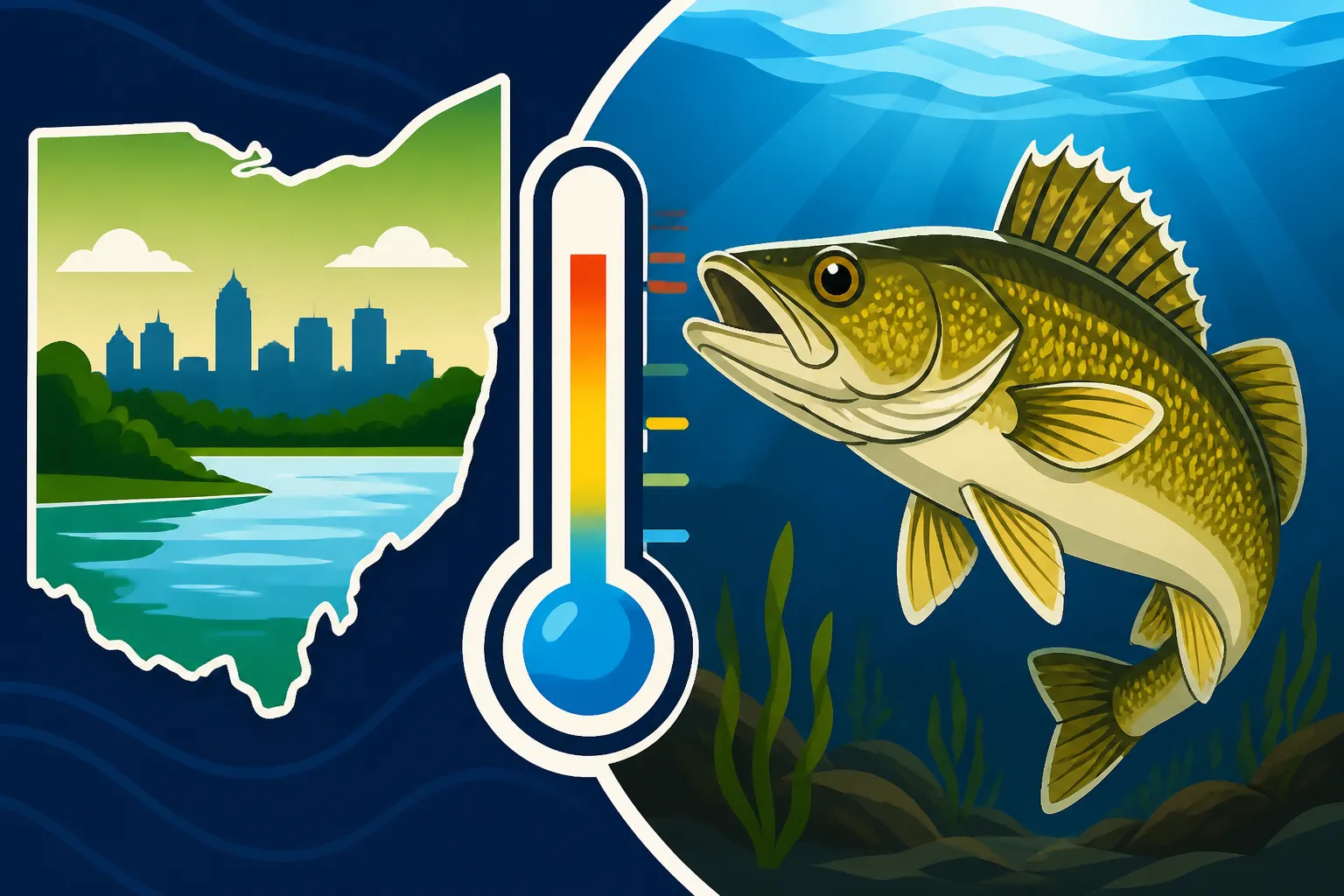
While walleye can tolerate a fairly wide range of water temperatures, they truly thrive and become most active within a specific "sweet spot." Generally, most anglers and biologists agree that walleye are most comfortable and feed most aggressively when the water temperature ranges from about 45°F to 70°F (7°C to 21°C). Within this broad range, there are even more nuanced preferences. For instance, many consider the 55°F to 65°F (13°C to 18°C) range to be absolutely prime for aggressive feeding. This is where their digestion is working optimally, and they're expending energy to hunt efficiently. Below 45°F, they start becoming quite sluggish, and above 70°F, they might start seeking cooler, oxygen-rich waters, often deeper or in areas with current or springs. Knowing this range gives you a target window to aim for when planning your fishing trips, allowing you to predict not just if they'll bite, but how they'll bite. It's not a hard and fast rule, as conditions like oxygen levels and bait presence also play a role, but it's an incredibly powerful indicator.
Seasonal Water Temperature Changes and Walleye Movement
Ohio's seasons bring dramatic shifts in water temperature, and with those shifts, walleye undergo significant behavioral changes. It’s like clockwork – as the thermometer rises and falls, so does the walleye’s location and feeding strategy. If you want to consistently catch them, you have to play by their rules, and their rules are written in water temperature.
Spring Spawning and Post-Spawn Patterns
Spring is a time of renewal, and for walleye, it's all about reproduction. As ice recedes and water temperatures begin to climb, walleye migrations begin. They're driven by an instinct to spawn, and that instinct is triggered by temperature. Typically, walleye move into shallow rivers, tributaries, or rocky shoals in larger lakes when water temperatures reach the 42°F to 50°F (5°C to 10°C) range. On Lake Erie, this mass movement into rivers like the Maumee and Sandusky is legendary, drawing anglers from all over. Understanding the precise timing of these runs, often coinciding with "When Ohio's Walleye Season Peaks on Lake Erie", is paramount. After the spawn, which usually happens in that 45-50°F window, walleye are often exhausted. The post-spawn period sees them scattered and recovering, typically moving back out of the rivers into slightly deeper, more stable lake environments to recuperate. During this time, they might still be in that 50-55°F range, but their feeding might be more sporadic until they regain their energy. Light presentations and slower retrieves are often key during this recovery phase as they slowly ramp up their metabolism again.
Summer Deep Water and Night Feeding
As Ohio summers kick in, water temperatures rise significantly, especially in shallower areas. This is when you'll see a distinct shift in walleye behavior. Once surface temperatures climb consistently above the 70°F (21°C) mark, walleye, especially the larger ones, tend to retreat to deeper, cooler waters where oxygen levels are usually better. This is particularly true in larger bodies of water like Lake Erie, where a distinct thermocline often forms, separating warmer surface water from cooler, denser water below. You'll find these fish often suspending near or just above the thermocline, or hugging bottom structure in deeper zones. The "Best Time of Day to Catch Walleye on Lake Erie" during summer often shifts to dawn, dusk, and even night, when surface waters cool slightly and walleye might move shallower to feed under the cover of darkness. Techniques like "Trolling for Lake Erie Walleye" with deep-diving crankbaits or "Bottom Bouncing for Lake Erie Walleye" are highly effective as you target these cooler, deeper zones. Knowing how to read your electronics to find that cooler water is absolutely essential.
Fall Turnover and Feeding Frenzy
Autumn brings another significant temperature change. As air temperatures drop, surface waters cool, eventually matching the temperature of deeper water. This leads to a phenomenon known as "fall turnover," where the entire water column mixes. This typically happens when the surface water temperature drops into the low 50s Fahrenheit (around 10-12°C). Turnover can temporarily make fishing tough as fish scatter, but once the water column stabilizes, a massive feeding frenzy often ensues. Walleye know winter is coming, and they need to pack on the pounds. This is a prime time for active fishing, as walleye are often found at various depths, chasing baitfish that are also moving in response to the cooling water. They become incredibly aggressive, and you might find them in shallower water than during the peak of summer, especially during low-light conditions. Focus your efforts on areas where baitfish are congregating, which could be anything from shallow flats to deeper breaks.
Winter Slowdown and Ice Fishing Strategies
When winter truly sets in and water temperatures plummet below 40°F (4°C), walleye metabolism slows down considerably. They become much less active, conserving energy. However, this doesn't mean they stop feeding entirely! For those brave enough to venture onto the ice, "Ohio Ice Fishing Guide" techniques can be incredibly productive. Walleye will often congregate in predictable areas, like main lake basins, drop-offs, or near submerged structure, seeking stable conditions. During this season, "Ice Fishing Techniques for Ohio Walleye" involve slower presentations, smaller baits, and precise jigging. They're not going to chase a fast-moving lure far; instead, you need to put the bait right in front of them and entice a bite. Patience is a virtue when ice fishing for walleye, as bites can be subtle. The best bites often occur during low-light periods, particularly dawn and dusk, even through the ice.
Here's a quick reference table for walleye activity based on water temperature:
| Water Temperature Range | Walleye Behavior & Activity | Typical Location | Recommended Tactics |
|---|---|---|---|
| Below 40°F (4°C) | Very sluggish, conserve energy. | Deep basins, main lake structure, stable areas. | Ice fishing, slow jigging, dead sticking, small baits. |
| 40-45°F (4-7°C) | Pre-spawn staging, slowly increasing activity. | Near spawning grounds (rivers, rocky shoals), deeper edges. | Slow retrieves, vertical jigging, live bait. |
| 45-50°F (7-10°C) | Spawning actively, post-spawn recovery begins. | Spawning rivers, shallow rocky areas, gradually moving deeper. | River jigging, slip bobbers with minnows, slow trolling. |
| 50-55°F (10-13°C) | Post-spawn recovery, increasing feeding. | Mid-depth flats, points, humps. | Casting crankbaits, jigging, slow trolling with crawler harnesses. |
| 55-65°F (13-18°C) | Peak feeding activity, aggressive. | Throughout the water column, following baitfish. | Fast trolling, casting, jigging, diverse lure selection. |
| 65-70°F (18-21°C) | Active, but may start seeking cooler water on hot days. | Deeper edges, near thermocline, humps. | Trolling deep, night fishing, working breaks and structure. |
| Above 70°F (21°C) | Stress begins, retreat to deep, cool water; night feeding common. | Deepest available water, thermocline, strong current areas, shade. | Deep trolling, bottom bouncing, night fishing with shallow presentations. |
Specific Ohio Waters and Their Temperature Nuances
Ohio offers a fantastic variety of fishing opportunities, from the massive expanse of Lake Erie to countless inland lakes and reservoirs. Each body of water has its own unique characteristics, and understanding how water temperature behaves in these different environments is crucial for consistent success. You can't just apply a "one size fits all" approach; what works in a shallow inland lake might be entirely ineffective on the biggest of the Great Lakes.
Lake Erie's Vastness and Thermocline Dynamics
Lake Erie, often hailed as the "Walleye Capital of the World," is a beast of its own. Its sheer size and depth create a complex thermal environment. In the spring, the shallower Western Basin warms up much faster than the deeper Central and Eastern Basins. This differential warming is a major factor in "Best Time of Year to Fish Lake Erie for Walleye," as it dictates when walleye will stage for spawning in areas like the Maumee River and when they'll disperse back into the main lake. As summer progresses, the deeper Central and Eastern Basins often develop a strong thermocline – a distinct layer where the water temperature changes rapidly. This thermocline acts like a false bottom for walleye, concentrating them just above or within it, as it offers the perfect balance of cooler water and adequate oxygen. If you can locate this thermocline with your fish finder, you've found a prime zone for targeting walleye. The large volume of water in Lake Erie also means temperature changes are slower and more gradual than in smaller lakes, offering more stable conditions over longer periods. This stability allows for sustained patterns, which is a huge advantage for dedicated anglers.
Inland Lake and Reservoir Temperature Variations
Inland lakes and reservoirs, while often much smaller than Lake Erie, present their own set of temperature challenges and opportunities. These waters tend to warm up and cool down much faster due to their shallower average depths and less overall water volume. This means walleye patterns can shift more quickly. In the spring, smaller lakes might hit optimal spawning temperatures earlier, and post-spawn recovery can also be faster. During the summer, shallow inland lakes can become quite warm, pushing walleye into the deepest available holes, near springs, or around dense cover that provides shade and slightly cooler water. You might find them concentrating around areas with deeper structure, like old creek beds, submerged timber, or rock piles. The absence of a strong, consistent thermocline in many shallower inland lakes means walleye might spread out more or seek refuge directly on the bottom. In fall, these lakes will experience turnover more quickly than Lake Erie, and the subsequent feeding frenzy can be explosive but short-lived. Knowing your specific lake's depth, contour, and any unique features (like aerators or cool-water springs) can give you a significant advantage in understanding its temperature profile.
Tools and Techniques for Measuring Water Temperature
You can talk about water temperature all day, but if you don't have a way to accurately measure it, you're essentially guessing. Modern fishing has made it easier than ever to get precise temperature readings, and incorporating these tools into your routine will elevate your fishing game significantly. Gone are the days of dunking your hand in the water and shrugging.
Essential Temperature Measurement Gear
The most straightforward way to measure water temperature is with a good thermometer. Many anglers will attach a simple, robust water thermometer to a rope and lower it to various depths to get readings. Brands like Frabill and Rapala make reliable versions that are easy to read. These are indispensable, especially for "Ice Fishing Techniques for Ohio Walleye" when trying to find that subtle temperature difference under the ice that can hold fish. For boat anglers, many modern fish finders and depth sounders come equipped with a water temperature sensor built into the transducer. This gives you a continuous surface temperature reading, and some advanced units can even give you subsurface temperatures if you have a specialized transducer or a temperature probe that can be lowered. Investing in a quality unit, perhaps found on platforms like Amazon, can provide incredible value, offering real-time data that helps you identify temperature breaks and thermoclines. Portable units designed for kayaks or smaller boats also frequently include temperature sensors. Don't underestimate the value of a small, accurate thermometer; it's a foundational piece of gear.
Using Electronics to Read Water Temperature and Find Fish
Your fish finder isn't just for locating fish arches or mapping structure; it's an invaluable tool for temperature hunting. As mentioned, most units will display surface temperature, which is your first clue. However, the real magic happens when you combine that with what you see on the screen. If you're on a large lake like Erie in summer, watch for that distinct thermocline. On your sonar, it often appears as a fuzzy or cloudy layer, sometimes showing a dense band of baitfish or game fish just above or within it. This layer indicates a significant temperature change, and it's a prime target zone. Many advanced units allow you to overlay temperature graphs or even map out temperature zones if you're using compatible software and have collected enough data. Learning "How to Read a Fish Finder for Suspended Walleye" involves looking for these temperature breaks alongside bait schools and individual fish. When you see walleye consistently holding at a certain depth, make a note of the water temperature at that depth. This knowledge will become your most powerful asset for replicating success across different spots on the same day. Understanding how temperature influences fish depth and behavior makes your electronics exponentially more effective.
Adjusting Your Approach Based on Water Temperature
Knowing the water temperature is only half the battle; the other half is knowing how to react to it. Walleye in 45-degree water behave drastically different from walleye in 75-degree water. Adjusting your tactics, from the lures you tie on to how fast you reel, is critical to translating temperature knowledge into fish in the livewell. This isn't just about trying different things; it's about making informed, strategic changes based on what the water is telling you.
Lure Selection and Retrieve Speed by Temperature
The water temperature dictates the walleye's metabolism, and that directly influences how they perceive and react to your bait. In colder water, below 50°F, walleye are sluggish. Their digestion is slow, and they're less likely to chase. This means you need to present "Best Lures for Ohio Fishing" that are slower, smaller, and require minimal effort from the fish. Think small jigs tipped with live minnows, soft plastics worked painstakingly slowly along the bottom, or even dead-sticking bait. Your retrieve speed should be glacial. The fish aren't going to exert themselves, so you need to put the meal right in front of them and let them make an easy decision. As temperatures climb into the 55-65°F sweet spot, walleye become aggressive hunters. This is when you can speed things up. Larger crankbaits, faster trolling speeds (check out "Best Trolling Speed for Lake Erie Walleye"), blade baits, and aggressively worked jigs become highly effective. They're willing to chase, so mimic fleeing baitfish with erratic retrieves. When temperatures exceed 70°F, you might need to slow back down, even if the fish are still active. These warmer conditions can make walleye more finicky or concentrated in tight spots, so a slower, more deliberate presentation might be needed to get a reaction strike from a fish holding in a cooler pocket.
Depth and Location Adjustments for Different Temperatures
Perhaps the most direct impact of water temperature is on walleye depth and location. As we've discussed, walleye are constantly seeking their comfort zone. In early spring, when waters are cold, they might hug the bottom in deeper sections, gradually moving shallower as the water warms, until they hit the crucial spawning temps. Post-spawn, they'll often hold on shallow to mid-depth flats and points, especially those with access to deeper water. During the heat of summer, their vertical movements become even more pronounced. On Lake Erie, this means going deep, often to the thermocline or the coolest available water. Techniques like "Trolling for Lake Erie Walleye" become essential for covering ground at various depths until you find that productive temperature band. In inland lakes, they might be in the deepest holes, around submerged timber, or even tucked under docks providing shade. Fall sees them more scattered, but still often relating to structure and baitfish in a broader range of depths as the water column mixes. In winter, they'll typically be in the deepest, most stable parts of the lake. Constantly monitoring your surface temperature and, if possible, subsurface temperatures, and then adjusting your presentation depth accordingly, is the most crucial skill you can develop for chasing Ohio walleye. Don't be afraid to change your depth by just a few feet; that subtle shift can often be the difference between an empty livewell and a limit.
Disclaimer
Fishing conditions and regulations in Ohio can change, and it is always your responsibility to check the most current Ohio Department of Natural Resources (ODNR) fishing regulations before heading out. This guide is for informational purposes only and should not replace official sources.