Best Fishing Spots Near Toledo, Ohio
Finding prime fishing spots can feel like a secret handshake, especially when you're in a new area or just looking to expand your horizons beyond the usual haunts. If you're an angler in or around Toledo, Ohio, and wondering where to cast your line for the best chances of success, you're in luck. This comprehensive guide will pull back the curtain on the top fishing destinations near Toledo, giving you the inside scoop on what to target and when.
Unveiling Lake Erie's Western Basin Charms Near Toledo
Toledo sits right at the doorstep of Lake Erie's incredibly productive Western Basin, often hailed as the "Walleye Capital of the World." This vast, dynamic fishery offers unparalleled opportunities for a variety of species, from the prized walleye to schooling yellow perch and hard-fighting smallmouth bass. Understanding the different facets of this massive lake near Toledo is key to unlocking its full potential.
Maumee Bay and River Estuary: A Walleye Paradise
The Maumee River, flowing directly into Maumee Bay and then Lake Erie, is arguably the most famous fishing destination in the Toledo area, particularly during its legendary spring walleye run. Every year, usually from late March through April, millions of walleye migrate from Lake Erie into the lower Maumee River to spawn. This event draws anglers from all over the country, lining the banks and filling boats with the promise of a trophy walleye. The sheer volume of fish is astounding, making it a truly unique experience. Beyond the frenzied spring run, the estuary and bay remain fantastic for walleye through the summer, often targeted by trolling or drift fishing with crawler harnesses.
It's not just walleye that call this area home. The Maumee River also boasts excellent populations of channel catfish, particularly in its deeper holes and slower currents. You can find them lurking in the river through the warmer months, offering a strong fight and a tasty meal. Additionally, the shallower flats of Maumee Bay and the river's lower stretches provide prime habitat for largemouth bass and northern pike, especially around submerged vegetation and structure. For anglers looking to experience the thrill of this annual migration, checking the Maumee River Walleye Run Fishing guide can offer invaluable tips on timing and techniques.
Nearshore Reefs and Islands for Diverse Catches
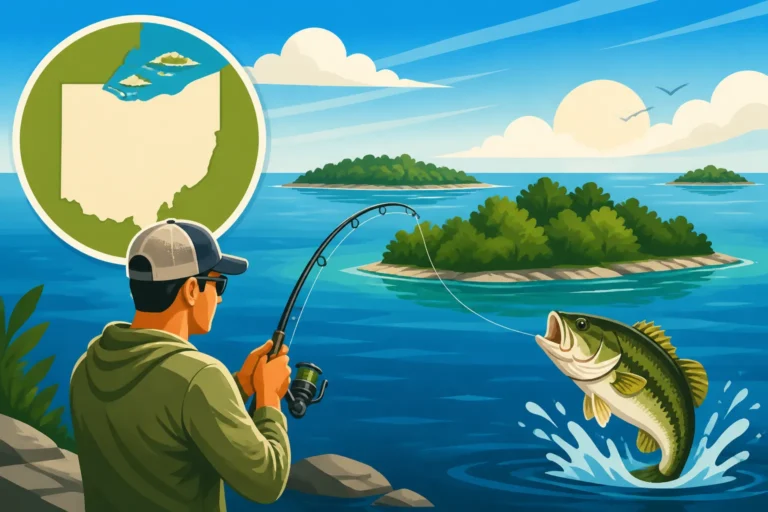
While the Maumee River draws much of the spring attention, the broader Western Basin of Lake Erie near Toledo holds a treasure trove of fishing opportunities. Numerous reefs, rockpiles, and shallow island structures dot the lake, providing essential habitat for walleye, yellow perch, and smallmouth bass. These structures concentrate baitfish, which in turn attract predatory species. Areas like the famously productive "C-can" reef, the waters around the Lake Erie Islands (though a bit further out, still accessible from Toledo-area marinas), and other submerged formations become hotspots throughout the warmer months.
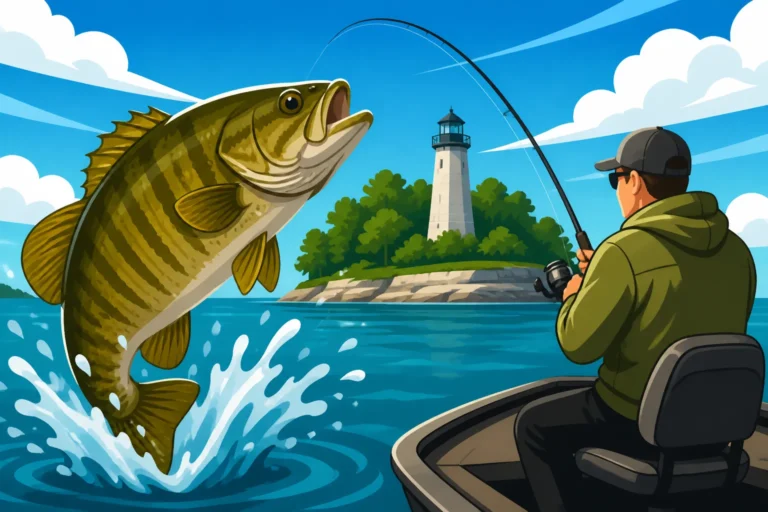
For yellow perch, these nearshore areas are phenomenal. Drifting with minnows on perch rigs over rocky bottoms or near breaks in depth can yield coolers full of these delicious panfish. Smallmouth bass, known for their powerful fights, can be found hugging rocky bottoms, drop-offs, and around the many island structures. Targeting them with jigs, crankbaits, or soft plastics can lead to explosive strikes. If you're planning a trip and need a vessel or a guide to navigate these vast waters, consider looking into a local charter. Services like FishingBooker offer a wide array of charters departing from Toledo, Port Clinton, and Sandusky, making it simple to find an experienced captain who knows the ins and outs of these specific Lake Erie fishing grounds. Exploring the Lake Erie Fishing Guide for Ohio Anglers can provide a broader understanding of this immense fishery.
Public Access Points and Marinas for Convenient Launching
Toledo offers several excellent public access points and marinas that serve as gateways to Lake Erie and the Maumee River. Maumee Bay State Park, located just east of Toledo, provides exceptional access to the bay with boat ramps, a fishing pier, and miles of shoreline for bank fishing. It's a fantastic spot for families or those looking for an easy day trip. Cullen Park, situated right where the Maumee River meets the bay, also offers boat launches and shore fishing opportunities, perfect for chasing walleye during the run or targeting catfish and bass in the summer.
Further up the Maumee River, various smaller public access points and private marinas dot the landscape, providing options for launching kayaks, canoes, or smaller boats to explore different sections of the river. These spots often offer a quieter experience, away from the bustling main channels, and can be great for targeting smaller species or simply enjoying a peaceful day on the water. Before heading out, it's always a good idea to check local conditions and ramp availability, especially during peak seasons.
Exploring Inland Lakes and Reservoirs a Short Drive from Toledo
While Lake Erie is the star of the show, there are numerous smaller lakes and reservoirs within a reasonable drive of Toledo that offer excellent fishing, often with a more laid-back atmosphere. These inland waters provide diverse opportunities, from trophy bass to abundant panfish.
Harrison Lake State Park: A Family-Friendly Retreat
About an hour southwest of Toledo, Harrison Lake State Park offers a peaceful alternative to the hustle and bustle of Lake Erie. This 105-acre lake is managed for a variety of species, making it an excellent choice for anglers seeking a more relaxed experience or fishing with family. The lake is well-stocked with channel catfish, which respond well to various baits throughout the warm months. Largemouth bass are also plentiful, particularly around the many weed beds and submerged timber structures.
Panfish, including bluegill, crappie, and sunfish, thrive in Harrison Lake and are often easily caught from shore or small boats. The lake features a public boat launch (electric motors only), a fishing pier, and plenty of bank access, making it very angler-friendly. It's a great spot to introduce kids to fishing, as the consistent panfish action keeps young anglers engaged. For more specific information on panfish, refer to our Crappie and Panfish Daily Limits guide.
Metzger Marsh Wildlife Area: Hidden Gems for Pike and Bass
Situated along the Lake Erie shoreline, just east of Maumee Bay, Metzger Marsh Wildlife Area is a unique shallow-water fishery. This area is known for its extensive marshes and wetlands, which provide exceptional habitat for northern pike, largemouth bass, and various panfish. The marsh offers a different type of fishing experience, often requiring smaller boats, kayaks, or canoes to navigate its winding channels and shallow pockets.
Fishing here is often about stealth and targeting cover. Look for pike and bass lurking in the dense vegetation, ready to ambush unsuspecting prey. Spinnerbaits, topwater lures, and weedless jigs are often effective in these conditions. Metzger Marsh is also a haven for waterfowl, so you'll often share the waters with birdwatchers and hunters depending on the season, adding to the natural beauty of the area. Be sure to respect all wildlife regulations and stay within designated fishing zones.
River and Stream Fishing Opportunities Around Toledo
Beyond the sprawling expanse of Lake Erie, the rivers and streams directly impacting Toledo provide localized and often underrated fishing opportunities. These waterways, while perhaps not as famous as the Maumee River's lower section, can offer exciting action for specific species.
Maumee River's Upper Reaches: Beyond the Walleye Run
While the lower Maumee River is famous for its spring walleye run, the river upstream from Toledo offers different, yet equally rewarding, fishing experiences. Once you get past the tidal influence and into the more characteristic river sections, you'll find excellent populations of channel catfish, flathead catfish, and robust common carp. These fish thrive in the river's diverse currents, deeper holes, and snaggy areas.
Targeting catfish here often involves using cut bait, stink baits, or live minnows fished on the bottom. The river's strong currents require heavier weights to hold your bait in place. Smallmouth bass can also be found in the rocky riffles and current seams, especially during the warmer months, providing a hard-fighting challenge for anglers using small crankbaits, jigs, or soft plastics. Access points along the river may be less developed than those closer to the lake, so doing a bit of scouting or consulting local bait shops for current conditions and spots is always a good idea. Remember, a comprehensive Ohio River Fishing Guide can offer insights applicable to many of Ohio's larger river systems.
Ottawa River: A Local Urban Fishery
The Ottawa River, which flows through Toledo and empties into Maumee Bay, is another local resource that can provide decent fishing, especially for anglers seeking convenient access within the city limits. While it faces urban challenges, efforts are continually made to improve its water quality and fish habitat. The river holds populations of panfish like bluegill and crappie, as well as largemouth bass, channel catfish, and common carp.
Fishing from many of the public parks and access points along the Ottawa River can yield surprising results. Look for areas with structure like fallen trees, bridge pilings, or rip-rap. Simple bobber and worm rigs are often effective for panfish, while jigs and soft plastics can entice bass. For those who want to maximize their chances or explore the best urban fishing spots, hiring a local guide can be a great option. FishingBooker lists local guides who are experts in navigating these smaller, often overlooked urban waterways, helping you discover hidden gems.
Essential Tips for Fishing Success Near Toledo
Knowing where to fish is only half the battle; knowing how and when to fish, along with understanding the rules, will significantly increase your success and enjoyment.
Understanding Local Regulations and Licensing
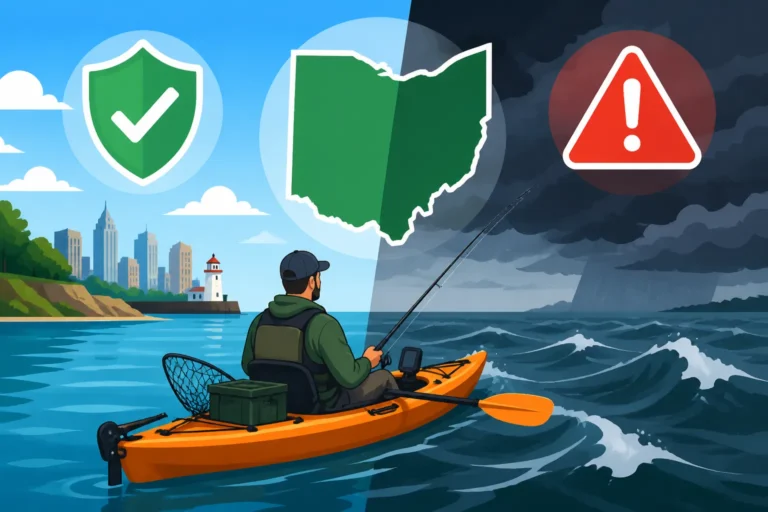
Ohio has specific fishing regulations that apply statewide and sometimes vary by water body. Before you even think about casting a line, you need to make sure you have the proper Ohio fishing license. Non-residents have different requirements than residents, and there are various license types available, from annual to one-day options. You can easily purchase a license online through the Ohio Department of Natural Resources (ODNR) website or at many bait and tackle shops. To avoid any surprises, make sure to read up on the Ohio Fishing License Guide for Residents and Nonresidents.
Beyond licenses, it's crucial to be aware of bag limits, size restrictions, and season dates for the species you're targeting. For example, walleye and yellow perch on Lake Erie have specific daily limits that can change, and bass often have minimum size requirements. Always consult the current Ohio Fishing Regulations booklet, available online or at license vendors. Ignorance of the law is not an excuse, and wildlife officers do patrol these popular areas. A quick look at Ohio Fishing Regulations Every Angler Should Know can save you from a costly mistake.
Best Times and Techniques for Toledo Anglers
The best time to fish near Toledo really depends on what you're after. Spring, without a doubt, is synonymous with the Maumee River walleye run. During this period, jigging with traditional lead head jigs tipped with twister tails or minnows is a dominant technique from shore. From a boat, jigging, drifting, or even slow trolling can be effective.
As spring transitions to summer, Lake Erie walleye move into deeper, cooler waters, often requiring trolling with crankbaits, spoons, or crawler harnesses. This is where a good fish finder and understanding of Ohio Trolling Techniques for Lake Erie become invaluable. Yellow perch fishing heats up in summer and fall, often requiring specific perch rigs baited with emerald shiners or other small minnows, fished near the bottom in known perch grounds. Fall brings excellent opportunities for smallmouth bass on Lake Erie's reefs and rocky areas, as well as a resurgence of walleye closer to shore before winter.
For inland lakes and rivers, early mornings and late evenings during summer are generally productive for bass and panfish. Catfish are often most active at night, especially in the Maumee and Ottawa rivers. Ice fishing on smaller, safe-to-freeze lakes near Toledo can also offer winter action for panfish and even some walleye if conditions allow. Always keep an eye on the Ohio Fishing Season Calendar for a general overview of seasonal opportunities.
| Fishing Spot | Primary Target Species | Best Time of Year | Recommended Techniques |
|---|---|---|---|
| Maumee River (Lower) & Bay | Walleye, Yellow Perch, Catfish, Bass | Spring, Summer, Fall | Jigging, Trolling, Drifting, Bottom Fishing |
| Lake Erie (Nearshore Reefs/Islands) | Walleye, Yellow Perch, Smallmouth Bass | Summer, Fall | Trolling, Drifting, Jigging, Casting Crankbaits/Jigs |
| Harrison Lake State Park | Largemouth Bass, Panfish, Catfish | Spring, Summer, Fall | Casting soft plastics, Bobber & Worm, Bottom Fishing |
| Metzger Marsh Wildlife Area | Northern Pike, Largemouth Bass, Panfish | Spring, Summer | Spinnerbaits, Topwater, Weedless Jigs |
| Maumee River (Upper) | Channel Catfish, Flathead Catfish, Carp, Smallmouth Bass | Summer, Fall | Bottom Fishing (cut bait), Casting Jigs/Crankbaits |
| Ottawa River | Panfish, Largemouth Bass, Catfish, Carp | Spring, Summer, Fall | Bobber & Worm, Jigs, Bottom Fishing |
To maximize your chances, consider investing in local knowledge. Many anglers, especially those visiting or new to the area, benefit greatly from guided trips. FishingBooker makes it incredibly easy to connect with local guides who specialize in Toledo-area fishing, whether you're after trophy walleye on Lake Erie or a quiet day chasing panfish on an inland lake. They can provide all the gear, expertise, and insights you need for a memorable trip.
Disclaimer
The information provided in this guide is for general informational purposes only and is subject to change. Always consult the official Ohio Department of Natural Resources (ODNR) website or their current fishing regulations booklet for the most up-to-date rules, licensing requirements, and species-specific limits before engaging in any fishing activities. Fishing conditions can vary greatly based on weather, water levels, and seasonal fish movements.