Best Guide Services for Rocky River Steelhead
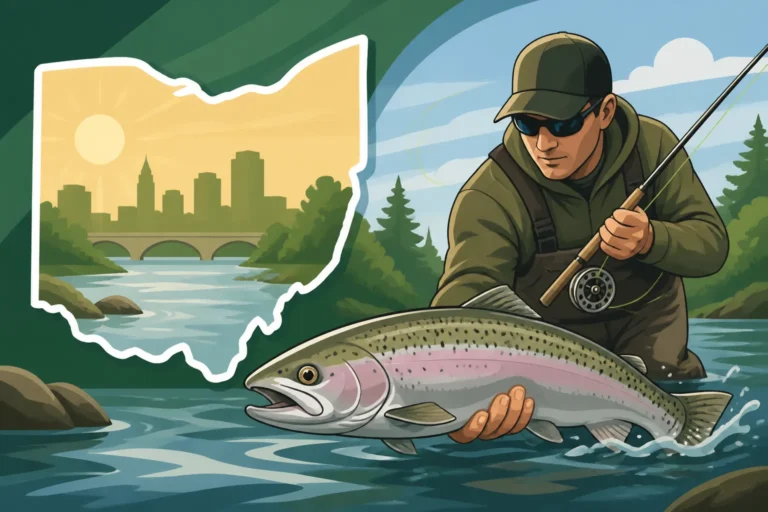
Fishing for steelhead on Ohio’s Rocky River is an exhilarating experience, but it can also be incredibly challenging, especially if you're new to the area or still honing your skills. The subtle nuances of river flows, fish movements, and presentation techniques can make or break a day on the water, leaving many anglers feeling frustrated. This comprehensive guide will walk you through everything you need to know about finding and choosing the best guide services for Rocky River steelhead, helping you maximize your chances of success and enjoyment.
Why Consider a Rocky River Steelhead Guide?
Steelhead fishing, particularly in a dynamic river like the Rocky, isn't always as simple as casting a line and hoping for the best. These elusive fish demand a certain level of finesse, understanding of their habits, and intimate knowledge of the waterway. Many anglers find themselves hitting the water day after day without much to show for it, simply because they're missing crucial pieces of the puzzle. That's where a skilled guide truly shines.
Navigating the Unique Challenges of Steelhead Alley
The Rocky River is part of what's affectionately known as "Steelhead Alley," a stretch of Lake Erie tributaries famous for their incredible steelhead runs. While this offers fantastic opportunities, it also presents unique challenges. Water levels can fluctuate wildly after rain, the clarity can change by the hour, and prime holding spots can shift with the currents. Knowing which holes are productive on any given day, understanding how recent weather affects fish behavior, and adapting your tactics to the specific conditions are all skills that take years to develop. A guide has that real-time, on-the-water intelligence that you just can't get from a map or a forum. They’ve spent countless hours studying the river, observing patterns, and figuring out what works when.
Moreover, the sheer pressure of other anglers can sometimes make finding an open, productive spot difficult. A guide often knows the less-traveled paths or has a network that helps them secure prime access, allowing you to focus on fishing rather than battling for space. They can also provide insights into specific river etiquette, ensuring you're a good steward of the resource and respectful of other anglers. To truly understand the dynamics, you might want to read more about Steelhead Alley: Where It Is and What It Means.
Gaining Local Knowledge and Expertise
Imagine standing by the river, seeing a beautiful run, but having no idea if steelhead are holding there, what they're eating, or how to present your fly or lure effectively. That's a common scenario for unguided anglers. A Rocky River steelhead guide brings an invaluable depth of local knowledge that simply cannot be replicated by online research alone. They know the river's every bend, rock, and drop-off. They understand the subtle changes in current that indicate a holding lie, or the precise timing of When Ohio Steelhead Runs Start based on water temperature and flow.
More than just knowing where the fish are, a good guide teaches you why they're there. They'll explain the intricacies of steelhead behavior, what they're keying in on, and how to read the water to identify potential fish habitat. This isn't just about catching fish on your guided trip; it's about gaining skills and insights that empower you to become a more successful angler in the long run. They can show you the best rigs, explain leader setups, and even demonstrate casting techniques that are specific to the Rocky River's conditions, helping you to refine your Ohio Steelhead Fishing Techniques.
Key Qualities of an Excellent Rocky River Steelhead Guide
Choosing a guide isn't like picking a name out of a hat. There are certain hallmarks of a truly excellent guide service that can make all the difference in your experience. You're not just paying for a boat or access; you're investing in expertise, safety, and a positive learning environment.
Experience and Reputation
When looking for a guide on the Rocky River, experience is paramount. You want someone who has spent years, not just seasons, navigating its currents and understanding its fish. An experienced guide has encountered every imaginable water condition, from low and clear to high and muddy, and knows how to adapt. They've seen numerous steelhead runs come and go, understanding the nuances that distinguish a great day from a challenging one. Look for guides who have a long-standing presence in the area and a track record of satisfied clients. Their experience often means they’ve built relationships with local tackle shops and other anglers, giving them an even broader network of real-time river intelligence.
A guide's reputation often precedes them. Word-of-mouth recommendations from fellow anglers are gold. Beyond that, platforms like FishingBooker can be incredibly useful resources. You can browse various guide profiles, see their specialties, and, most importantly, read reviews from past clients. Look for consistent praise regarding their patience, knowledge, fish-finding ability, and overall demeanor. Be wary of guides with sparse reviews or a history of complaints about safety or professionalism. A guide with a strong, positive reputation is usually a clear sign of quality and reliability.
Teaching Style and Communication
Many anglers hire a guide not just to catch fish, but to learn. A truly great Rocky River steelhead guide is an excellent teacher. They should be patient, willing to explain their rationale, and happy to share their knowledge without making you feel intimidated. Do they take the time to demonstrate techniques? Are they good at explaining why a particular fly or lure is chosen for the conditions? Can they help you troubleshoot your cast or presentation without making you feel inadequate? A guide who can effectively communicate and adapt their teaching style to your experience level will make your trip far more rewarding.
Good communication also extends beyond the teaching aspect. Before your trip, a professional guide should be clear about what's included, what you need to bring, and what to expect regarding weather and river conditions. They should be responsive to your questions and provide all necessary details in advance. On the water, they should openly communicate about strategy, fish activity, and any changes in plans. You should feel comfortable asking questions throughout the day. This level of open dialogue ensures a smooth and enjoyable experience for everyone involved.
Gear, Safety, and Professionalism
The quality of a guide's equipment reflects their commitment to your experience. While you'll likely bring some of your own gear, a good guide will have high-quality rods, reels, lines, and terminal tackle available for you to use if needed. Their drift boat (if using one) should be well-maintained and equipped with all necessary safety gear, including life jackets. They should prioritize your safety above all else, especially when wading slippery riverbeds or navigating swift currents. This includes knowing basic first aid and having a clear plan for emergencies. For specific equipment insights, you might also look into Wade Trips vs Drift Boat Trips for Ohio Steelhead.
Professionalism encompasses punctuality, respect, and adherence to all Ohio fishing regulations. Your guide should be on time, sober, and focused on your trip. They should treat you with respect, regardless of your skill level, and handle all fish ethically. A professional guide will ensure you have the appropriate Ohio Fishing License Guide for Residents and Nonresidents and are aware of any specific rules for the Rocky River. They understand that they are ambassadors for the sport and the region. Always confirm that your guide is properly licensed and insured, which adds another layer of safety and peace of mind.
Booking Your Rocky River Steelhead Adventure
Once you've identified a few potential guide services, it's time to iron out the details and make your booking. This involves understanding what kind of trip best suits you, what's typically included, and how to make sure you're fully prepared for the day.
Understanding Trip Types and What's Included
Rocky River steelhead guides typically offer a few different trip formats. Most popular are wade trips, where the guide leads you to prime wading spots along the river. These are often more intimate and allow for precise presentations. Drift boat trips are also common, especially during periods of higher water, allowing you to cover more ground and access areas that are difficult to reach on foot. Consider your comfort level and physical ability when choosing between these options.
When inquiring, always ask for a clear breakdown of what's included in the guide fee. This usually covers the guide's time, expertise, and the use of specialized gear if you don't have your own (like specific rods, reels, or flies). Some guides might include a shore lunch or snacks, while others expect you to bring your own. Bait (if applicable) is usually included, but confirm this. What's almost universally not included is your fishing license, waders, wading boots, appropriate clothing, and gratuities for your guide. Having a clear understanding upfront will prevent any surprises. You can typically find detailed information on these costs when researching Ohio Steelhead Guide Trip Cost or Half-Day vs Full-Day Ohio Steelhead Guide Trips.
What to Expect and How to Prepare
A guided trip on the Rocky River, particularly for steelhead, often starts early, especially during peak runs. Expect a detailed briefing on safety, river conditions, and the day's game plan. The fishing itself can involve a lot of moving, wading, and casting, so physical fitness is a plus. Your guide will work tirelessly to put you on fish, but remember that fishing, especially for steelhead, always has its variables. Even the best guide can't guarantee a specific number of fish; they can only guarantee their best effort and expertise.
To prepare, first and foremost, make sure you have your valid Ohio fishing license. Dress in layers, as weather can change rapidly along Lake Erie. Waterproof outerwear, including waders and a good rain jacket, is essential. Bring polarized sunglasses to help spot fish and structure, a hat for sun protection, and a camera to capture memories. Pack any personal snacks, drinks, and medication you might need. A small backpack is ideal for carrying these items. For more general advice, you might find tips in What to Bring on a Lake Erie Fishing Charter, even though it's geared towards charters, much of the packing advice is universal. Always confirm with your specific guide about what they recommend bringing for their trip.
Finding and Vetting Guides
The best way to find a guide is through personal recommendations, but if you don't have those, online platforms are a great starting point. Websites like FishingBooker specialize in connecting anglers with reputable guides. You can filter by location, species, and even type of trip (wade or drift boat), and then compare various services side-by-side. Pay close attention to the guide's profile, including their years of experience, specific areas of expertise (e.g., fly fishing vs. spin fishing), and client reviews.
Once you have a shortlist, don't hesitate to reach out to the guides directly with questions. A quick phone call can tell you a lot about their personality, communication style, and willingness to accommodate your specific interests. Ask about their cancellation policy, especially for weather-related issues, and their philosophy on catch-and-release versus keeping fish. While the focus is often on catching, learning How to Read Steelhead Holding Water or Best Fly Patterns for Ohio Steelhead from a seasoned pro is often the most valuable takeaway. By asking thorough questions and reviewing their history, you'll be well on your way to booking a fantastic Rocky River steelhead adventure.
| Guide Service Element | Typical Inclusion/Expectation | Important Questions to Ask |
|---|---|---|
| Guide's Time & Expertise | Always included in the base fee. | How many years have you guided the Rocky River? |
| Rods, Reels, Tackle | Often included, especially for specialized techniques. | Do I need to bring my own? What specific gear do you provide? |
| Flies/Lures | Typically included, customized to current conditions. | Are specific fly patterns or lure types provided? |
| Bait (if applicable) | Usually included. | What kind of bait do you use, and is it supplied? |
| Boat/Transportation | Drift boat or shuttle to wade spots. | What type of boat or transportation will we be using? |
| Safety Gear | Life jackets, first-aid kit. | Are all safety measures up to date and readily available? |
| Lunch/Snacks/Drinks | Varies by guide; some provide, others expect you to bring your own. | What food/drink provisions are included? |
| Fishing License | NOT included; must be purchased by angler prior to trip. | What type of license do I need? |
| Waders/Wading Boots | Almost never included; anglers bring their own. | Do you have any spare waders in common sizes if mine leak? |
| Rain Gear/Warm Layers | Angler's responsibility. | What specific clothing do you recommend for the forecast? |
| Fish Cleaning/Fileting | Varies; some guides offer, some don't. | Do you offer fish cleaning services at the end of the trip? |
| Photography | Often part of the experience, but confirm. | Are you comfortable taking photos during the trip? |
| Gratuities | Expected for good service; typically 15-20% of trip cost. | Is there a standard gratuity amount you recommend? |
| Cancellation Policy | Varies by guide/service; crucial for weather. | What happens if the weather makes fishing unsafe or unproductive? |
Disclaimer
This article is for general informational purposes only and does not constitute professional advice. Laws, prices and regulations vary by location and change over time. Consult a qualified professional for guidance on your specific situation.