Best Time of Year for Ohio Crappie Fishing
One of the most common frustrations for any Ohio angler is feeling like you’re constantly missing the crappie bite. You hear tales of limits being caught, but when you hit the water, it feels like the fish have simply vanished. The truth is, crappie are masters of seasonal migration and habit changes, making timing absolutely crucial. This comprehensive guide is here to unravel the mysteries of crappie movements throughout the year, ensuring you’re on the water when the slabs are most active and catchable, no matter the season.
Understanding Crappie Seasons in Ohio
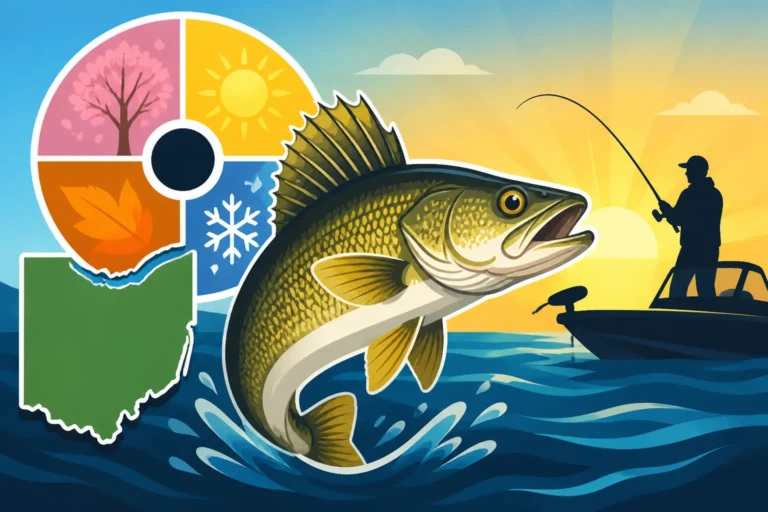
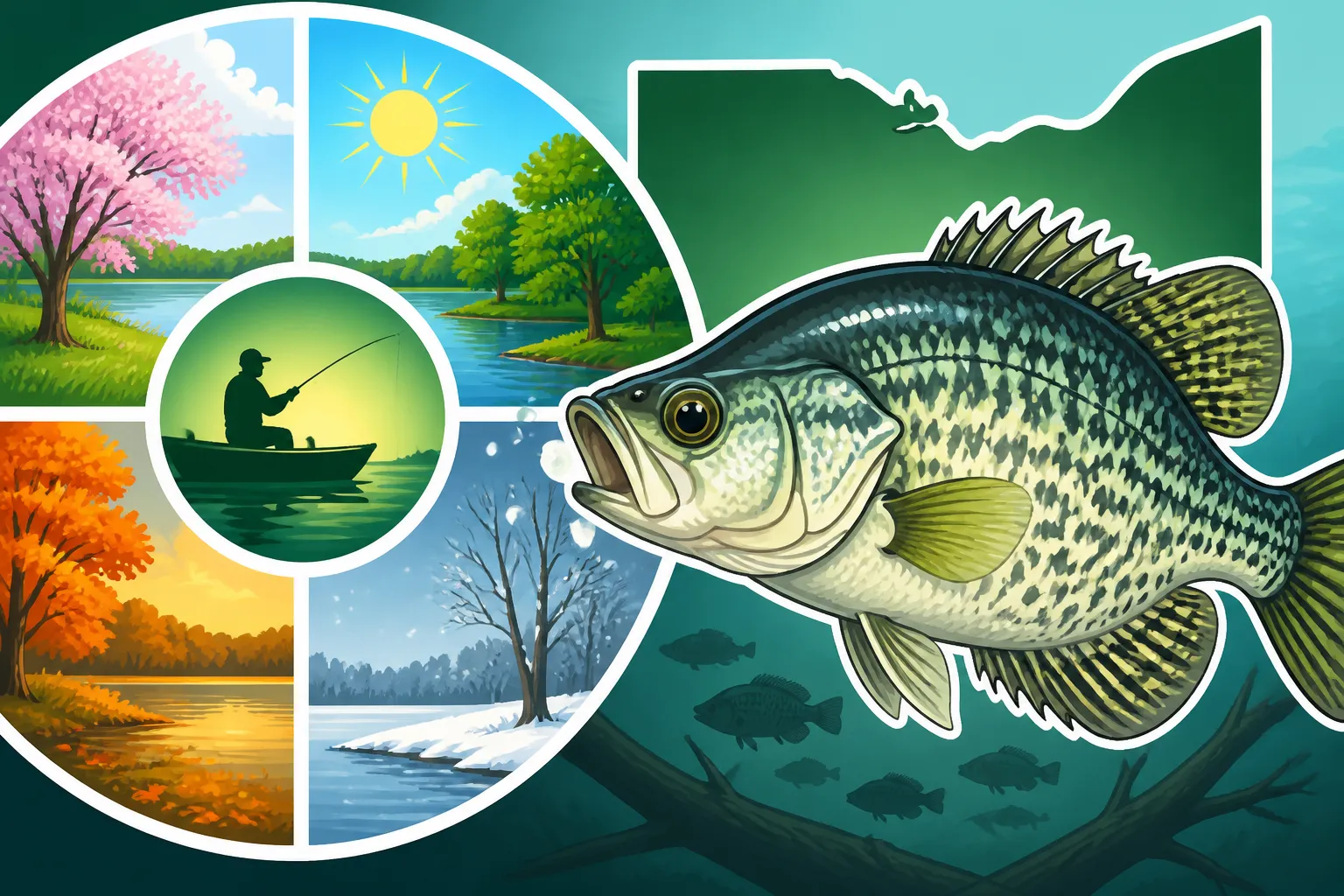
Crappie, whether black or white, are creatures of habit influenced heavily by water temperature and their biological needs, primarily spawning and feeding. Knowing these seasonal patterns is your biggest advantage in consistently catching these delicious panfish across Ohio.
The Crappie Spawning Frenzy: Spring's Gold Rush
Ah, spring! This is arguably the most anticipated time for crappie anglers, and for good reason. As the ice retreats and the days grow longer, Ohio's crappie begin to shake off their winter lethargy and turn their attention to reproduction. This period, often called the "spawn" or "pre-spawn," is a true gold rush for anglers. Water temperatures are the main trigger, typically between 55 and 65 degrees Fahrenheit. You’ll find crappie moving from deeper staging areas into the shallows, often seeking out protected coves, creek arms, and areas with abundant cover like submerged brush, docks, lily pad stems, and even flooded timber.
During the pre-spawn, crappie are aggressive, feeding heavily to build energy for the spawning process. They're often found in schools, making it possible to catch several fish from one spot once you locate them. As the water warms further into the spawn itself, they'll become even more focused on their nests, becoming highly territorial and easy to entice with small offerings presented right in their face. This fantastic bite typically kicks off in April and can run well into May, depending on the specific lake and spring weather patterns. If you've ever wondered, "Do crappie move shallow in spring in Ohio?", the answer is a resounding yes, and knowing this is key to finding them.
Summer's Deepwater Hideouts
Once the spring spawning frenzy subsides and Ohio's waters really start to heat up, crappie retreat from the shallow spawning grounds. This is where many anglers lose them, assuming the bite is "off." In reality, crappie simply move to deeper, cooler water where oxygen levels are stable and food is abundant. They'll often seek out the thermocline – the layer of water where temperature changes rapidly – or associate with deep structure like brush piles, submerged roadbeds, bridge pilings, and the deep edges of weed lines. Main lake points and channel swings can also be prime locations.
Finding these deepwater hideouts often requires good electronics, like a reliable fish finder, to pinpoint submerged cover and schools of fish. Once located, vertical jigging directly over them or slow trolling with small crankbabaits can be incredibly effective. Don't forget about night fishing in the summer, either! Crappie are often drawn to lights over the water, which attract baitfish and in turn, the crappie. This can offer some fantastic action when the daytime bite is slow.
Fall's Feeding Binge: Preparing for Winter
As the crisp autumn air returns to Ohio and water temperatures begin to drop, crappie experience another resurgence in activity. This is the fall feeding binge, a critical period where they fatten up for the long, lean winter months. Similar to spring, crappie will often start to move shallower again, but their patterns can be more scattered than in spring. They'll follow schools of baitfish, which are also very active at this time, around main lake humps, points, and transition areas.
Crappie can be found in a variety of depths during fall, from mid-depth flats to the deeper edges of creeks. The key is to look for baitfish activity. If you see shad flipping on the surface or can mark dense schools on your electronics, crappie are likely nearby. Slow-trolling with small jigs or minnow-tipped jigs can be very productive as they roam to feed. Many anglers find the fall bite to be just as good, if not better, than the spring spawn for numbers of fish, making it a fantastic time to fill your cooler.
Winter's Icy Challenge: Ice Fishing for Crappie
For the dedicated angler, winter in Ohio means one thing: ice fishing! Crappie are a prime target through the ice, offering a fun and often productive way to beat the winter blues. While conditions are certainly colder, crappie remain active, albeit at a slower pace. They tend to congregate in deeper areas of lakes and reservoirs, often suspending over deep basins or holding tight to submerged brush piles, weed edges, or even cribs that have been placed by wildlife agencies.
Ice fishing for crappie requires patience and finesse. Tiny jigs tipped with wax worms, spikes, or small plastic baits are often the ticket. A sensitive rod and a good flasher or sonar unit are invaluable for detecting subtle bites and pinpointing crappie schools. While the action can be slower than in warmer months, finding a school can lead to fast and furious fishing, making it well worth bundling up. For a full breakdown, check out our Ohio Ice Fishing Guide.
Key Factors Influencing the Crappie Bite
Beyond the general seasonal movements, several specific factors play a huge role in whether crappie are biting on any given day. Understanding these nuances can significantly improve your success rate.
Water Temperature is King
We've touched on it, but it bears repeating: water temperature is, without a doubt, the single most critical factor influencing crappie behavior. It dictates everything from their metabolic rate to their location and spawning cycles. For spawning, crappie ideally seek water between 55-65°F. Below 50°F, they become sluggish and move deeper, conserving energy. Above 75°F, they’ll also move deeper to find cooler, more oxygenated water.
Throughout the year, even subtle temperature changes can shift crappie location. A warm rain in spring can draw them into shallow coves, while a sudden cold snap can push them back out to deeper points. Monitoring surface water temperatures, especially in the spring and fall, can give you a significant advantage in predicting where the fish will be.
Weather Patterns and Their Impact
Crappie are highly sensitive to changes in weather, and knowing how to read these patterns can make or break your fishing trip.
- Cold Fronts: A sudden drop in air temperature, especially after a period of warm weather, can shut crappie down almost instantly. They'll often move deeper, becoming lethargic and less willing to bite. Fishing the day before a cold front often yields excellent results.
- Warm Fronts: Conversely, a warming trend can activate crappie, especially in spring and fall, drawing them shallower and making them more aggressive.
- Cloud Cover vs. Bright Sun: Overcast days generally produce a better crappie bite, as the diffused light allows them to roam more freely without being spooked by shadows or direct sunlight. On bright, sunny days, crappie tend to hug tighter to cover or drop into deeper, shadier areas.
- Wind Direction: Wind can either be your friend or foe. A gentle breeze creating a "crappie chop" can break up the surface, making fish less wary and concentrating baitfish. However, strong winds can make boat control difficult and muddy up shallow areas, pushing crappie out. Pay attention to how the wind has been blowing for a few days, as it can push warm water or baitfish into certain areas.
Structure and Cover Preferences
Crappie are ambush predators, and they love structure and cover. This preference remains consistent throughout the year, though the type and depth of that cover will change seasonally.
- Spring: Look for shallow cover like docks, brush piles, submerged trees, lily pads, and cattails. These areas provide protection for spawning and ambush points for feeding.
- Summer: Crappie will move to deeper versions of the same things – deep brush piles, sunken timber, bridge pilings, main lake points with drop-offs, and even standing timber in deeper reservoirs. The Ohio Division of Wildlife often deploys fish habitat structures in many lakes; learning where these are can be a goldmine.
- Fall: They might relate to channel edges, humps, and points, especially those with some kind of brush or rocky cover, as they follow baitfish schools.
- Winter: Deep brush piles, rock piles, and submerged timber in deep basin areas are prime ice fishing locations.
Understanding where to find this cover is crucial. Many online maps, like those available on platforms like Navionics or even basic lake maps, can help you identify contours and potential deep structure. You can also get a lot of information by talking to local tackle shop owners or fellow anglers who frequent your chosen fishing spots in Ohio.
Practical Tips for Year-Round Crappie Success
Now that we've covered the what and the why, let's talk about the how. Adapting your techniques and gear to the changing seasons is key to consistent crappie catches.
Adapting Your Presentation to the Season
Matching your presentation to the crappie's activity level and location is paramount.
- Spring: This is often a finesse game. Small 1/32 to 1/16 ounce jigs, often brightly colored, fished under a bobber are deadly. Tipping these jigs with a live minnow can be irresistible. Crappie move slow in spring, so a slow retrieve or simply letting the bait suspend in their strike zone is best. For those who prefer live bait, learning "How to Rig a Live Minnow for Crappie" is a skill worth mastering.
- Summer: When crappie are deep, vertical presentations shine. Jigging spoons, heavier jigs (1/8 to 1/4 ounce) with larger plastics, or small crankbaits trolled at different depths are effective. Experiment with retrieve speeds; sometimes a slow, steady retrieve is best, other times a stop-and-go action triggers bites.
- Fall: As crappie actively feed, they can be more aggressive. Small jigs, spinnerbaits (like Beetle Spins), or minnow-tipped jigs fished with a slow, steady retrieve can work wonders. Look for schooling crappie and cover water. Pay attention to the "Best Jig Color for Ohio Crappie" as fish can be particular in clearer fall waters.
- Winter: Through the ice, presentation is all about subtle movements. Tiny 1/64 to 1/32 ounce ice jigs, often made of tungsten for a faster drop, tipped with a maggot, wax worm, or a tiny plastic tail are standard. Work them with small lifts and drops. Sight fishing in a dark shanty can be incredibly exciting as you watch crappie approach your bait.
Gear Up for Seasonal Changes
While the basics of a light action rod and reel remain constant, some adjustments in your tackle can make a difference. Many anglers, myself included, will often pick up specific items from places like Amazon to complement their existing gear.
- Rods: A light to ultralight action spinning rod, typically 6 to 7 feet long, is ideal for crappie year-round. It provides the sensitivity needed to detect their often subtle bites.
- Lines: 4-6 pound test monofilament or fluorocarbon is standard. Some anglers prefer a light braid (6-10 lb) with a fluorocarbon leader for added sensitivity and strength, especially when fishing around heavy cover.
- Electronics: A good fish finder is a game-changer, particularly in summer and winter. It helps you locate submerged structure, identify baitfish schools, and even spot individual crappie. Learning "Reading Ohio Fish Finders and Electronics" can drastically improve your odds.
- Ice Fishing Specifics: For ice fishing, specialized short, sensitive rods (24-30 inches) are essential, along with an ice auger, ice scoop, and often a portable shelter for comfort and stealth.
Locating Crappie in Different Habitats
You can have the best bait and technique, but if you're not where the fish are, it won't matter.
- Utilize Maps and Satellite Imagery: Before you even leave the house, study maps of your chosen lake or reservoir. Look for creek channels, changes in depth (contour lines), points, and old roadbeds. Satellite imagery can reveal old timber lines or areas with emergent vegetation that could hold fish.
- Local Knowledge: Don't underestimate the power of a friendly chat. Tackle shop owners, marina staff, and other anglers are often willing to share general information about where the crappie have been biting.
- Cover Water: Crappie are often schooled, but they can be scattered. Don't be afraid to move around until you find them. If you're not getting bites after 15-20 minutes in a spot, especially if you're marking fish but they aren't biting, move to the next promising area. In a boat, this might mean trolling or moving from dock to dock. Through the ice, it means drilling multiple holes.
- Focus on Known Crappie Waters: Ohio has many fantastic crappie fisheries. Lakes like Mosquito Creek Lake, Indian Lake, and Lake Erie's protected harbors are known for their crappie populations. Researching "Best Ohio Lakes for Crappie" can guide you to productive waters.
| Season | Typical Water Temp Range | Primary Locations | Crappie Behavior | Recommended Baits/Techniques |
|---|---|---|---|---|
| Spring | 55-65°F | Shallow coves, creek arms, docks, submerged brush, lily pads | Pre-spawn staging, spawning, aggressive feeding | Small jigs (1/32-1/16 oz), live minnows under bobber, slow retrieve |
| Summer | 70-80°F+ | Deeper water, thermocline, brush piles, bridge pilings, main lake points | Seeking cooler, oxygenated water; less active during day | Vertical jigging, trolling small crankbaits, night fishing under lights |
| Fall | 50-65°F | Mid-depth flats, channel edges, humps, points, following baitfish | Fall feeding binge, fattening for winter, active | Jigs, small spinnerbaits, minnows, slow troll, covering water |
| Winter | 32-45°F | Deep basins, submerged brush, rock piles, cribs | Lethargic, schooled tightly, conserving energy | Tiny ice jigs (1/64-1/32 oz), wax worms, spikes, subtle jigging |
Remember, crappie are gregarious fish. If you catch one, there are often more nearby. Pay attention to your Ohio Statewide Bag and Size Limits and "Ohio Crappie Daily Limit" to ensure you're always fishing responsibly. By understanding their seasonal patterns and adapting your approach, you'll be well on your way to consistent crappie success in Ohio, no matter the time of year.
Disclaimer
Fishing conditions and regulations in Ohio can change. Always consult the latest Ohio Department of Natural Resources (ODNR) fishing regulations before heading out. This guide provides general information and recommendations, but local conditions and specific rules may vary.