How to Adjust Technique After a Cold Front
Oh, the dreaded cold front! You wake up, the sun is shining, the air is crisp, but you just know the fishing is going to be tough. We've all been there, full of anticipation, only to be met with a sudden drop in temperature and seemingly dead water. It's incredibly frustrating when fish that were biting just yesterday suddenly vanish or get lockjaw. But don't despair! This guide is here to walk you through exactly how to adjust your fishing techniques in Ohio after a cold front, transforming those challenging days into successful ones.
Understanding the Impact of a Cold Front on Ohio Fish
Before we can even think about how to adjust our fishing, we need to understand why a cold front throws everything out of whack. It's not just a drop in air temperature; it's a whole cascade of environmental changes that send our finned friends into a funk. Knowing these factors helps us predict fish behavior and make smarter decisions on the water.
Barometric Pressure and Fish Behavior
This is arguably the most significant factor. Before a cold front hits, you'll often notice a drop in barometric pressure. This is usually when fishing is fantastic! Fish become more active, feeding aggressively as they sense the approaching change. Then, the front passes, and the pressure typically skyrockets. Think of it like a heavy blanket pressing down on the water, and consequently, on the fish.
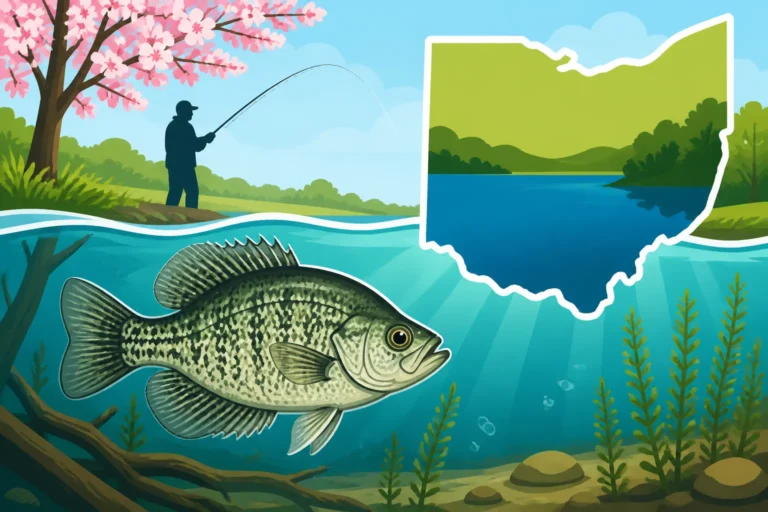
Fish, with their sensitive swim bladders, feel this change acutely. That sudden increase in pressure can cause discomfort, making them seek deeper water where the pressure is more stable. They become lethargic, less inclined to chase prey, and their metabolism slows down. Walleye, known for their light bites, become even more subtle. Largemouth and smallmouth bass, usually aggressive, become incredibly finicky, often just "nosing" a bait instead of inhaling it. Even crappie and panfish, typically easygoing, can shut down almost entirely. This shift in barometric pressure is a key element in understanding how fish react, and it's something every angler needs to consider when Reading Weather Patterns for Ohio Fishing.
Water Temperature Fluctuations
While air temperature is what we feel, it's the water temperature that truly matters to the fish. After a cold front, especially if it's accompanied by strong winds, the surface water can cool rapidly. This rapid cooling can drive fish from their shallow feeding grounds to deeper, more stable thermal zones. Lakes and reservoirs, particularly those with vast open areas like Lake Erie, experience significant temperature shifts.
Different species react differently, of course. Warm water species like largemouth bass might move from shallow coves to deeper main lake points or submerged structure. Coldwater species like walleye might just push further down into their preferred depth ranges, becoming less active. The key is that they're often seeking stable temperatures, not necessarily the warmest water, but rather water where the temperature isn't fluctuating wildly. This is why you might find them bunched up in certain areas where thermal stratification offers a consistent environment.
Clearer Skies and Increased Light Penetration
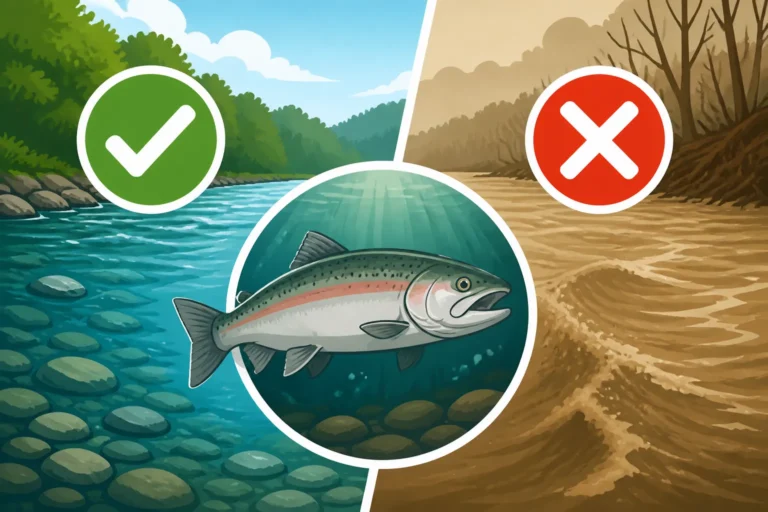
Another hallmark of a post-cold front day is often bright, clear skies. While beautiful for us, this can be detrimental to fishing. Clear skies mean increased light penetration into the water, making fish more visible to predators (and us!). This naturally makes fish more skittish and prone to seeking cover or deeper, darker water.
Think about shallow-water bass fishing. Before the front, they might be cruising the weed lines with abandon. After the front, under a bright sun, those same bass are likely buried deep in the thickest cover they can find or have retreated to the deeper edges of the weeds. This increased light also means you need to be more mindful of your presence on the water – stealth becomes paramount. Your shadows, boat noise, and even the flash of your tackle can put already wary fish on high alert.
Adjusting Your Fishing Location After a Cold Front
Knowing why fish behave the way they do after a cold front is half the battle; the other half is knowing where to find them. They haven't vanished into thin air; they've simply relocated to more comfortable, safer zones. Your job is to become a detective and figure out their new hideouts.
Targeting Deeper Water and Structure
When fish retreat, their first instinct is often to go deep. Deeper water offers more stable temperatures and pressure, along with better cover from predators and bright sunlight. This is where your electronics become invaluable. Instead of casting haphazardly, spend time idling around with your fish finder, looking for concentrations of fish.
Focus your efforts on main lake basins, especially if you're on a large body of water like Lake Erie or one of Ohio's bigger reservoirs. Look for distinct changes in bottom contour such as channel edges, deep humps, points that extend far into the lake, or even the subtle lips where a flat drops into deeper water. For example, on a lake like Alum Creek Lake, which is known for its muskie and saugeye, fish might pull off shallower points and suspend over deeper water or hug the main channel ledges. For largemouth bass in smaller lakes, look for the deepest docks, submerged brush piles, or old roadbeds. These structures provide both cover and proximity to deeper water. Don't be afraid to explore areas you might usually overlook, as the fish's post-front habits can surprise you. A good understanding of How to Read a Fish Finder for Suspended Walleye will be a huge asset here.
Seeking Out Thermal Sanctuaries
While deeper water is generally the rule, there are specific "sanctuaries" that fish often gravitate towards. These are areas that offer a slight advantage in terms of stable or slightly warmer water. Spring-fed coves, for instance, can provide a consistent temperature influx that makes them attractive. Deep weed lines, even if they're not visible from the surface, offer both cover and a consistent environment.
Sometimes, the wind can play a role, even after a cold front. If a mild cold front has just passed, the warmest water might be on the wind-blown side of the lake, where surface water has been pushed and concentrated, though this is less common with severe fronts. For river systems, such as the Ohio River, look for deeper scour holes, slower eddies, or the mouths of creeks that might be bringing in slightly warmer runoff. These small pockets of stability can hold surprising numbers of fish when the rest of the system is shut down. When you're fishing for Ohio Channel Catfish Fishing Guide, these deeper, protected areas are often prime spots.
Finding Ambush Points in Clear Water
Even when fish are lethargic and wary due to clear water and bright skies, they still need to eat. They just won't be actively chasing. Instead, they become ambush predators, positioning themselves in areas where prey might come to them, or where they can dart out quickly from cover. This means focusing on objects that provide shade, concealment, or a current break near deeper water.
Think about docks, especially the ones with considerable depth underneath them. Submerged timber, rock piles, brush piles, or even bridge pilings can offer excellent ambush points. These areas provide shade and a sense of security, allowing a fish to conserve energy while waiting for an easy meal to pass by. You'll often find them tucked right into the densest part of the cover, sometimes even suspending within it. The key is to present your bait as close to the cover as possible, almost irritating the fish into striking rather than enticing an active chase. Remember that understanding Ohio Fishing Regulations Every Angler Should Know is crucial, especially when fishing near man-made structures that might have specific rules.
Modifying Your Presentation and Lure Selection
You've found the fish (or at least where they should be). Now comes the art of getting them to bite. After a cold front, fish aren't in a chasing mood. They're often glued to the bottom or suspended in tight schools, conserving energy. Your presentation needs to reflect this lethargy.
Slowing Down Your Retrieve
This is perhaps the most critical adjustment you can make. Forget power fishing; it's finesse time. Fish won't expend much energy to chase a fast-moving bait. Your presentation needs to be slow, deliberate, and almost irritatingly patient.
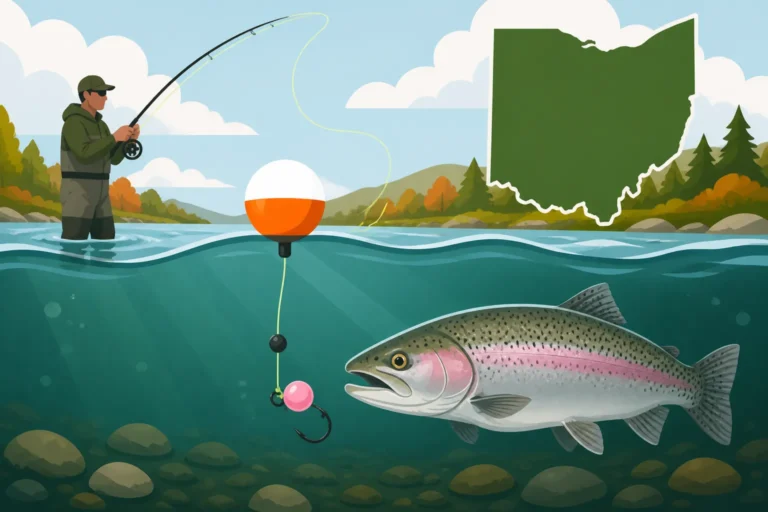
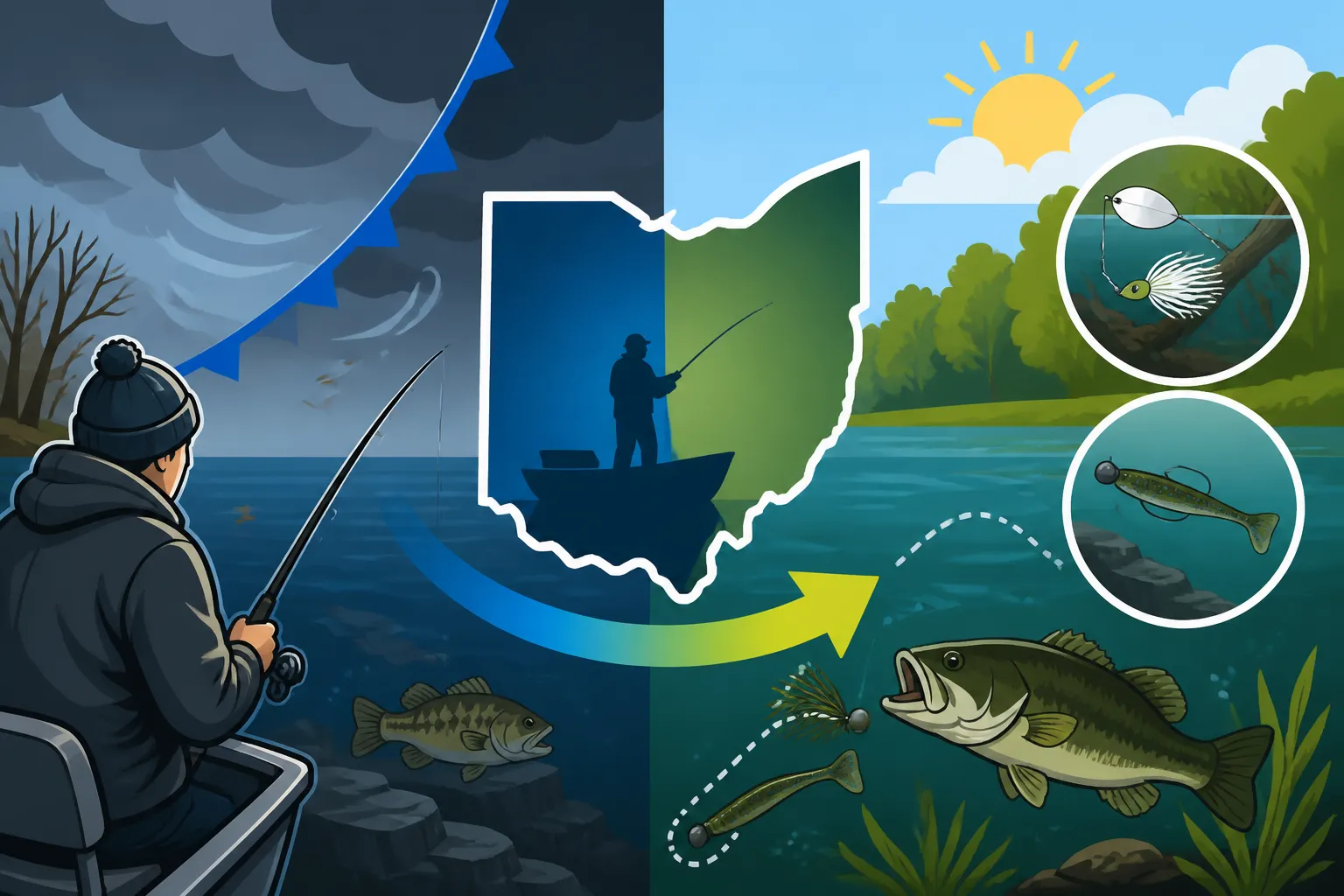
For walleye, this might mean slow jigging techniques, barely lifting your jig off the bottom, or even dead-sticking a live minnow on a slip bobber. If you're trolling for Ohio Walleye Fishing Guide on Lake Erie, you'll want to reduce your speed significantly, perhaps even to barely moving, and use baits that have action even at very low speeds. For bass, think about dragging a Carolina rig or a Texas-rigged soft plastic across the bottom, letting it sit for long pauses. A Ned Rig, renowned for its subtle action, is also a fantastic choice. Crappie will often respond to tiny jigs barely twitched under a bobber. The goal is to keep the bait in the strike zone for as long as possible, making it an irresistible, easy meal that requires minimal effort from the fish.
Downsizing Your Baits and Using Subtle Colors
When fish are finicky, they often become more selective. A big, flashy lure might have worked wonders before the front, but now it could be seen as too aggressive or unnatural. Downsizing your baits to smaller profiles often increases your strike chances. Think tiny jigs, small worms, or compact creature baits.
In clearer, post-front water, natural and muted colors tend to perform best. Earth tones like greens (pumpkin, watermelon), browns, and black often blend in, appearing less threatening. White and light grey can also be effective, mimicking distressed baitfish. Avoid bright, obnoxious colors unless you're trying to stand out in extremely murky water (which is less common after a cold front). For example, when fishing for Ohio Largemouth Bass Fishing Guide, switching from a large spinnerbait to a 3-inch shaky head worm in green pumpkin can be a game-changer. You can find an incredible variety of finesse tackle and subtle lure colors on Amazon, making it easy to stock up for these challenging conditions.
Considering Live Bait Options
Let's be honest, sometimes artificial lures just won't cut it after a severe cold front. When fish are truly shut down, nothing beats the real thing. Live bait offers natural scent, movement, and a taste profile that can often trigger a strike when plastics and crankbaits fail.
Minnows are a universal go-to for many species, particularly walleye, crappie, and even smallmouth bass. Rig them on a plain hook under a sensitive slip bobber, or on a weighted jig head. Nightcrawlers are excellent for bass, catfish, and panfish. Crawfish, if you can get them, are deadly for smallmouth bass. When using live bait, remember to present it naturally and slowly. A light wire hook and minimal weight are usually best. Let the bait do the work, twitching and wriggling to attract attention without looking unnatural. This approach is often the saving grace on the toughest cold front days, ensuring you still have a shot at landing fish for dinner, or just the thrill of the bite.
Gear and Patience: Your Best Allies Post-Front
Even with the right location and presentation, you'll need the right tools and, perhaps most importantly, the right mindset. Cold front fishing demands a specific approach, and being prepared in these two areas can make all the difference.
The Importance of Finesse Tackle
When bites are subtle and fish are lethargic, you need gear that maximizes sensitivity. This means moving away from heavy power rods and stout lines. Instead, opt for lighter tackle:
- Rods: Look for spinning rods in the medium-light to medium power range, with a fast or extra-fast action. These rods have sensitive tips that detect even the lightest tap, while still having enough backbone to set the hook.
- Reels: Pair your sensitive rod with a smooth spinning reel that has a good drag system. You'll be using lighter lines, so a smooth drag is crucial to prevent break-offs when a good fish finally decides to bite.
- Line: This is paramount. Drop down in line strength. Six-pound test fluorocarbon is a fantastic choice because it's nearly invisible underwater and has excellent sensitivity. Monofilament can also work, but its stretch reduces sensitivity. Braided line can be used as a main line for sensitivity, but always tie a fluorocarbon leader to it for stealth. Ensuring your reel is spooled with fresh, high-quality line is vital, and you can easily purchase a variety of fishing lines from Amazon for quick delivery. Understanding Best Ohio Fishing Gear and Tackle Guide can help you select the right components for your setup.
Mastering the Art of Patience
Let's be realistic: cold front fishing is often a grind. The fast and furious action you might have experienced before the front is likely gone. You need to recalibrate your expectations and embrace patience. Bites will be fewer and far between, and they might be incredibly subtle.
This means thoroughly working an area before moving on. Make multiple casts to the same piece of structure from different angles. Let your baits soak longer than you normally would. Sometimes, a fish will just "mouth" the bait for several seconds before truly committing, so a slight twitch or a prolonged pause might be what finally convinces it to bite. Don't get discouraged if you go for long stretches without action. Cold front success often comes down to who can maintain focus and persistence the longest. Sometimes, the most rewarding catches are the ones you had to work the hardest for.
Leveraging Electronics for Deep Water Success
In a post-cold front scenario, your boat's electronics are no longer a luxury; they're a necessity. Since fish are often deeper and tighter to structure, a good fish finder can save you hours of fruitless casting.
Use your 2D sonar to identify deep water fish arches or bait balls. Switch to down imaging or side imaging to get a clearer picture of the bottom contour and any submerged cover, such as brush piles or rock formations, where fish might be hiding. Pay close attention to temperature readouts, looking for subtle changes or thermoclines where fish might be holding. Once you locate fish on your electronics, you can precisely position your boat to present your bait right to them. This greatly increases your efficiency and reduces the amount of time you spend fishing unproductive water. Many top-tier fish finders, along with their accessories, are available for purchase on Amazon, allowing anglers to upgrade their arsenal and improve their cold front fishing success. For ice anglers, learning from an Ohio Ice Fishing Guide can teach you how to use portable electronics to locate fish under the ice during cold periods.
Ohio Fishing Post-Cold Front Adjustments by Species
Here's a quick reference for common Ohio fish and how to approach them after a cold front:
| Species | Preferred Depth (Post-Front) | Recommended Baits (Post-Front) | Key Techniques | Patience Level Required |
|---|---|---|---|---|
| Walleye | Deeper main lake basins, channel edges | Jigs (1/4 – 1/2 oz) with minnows or soft plastics, crawler harnesses | Slow jigging, dead-sticking, slow trolling | High |
| Largemouth Bass | Deep structure (docks, brush, humps) | Ned rigs, shaky heads, small jigs, creature baits (Texas/Carolina rigs), live worms | Slow dragging, prolonged pauses, pitching to cover | High |
| Smallmouth Bass | Deeper rock piles, drop-offs, points | Drop shot rigs, tubes, small swimbaits, grubs, live minnows | Vertical jigging, slow dragging, subtle twitches | Medium-High |
| Crappie | Deeper brush piles, standing timber, docks | Tiny jigs (1/32 – 1/16 oz) with minnows, small soft plastics | Slow vertical jigging, slip bobber fishing, dead-sticking | Medium-High |
| Saugeye | Deep humps, channel edges in reservoirs | Jigs tipped with minnows or plastics, blade baits, live worms | Slow jigging, dragging, casting and slow retrieving | High |
| Catfish | Deep holes, current breaks, woody cover | Cut bait, nightcrawlers, stink baits | Bottom fishing, tight-lining | Medium |
Remember, every cold front is a little different, and fish can react in subtle ways depending on the severity of the temperature drop, the duration of the front, and the specific body of water. However, by understanding these fundamental principles and adapting your approach, you'll significantly increase your chances of success and turn those tough post-front days into memorable fishing adventures. Whether you're chasing Ohio Crappie Fishing Guide or aiming for a trophy, flexibility and a keen eye for subtle changes in fish behavior are your best tools.
Disclaimer
This article is for general informational purposes only and does not constitute professional advice. Laws, prices and regulations vary by location and change over time. Consult a qualified professional for guidance on your specific situation.